
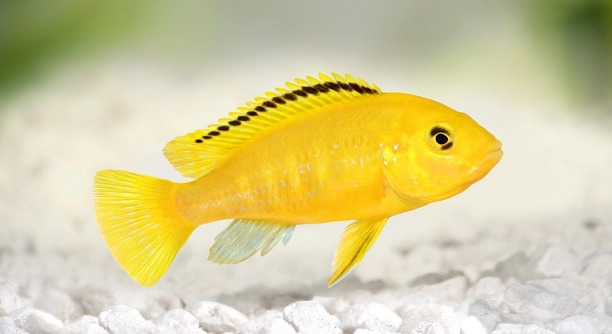
Do you ever find yourself watching your cichlids swim and notice small, quiet interactions that seem to go unnoticed by others? These subtle moments can reveal a lot about how the group behaves together in the tank.
Cichlid group dynamics are often expressed through minor, low-intensity behaviors such as hovering near each other, gentle nudges, and synchronized movements. Observing these behaviors provides insight into hierarchy, bonding, and territorial arrangements within the group.
Understanding these quiet interactions helps you better interpret social roles and relationships among your cichlids, offering a clearer picture of their natural behaviors and overall group health.
Subtle Positioning in the Tank
When observing cichlids, their positioning within the tank can tell you a lot about group dynamics. Some fish prefer to stay near the center, while others linger close to rocks or corners. These choices are rarely random and often reflect social status or comfort levels. Dominant fish tend to occupy prime areas with good visibility and easy access to food. Shyer or lower-ranking individuals may stay hidden behind decorations or near the substrate. Over time, you can start to recognize patterns of movement that indicate which fish feel secure and which are avoiding confrontation. Watching these positions quietly over several days can reveal the hierarchy without disturbing the fish. Even the way fish approach feeding areas or swim around new decorations can show subtle social agreements. Observing positioning is especially helpful in mixed-species tanks, as it can highlight which species coexist peacefully and which may need extra space to reduce tension.
These patterns help you anticipate behavior and reduce potential stress in the tank environment.
Noticing where each cichlid prefers to be and how they navigate around others is a simple way to track relationships. Some fish will gently yield space, while others assert control by holding prime spots.
Gentle Nudges and Touches
Cichlids often communicate with small physical contacts like nudges or brushing against another fish.
These gentle interactions are rarely aggressive and can indicate social bonds, reassurance, or mild challenges. Nudging often happens near food or resting areas, where fish test reactions and establish comfort zones. In some cases, repeated touches strengthen pair bonds or signal acceptance within the group. Observing these actions can help you understand how the group maintains balance and prevents conflicts. Lower-ranking fish may gently nudge to gain attention, while dominant fish might use controlled touches to reinforce boundaries without causing harm. These subtle signals are part of the natural communication system, and missing them can lead to misreading behavior. By quietly watching these small interactions, you gain a clearer picture of how the group manages tension and shares space, especially in tanks with multiple males or competing species. Tracking these nudges over time can reveal emerging leaders, preferred companions, and overall harmony within the tank.
Shared Feeding Spots
Cichlids often choose specific areas for feeding, and these spots reveal how they share space. Dominant fish usually eat first, while others wait their turn. Watching who yields and who asserts control helps understand group hierarchy.
Feeding spots are more than just locations; they show relationships and trust levels. Some fish will approach together without conflict, indicating comfort with each other, while others may hesitate or retreat when a more dominant fish arrives. Over time, patterns emerge where certain fish consistently get priority, while others adapt by waiting or feeding in less contested areas. Recognizing these behaviors helps maintain harmony during feeding and ensures all fish get adequate nutrition. Adjusting food placement can also reduce stress and prevent aggressive encounters. Observing these dynamics quietly allows you to make small changes that improve overall tank stability.
Tracking which fish naturally share feeding spots or wait patiently shows subtle social rules. These observations also reveal temporary alliances or tensions forming, which are key to understanding daily life in the tank.
Territorial Marking
Cichlids establish territories with small, repeated behaviors such as digging or moving objects. These actions define personal space and help reduce conflicts.
Territorial behaviors are consistent and can indicate dominant fish or breeding pairs. Some fish will spend more time near specific rocks, caves, or substrate areas, moving decorations slightly to mark ownership. These adjustments signal to others which areas are occupied and can prevent unnecessary disputes. In tanks with multiple males, careful observation of territories helps you notice when boundaries are challenged, allowing intervention if needed. Territorial marking also influences where fish rest, feed, and interact, making it a key aspect of daily life. Recognizing these behaviors allows you to maintain a balanced tank environment and predict potential tensions. Fish that respect boundaries show calmer behavior, while repeated breaches may lead to skirmishes, highlighting the importance of monitoring space use over time.
Resting Together
Cichlids often rest close to one another, showing trust within the group. Fish that feel safe will choose spots near companions, while shy individuals may find isolated corners. Observing resting patterns can reveal comfort levels and relationships without any aggressive interactions.
Resting together also reflects social stability. Dominant fish may rest in central locations, signaling control, while others position themselves nearby without conflict. Watching these patterns helps identify which fish are well-adjusted and which may need more space.
Synchronized Swimming
Synchronized swimming occurs when multiple cichlids move together in the tank. These coordinated movements indicate group cohesion and mutual awareness. Fish often swim in the same direction, follow similar paths, and adjust speed together. This behavior reduces stress, supports social bonding, and reflects a stable hierarchy.
Subtle Color Changes
Cichlids may change color slightly to communicate mood or status. Observing these shifts helps track social interactions and emotional states.
How can I tell which cichlid is dominant in my tank?
Dominant cichlids usually occupy central areas and prime spots near decorations or feeding zones. They often eat first, hold territory, and assert control over space with gentle nudges or subtle displays. Watching which fish others yield to consistently helps identify leaders without intervention.
Why do some cichlids swim closely together while others stay apart?
Fish that swim in pairs or small groups often have established trust or social bonds. Those keeping distance may be lower-ranking, shy, or feeling threatened. Observing swimming patterns over time reveals comfort levels and which fish naturally form alliances or avoid conflicts.
Are gentle nudges important for cichlid communication?
Yes, gentle nudges are a key part of cichlid social interactions. These touches can signal reassurance, test boundaries, or reinforce social hierarchy. They are rarely aggressive but are vital for maintaining harmony within the group. Missing these signals may lead to misreading behaviors.
What does color change in cichlids indicate?
Subtle color changes often reflect mood, stress, or social status. Brighter hues can signal dominance or readiness to breed, while faded colors may indicate stress or submission. Paying attention to these shifts helps monitor emotional states and social dynamics within the tank.
How do cichlids choose resting spots?
Resting spots are often chosen based on safety and social standing. Dominant fish take central or visible areas, while shy or lower-ranking fish retreat to corners or behind rocks. Patterns in resting locations indicate comfort, hierarchy, and which fish feel secure around others.
Can observing feeding behavior reveal social dynamics?
Absolutely. Who eats first, who waits, and who shares space quietly shows hierarchy and tolerance levels. Feeding observations reveal alliances, dominant-subordinate relationships, and emerging conflicts, allowing adjustments in tank setup or feeding routines to reduce stress.
Why do cichlids dig or move objects in the tank?
Digging and rearranging decorations are territorial behaviors. Fish mark ownership, define personal space, and signal boundaries to others. Observing these actions indicates dominance, territory size, and potential tension points. This helps prevent conflicts and maintains a stable tank environment.
Is synchronized swimming common among cichlids?
Yes, synchronized swimming shows group cohesion and social awareness. Fish swim in unison, follow each other, and adjust movements together. This coordination reduces stress, strengthens bonds, and reflects a stable hierarchy, especially in larger groups or mixed-species tanks.
How do I know if my cichlids are stressed?
Signs of stress include hiding excessively, faded colors, erratic swimming, or constant fleeing from other fish. Observing subtle interactions, resting patterns, and feeding behavior can help detect early stress before it affects health or relationships.
Can minor interactions affect breeding behavior?
Yes, quiet touches, color shifts, and proximity to specific areas influence pair formation and reproductive readiness. Monitoring these subtle cues can help identify compatible pairs and reduce competition during breeding periods.
What should I do if two fish constantly challenge each other?
Observe the interactions carefully to distinguish between normal hierarchy testing and true aggression. Providing more hiding spaces, rearranging decorations, or temporarily separating fish may help restore balance while maintaining natural social behaviors.
How long should I watch cichlids to understand their group dynamics?
Consistency matters more than duration. Daily observation over weeks allows patterns in feeding, resting, swimming, and nudging to emerge. Documenting these behaviors helps you predict interactions, identify dominant or stressed fish, and make informed tank management decisions.
Do lower-ranking cichlids ever challenge higher-ranking ones?
Yes, occasional challenges occur as fish test boundaries or compete for resources. These are usually brief and resolved through nudges, retreats, or color displays. Understanding these interactions prevents misinterpretation and helps maintain social harmony in the tank.
Are some behaviors species-specific?
Definitely. Different cichlid species have unique social signals, nudging styles, and territorial tendencies. Knowing your species’ typical behaviors allows you to interpret interactions correctly and ensures proper tank setup and social compatibility.
How can I encourage peaceful group dynamics?
Providing ample space, hiding spots, multiple feeding locations, and observing interactions quietly supports calm behavior. Recognizing subtle signals like nudges, synchronized swimming, and resting patterns allows proactive adjustments to minimize stress and conflict.
Can observation help prevent illness?
Yes, behavior changes often precede visible illness. Fading colors, reduced activity, or withdrawal from the group can indicate health issues. Paying attention to quiet moments gives early warning signs, allowing timely intervention to protect the whole tank.
Why is it important to note small interactions?
Small interactions build the foundation of social structure. Gentle nudges, resting near others, or synchronized swimming reveal trust, hierarchy, and alliances. Ignoring these moments may lead to misunderstandings, stress, or aggression, impacting the overall health and harmony of your cichlid group.
Do cichlids recognize each other individually?
Yes, cichlids can distinguish familiar tankmates and adjust behavior accordingly. Recognizing individuals helps maintain stable relationships, reduce conflict, and support social cohesion, especially in mixed-species or larger groups.
How can I use these observations to improve tank life?
Tracking quiet behaviors allows for better tank layout, feeding routines, and species selection. Understanding hierarchy, territory, and social comfort ensures each fish thrives, reduces stress, and encourages natural, peaceful interactions among all tank inhabitants.
What’s the best way to record these behaviors?
A simple notebook or digital log works well. Note feeding order, resting spots, nudges, color changes, and territory use daily. Over time, patterns emerge that provide actionable insights for maintaining a healthy and harmonious cichlid group.
How can I tell which cichlid is dominant in my tank?
Dominant cichlids usually occupy central areas and prime spots near decorations or feeding zones. They often eat first, hold territory, and assert control over space with gentle nudges or subtle displays. Watching which fish others yield to consistently helps identify leaders without intervention.
Why do some cichlids swim closely together while others stay apart?
Fish that swim in pairs or small groups often have established trust or social bonds. Those keeping distance may be lower-ranking, shy, or feeling threatened. Observing swimming patterns over time reveals comfort levels and which fish naturally form alliances or avoid conflicts.
Are gentle nudges important for cichlid communication?
Yes, gentle nudges are a key part of cichlid social interactions. These touches can signal reassurance, test boundaries, or reinforce social hierarchy. They are rarely aggressive but are vital for maintaining harmony within the group. Missing these signals may lead to misreading behaviors.
What does color change in cichlids indicate?
Subtle color changes often reflect mood, stress, or social status. Brighter hues can signal dominance or readiness to breed, while faded colors may indicate stress or submission. Paying attention to these shifts helps monitor emotional states and social dynamics within the tank.
How do cichlids choose resting spots?
Resting spots are often chosen based on safety and social standing. Dominant fish take central or visible areas, while shy or lower-ranking fish retreat to corners or behind rocks. Patterns in resting locations indicate comfort, hierarchy, and which fish feel secure around others.
Can observing feeding behavior reveal social dynamics?
Absolutely. Who eats first, who waits, and who shares space quietly shows hierarchy and tolerance levels. Feeding observations reveal alliances, dominant-subordinate relationships, and emerging conflicts, allowing adjustments in tank setup or feeding routines to reduce stress.
Why do cichlids dig or move objects in the tank?
Digging and rearranging decorations are territorial behaviors. Fish mark ownership, define personal space, and signal boundaries to others. Observing these actions indicates dominance, territory size, and potential tension points. This helps prevent conflicts and maintains a stable tank environment.
Is synchronized swimming common among cichlids?
Yes, synchronized swimming shows group cohesion and social awareness. Fish swim in unison, follow each other, and adjust movements together. This coordination reduces stress, strengthens bonds, and reflects a stable hierarchy, especially in larger groups or mixed-species tanks.
How do I know if my cichlids are stressed?
Signs of stress include hiding excessively, faded colors, erratic swimming, or constant fleeing from other fish. Observing subtle interactions, resting patterns, and feeding behavior can help detect early stress before it affects health or relationships.
Can minor interactions affect breeding behavior?
Yes, quiet touches, color shifts, and proximity to specific areas influence pair formation and reproductive readiness. Monitoring these subtle cues can help identify compatible pairs and reduce competition during breeding periods.
What should I do if two fish constantly challenge each other?
Observe the interactions carefully to distinguish between normal hierarchy testing and true aggression. Providing more hiding spaces, rearranging decorations, or temporarily separating fish may help restore balance while maintaining natural social behaviors.
How long should I watch cichlids to understand their group dynamics?
Consistency matters more than duration. Daily observation over weeks allows patterns in feeding, resting, swimming, and nudging to emerge. Documenting these behaviors helps you predict interactions, identify dominant or stressed fish, and make informed tank management decisions.
Do lower-ranking cichlids ever challenge higher-ranking ones?
Yes, occasional challenges occur as fish test boundaries or compete for resources. These are usually brief and resolved through nudges, retreats, or color displays. Understanding these interactions prevents misinterpretation and helps maintain social harmony in the tank.
Are some behaviors species-specific?
Definitely. Different cichlid species have unique social signals, nudging styles, and territorial tendencies. Knowing your species’ typical behaviors allows you to interpret interactions correctly and ensures proper tank setup and social compatibility.
How can I encourage peaceful group dynamics?
Providing ample space, hiding spots, multiple feeding locations, and observing interactions quietly supports calm behavior. Recognizing subtle signals like nudges, synchronized swimming, and resting patterns allows proactive adjustments to minimize stress and conflict.
Can observation help prevent illness?
Yes, behavior changes often precede visible illness. Fading colors, reduced activity, or withdrawal from the group can indicate health issues. Paying attention to quiet moments gives early warning signs, allowing timely intervention to protect the whole tank.
Why is it important to note small interactions?
Small interactions build the foundation of social structure. Gentle nudges, resting near others, or synchronized swimming reveal trust, hierarchy, and alliances. Ignoring these moments may lead to misunderstandings, stress, or aggression, impacting the overall health and harmony of your cichlid group.
Do cichlids recognize each other individually?
Yes, cichlids can distinguish familiar tankmates and adjust behavior accordingly. Recognizing individuals helps maintain stable relationships, reduce conflict, and support social cohesion, especially in mixed-species or larger groups.
How can I use these observations to improve tank life?
Tracking quiet behaviors allows for better tank layout, feeding routines, and species selection. Understanding hierarchy, territory, and social comfort ensures each fish thrives, reduces stress, and encourages natural, peaceful interactions among all tank inhabitants.
What’s the best way to record these behaviors?
A simple notebook or digital log works well. Note feeding order, resting spots, nudges, color changes, and territory use daily. Over time, patterns emerge that provide actionable insights for maintaining a healthy and harmonious cichlid group.

Hello,
If you enjoy the content that we create, please consider saying a "Thank You!" by leaving a tip.
Every little bit helps us continue crafting quality advice that supports the health, happiness, and well-being of pets around the world, for pets of all shapes, sizes, and species.
We really appreciate the kindness and support that you show us!