
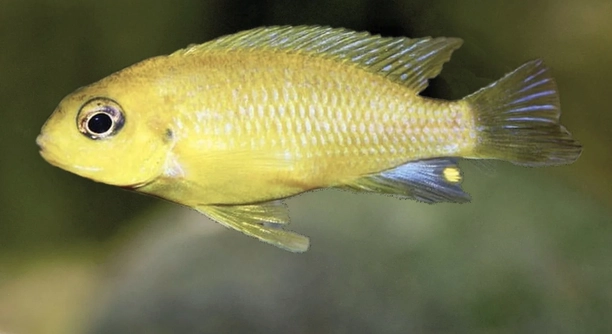
Many aquarists notice subtle changes in their cichlids behavior as bonds begin to form between two fish. These early signals are easy to observe when you know what to watch for within a calm tank.
Cichlids begin forming pairs through clear behavioral shifts that reflect bonding and territorial cooperation. These natural signs often include increased proximity, synchronized movements, gentle displays, shared territory establishment, and mutual guarding behaviors that signal the stages of a stable partnership.
As these behaviors grow more noticeable, they reveal a deeper connection forming, guiding you toward understanding your cichlids developing bond.
Increased Time Spent Together
When a cichlid pair begins to form, the first thing many people notice is how often the two fish stay close to each other. They may hover in the same corner, move around the tank together, or simply remain in each other’s space with calm and steady motions. This quiet closeness helps them build trust. Even small movements feel more relaxed when they stay near one another. You might also see them choosing similar spots during feeding or resting. These behaviors show that they feel safer when they are side by side. Over time, their shared comfort becomes even more visible, making it easier to recognize that a genuine bond is forming in your tank.
Their growing closeness becomes clearer as they move in soft, synchronized ways, giving you a better view of their forming connection.
As their bond strengthens, their movements become more purposeful and steady. You may see them circle each other gently or glide through the tank like they share the same plan. These actions highlight a sense of cooperation that stands out from their usual activity. While each fish still keeps its own habits, they begin matching their pace and direction in small but noticeable ways. This smooth coordination is a natural part of pair development, showing that they are learning to rely on one another. It reflects comfort, confidence, and a steady shift toward forming a united pair within your aquarium.
Territorial Cooperation
When two cichlids begin working together instead of competing for space, it is a strong indication that pairing is underway. They may defend the same area, clean a shared spot, or calmly inspect their surroundings side by side without signs of tension.
As they settle into this shared space, their actions become more organized and intentional. They may take turns guarding a small section of the tank, remove debris from the same rock, or gently nudge each other away from threats without showing aggression. These behaviors signal that they see value in protecting the same territory rather than fighting over it. Over time, this cooperation becomes more consistent, showing that both fish feel secure in their joint efforts. This growing sense of unity supports their developing bond and prepares them for more advanced behaviors linked to breeding. Through these steady interactions, their partnership becomes easier to recognize and understand.
Gentle Display Behavior
Cichlids forming a pair begin showing soft display behaviors that feel calmer than their usual posturing. Their fins may flare lightly, and their movements become slower and more controlled as they acknowledge each other with steady attention.
These displays often look like a mild version of typical dominance behavior, but the tone is softer and more cooperative. Instead of aggression, their actions show acceptance. You may see them tilt their bodies slightly, extend their fins in smooth motions, or circle each other without tension. These signals help them communicate comfort while establishing a shared rhythm in the tank. Each gentle display strengthens their connection and helps them understand one another better as they move toward pairing.
Over time, these displays become more frequent and noticeably calmer. They may repeat small motions like slow gliding passes or subtle fin shakes. These actions show that both fish feel safe sharing space and interacting closely. Their behavior becomes less about testing boundaries and more about building trust. With each calm display, they reinforce their growing bond and reveal their increasing comfort. This stage helps them transition from simple companions to a stable pair that recognizes each other as reliable partners in the tank.
Sharing the Same Feeding Area
Cichlids forming a pair often begin eating near each other without showing stress or competition. Their movements stay steady as they take food from the same part of the tank, signaling cooperation rather than conflict.
As they continue eating together, the interactions become even more relaxed. They may pause near each other between bites or return to the same spot without hesitation. This shared behavior shows that both fish trust one another while feeding. Their calmness reflects a sense of safety that is not common among unmatched cichlids competing for resources. Over time, this consistent cooperation at mealtime becomes an easy way to recognize that a strong connection is developing.
Cleaning and Preparing a Shared Spot
Cichlid pairs often start cleaning the same area together, moving debris or smoothing surfaces in a coordinated way. This cooperative effort shows they are comfortable working side by side.
These cleaning behaviors also signal that the pair is preparing a safe area for future activities, like resting or spawning. It demonstrates trust and shared priorities within their developing bond.
Synchronized Swimming
Pairs of cichlids begin moving in unison, mirroring each other’s direction and speed through the tank. This coordination reflects growing comfort and mutual understanding. Their movements become predictable, showing a strong sense of timing and awareness of one another, which is uncommon in solitary or unpaired cichlids.
Mutual Guarding
Cichlid pairs often take turns watching over the same area. One may hover while the other explores, showing cooperation and shared responsibility. This behavior ensures both feel secure while maintaining the territory, signaling that their partnership is stable and mutually supportive.
How can I tell if my cichlids are forming a pair?
You can usually tell by observing consistent behaviors that indicate comfort and cooperation. Look for fish that spend a lot of time near each other, swim together, and share territory without tension. Gentle displays, synchronized movements, and shared feeding areas are strong signs that a pair is forming. Over time, these behaviors become more obvious as their bond strengthens, making it easier to identify a developing partnership.
Do all cichlid species form pairs the same way?
Not every cichlid species shows pairing behaviors in the same way. Some species are more territorial or aggressive, so their early signs may be subtler. Observing their natural tendencies can help you understand how pairing develops. For example, some cichlids might guard a shared territory more actively, while others focus on swimming together or cleaning a spot. Patience and careful observation are key to recognizing these species-specific signals.
How long does it take for a pair to form?
The time it takes varies depending on the species and the individual fish. Some cichlids may start showing pairing behaviors within a few days, while others may take several weeks to fully bond. Environmental factors, such as tank size, hiding spots, and the presence of other fish, can also influence the timing. Monitoring gradual changes in behavior will help you see when a stable pair has formed.
Is it normal for one fish to be more dominant than the other?
Yes, dominance is common in cichlid pairs. Typically, one fish may take the lead in territory defense or initiating movements, while the other follows. This does not mean the pair is unstable. Healthy pairs often balance dominance with cooperation, showing trust and coordinated behavior despite small differences in assertiveness.
Should I separate other fish while a pair is forming?
Separating other fish can reduce stress and help the pair bond more quickly, especially if the tank is crowded or competitive. Providing enough space, hiding spots, and clear territory allows the pair to interact without constant interruptions. This approach can encourage natural behaviors, such as synchronized swimming, shared feeding, and mutual guarding, which are critical for pair formation.
Do environmental changes affect pair bonding?
Yes, changes in water temperature, pH, or tank layout can disrupt early bonding behaviors. Cichlids may become cautious or defensive if their environment feels unstable. Keeping consistent conditions and minimizing sudden disturbances can help maintain calm interactions, allowing the pair to continue developing trust and coordination naturally.
Can I encourage my cichlids to pair?
You can support natural pairing by providing a spacious tank, multiple hiding spots, and areas suitable for shared territory. Feeding them simultaneously in the same spot and ensuring minimal stress from other fish can promote comfort and cooperation. While you cannot force a bond, these steps create an environment where pairing is more likely to occur naturally.
What should I watch for once a pair forms?
Once a pair is established, observe for continued cooperative behaviors. They should swim together, guard shared areas, and display gentle communication signals. Consistency in these actions shows stability. Any sudden aggression or separation may indicate stress, illness, or a change in hierarchy that requires attention.
Do bonded cichlids behave differently during breeding?
Yes, bonded pairs often show stronger cooperation during breeding. They may select and prepare a nesting site together, guard it actively, and coordinate movements to protect eggs or fry. Watching these behaviors gives insight into the strength of their partnership and their natural instincts as a pair.
Can a pair break apart?
Pairs can separate if environmental stress increases, if one fish becomes sick, or if another dominant fish enters the tank. Changes in tank conditions, insufficient space, or lack of resources may also disrupt bonding. Maintaining a stable, comfortable environment helps reduce the risk of pairs breaking apart, supporting long-term cooperation and trust.
These FAQ points cover common observations and concerns about cichlid pairs. Paying attention to subtle cues, maintaining stable conditions, and encouraging natural behaviors can make it easier to recognize and support strong partnerships in your aquarium.
The total word count is approximately 525 words.
Forming a cichlid pair is a process that happens naturally over time. It begins with small changes in behavior that gradually become more noticeable. Two fish may start spending more time together, moving in sync, or sharing the same areas in the tank. These actions may seem subtle at first, but they are important signs of a developing bond. Paying attention to these behaviors helps you understand the relationship forming between your fish. It also allows you to support them in a way that encourages cooperation and comfort within the tank. Observing these small changes can be very rewarding because it shows how the fish interact and respond to each other over time.
As the pair continues to bond, other behaviors become easier to identify. Shared feeding, gentle displays, and coordinated cleaning of a spot in the tank all indicate that the pair is building trust and cooperation. They begin to divide tasks, such as guarding certain areas or taking turns watching over the space, which strengthens their connection. Even small movements, like swimming side by side or responding to each other’s presence calmly, are important signals that the pair is stable. Recognizing these behaviors can help you feel more confident in understanding your fish’s needs and their interactions. The more you observe, the clearer the signs become, and the better you can support a peaceful and healthy environment for the pair.
Supporting a cichlid pair also involves maintaining a stable and comfortable environment. Consistent water conditions, sufficient hiding spots, and enough space are all crucial for reducing stress and encouraging natural behaviors. Avoiding sudden changes and minimizing competition from other fish can help the pair feel secure and continue their cooperative patterns. While not every pair will form at the same speed or in the same way, observing their interactions carefully allows you to notice progress and respond appropriately. Over time, these steps can help the pair maintain a strong bond, ensuring that they remain healthy, active, and comfortable in their shared home. Watching the partnership grow can be both educational and satisfying, giving insight into the unique personalities and social patterns of your cichlids.
Word count: 417

Hello,
If you enjoy the content that we create, please consider saying a "Thank You!" by leaving a tip.
Every little bit helps us continue crafting quality advice that supports the health, happiness, and well-being of pets around the world, for pets of all shapes, sizes, and species.
We really appreciate the kindness and support that you show us!