
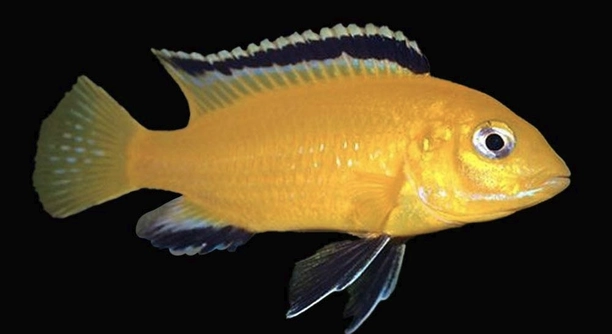
Cichlids are fascinating fish that form strong bonds when kept in the right environment. Watching their interactions can be both relaxing and educational for any fish keeper or enthusiast alike. Building a stable relationship takes time.
Bonding in cichlids can be significantly influenced within a seven-day period by consistent feeding, careful observation, and controlled environmental changes. These steps promote trust, reduce stress, and encourage natural social behaviors that strengthen long-term pair or group interactions.
Following these initial seven days sets the stage for lasting bonds and a healthier, more harmonious aquarium environment for your cichlids to thrive.
Setting the Right Environment
Creating a stable environment is key for cichlid bonding. Start by keeping the water clean and at a consistent temperature. Hiding spots like rocks and plants help them feel secure. Avoid overcrowding the tank, as too many fish can cause stress and aggression. Regular water changes and monitoring pH levels support healthy interactions. Lighting should mimic natural cycles, giving periods of dimness to reduce tension. Feeding at predictable times also helps them associate the tank with safety and routine. Observing their behaviors daily allows adjustments to prevent conflict. Each small change contributes to a calmer, more trusting group dynamic. By focusing on environmental stability, cichlids are more likely to explore, interact, and pair up naturally. Patience and attention to detail are essential, as rushing or making abrupt changes can reverse progress. Over time, the fish will settle into their space and establish a rhythm that supports bonding and reduces stress within the tank.
Creating a calm tank allows cichlids to feel safe and start building trust naturally.
A stable environment encourages consistent social behavior. When fish are not stressed, they interact more positively. Structures in the tank give them places to retreat, preventing unnecessary fights. Light and feeding routines further reinforce a sense of security. This combination of factors is the foundation for permanent bonding.
Consistent Feeding and Observation
Feeding cichlids on a regular schedule helps them feel secure and reduces aggression.
Observing daily helps detect subtle shifts in behavior before conflicts escalate.
Consistent feeding times create predictability, which is important for cichlid bonding. During the seven-day period, offer high-quality food appropriate for each species. Avoid overfeeding, as leftover food can cause water issues and stress. While feeding, watch how fish interact. Note signs of dominance, pairing, or retreat. Small adjustments, like moving hiding spots or changing feeding locations, can reduce tension. Interaction patterns often indicate potential bonding success, as compatible pairs spend more time near each other and display synchronized behaviors. Recording these observations allows you to track progress over the week. By combining consistent feeding with careful monitoring, you provide both structure and insight into their relationships. This practice not only strengthens bonds but also ensures the overall health of the tank. Observing their growth and interactions day by day creates an informed approach to long-term care and helps maintain a peaceful, well-balanced environment.
Encouraging Social Interaction
Providing spaces for fish to explore together encourages natural bonding behaviors.
Social structures form when cichlids have areas to establish territories. Rocks, caves, and plants help reduce conflict by giving them places to retreat. Fish will gradually recognize companions and pair up. Observing their movement patterns during these interactions allows adjustments to improve comfort. Interactions become more predictable, and compatible pairs start to spend more time together. Gradually, social bonds strengthen as fish learn to tolerate and respond to each other positively.
During the seven-day period, encourage group activities like feeding in specific spots or gently introducing new hiding places. Monitor aggression closely and separate fish if necessary. Not all interactions will be smooth, but consistent observation helps identify compatible pairs. Over time, this approach fosters natural social structures where dominant and subordinate roles are understood. Fish begin recognizing familiar companions, reducing stress and supporting long-term bonding. Adjusting the environment slightly can enhance these interactions and create a stable social hierarchy.
Consistent positive interactions during this time teach fish trust and reduce fear. When cichlids share feeding spots or explore together without conflict, bonds form more quickly. Observing daily allows you to see which fish are compatible and how relationships develop. Structures and routines reinforce these behaviors, making bonds more permanent.
Minimizing Stress
Stress can undo bonding efforts quickly if not managed carefully.
Stress reduction is critical for maintaining harmony. Avoid sudden changes in water conditions, tank decor, or lighting. Keep a predictable feeding routine and maintain proper water quality. Overcrowding increases tension, so ensure adequate space for each fish. Quiet surroundings without loud noises or vibrations help cichlids feel safe.
Monitoring stress signs such as hiding, aggression, or loss of appetite allows timely intervention. Minor adjustments like adding plants or rearranging rocks can reduce conflict. If certain fish display persistent aggression, temporarily separating them prevents injuries. Stress-free conditions encourage exploration, social interaction, and compatibility. By controlling environmental factors and responding to behavioral cues, cichlids are more likely to form lasting bonds. Maintaining a calm and stable environment during this critical seven-day period strengthens relationships and sets the stage for long-term tank harmony.
Pairing Compatible Fish
Not all cichlids naturally bond. Choosing compatible species or individuals reduces conflict and supports stronger connections.
Observation during feeding and exploration reveals compatibility. Fish that spend time together without chasing or aggression are more likely to form lasting bonds.
Gentle Introductions
Introduce new cichlids gradually to minimize stress and aggression. Use barriers or separate tanks for a few days to let them observe each other safely. Controlled exposure allows familiarity without immediate confrontation, helping to build trust.
Monitoring Progress
Daily observation is key to tracking social development. Take notes on interactions, feeding behavior, and territory establishment to guide adjustments in tank setup or groupings. Consistent monitoring ensures bonds are strengthening and helps address issues quickly before they escalate.
Adjusting Tank Setup
Small changes in decor or hiding spots can influence bonding. Rearranging rocks or plants occasionally encourages exploration and reduces territorial disputes, supporting a balanced social environment.
FAQ
How long does it take for cichlids to bond?
Bonding time varies depending on species, tank conditions, and individual temperament. Generally, seven days of consistent care, observation, and controlled interactions can create noticeable bonds. Some pairs may take longer, but following routines and maintaining a calm environment accelerates trust-building and social harmony.
What signs show that cichlids are bonding?
Cichlids that are bonding spend more time near each other, swim together during feeding, and display synchronized behaviors like mirroring movements or sharing hiding spots. Reduced aggression, chasing, or territorial disputes are also clear indicators that the social dynamic is stabilizing and trust is forming.
Can aggressive cichlids ever bond?
Yes, but it requires careful management. Aggressive individuals need space, hiding spots, and structured introductions. Observing interactions closely helps separate fish when tension rises. With patience, even aggressive cichlids can learn to tolerate or form pair bonds if the environment supports safety and reduces triggers for conflict.
Do tank size and layout affect bonding?
Absolutely. A tank that is too small increases stress and territorial disputes. Providing sufficient space, plants, rocks, and caves allows fish to establish territories, retreat when needed, and interact safely. Thoughtful layout encourages natural behavior, making bonding more likely and sustainable over time.
Is feeding important for bonding?
Yes, feeding routines are critical. Regular feeding times help fish feel secure and create positive associations. Offering high-quality food and feeding in consistent locations encourages fish to gather without stress. Observing interactions during feeding can also reveal compatible pairs or potential conflicts.
Should I separate fish if they fight?
Temporary separation can be necessary. If chasing, nipping, or aggression persists, isolating one or more fish prevents injury and stress. Reintroducing them gradually after a few days allows them to interact safely. Controlled separation supports long-term bonding rather than forcing conflict.
How do hiding spots influence bonding?
Hiding spots reduce stress and give fish control over interactions. Caves, plants, and rocks allow shy or subordinate fish to retreat without being attacked. When fish feel safe, they are more willing to explore, interact, and build relationships, which strengthens social bonds.
Can environmental changes disrupt bonding?
Yes, sudden changes in water parameters, lighting, or tank layout can increase stress and trigger aggression. Gradual adjustments are best. Monitoring reactions during changes ensures that fish remain comfortable and that bonds are maintained. Stability is key for long-lasting relationships.
Is it normal for some fish to remain solitary?
Some cichlids naturally prefer solitude or only bond with specific individuals. While most will form social connections, it’s normal for a few to remain on the periphery. Respecting these tendencies prevents forced interactions and reduces stress for all tank inhabitants.
Can bonded cichlids stay together long-term?
With proper care, yes. Maintaining clean water, consistent feeding, hiding spots, and stress-free conditions allows bonds to strengthen over time. Continuous observation ensures conflicts are addressed early, supporting a stable and lasting social dynamic in the tank.
How does age or size affect bonding?
Younger or similarly sized cichlids tend to bond more easily because neither feels dominant or threatened. Large size differences can increase aggression. Pairing fish thoughtfully by age and size promotes smoother social interactions and encourages trust-building.
Are certain species easier to bond than others?
Yes, some species naturally form pairs or small groups. Others are more territorial or solitary. Researching species-specific behaviors helps in planning tank setups and predicting bonding potential, reducing unnecessary stress and aggression.
Does temperature influence social behavior?
Temperature affects activity levels and metabolism. Stable, species-appropriate temperatures reduce stress and aggression. Sudden fluctuations can trigger fights or retreat behaviors, disrupting bonding. Maintaining consistent temperatures ensures comfort and supports natural social interactions.
How do I encourage bonding without causing stress?
Use gradual introductions, maintain consistent routines, provide hiding spots, and avoid sudden changes. Observe interactions daily, intervene when necessary, and offer positive reinforcement through feeding and safe exploration areas. This approach fosters trust and lasting bonds without unnecessary conflict.
Can bonded pairs reproduce more successfully?
Often, yes. Fish that trust each other and share a compatible social space are more likely to display mating behaviors and successfully raise offspring. A stress-free environment and stable social structure directly influence reproductive success.
What should I do if bonding seems to fail?
Reassess tank conditions, fish compatibility, and environmental factors. Consider temporary separation, adding hiding spots, or adjusting feeding routines. Sometimes, pairing different individuals or creating more space allows bonds to form naturally without forcing interactions.
Can I bond multiple pairs in the same tank?
Yes, but it requires careful planning. Provide enough space, hiding spots, and territories to reduce competition. Observe interactions to ensure all pairs coexist peacefully. Gradual introductions and monitoring prevent aggression and support multiple stable relationships.
How often should I monitor fish behavior?
Daily observation is ideal. Even brief checks reveal changes in aggression, social interactions, and health. Consistent monitoring allows timely interventions and supports long-term bonding, ensuring that the tank remains harmonious and stress-free for all inhabitants.
Do water changes affect bonding?
Regular, moderate water changes support health without causing stress. Large or abrupt changes can temporarily increase aggression or fear. Maintaining water quality while minimizing disruption ensures a safe environment for cichlids to continue bonding.
Can stress from outside the tank affect bonding?
Yes, vibrations, loud noises, or sudden movements nearby can stress cichlids. Keeping the tank in a calm area supports natural behavior and strengthens social bonds. Minimizing external stressors helps maintain trust and peaceful interactions over time.
Are there signs that bonding is permanent?
Permanent bonds are indicated by consistent cooperative behavior, shared territories, synchronized swimming, and reduced aggression over time. Fish that routinely interact positively and tolerate each other’s presence show long-term compatibility. These patterns usually persist unless disrupted by environmental or health issues.
Final Thoughts
Building lasting bonds among cichlids depends on patience, gentle guidance, and consistent care. Their behavior changes quickly when the environment supports comfort and stability. Each adjustment you make, whether it is improving water quality, offering more hiding spots, or slowing down introductions, shapes how they react to each other. Cichlids respond strongly to routine, so keeping their daily life predictable helps them feel safe. When fish feel safe, they become more open to interaction. This is why the seven-day period often creates such clear progress. It condenses the most important steps into a short window where observation and care work together. When the tank stays calm, the fish begin exploring more freely. They start sharing spaces or tolerating closer contact. These small moments lead to stronger connections over time. Watching these changes happen brings a sense of quiet satisfaction, because it shows how much impact thoughtful care can have on their social behavior.
Understanding cichlid behavior also means accepting that not every fish will bond the same way or in the same amount of time. Some will pair quickly, choosing a companion and staying close throughout the day. Others will stay cautious, taking longer to adjust or interact with the group. A few may remain more independent, even when the tank is peaceful and balanced. These differences are natural. What matters most is creating a setting where each fish has the chance to feel comfortable. When an environment supports their needs, cichlids become more expressive and show more positive social patterns. This is why steady routines, gentle introductions, and careful monitoring remain important long after the first week. Bonds may seem subtle at first, but they grow stronger as the days pass. You will notice shared territories, synchronized swimming, calmer interactions, and a general sense of harmony in the tank. These are strong signs that your efforts are working.
The key to maintaining these bonds involves continuing the same thoughtful habits that helped create them. Regular observation allows you to react early when tension rises or when a change in behavior suggests stress. Small updates to tank decor keep interactions fresh without disturbing the social balance. Clean water and high-quality food ensure the fish stay healthy and active. Most of all, keeping the environment peaceful helps maintain trust. Over time, the bonds become more obvious and more stable. Those seven days provide a foundation, but long-term care reinforces everything your fish have learned. When cichlids feel secure, their interactions become smoother and more predictable, supporting a lifelong sense of balance in the tank. With steady attention and gentle guidance, their relationships can remain strong and continue to grow in a calm and supportive environment.

Hello,
If you enjoy the content that we create, please consider saying a "Thank You!" by leaving a tip.
Every little bit helps us continue crafting quality advice that supports the health, happiness, and well-being of pets around the world, for pets of all shapes, sizes, and species.
We really appreciate the kindness and support that you show us!