
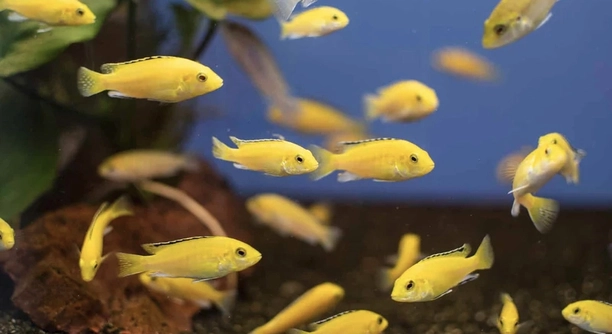
Cichlids are fascinating fish with behaviors that often go unnoticed. Observing them closely reveals patterns and routines they perform before breeding. These tiny actions are subtle but important in their reproductive process and overall care.
Before breeding, cichlids engage in a series of small, ritualistic behaviors that help establish pair bonding, territory, and readiness for reproduction. These rituals include courtship displays, cleaning surfaces, nest preparation, and specific fin and body movements.
Understanding these rituals provides insight into cichlid behavior and breeding habits. Each movement plays a role in ensuring successful reproduction and a healthy environment for offspring.
Cleaning the Nest Area
Before breeding, cichlids spend significant time cleaning their chosen nest area. They use their mouths to remove debris, algae, and leftover food from rocks or substrate. This behavior ensures a safe and hygienic spot for eggs. Observing this, I notice how methodical they are, moving in small, precise motions, almost as if inspecting every inch. Cleaning is not random; it is a preparatory step that signals readiness to spawn. Both males and females may participate, though males often defend the area while the female does the detailed cleaning. This ritual also helps establish territory, discouraging other fish from intruding. The consistent cleaning maintains water quality near the nest, which is essential for egg survival. Watching cichlids perform this action repeatedly reinforces how instinctive and critical these tiny behaviors are for successful breeding.
Proper cleaning directly impacts the health of eggs and fry, making this ritual vital for cichlid reproduction.
By maintaining a spotless environment, cichlids increase the likelihood that their offspring will survive in a safe, prepared habitat. Careful preparation shows how instinct and behavior work together to protect their young.
Courtship Displays
Courtship displays are brief but noticeable behaviors cichlids perform to attract a mate and establish bonding.
These displays include flaring fins, vibrant color changes, and circling movements around the potential partner. Each gesture communicates readiness and fitness. Males often perform the most exaggerated movements, showing off strength and stamina. Females respond with subtle signals, approaching or mirroring the male’s motions. This interaction can last several hours and strengthens pair recognition. It also helps reduce aggression by creating a predictable pattern between the pair. Observing closely, I see that these displays are choreographed, precise, and repeated in cycles. They serve multiple functions, from signaling reproductive readiness to reinforcing social hierarchy. Consistency is key; any interruption in these movements can affect mating success. Courtship rituals are a complex form of communication that balances attraction with careful evaluation of a mate’s suitability. Understanding these behaviors allows breeders and aquarists to support a natural, stress-free environment for cichlids, ensuring successful breeding outcomes while minimizing aggression.
Fin Flaring
Fin flaring is a common ritual where cichlids spread their fins wide to appear larger and more dominant. It signals strength and readiness to defend territory or attract a mate, often paired with body trembling and lateral movements.
I’ve noticed that fin flaring serves multiple purposes. Males flare to impress females and to warn rivals, creating a visual boundary without engaging in actual combat. Females may also flare subtly to indicate interest or readiness. This display is repeated frequently during breeding periods, and the intensity can reflect a fish’s confidence and health. Flared fins catch light and highlight colors, adding to the visual impact. In my observations, fin flaring not only signals physical condition but also coordinates timing with other rituals, like cleaning the nest or circling displays. The repeated pattern ensures the partner recognizes intentions clearly and helps reduce unnecessary aggression while establishing a temporary hierarchy within the tank or habitat.
This behavior also communicates stability and control over the chosen breeding area. Consistent flaring reassures partners that the site is secure for laying eggs and defending fry.
Mouth Digging
Mouth digging involves cichlids scooping and moving substrate with their mouths to prepare nesting spots. It clears debris and creates shallow pits for eggs.
During this ritual, I notice cichlids working systematically. They move small amounts of sand or gravel at a time, often pausing to inspect the area before continuing. Both males and females may participate, but males typically dig larger areas while females refine the nest. This behavior ensures eggs remain safe from drifting debris and provides a controlled environment. Digging also reinforces the territorial claim, signaling to other fish that the area is occupied. The repetitive motions are precise and intentional, showing strong instinctive behavior. Watching them, it’s fascinating how these tiny movements combine to create an optimal breeding site.
Mouth digging also enhances water flow around the nest, reducing stagnant spots. This subtle adjustment improves egg survival and helps the pair maintain a healthy breeding environment.
Circling Each Other
Cichlids often swim in tight circles around one another before spawning. This behavior establishes pair bonding and communicates readiness. Both fish stay close, observing movements carefully while maintaining a coordinated pattern.
Circling also helps reduce aggression. By moving together in rhythm, they signal trust and synchronization. It sets the stage for egg laying and ensures both partners are aligned in timing, increasing the chance of successful reproduction.
Light Color Changes
Before breeding, cichlids can show subtle shifts in body color. These changes indicate mood, readiness, and health.
Color intensity often increases during courtship or nest preparation. Males may display brighter patterns to attract females, while females show gentle shifts to signal receptiveness. These visual cues are critical for communication and coordinating breeding behavior. Observing these changes, I notice how color signals align perfectly with other rituals like fin flaring, circling, and nest cleaning, creating a seamless pre-breeding sequence. This subtle transformation is a reliable indicator of timing and compatibility between partners. Color shifts also help establish dominance hierarchies without physical conflict, reducing stress and ensuring a safer environment for eggs. Recognizing these patterns makes monitoring breeding readiness much easier.
Soft Vibrations
Cichlids often produce gentle body vibrations during pre-spawning interactions. These movements communicate intent and help synchronize behaviors between partners.
FAQ
How can I tell when my cichlids are ready to breed?
Cichlids show several behaviors before breeding. They clean a nesting site, dig small pits in the substrate, flare their fins, and often change colors subtly. Circling each other and performing soft body vibrations are also common signs. Observing these behaviors consistently over a few days usually indicates readiness.
Why do cichlids flare their fins so often?
Fin flaring serves multiple purposes. It signals strength to rivals, shows health and fitness to potential mates, and helps establish territory. During breeding periods, I notice males flaring more intensely, while females respond subtly. This ritual reduces actual aggression by communicating dominance visually.
What is the purpose of mouth digging in cichlids?
Mouth digging helps prepare a safe and clean site for eggs. By moving substrate and debris, cichlids create shallow pits where eggs can stay protected. Both males and females participate, with males usually creating the larger excavation and females refining the site. This behavior also improves water flow around the nest, increasing egg survival.
Do color changes in cichlids always indicate breeding?
Not always. Color changes can reflect stress, mood, or environmental changes. However, during pre-breeding periods, shifts are usually more consistent and coordinated with other rituals, such as circling, fin flaring, or nest cleaning. Brighter patterns in males and gentle shifts in females often indicate reproductive readiness.
How long do pre-breeding rituals last?
Pre-breeding rituals can last hours or even days, depending on the pair and their environment. Cichlids repeat cleaning, circling, flaring, and color signaling multiple times. Consistency over time strengthens pair bonding and ensures that both partners are fully synchronized before spawning occurs.
Can other fish disrupt these rituals?
Yes. Intruding fish or aggressive tank mates can interrupt cleaning, digging, or courtship displays. In my experience, providing a secluded area or reducing stressors in the tank helps cichlids maintain their rituals and improves breeding success. Maintaining water quality and a calm environment is equally important.
Why are soft body vibrations important?
Soft vibrations coordinate timing between partners. These gentle movements help signal intent and readiness to mate, ensuring that both fish are in sync. Vibrations often occur alongside circling or fin flaring, reinforcing the communication needed for successful spawning.
Should I intervene if rituals seem slow or incomplete?
Minimal intervention is usually best. Cichlids have natural instincts guiding these behaviors. Observing quietly and ensuring a stress-free environment is often sufficient. Adding hiding spots, adjusting water conditions, or separating aggressive tank mates can support the rituals without direct interference.
Do all cichlids perform the same rituals?
While most cichlids share common pre-breeding behaviors like cleaning, digging, flaring, circling, color changes, and vibrations, the intensity and exact patterns vary by species. Watching your specific cichlids closely is key to understanding their individual routines.
How can I encourage successful breeding?
Providing a clean, safe environment with proper hiding spaces, maintaining stable water parameters, and observing natural behaviors helps support successful breeding. Minimizing stress and allowing rituals to proceed naturally often leads to higher egg survival and stronger pair bonding.
What should I do after the eggs are laid?
After spawning, parents usually guard and tend to the eggs. Observing without disturbing the nest is important. Feeding should continue normally, and water conditions must remain stable. The rituals leading up to this point help ensure that both parents are attentive and the environment is suitable for fry development.
Are these rituals instinctive or learned?
Cichlids perform these behaviors instinctively. They are hardwired patterns that ensure reproductive success. Observing these rituals in my tanks shows how consistent and precise they are, demonstrating the strength of natural instincts in guiding breeding behavior.
How can I tell if the rituals are successful?
Successful rituals are followed by egg laying and attentive parental care. When cleaning, digging, and courtship behaviors are consistent, it usually leads to successful spawning. Observing coordinated movements, color displays, and protective behaviors indicates a strong pair bond and readiness to raise healthy fry.
Final Thoughts
Observing cichlids before breeding reveals how instinctive and precise their behaviors are. Each tiny ritual, from cleaning the nest to circling and fin flaring, plays an important role in preparing for reproduction. These actions are not random; they are part of a carefully coordinated sequence that ensures eggs are laid in a safe environment. Watching them, I notice how focused and deliberate each movement is, whether a fish is moving substrate with its mouth, spreading its fins, or showing subtle color changes. These small actions together create a foundation for successful breeding, making it clear that cichlids rely on instinct as much as on their physical environment.
Caring for cichlids during this period requires patience and attention to detail. Providing a clean, calm habitat with adequate hiding spots and stable water conditions allows these rituals to occur naturally. Interruptions from other fish or stress can impact their behavior, so it is important to create a supportive environment. Observing these behaviors over several days helps in understanding patterns and timing, as rituals often repeat and build upon one another. The coordination between partners is impressive, with males and females performing complementary actions to prepare for spawning. By noticing small cues like vibrations, color shifts, and circling patterns, it becomes easier to identify when the pair is ready and when conditions are optimal for breeding.
Ultimately, these rituals highlight the complexity of cichlid behavior. While they may seem simple at first glance, each movement has a purpose and contributes to reproductive success. Understanding these behaviors not only helps in managing breeding in aquariums but also provides insight into natural instincts and communication in fish. Watching cichlids perform these routines is a reminder of how even small, subtle actions in animals carry meaning and importance. Paying attention to these details improves the chances of successful spawning and helps ensure the health of both adults and offspring. Recognizing the patterns and significance of each ritual allows for a deeper appreciation of cichlids and their natural behaviors, making the breeding process more predictable and manageable for anyone caring for these fascinating fish.

Hello,
If you enjoy the content that we create, please consider saying a "Thank You!" by leaving a tip.
Every little bit helps us continue crafting quality advice that supports the health, happiness, and well-being of pets around the world, for pets of all shapes, sizes, and species.
We really appreciate the kindness and support that you show us!