
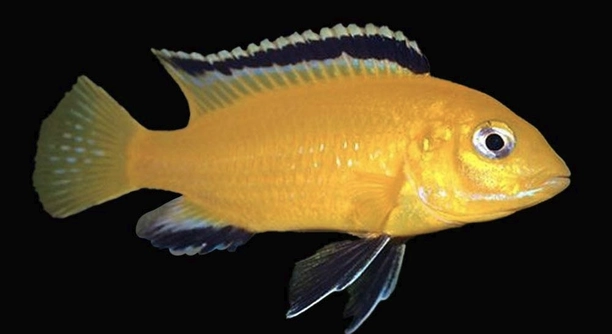
Same-gender cichlids often show subtle disagreements that may not be obvious at first glance. These behaviors can range from small gestures to minor skirmishes, quietly shaping the social structure within their aquarium environment.
Observing cichlids closely reveals that these disputes often involve territory, hierarchy, or resource access. Males and females exhibit specific behaviors such as fin flaring, chasing, or displacement to assert dominance and maintain social balance without overt aggression.
Understanding these subtle cues can help you maintain a harmonious tank and ensure the well-being of all your cichlids.
Fin Flaring and Posturing
When same-gender cichlids flare their fins, it is often a display of dominance or territorial assertion. This behavior involves spreading their fins wide, making themselves appear larger to discourage rivals. Fin flaring may be accompanied by lateral displays, where the fish positions its body sideways to appear more intimidating. Such gestures usually prevent direct confrontation, helping maintain order in the tank. Observing these behaviors helps you understand which fish hold higher status. Over time, these displays often reduce as the hierarchy becomes clearer. Ignoring fin flaring can sometimes escalate minor tension into chasing or nipping.
This signaling is mostly non-violent but still indicates tension among your cichlids and should be monitored regularly.
Consistently witnessing fin flaring among the same fish indicates a stable pecking order. However, sudden increases may signal resource competition, overcrowding, or changes in the environment. Providing sufficient hiding spots and space can reduce stress and prevent escalation. Regular observation allows you to identify patterns and intervene if disputes become excessive, ensuring all fish can coexist peacefully and exhibit natural behaviors without harm.
Chasing and Displacement
Chasing is a clear sign of dominance disputes among same-gender cichlids.
Repeated chasing can lead to stress and fatigue, affecting overall health. Ensuring adequate space and visual barriers reduces conflict and allows less dominant fish to retreat safely, maintaining a balanced tank environment.
Territorial Nudging
Territorial nudging occurs when a cichlid pushes another fish gently to assert ownership of a specific area.
This behavior often involves nudging with the snout or body along tank decorations, substrate, or rocks. It is more common among males defending prime spots but can also be seen in females guarding nesting areas. While the nudges are usually gentle, repeated nudging can create tension and force less dominant fish to move away, helping establish clear boundaries. Recognizing these signs early helps prevent unnecessary stress and allows you to rearrange tank structures if needed.
Territorial nudging is subtle but significant. It often goes unnoticed until the fish being nudged shows signs of stress, such as hiding or reduced activity. Providing multiple territories and hiding spaces reduces competition, allowing fish to claim smaller areas without conflict. Observing patterns of nudging gives insight into each fish’s preferred spots, helping maintain balance. A well-structured tank reduces the intensity of nudges and promotes a calmer environment for all cichlids.
Subtle Color Changes
Color shifts are a quiet form of communication among same-gender cichlids.
These changes often indicate mood, stress, or dominance status. Fish may darken when threatened or lighten when submissive, signaling intentions without physical confrontation. Subtle shifts help maintain hierarchy while reducing direct aggression. Regular monitoring allows you to notice stress levels early.
Color changes can also reflect environmental conditions, such as lighting, water quality, or diet. Dominant fish may display brighter or more intense colors to assert their status, while subordinate fish adopt muted tones. Understanding these patterns helps in identifying which fish are under pressure and which are asserting control. Adjusting tank layout, providing hiding spots, and ensuring balanced nutrition support healthier interactions and maintain social stability. Color monitoring becomes an effective tool to prevent disputes from escalating into more aggressive behavior, keeping the tank peaceful.
Nipping at Fins
Nipping at fins is a minor form of aggression that cichlids use to test boundaries. It usually occurs during movement near another fish’s territory or favorite hiding spot.
While often brief, repeated nips can cause stress or minor injury. Monitoring which fish nip helps identify tensions and prevent escalation.
Shadowing Behavior
Shadowing involves one cichlid following another closely, often mirroring movements. This behavior asserts dominance or monitors potential rivals. Persistent shadowing may indicate unresolved social hierarchy issues or competition for territory and resources. Observing these interactions helps you understand social dynamics and allows intervention if stress becomes excessive.
Submissive Retreats
Submissive retreats happen when a fish quickly swims away from a dominant counterpart. This reaction signals acknowledgment of hierarchy and prevents fights.
How can I tell if my cichlids are having subtle disputes?
Subtle disputes are often visible through body language rather than direct fighting. Watch for behaviors like fin flaring, nudging, chasing, or shadowing. Color changes can also indicate stress or dominance shifts. Fish that frequently retreat or hide may be experiencing tension from more dominant tankmates. Observing your cichlids regularly helps you recognize normal social interactions versus concerning disputes.
Are all cichlid species prone to same-gender disputes?
Most cichlid species exhibit some form of intraspecific conflict, but intensity varies. African cichlids, especially Mbunas, are known for strong territorial instincts, while South American cichlids often show more subdued displays. Even within a single species, individual temperament and tank dynamics influence how often disputes occur. Species that are more aggressive or territorial by nature will display more frequent nudging, chasing, or fin flaring.
Can tank size affect these disputes?
Yes, overcrowding often amplifies tensions. A small tank leaves little space for fish to establish separate territories, increasing nudging, chasing, and stress. Larger tanks with hiding spots reduce conflict by allowing fish to retreat and claim areas without constant confrontation. Adding plants, rocks, and dividers helps diffuse aggression, giving each fish a sense of ownership.
How do color changes relate to disputes?
Cichlids use subtle color shifts to communicate mood and social status. Darkening often signals stress or submission, while brighter, more intense colors indicate dominance. Monitoring these changes can provide early warning signs of rising tension before it escalates into chasing or nipping. Understanding color cues allows you to make adjustments to the tank environment or hierarchy management.
Is fin nipping dangerous?
Occasional fin nips are usually harmless, serving as reminders of social boundaries. However, repeated or aggressive nipping can damage fins and cause stress or secondary infections. Identifying which fish are involved and providing additional space or hiding spots can reduce the frequency and severity of nipping. Keeping water quality high also helps fish recover more quickly from minor injuries.
What can I do if one fish is constantly dominant?
Consistent dominance can create stress for other fish. Introducing more hiding spaces, rearranging tank decorations, or slightly increasing tank size can help balance control. In some cases, temporarily isolating the dominant fish or creating visual barriers allows less dominant fish to regain confidence. Maintaining a structured environment reduces conflict and supports a healthier hierarchy.
Are there ways to prevent subtle disputes from escalating?
Yes, proactive measures help minimize tension. Ensure there is enough space, hiding spots, and territory markers for each fish. Monitor social interactions and adjust tank layout if certain behaviors become frequent. Maintaining stable water conditions and proper feeding routines also reduces stress, helping fish coexist peacefully.
Do male and female cichlids dispute differently?
Males tend to display more overt territorial behaviors, such as chasing and fin flaring. Females may show subtler signs, like nudging or color shifts, especially during nesting periods. Both genders establish hierarchies, but the intensity and visibility of disputes usually differ, making observation essential to understanding the social dynamics of your tank.
Can diet influence cichlid behavior?
Nutrition affects energy levels and aggression. Well-fed cichlids are generally less irritable, while underfed fish may compete aggressively for food. Offering balanced meals and feeding in multiple locations reduces competition and minimizes disputes. Regular feeding schedules also create predictability, which helps fish feel secure and less likely to act out.
How long do these subtle disputes typically last?
Many disputes are brief, resolving within minutes once hierarchy is established. However, ongoing tensions can persist if space, resources, or environmental stressors are limited. Consistent observation and adjustments to tank setup help prevent minor disputes from becoming chronic stressors, ensuring all fish remain healthy and active.
Is it necessary to intervene in all disputes?
Not all disputes require intervention. Subtle displays like fin flaring or shadowing are natural and often maintain balance. Intervention is only needed if behaviors escalate into frequent chasing, nipping, or stress that affects health. Monitoring patterns helps determine when changes to the tank environment are necessary.
Can adding more fish reduce disputes?
Sometimes adding more fish spreads aggression across multiple targets, reducing pressure on any single fish. However, this only works if the tank has sufficient space and hiding areas. Overcrowding can worsen disputes, so careful planning is essential. Gradual introductions and monitoring behavior are key to maintaining balance.
Do environmental changes affect subtle disputes?
Yes, changes in water temperature, lighting, or tank layout can trigger increased disputes. Fish may become territorial or stressed if their routine is disrupted. Introducing changes gradually and providing hiding spaces helps fish adapt without escalating aggression, keeping interactions calm and predictable.
What role does observation play in managing disputes?
Regular observation allows early detection of stress, aggression, and hierarchy shifts. Noticing patterns helps you make adjustments to tank layout, feeding, or territory boundaries before conflicts escalate. Being attentive ensures a healthier and more peaceful environment for all cichlids.
Are disputes more common in newly introduced fish?
Yes, new fish often trigger temporary disputes as hierarchies are established. Initial fin flaring, chasing, or nudging is expected. Providing adequate space and hiding spots helps reduce stress and accelerates the process of social balance, allowing all fish to settle comfortably.
How do hiding spots help reduce disputes?
Hiding spots give subordinate fish places to retreat safely, preventing constant harassment. Rocks, plants, and caves create natural boundaries, reducing competition over territory. Adequate hiding areas also allow fish to regulate their exposure to dominant tankmates, lowering stress and preventing escalation.
Can stress from disputes affect fish health?
Yes, chronic stress can suppress the immune system, reduce appetite, and make fish more prone to disease. Maintaining space, stable water conditions, and clear hierarchies helps minimize stress and supports overall health, ensuring cichlids thrive in a balanced environment.
Are some fish naturally more tolerant of disputes?
Individual temperament matters. Some cichlids are naturally more submissive or tolerant, while others are assertive. Recognizing these traits helps in arranging tankmates and territories to reduce conflict, ensuring coexistence without excessive stress.
Do disputes decrease over time?
Typically, disputes lessen as hierarchies stabilize. Once dominance and territory are established, fin flaring, nudging, and chasing become less frequent. Consistent monitoring ensures that any new tension is addressed promptly, maintaining a calm environment for all cichlids.
Final Thoughts
Managing same-gender cichlids requires attention to both visible and subtle behaviors. While some disputes are obvious, such as chasing or nipping, many conflicts are quieter, like fin flaring, nudging, or shadowing. These subtle signals play an important role in establishing hierarchy and territory within the tank. Observing your fish closely allows you to distinguish normal social behavior from signs of stress or imbalance. Recognizing early warning signs helps prevent minor tensions from escalating into serious aggression, which can harm fish health and tank harmony. Paying attention to these interactions ensures that all cichlids have the space and security they need to thrive.
Providing a well-structured environment significantly reduces disputes and supports the social structure of your cichlids. Hiding spots, decorations, and adequate swimming space allow subordinate fish to retreat safely and dominant fish to maintain territories without constant confrontation. Balanced feeding practices and regular maintenance of water quality also contribute to calmer behavior and less competition. Even minor changes in the tank, like rearranging rocks or adding plants, can influence interactions and reduce tension. Monitoring color changes, activity levels, and behavior patterns offers a clear picture of how your fish are adapting to their environment. By responding proactively, you maintain stability and ensure that subtle disputes do not impact the overall health of the tank.
Understanding cichlid behavior takes time, patience, and careful observation. Each fish has its personality, and subtle disputes are a natural part of their social system. Rather than seeing these interactions as purely negative, recognizing them as communication tools helps you manage the aquarium more effectively. Establishing a peaceful and balanced tank benefits all inhabitants, allowing them to display natural behaviors while minimizing stress. Over time, as hierarchies settle and territories are respected, disputes become less frequent. Attentive care, structured environments, and ongoing observation provide the best foundation for a harmonious aquarium, supporting both the well-being of your cichlids and your enjoyment of their vibrant, dynamic community.

Hello,
If you enjoy the content that we create, please consider saying a "Thank You!" by leaving a tip.
Every little bit helps us continue crafting quality advice that supports the health, happiness, and well-being of pets around the world, for pets of all shapes, sizes, and species.
We really appreciate the kindness and support that you show us!