
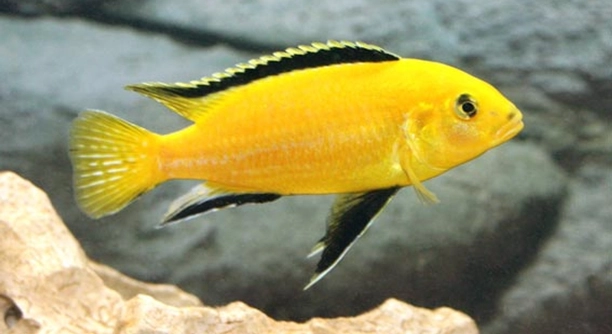
During mating seasons, many animals change their behavior in noticeable ways. From subtle movements to bold displays, these shifts are part of nature’s rhythm. Observing these behaviors can reveal fascinating insights about survival and reproduction patterns.
Animals exhibit distinct behaviors during mating seasons, including changes in communication, aggression levels, territorial displays, courtship rituals, feeding habits, social interactions, and movement patterns. These adaptations are crucial for attracting mates and ensuring reproductive success in various species.
Recognizing these behaviors can deepen our understanding of animal life and how instinct drives their actions during crucial periods.
Increased Aggression
During mating seasons, many animals show heightened aggression. This behavior often emerges as males compete for mates or defend territories. Even normally calm creatures may display growls, chases, or more forceful posturing. Aggression can also be subtle, like stiff body language or prolonged staring, signaling dominance without physical confrontation. In some bird species, males engage in aerial displays or physical skirmishes to prove their strength. Similarly, mammals such as deer and elk may lock antlers, establishing hierarchy. Aggression ensures that only the strongest or most dominant individuals have access to mates, increasing the chances of producing healthy offspring. Observing these changes can reveal patterns in behavior that are critical for survival and reproduction. This heightened intensity usually lasts for the duration of the mating season, gradually decreasing once reproductive opportunities are secured, though some territorial behaviors may linger to protect resources or offspring.
These aggressive tendencies are natural and often predictable, tied directly to reproductive cycles and survival instincts.
Recognizing increased aggression helps in safely observing animals. It explains why some creatures may act uncharacteristically and provides insight into mating priorities and competition strategies, highlighting the connection between behavior and reproduction.
Courtship Displays
Courtship displays vary widely among species, showcasing physical abilities, colors, or unique sounds.
These behaviors are designed to attract mates, signal fertility, and demonstrate fitness. Displays can include elaborate dances, vocalizations, nest-building, or grooming rituals, each tailored to species-specific preferences. Males often invest significant energy into these displays to capture attention, while females observe and choose partners based on performance and health indicators. In some fish and bird species, bright colors or intricate patterns play a critical role, while mammals may use scent marking or vocal calls. Courtship ensures that mating occurs between compatible and genetically strong individuals, optimizing the chances of survival for future generations.
Courtship behaviors require careful observation to understand fully. They highlight the creativity and complexity in animal mating strategies, emphasizing the importance of appearance, strength, and persistence in successful reproduction.
Territorial Behavior
During mating seasons, many animals defend specific areas fiercely. These territories often contain resources like food, shelter, or potential mates.
Territorial behavior can include marking boundaries with scent, vocal signals, or visual displays. Animals patrol their areas constantly, chasing intruders and asserting dominance. Males are usually more territorial, but females may also defend nesting or feeding sites. Boundaries can shift as resources change, but during peak mating times, territories are tightly guarded. In some species, conflicts are resolved with displays rather than fights, reducing risk of injury while maintaining control over the area.
Understanding territorial behavior helps explain why animals suddenly become more visible or active. These actions are essential for reproductive success, allowing individuals to protect resources and attract mates while minimizing unnecessary physical conflict during the mating period.
Vocalizations and Calls
Animals often increase vocal activity during mating seasons to communicate readiness and attract partners. Calls vary in tone, length, and frequency.
Vocalizations serve multiple purposes, from signaling availability to warning competitors. Birds may sing elaborate songs, while mammals use howls, roars, or growls. Some calls convey strength or stamina, influencing mate selection. In aquatic species, sounds can travel long distances, ensuring messages reach multiple potential mates. Vocal activity often peaks at specific times of day, coordinated with reproductive cycles. Observing these patterns provides insight into communication methods and social hierarchies within species.
These calls are not random; they reflect instinctive strategies to maximize reproductive success. Each sound carries information about health, territory, and readiness, allowing animals to interact efficiently. By paying attention, it becomes clear how communication plays a vital role in mating dynamics.
Increased Activity
During mating seasons, many animals become more active than usual. They may travel longer distances, explore new areas, or spend more time searching for mates.
This increase in movement helps them locate partners and establish territories. It also exposes them to new risks, but reproductive success outweighs the dangers during this period.
Scent Marking
Animals frequently use scent to communicate reproductive readiness. They leave chemical signals on objects, trees, or the ground to indicate presence and attract mates. Scent marking can also serve as a warning to competitors, signaling dominance or territory ownership.
Nest-Building or Preparation
Some species dedicate significant effort to building nests or preparing breeding sites during mating seasons. These structures are used to attract mates, protect eggs, or provide shelter for offspring. Nest-building can involve arranging materials, selecting optimal locations, and demonstrating skills or strength to potential partners.
Feeding Changes
Feeding habits often shift during mating periods. Some animals eat more to gain energy, while others reduce intake to stay mobile or focus on mating efforts.
FAQ
Why do animals become more aggressive during mating seasons?
Animals often increase aggression to secure mates and defend territories. Competing for limited reproductive opportunities requires asserting dominance. Males may challenge rivals through displays or physical contests, while females might protect nesting or feeding areas. These behaviors maximize chances of reproductive success and passing on strong genes.
How do courtship displays affect mating success?
Courtship displays signal health, strength, and genetic fitness to potential mates. Elaborate dances, vocalizations, bright colors, or nest-building can indicate an individual’s ability to survive and provide for offspring. Successful displays attract attention and increase the likelihood of mating with high-quality partners.
Do all animals use vocalizations during mating seasons?
Not all animals rely on vocalizations, but many do. Birds, frogs, and mammals often use sounds to communicate readiness, defend territories, or attract mates. Vocalizations can convey information about size, stamina, or health, influencing mate selection and competitive interactions.
Why is territorial behavior important?
Territorial behavior ensures access to essential resources like food, shelter, and mates. By marking and defending areas, animals reduce competition and protect their offspring. It also helps maintain social hierarchies and minimizes unnecessary physical conflict during the mating season.
How do feeding habits change during mating seasons?
Feeding patterns often shift to support increased energy demands or reproductive behaviors. Some animals eat more to fuel courtship displays and aggressive activities, while others reduce feeding to remain mobile or focus on mating. These adjustments help balance survival and reproductive needs.
Why do some animals build nests or prepare breeding sites?
Nest-building or site preparation demonstrates fitness and provides a safe environment for offspring. Mates are attracted to individuals who can construct secure and suitable shelters. This behavior also protects eggs or young from predators and environmental hazards, increasing survival rates.
Are scent markings always related to attracting mates?
Scent marking can signal reproductive readiness, but it also communicates territorial boundaries and social status. Animals use chemical cues to warn rivals, maintain hierarchy, or convey information about identity, health, and fertility. These markings play a vital role in mating strategies and competition.
Do animals show these behaviors year-round or only during mating seasons?
Many of these behaviors intensify during mating seasons. While some actions, like vocalizations or territoriality, may occur year-round, their frequency and intensity usually increase when reproduction is possible. Seasonal changes, hormonal shifts, and environmental cues trigger these adaptations.
How do these behaviors affect animal observation?
During mating seasons, animals become more visible, active, and interactive. Understanding aggression, courtship, and territory helps observers anticipate behavior. Recognizing patterns reduces risk and enhances insight into reproductive strategies and social dynamics across species.
Can understanding these behaviors help in wildlife conservation?
Yes. Recognizing mating behaviors aids habitat protection, population management, and species recovery efforts. Knowledge of reproduction, territory, and social interactions helps design interventions that support natural cycles and promote healthy, sustainable populations.
Do these behaviors vary widely between species?
Yes. Each species adapts differently based on ecological niche, reproductive strategies, and social structures. While some behaviors, like aggression or vocalizations, are common, the intensity, form, and timing differ, reflecting evolutionary pressures and environmental needs.
How can humans observe these behaviors safely?
Observing from a distance, minimizing interference, and avoiding nesting or territorial areas ensures safety for both humans and animals. Using binoculars, cameras, or designated observation points allows monitoring without altering natural behaviors or causing stress.
Why is understanding mating season behavior important for pet owners?
Even domestic animals display seasonal behavioral changes. Awareness of increased aggression, vocalization, or territoriality helps owners manage interactions, provide appropriate spaces, and ensure safety for pets and people alike.
Do these behaviors indicate overall animal health?
Yes. Active courtship, effective territory defense, and proper feeding often signal healthy individuals. Weak or absent behaviors may indicate illness, stress, or environmental problems, providing insight into the wellbeing of populations.
Can mating season behaviors impact ecosystems?
Absolutely. Increased movement, territorial fights, and reproductive activities affect resource distribution, predator-prey dynamics, and population structures. These behaviors influence not just individual species but also broader ecological interactions, shaping the balance of habitats.
Mating season brings a noticeable shift in animal behavior, affecting nearly every aspect of their daily lives. Aggression, territoriality, vocalizations, and courtship displays are all part of natural strategies to attract mates and secure reproductive success. Observing these behaviors helps us understand how animals interact with one another and their environments. While some behaviors, like increased movement or vocal activity, may seem chaotic, they follow predictable patterns tied to reproductive cycles. These changes are not random; they are essential adaptations that ensure survival and continuation of species. Understanding them provides insight into the instincts and priorities that govern animal behavior during this critical period.
Changes in feeding habits, nest-building, and scent marking are also key indicators of mating readiness. Animals adjust their energy expenditure, diet, and activity levels to meet the demands of reproduction. Territorial disputes and displays of dominance help reduce competition and establish social hierarchies, allowing individuals to maximize their chances of successful mating. Courtship behaviors, ranging from physical displays to vocal signals, communicate health, vitality, and suitability to potential partners. These actions reveal how much effort animals invest in ensuring their genetic legacy, and observing them allows for a deeper appreciation of the complex interactions and decisions animals make in the wild.
Being aware of these behaviors has practical benefits beyond observation. For researchers, it provides critical information for conservation efforts, population management, and habitat protection. For pet owners, it explains changes in domestic animals, such as increased vocalization, aggression, or restlessness, helping them respond appropriately. In every case, understanding mating season behaviors emphasizes the connection between instinct, environment, and survival. It highlights how animals balance energy, safety, and reproductive needs. Recognizing these patterns allows humans to better coexist with wildlife, protect species, and gain a fuller appreciation for the natural processes that shape animal life.

Hello,
If you enjoy the content that we create, please consider saying a "Thank You!" by leaving a tip.
Every little bit helps us continue crafting quality advice that supports the health, happiness, and well-being of pets around the world, for pets of all shapes, sizes, and species.
We really appreciate the kindness and support that you show us!