
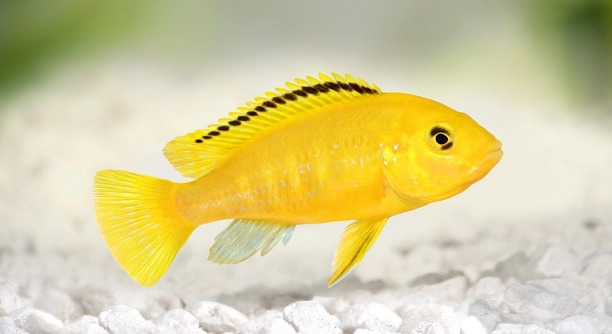
Electric Yellow Cichlids are vibrant, energetic fish that brighten any aquarium. However, they can become easily stressed by changes in their environment, affecting their behavior and overall health. Recognizing these stressors is key for keeping them calm and healthy.
Electric Yellow Cichlids avoid sudden movements, aggressive tank mates, poor water quality, overfeeding, overcrowding, loud noises, and drastic temperature changes when stressed. Maintaining a stable and clean environment supports their well-being and reduces anxiety effectively.
By understanding what these fish shy away from, you can create a peaceful and harmonious aquarium environment. Their comfort directly influences their activity, color, and overall health.
Sudden Movements
Electric Yellow Cichlids are sensitive to sudden movements in their tank. Quick motions, whether from your hands, decorations shifting, or objects near the aquarium, can startle them. This stress often causes them to hide, lose color, or become less active. Over time, constant startling can weaken their immune system and make them more susceptible to illness. Keeping the tank area calm and moving slowly around the aquarium helps them feel secure. Even small gestures, like adjusting plants or feeding, should be done with care. Consistency in movement and a stable environment prevent unnecessary stress. Observing their behavior can help you recognize triggers and adjust your routine. Gentle handling, avoiding tapping on the glass, and using long tools for maintenance ensures they remain relaxed. A peaceful environment allows them to display natural behavior and vibrant coloration. Reducing sudden disturbances benefits their mental and physical health, making them more confident swimmers and improving tank harmony.
Sudden movements can trigger fear responses in Electric Yellow Cichlids. Calm and slow interactions help maintain their stability and comfort.
Preventing stress from rapid motions is essential. Maintaining predictable routines and handling the aquarium carefully supports their overall health. Regular monitoring ensures they remain comfortable and active, allowing them to thrive in their habitat.
Aggressive Tank Mates
Electric Yellow Cichlids avoid aggressive tank mates that may intimidate or harass them. Conflicts can lead to injuries, stress, and reduced activity. Careful selection of compatible species ensures a peaceful tank environment, where all fish coexist without constant threats.
Introducing non-aggressive species and observing interactions helps maintain harmony. Providing hiding spaces and adequate territory reduces tension, giving each fish room to feel safe.
Aggressive behavior in a shared tank creates a constant state of stress for Electric Yellow Cichlids. They may retreat, hide, or lose appetite, affecting their growth and coloration. Ensuring tank mates are compatible in temperament and size is crucial. Providing sufficient space, multiple hiding spots, and visual barriers helps prevent confrontations. Even subtle displays of dominance or chasing can elevate stress levels. Monitoring daily behavior allows early intervention, whether by separating fish temporarily or adjusting territories within the tank. A calm community supports natural activity, social interactions, and overall health. Managing tank composition with thoughtful planning ensures each fish can thrive without intimidation, making the aquarium a stable and comfortable environment.
Poor Water Quality
Electric Yellow Cichlids are highly sensitive to water conditions. Dirty or improperly balanced water can cause stress, illness, and weakened immune systems. Regular testing and maintenance are essential to keep them healthy.
Maintaining clean water involves routine water changes, monitoring pH, ammonia, nitrite, and nitrate levels, and using a reliable filtration system. Uneven water parameters can lead to lethargy, color fading, and susceptibility to disease. Providing a stable environment mimics their natural habitat and reduces stress. Paying attention to temperature consistency and avoiding sudden changes also supports their well-being. Clean tanks encourage natural behavior and make fish more active and vibrant, which is important for their long-term health and visual appeal.
Stress caused by poor water quality can be subtle but serious. Electric Yellow Cichlids may hide, reduce feeding, or develop unusual behavior. Even minor fluctuations in chemistry can disrupt their comfort. Observing their response to water changes and adjusting maintenance routines ensures they remain calm. Using high-quality filtration and monitoring systems simplifies care, allowing you to focus on providing a stable, thriving environment. Regular observation combined with proper tank upkeep promotes healthy growth, bright coloration, and active swimming patterns.
Overfeeding
Overfeeding is a common issue that stresses Electric Yellow Cichlids. Excess food can foul the water, leading to poor health and reduced activity.
Feeding too frequently or providing more than they can consume causes uneaten food to decay, raising ammonia and nitrate levels. This impacts water quality, which in turn stresses fish and encourages disease. Maintaining portion control and feeding on a consistent schedule prevents overfeeding problems. Using measured amounts and observing how much they eat helps maintain balance. Overfed fish may become overweight, sluggish, or prone to swim bladder issues. Feeding small, controlled portions ensures they receive proper nutrition without compromising tank conditions. Proper feeding supports digestion, energy, and overall vitality, helping them maintain vibrant colors and natural behavior.
Electric Yellow Cichlids rely on routine feeding to stay healthy. Avoiding excessive food ensures the tank remains clean and water chemistry stable. Structured feeding habits prevent stress-related issues and promote overall longevity. Careful observation of their appetite and response to food allows adjustments that maintain their energy and bright appearance. Implementing measured feeding practices protects the aquarium’s ecosystem and supports the fish’s physical and mental well-being. Consistency in feeding schedules is a simple yet effective method to reduce stress and enhance overall fish health.
Overcrowding
Electric Yellow Cichlids avoid overcrowded tanks as it increases stress and aggression. Too many fish in a limited space can lead to constant chasing, hiding, and reduced growth. Proper stocking levels are essential for their comfort and well-being.
Overcrowding limits swimming space and prevents natural behavior. Fish may compete aggressively for territory, food, and hiding spots. This environment elevates stress, weakens immunity, and can cause injuries. Providing adequate space, multiple shelters, and managing population carefully ensures a balanced, peaceful aquarium where each fish can thrive and display vibrant colors.
Loud Noises
Electric Yellow Cichlids are sensitive to loud noises near their tank. Sudden sounds from household appliances or banging on the glass can startle them, triggering stress responses. Maintaining a quieter environment helps them feel safe and remain active.
Drastic Temperature Changes
Rapid fluctuations in water temperature cause stress for Electric Yellow Cichlids. Sudden drops or spikes can disrupt metabolism, weaken immunity, and reduce activity levels. Stable, consistent temperatures are essential for their health and comfort.
Stress Indicators
Signs of stress in Electric Yellow Cichlids include hiding, faded colors, loss of appetite, and unusual swimming patterns. Observing these indicators early helps prevent serious health problems and maintains overall well-being.
FAQ
How can I tell if my Electric Yellow Cichlid is stressed?
Stress in Electric Yellow Cichlids is often visible through behavior changes. Common signs include hiding frequently, reduced activity, faded or dull coloration, and loss of appetite. Some fish may also display erratic swimming or aggression toward tank mates. Monitoring their daily behavior closely helps identify stress early. Early detection allows adjustments in the tank environment, feeding routine, or social setup to prevent prolonged stress and potential health problems.
What water conditions are best for Electric Yellow Cichlids?
These cichlids thrive in stable water with a temperature between 74°F and 80°F and a pH around 7.8 to 8.6. Ammonia and nitrite should always remain at zero, while nitrate should be kept low. Regular water testing and partial water changes maintain these conditions, reducing stress. Using a reliable filtration system and avoiding sudden changes in water parameters also helps them feel secure. A clean, stable environment promotes natural behavior and vibrant coloration.
How often should I feed my Electric Yellow Cichlids?
Feeding once or twice a day with measured portions is ideal. Overfeeding can pollute the water and stress fish, while underfeeding affects growth and energy. Observing how much your cichlids eat in a few minutes ensures proper portions. Using high-quality pellets or flakes designed for cichlids provides balanced nutrition. Supplementing with occasional frozen or live foods supports health and adds variety. Consistent feeding routines also create a sense of stability in their environment, reducing stress levels.
Can tank decorations affect stress levels?
Yes, tank decorations play a major role in reducing stress. Providing hiding spots such as rocks, caves, and plants helps cichlids feel safe. Open swimming areas are also important, as overcrowding with decor can limit movement and increase tension. Arranging the tank thoughtfully ensures each fish has a territory and reduces aggression. Decorations that are stable and won’t shift during maintenance also prevent sudden disturbances that may startle the fish. A well-planned environment supports natural behavior and a calmer temperament.
Are certain tank mates better for Electric Yellow Cichlids?
Electric Yellow Cichlids do best with non-aggressive, similarly sized species. Avoid pairing them with overly territorial or much smaller fish that could be bullied. Compatible tank mates reduce competition and stress, allowing them to swim confidently and display natural colors. Observing initial interactions is essential, as even compatible species can occasionally clash. Providing enough space and hiding areas further supports harmony, making cohabitation smoother and reducing the risk of injuries or constant stress.
What should I do if my cichlid shows signs of stress?
First, check water quality, temperature, and tank conditions. Ensure feeding routines are consistent and that overcrowding or aggressive tank mates are not causing tension. Adding additional hiding spots or rearranging territory boundaries can help. Observing behavior closely after adjustments allows you to see improvements. In some cases, temporarily isolating a stressed fish may reduce aggression and provide a calm environment. Addressing stress promptly helps prevent long-term health issues, allowing your cichlids to regain normal activity and coloration.
Do noise and household activity affect my fish?
Yes, loud noises from appliances, music, or frequent tapping on the glass can stress Electric Yellow Cichlids. Keeping the tank in a quieter area of the home and avoiding sudden disruptions creates a more stable environment. Noise reduction and calm handling make them feel secure and encourage natural swimming and social behavior.
How important is regular observation for preventing stress?
Daily observation is crucial. Watching feeding habits, swimming patterns, and color changes allows early identification of stressors. Regular monitoring ensures timely intervention, whether through water changes, tank rearrangement, or adjusting social dynamics. Consistent care prevents small issues from becoming serious problems. Over time, observation helps understand your fish’s normal behavior and ensures a stable, stress-free environment.
Can temperature fluctuations cause long-term problems?
Yes, repeated temperature changes weaken the immune system, reduce appetite, and may trigger disease. Maintaining a heater with a reliable thermostat and monitoring water temperature prevents harmful fluctuations. Gradual adjustments during seasonal changes reduce stress, allowing the fish to remain active, healthy, and vibrant in color.
Is overcrowding a common stress factor?
Overcrowding significantly increases stress by causing territorial disputes and limiting swimming space. Ensuring proper stocking levels, providing multiple hiding spots, and avoiding too many fish in a single tank reduces aggression and allows natural behavior. Monitoring interactions and adjusting populations when necessary helps maintain a peaceful, stable environment.
How long does it take for a stressed Electric Yellow Cichlid to recover?
Recovery time depends on the stress level and environmental adjustments. Minor stress may resolve in a few days, while prolonged exposure to poor conditions can take weeks. Consistent care, clean water, proper feeding, and a calm environment accelerate recovery. Observing behavior and coloration helps track progress and ensure full well-being.
Can diet affect stress levels?
Yes, a balanced diet is essential. High-quality pellets, flakes, and occasional live or frozen foods provide necessary nutrients and reduce stress-related weakness. Avoid overfeeding, as decaying food harms water quality. Proper nutrition supports immune function, energy, and vibrant colors, keeping Electric Yellow Cichlids healthy and calm.
Are hiding spots really necessary?
Hiding spots are crucial. Electric Yellow Cichlids need places to retreat when stressed or establishing territory. Rocks, caves, and plants provide security and reduce aggressive interactions. Lack of shelters increases stress, while well-placed hiding areas encourage natural behavior and improve overall health.
How can I reduce stress from aggressive tank mates?
Separating aggressive fish, providing additional hiding spaces, and maintaining enough territory for each fish helps reduce tension. Careful selection of compatible species during tank setup also prevents conflicts. Regular observation ensures aggression doesn’t escalate, keeping all fish comfortable and healthy.
Does water pH stability really matter?
Yes, sudden changes in pH can stress Electric Yellow Cichlids, affecting their metabolism and overall health. Maintaining stable pH through monitoring and proper water treatments ensures a comfortable, low-stress environment. Gradual adjustments are key if changes are necessary.
Are there seasonal considerations for stress management?
Temperature fluctuations during seasonal changes can trigger stress. Using a reliable heater and monitoring environmental conditions helps maintain stability. Seasonal adjustments in lighting, feeding, and water care also prevent unnecessary stress, allowing fish to thrive year-round.
What role does tank size play in stress prevention?
Adequate tank size is essential for swimming space, territorial boundaries, and comfort. Smaller tanks increase competition and aggression, while larger tanks provide room to establish territories and reduce tension. Proper sizing promotes natural behavior and reduces stress-related problems.
How do I know if hiding behavior is stress or normal?
Short periods of hiding after disturbances are normal, but constant retreating, loss of appetite, and faded color indicate stress. Tracking patterns and context helps differentiate normal behavior from stress-related issues. Addressing underlying causes supports recovery and well-being.
Can adding plants reduce stress?
Yes, live or artificial plants provide cover, reduce open space anxiety, and simulate a natural habitat. They also help divide territories, reducing conflicts. Strategic placement of plants enhances comfort and encourages exploration while minimizing stress.
Is tank maintenance stressful for Electric Yellow Cichlids?
Improper or sudden maintenance can startle fish. Performing water changes, cleaning, or rearranging decorations slowly, with minimal disruption, reduces stress. Planning tasks and using long tools or gentle movements ensures fish remain calm.
Does lighting affect stress levels?
Bright or flickering lights can make Electric Yellow Cichlids anxious. Gradual lighting changes and a consistent day-night cycle support natural rhythms and reduce stress, encouraging normal swimming and feeding behavior.
How do I address multiple stress factors at once?
Identify all potential stressors—water quality, tank mates, feeding, noise, and space. Adjust each factor methodically, observing fish responses. Gradual improvements prevent overwhelming changes and allow Electric Yellow Cichlids to recover more effectively, restoring color, activity, and overall health.
Can medication help with stress?
Medication is usually only necessary if stress leads to illness. Addressing environmental causes first is more effective. Medications for disease treatment should be used carefully and according to instructions, while long-term stress prevention relies on proper care and tank management.
What is the most important factor in preventing stress?
Consistency in water quality, feeding, tank mates, temperature, and handling forms the foundation of a stress-free environment. Predictable routines and careful observation help Electric Yellow Cichlids thrive, display vibrant colors, and maintain overall health and happiness.
Electric Yellow Cichlids are vibrant and lively fish, but they are also highly sensitive to changes in their environment. Understanding what causes stress and how to prevent it is essential for maintaining their health and well-being. These fish avoid sudden movements, aggressive tank mates, poor water quality, overfeeding, overcrowding, loud noises, and drastic temperature changes. Each of these factors can trigger stress, affecting their behavior, coloration, and appetite. Observing your cichlids daily helps you notice even small signs of stress, such as hiding, reduced activity, or dull colors. Early detection allows you to make adjustments to the tank environment, feeding routines, or tank mates before issues become serious. Ensuring a stable and consistent environment supports their natural behavior and allows them to thrive.
Maintaining water quality is one of the most important aspects of caring for Electric Yellow Cichlids. Regular water testing, partial water changes, and a reliable filtration system help keep ammonia, nitrite, and nitrate levels under control. Temperature stability is equally important, as sudden drops or increases can stress fish and compromise their immune systems. Providing hiding spaces and adequate swimming areas reduces tension between tank mates and allows each fish to establish territory. Overfeeding and overcrowding should be avoided, as they can create unnecessary stress and affect water quality. Choosing compatible tank mates prevents constant chasing and aggression, creating a more peaceful environment. Simple, consistent routines in feeding, cleaning, and monitoring behavior go a long way in ensuring that cichlids remain healthy, active, and brightly colored.
Stress management is not only about immediate care but also long-term planning. Paying attention to the overall tank setup, including decorations, hiding spots, and lighting, can make a significant difference in how comfortable your fish feel. Gradual changes are always better than sudden ones, whether adjusting temperature, rearranging decor, or introducing new fish. Regular observation, careful feeding, and maintaining clean water conditions build a foundation of stability, allowing Electric Yellow Cichlids to live longer, healthier lives. By understanding their needs and avoiding common stressors, you create an environment where these fish can display natural behavior, vibrant colors, and energy. Consistency, patience, and attention to detail are key to providing a peaceful and thriving aquarium for these beautiful fish.

Hello,
If you enjoy the content that we create, please consider saying a "Thank You!" by leaving a tip.
Every little bit helps us continue crafting quality advice that supports the health, happiness, and well-being of pets around the world, for pets of all shapes, sizes, and species.
We really appreciate the kindness and support that you show us!