
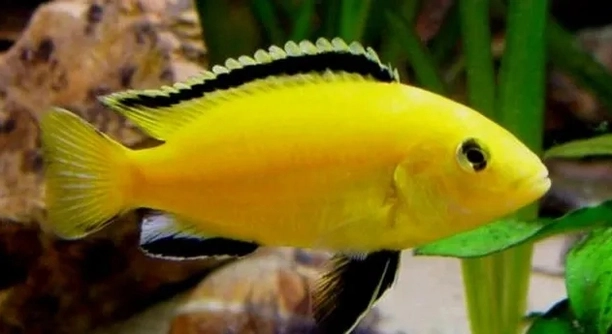
Watching cichlids move gracefully across the tank can be unexpectedly calming. Their colors shift subtly as they explore, and each movement seems deliberate. Observing them without interference reveals patterns that are easy to miss in a busy setting.
Cichlids exhibit clear social hierarchies, territorial behaviors, and specific feeding routines when left undisturbed. Observing these patterns over time allows for insights into their natural instincts, interaction dynamics, and environmental preferences within a controlled aquarium environment.
These observations provide a deeper understanding of cichlid behavior and encourage thoughtful care in maintaining a balanced aquarium environment.
Subtle Social Hierarchies
Cichlids display a clear sense of rank within their groups. The dominant fish often controls prime swimming areas and food access, while the less assertive ones keep to the edges. Observing these interactions helps reveal the natural order and behavior tendencies. Dominant cichlids show bold, confident movements, often inspecting their territory with calm precision. Subordinate fish avoid direct confrontation and maintain a lower profile, frequently retreating to hiding spots or staying near decor for protection. These dynamics can shift slightly as new fish are introduced or environmental changes occur, such as rearranged rocks or altered lighting. Watching these subtle behaviors over several days offers insights into each fish’s temperament and the overall social balance of the tank. Recognizing hierarchy can also improve feeding schedules and placement of decorations, reducing stress and promoting harmony.
Understanding social order ensures a calmer, healthier environment for all the fish in the tank.
Hierarchy affects interactions, feeding patterns, and long-term health in cichlids, highlighting the importance of observation for effective aquarium management.
Feeding Patterns and Timing
Cichlids follow consistent feeding routines. They become alert and active around the same times daily.
Feeding patterns show which fish are dominant and which hesitate. Dominant fish often claim the best spots and eat first, while others wait or nibble at leftovers. Observing these habits can guide portion sizes and prevent overfeeding. Timing meals consistently encourages a natural rhythm and reduces aggressive behavior during feeding sessions.
Tracking these routines also reveals preferences for certain foods. Some cichlids favor flakes, while others prefer pellets or live foods. Offering variety while maintaining a consistent schedule promotes overall health. Watching closely during feeding can help identify fish that might be ill or stressed, as they often lag or avoid the food entirely. Feeding observation can inform adjustments in diet or tank layout, ensuring every fish receives adequate nutrition. Proper attention to feeding routines supports energy levels, growth, and social stability within the aquarium, creating a more harmonious environment for both dominant and shy fish.
Territorial Behavior
Cichlids often claim specific areas of the tank, defending them with quiet intensity. Rocks, plants, and decorations become markers for their boundaries. Territorial disputes are subtle but noticeable, usually involving posture and brief chases. Recognizing these behaviors helps maintain harmony in the tank.
Territoriality influences daily interactions and space usage. Dominant cichlids patrol their areas and push away intruders, while subordinate fish respect these boundaries and seek shelter elsewhere. When new decorations or plants are introduced, territories may shift slightly, prompting temporary skirmishes until the hierarchy stabilizes. Observing these patterns allows for strategic tank arrangements, ensuring each fish has access to preferred hiding spots and feeding areas without constant conflict.
Understanding these dynamics also helps in predicting stress points. Overcrowding or poorly placed decorations can intensify aggression, leading to health issues. Allowing adequate space for each fish reduces tension and supports natural behavior. By carefully monitoring territorial interactions, tank conditions can be adjusted to support both active and shy cichlids, creating a balanced, peaceful environment.
Interaction With Tank Mates
Cichlids interact differently depending on personality and status. Some are bold and social, others cautious and reserved, showing distinct preferences for company. Observing these choices reveals compatibility and stress levels among fish.
Interactions can involve following, mimicking movements, or gentle nudges. Dominant fish may assert authority, while less confident ones stay close to structures or swim in small groups. Watching these patterns over time shows which fish thrive together and which may need extra space. Fish that consistently isolate or appear stressed often indicate mismatched tank mates or environmental challenges. By paying attention to these interactions, adjustments can be made to decorations, hiding spots, or group composition, ensuring every fish feels secure.
Long-term observation highlights behavioral trends that affect feeding, breeding, and overall health. Some cichlids form temporary alliances during feeding or when exploring new areas, while others maintain strict independence. Noting these tendencies helps guide tank management, such as introducing new fish gradually or providing additional shelter. Recognizing and respecting natural social preferences reduces conflict, prevents injury, and encourages active, confident behavior. The more attention paid to these patterns, the smoother life in the aquarium becomes for all cichlids.
Color Changes and Mood
Cichlids often change color based on mood, health, or social interactions. Bright, vivid colors usually indicate confidence or dominance, while duller shades may signal stress or submission. Observing these shifts provides insight into their emotional state.
Color changes can also respond to environmental factors. Lighting, tank decorations, and the presence of other fish can influence how intensely a cichlid displays its colors. Monitoring these variations helps identify stress triggers or health concerns early, allowing adjustments to tank conditions to support their well-being.
Breeding Behavior
Breeding behaviors are often subtle and begin with pairing rituals, territory preparation, and nest building. Cichlids display increased attention to specific areas, cleaning surfaces and guarding them carefully, signaling readiness to spawn.
Resting and Hiding Patterns
Cichlids rest and hide in predictable patterns, often in sheltered areas during inactivity. Recognizing these habits helps ensure their environment meets both security and comfort needs.
FAQ
How do I know if my cichlids are stressed?
Stress in cichlids can appear in several ways. Fish may show dull colors, swim erratically, or hide more than usual. Aggressive behavior or loss of appetite are also indicators. Watching them over time allows for early detection and adjustment of tank conditions.
Why do some cichlids chase others?
Chasing is usually linked to territory or hierarchy. Dominant fish assert control over preferred areas or feeding spots. Subordinate fish typically avoid direct confrontation. Occasional chasing is natural, but constant aggression signals overcrowding or insufficient hiding places. Adjusting tank layout can reduce conflict.
Can cichlids live with other species?
Compatibility depends on temperament and size. Peaceful cichlids may coexist with similarly sized species, while aggressive varieties need careful selection. Providing plenty of space, hiding spots, and visual barriers helps reduce stress and promotes coexistence. Observation is key to maintaining harmony.
How often should I feed my cichlids?
Cichlids thrive on consistent feeding schedules, usually once or twice a day. Portions should be measured to prevent leftover food, which can pollute the water. Offering a mix of flakes, pellets, or live food ensures nutritional balance and supports overall health.
Why do my cichlids hide so much?
Hiding is a natural behavior for protection, especially among shy or subordinate fish. Frequent hiding can also indicate stress, illness, or discomfort in the tank. Ensuring adequate shelters, proper lighting, and stable water conditions encourages healthy hiding behavior without prolonged fear.
Do cichlids need specific tank setups?
Yes, cichlids require tailored environments. Rocks, caves, and plants create territories and hiding spots. Substrate choice matters, especially for species that dig or move objects. Maintaining appropriate temperature, pH, and filtration ensures stability and supports their natural behavior.
How do I tell when cichlids are breeding?
Breeding signs include cleaning surfaces, increased territorial behavior, and color intensification. Pairs often isolate themselves in a chosen area and guard it closely. Observing these behaviors allows careful preparation to protect eggs and fry without unnecessary disturbance.
What should I do if a cichlid becomes aggressive?
Aggression is common but manageable. Rearranging tank decor, adding barriers, or separating aggressive individuals can reduce stress. Monitoring interactions and adjusting group composition helps maintain balance and prevents injury. Understanding natural behavior reduces unnecessary interventions while keeping fish safe.
How long do cichlids live?
Cichlids can live from five to over ten years, depending on species, care, and environment. Proper feeding, regular water changes, and observation of health and social dynamics contribute to longevity, ensuring they remain active and vibrant throughout their lifespan.
Why do cichlids change color suddenly?
Color changes can indicate mood, stress, or environmental response. Dominant fish often show brighter colors, while stress or illness may cause fading. Adjusting tank conditions, reducing stressors, or checking health can restore natural coloration and promote well-being.
Can cichlids recognize each other?
Cichlids show recognition through consistent interactions and social hierarchy. They remember dominant and subordinate roles and may respond differently to familiar versus new fish. Observing these dynamics enhances understanding of their social structure and helps maintain a balanced tank.
What signs indicate illness in cichlids?
Illness may present as lethargy, loss of appetite, abnormal swimming, or visible marks on the body. Early detection through regular observation allows for prompt treatment, water quality checks, and adjustment of care routines to prevent further health decline.
How important is water quality for cichlids?
Water quality is critical. Maintaining stable temperature, pH, and low nitrate levels ensures health and reduces stress. Frequent testing, partial water changes, and proper filtration support a thriving environment where cichlids can display natural behavior and vibrant colors.
How do I encourage natural behavior in my cichlids?
Providing adequate space, hiding spots, varied diets, and environmental enrichment encourages exploration, territoriality, and social interactions. Minimizing disturbances and respecting their routines allows cichlids to express instincts naturally, promoting both mental stimulation and physical health.
Can cichlids coexist with plants?
Many cichlids interact with plants, sometimes uprooting or nibbling them. Choosing hardy species and strategic placement protects both plants and fish. Observation helps adjust arrangements to support natural digging, hiding, and territorial behavior without damaging the tank’s greenery.
How can I tell if a cichlid is dominant?
Dominant cichlids display bold movements, occupy prime areas, and feed first. They often control territories and influence the behavior of others in the tank. Recognizing these traits helps manage social balance and reduces unnecessary conflicts.
Do cichlids need hiding spots at all times?
Yes, hiding spots are essential for both shy and dominant fish. They reduce stress, provide retreat during aggression, and support natural behaviors. A well-planned tank layout with caves, rocks, and plants allows all fish to feel secure and exhibit normal routines.
What is the best way to introduce new cichlids?
Gradual introduction is key. Quarantine new fish, rearrange decorations to disrupt established territories, and monitor interactions closely. Slowly integrating newcomers reduces stress and aggression, helping maintain a harmonious environment while respecting natural social hierarchies.
How do I prevent aggression during feeding?
Feed in multiple locations to avoid crowding and reduce competition. Using a mix of food types and spreading portions evenly ensures all fish receive nutrition, minimizes conflict, and encourages calmer interactions during meal times.
Can cichlids recognize humans?
Cichlids can learn to associate humans with feeding and movement patterns. They may approach the glass during feeding or respond to familiar routines, showing curiosity without stress. Observing these responses can be both informative and engaging.
What is the ideal tank size for cichlids?
Tank size depends on species and group size. Larger tanks reduce aggression, provide space for territories, and support stable water conditions. Adequate room ensures healthy social dynamics, encourages natural behaviors, and prevents overcrowding-related stress.
How often should I clean a cichlid tank?
Regular cleaning and partial water changes are essential. Removing debris, monitoring filtration, and maintaining water chemistry prevent disease and support healthy behavior. Cleaning routines should balance hygiene with minimizing disruption to fish and their established territories.
Are some cichlids more aggressive than others?
Yes, aggression varies by species, individual temperament, and tank conditions. Understanding natural tendencies allows for proper grouping and habitat design. Observing each fish’s interactions guides adjustments to minimize stress and maintain a peaceful environment.
Can cichlids suffer from boredom?
Cichlids show signs of boredom when they lack stimulation, such as repetitive swimming or reduced activity. Providing varied environments, decorations, and feeding enrichment encourages exploration and mental engagement, supporting both health and natural behaviors.
How do I encourage breeding without causing stress?
Maintain stable water conditions, provide hiding spots, and avoid frequent disturbances. Allow pairs to establish territory naturally, observe quietly, and ensure other tank mates do not interfere. Respecting their space increases chances of successful spawning without unnecessary stress.
Is it normal for cichlids to rearrange the tank?
Yes, many species dig, move rocks, or shift substrate as part of natural behavior. This activity helps establish territories and prepare breeding areas. Allowing this behavior supports mental stimulation and instinct expression, though careful placement of fragile items is recommended.
What signs show a cichlid is comfortable in its environment?
Comfortable cichlids display vibrant colors, active swimming, regular feeding, and social interactions. They explore territories confidently and rest in predictable patterns. Observing these behaviors confirms that tank conditions and social dynamics are suitable for their well-being.
How can I reduce stress in cichlids?
Stable water parameters, adequate space, hiding spots, and consistent feeding routines reduce stress. Minimizing sudden changes, managing aggression, and providing enrichment allow fish to express natural behavior while maintaining mental and physical health.
Are cichlids sensitive to light changes?
Sudden shifts in lighting can startle or stress cichlids. Gradual changes, dimming in the evening, and consistent day-night cycles help maintain normal behavior and reduce tension. Proper lighting also enhances color display and supports plant growth where applicable.
How do I identify shy versus confident cichlids?
Confident cichlids explore, feed first, and patrol territories, while shy individuals hide, avoid confrontation, and remain near structures. Recognizing these traits helps manage tank placement, feeding strategies, and group composition to accommodate all fish effectively.
Can water temperature affect behavior?
Yes, cichlids are sensitive to temperature changes. Too low slows activity and feeding, while too high can increase aggression and stress. Maintaining species-appropriate ranges ensures normal behavior, proper metabolism, and long-term health.
How do I manage aggression during breeding?
Providing additional hiding spots, separating fry from adults, and monitoring interactions reduces stress and injury. Respecting territorial boundaries and allowing pairs privacy ensures successful spawning while maintaining harmony in the tank.
Is it normal for cichlids to be inactive sometimes?
Yes, periods of rest are natural. Fish may stay near shelters or low-light areas. Consistent inactivity, lethargy, or loss of appetite may indicate health issues, requiring observation and potential water quality or feeding adjustments.
How important is tank décor for cichlids?
Décor provides hiding places, territory markers, and stimulation. Rocks, caves, and plants create a sense of security, reduce aggression, and allow natural behavior. Thoughtful arrangement supports social balance and overall well-being.
Can cichlids recognize their own territory?
Yes, they remember boundaries and patrol familiar areas. Recognizing their territory reduces stress, supports hierarchical behavior, and encourages natural interactions with tank mates.
How do I tell if my cichlid is healthy?
Healthy cichlids are active, eat regularly, display bright colors, and interact socially. Consistent behavior, smooth scales, and clear eyes are also indicators. Monitoring these signs helps maintain a thriving aquarium environment.
What adjustments help during aggressive periods?
Rearranging décor, adding barriers, increasing space, or separating individuals reduces aggression. Observation and timely intervention prevent injuries and maintain a balanced environment while respecting natural social dynamics.
Can cichlids remember feeding routines?
Yes, they quickly learn feeding schedules and associate humans with food. Predictable routines reduce stress, encourage natural anticipation, and support overall activity and engagement in the tank.
How do I prevent illness in cichlids?
Maintaining water quality, proper feeding, avoiding overcrowding, and monitoring interactions prevents disease. Early detection of stress or behavioral changes allows timely adjustments, keeping the population healthy and active.
Are cichlids active at specific times of day?
Yes, activity often peaks around feeding times and during daylight hours. Understanding their routine helps optimize feeding schedules, cleaning routines, and observation for health and behavior monitoring.
How much space do cichlids need to reduce stress?
Ample swimming room, separate territories, and shelters are essential. Adequate space allows natural exploration, reduces conflict, and supports social hierarchies, ensuring balanced interactions and healthy development.
Do cichlids interact with their reflections?
Some may react to reflections, interpreting them as other fish. This can increase temporary aggression or curiosity. Observing these responses ensures they do not become stressed or overreact to perceived intruders.
Can I tell when a cichlid is ill before symptoms show?
Behavioral changes, reduced feeding, hiding, or unusual swimming often precede visible symptoms. Careful observation and consistent monitoring help identify issues early, allowing preventive action and maintaining tank health.
How often should I observe my cichlids?
Daily observation is ideal to notice subtle behavior, health changes, or social shifts. Consistent monitoring ensures timely responses to aggression, stress, or illness, promoting a balanced and healthy aquarium environment.
What environmental factors most affect behavior?
Water quality, tank size, décor, light, and social composition directly influence cichlid behavior. Stable, well-maintained conditions reduce stress, encourage natural activity, and prevent aggression or illness.
Do cichlids prefer certain types of hiding spots?
Yes, caves, rocks, and dense plant areas are often favored. Preferences depend on species and hierarchy. Providing varied shelters supports natural behavior, reduces stress, and maintains social balance.
Can I tell which cichlid is dominant without aggression?
Yes, dominant fish often occupy prime spots, feed first, and patrol territories calmly. Observing posture, movement, and area control indicates hierarchy without needing direct conflict.
How do I manage tank changes to minimize stress?
Introduce changes gradually, adjust décor carefully, and maintain water parameters. Allow fish to acclimate, observe responses, and intervene only if necessary, keeping the environment stable and predictable.
Are cichlids affected by tank mates’ behavior?
Yes, aggressive or overly shy tank mates influence social dynamics. Observing interactions helps adjust groupings, space, and shelters, ensuring a balanced and stress-free environment.
What are signs of successful adaptation to a new tank?
Active swimming, regular feeding, bright colors, and normal social behavior indicate successful acclimation. Observation confirms comfort, reduces stress, and ensures health in the new environment.
Can cichlids learn from each other?
Yes, they observe feeding patterns, territory behaviors, and social interactions. Learning from tank mates helps establish routines, hierarchy, and environmental familiarity, supporting natural and confident behavior.
How do I handle aggressive cichlids during maintenance?
Perform tasks calmly, avoid sudden movements, and consider temporary barriers. Minimizing stress ensures safety for both fish and caretaker while maintaining established territories and social balance.
What role does water chemistry play in behavior?
Proper pH, hardness, and nitrate levels are essential for healthy behavior. Imbalances can cause stress, aggression, or lethargy. Regular testing and adjustments maintain a stable environment conducive to natural activity.
Can cichlids become territorial over plants?
Yes, many species claim areas with dense vegetation as part of their territory. Providing multiple hiding spots and rearranging plants periodically reduces conflicts and supports natural behaviors.
Do cichlids need companions of the same species?
While not always necessary, having compatible species or groups can encourage social behavior. Observing interactions helps determine if companions promote activity or cause stress.
How do I encourage shy cichlids to explore?
Provide safe hiding spots, gradually introduce stimuli, and allow observation from a distance. Consistent feeding and stable conditions build confidence and encourage exploration without forcing interaction.
Are cichlids more active in groups or alone?
Activity depends on personality and social dynamics. Some are more confident in groups, while others prefer solitude. Observing preferences helps manage tank composition and reduces stress-related behaviors.
Can tank decorations influence social behavior?
Yes, rocks, caves, and plants shape territories and interactions. Proper placement prevents overcrowding, reduces aggression, and supports natural behavior, creating a structured environment for all fish.
How do I identify a healthy pair for breeding?
Look for bright colors, active patrolling, mutual cleaning of surfaces, and synchronized behavior. Healthy pairs show clear territorial behavior and commitment to nesting areas, signaling readiness without stress.
Do cichlids respond to sound or vibration?
Yes, vibrations and tank noise can trigger alertness, hiding, or aggression. Minimizing sudden disturbances supports calm behavior and reduces stress in sensitive species.
How do I manage different aggression levels in the same tank?
Separate aggressive individuals temporarily, adjust territories, and provide multiple hiding spots. Monitoring behavior ensures a balanced environment while respecting natural social dynamics.
Can feeding routines reduce conflict?
Yes, multiple feeding points, controlled portions, and consistent timing reduce competition, ensuring all fish receive food and lowering aggressive encounters.
Do cichlids need a night period?
Yes, consistent light-dark cycles support natural resting behavior, reduce stress, and maintain normal activity patterns. Observing response to light changes ensures comfort and stability.
How often should I check water parameters?
Regular testing of pH, ammonia, nitrite, nitrate, and temperature is essential. Frequent monitoring allows quick correction of issues and supports stable behavior and long-term health.
Are cichlids affected by tank mates’ size?
Yes, larger or more aggressive fish can dominate smaller species. Balancing sizes and personalities prevents bullying, stress, and injury, maintaining a harmonious aquarium.
Can cichlids recognize their surroundings?
Yes, they learn tank layouts, preferred territories, and hiding spots. Familiarity reduces stress, supports confident behavior, and encourages exploration.
How do I tell if a cichlid is bored?
Repetitive swimming, inactivity, or lack of interest in food and enrichment indicate boredom. Adding decorations, varying food, and providing stimulation encourages engagement and natural behavior.
Is it normal for cichlids to rearrange their territory frequently?
Yes, digging, moving substrate, and shifting objects are natural. It reinforces territory, prepares for breeding, and provides mental stimulation. Observation helps ensure changes don’t stress other fish.
Do cichlids need seasonal changes in the tank?
Gradual adjustments in light, feeding, or minor décor changes can simulate natural cycles. Extreme shifts are stressful, but controlled variation encourages natural behaviors without harm.
Can aggressive interactions signal health issues?
Yes, sudden or unusual aggression may indicate stress, illness, or environmental imbalance. Observation and timely adjustments maintain well-being and prevent escalation.
How do I balance dominant and shy fish?
Provide ample hiding spots, multiple feeding areas, and adequate space. Monitoring interactions ensures shy fish can feed and move without being harassed, creating a stable social environment.
Are all cichlids territorial?
Most display some level of territorial behavior, though intensity varies by species. Recognizing these tendencies helps with tank layout and social management, supporting harmony and natural behavior.
Do cichlids need enrichment activities?
Yes, introducing new structures, rearranging décor, or providing varied food types stimulates exploration, reduces boredom, and encourages natural instincts, promoting both physical and mental well-being.
Can I prevent stress during water changes?
Yes, gradual water replacement, matching temperature and chemistry, and minimizing disturbances reduce stress. Regular maintenance with care ensures continued health and normal behavior.
Do cichlids prefer certain swimming depths?
Yes, species-specific preferences exist. Some stay near the bottom, others mid-level or surface. Observing tendencies helps arrange the tank to suit their natural habits.
How do I tell if a cichlid is happy?
Active swimming, vibrant colors, regular feeding, and natural interactions indicate comfort. Observing consistent behavior confirms a supportive environment that meets social, territorial, and nutritional needs.
**Can
Observing cichlids undisturbed provides a rare glimpse into their natural behavior, highlighting patterns that are easy to miss during everyday interactions. From subtle color changes to defined social hierarchies, each fish exhibits traits shaped by instinct and environment. Watching them over time allows for a better understanding of their needs and personalities. Recognizing these patterns is not only fascinating but also practical, helping to create a tank environment that supports both health and social balance. Even small adjustments, like adding hiding spots or arranging decorations differently, can make a noticeable difference in their behavior. It becomes clear that cichlids are not merely decorative fish; they are active, social creatures with distinct preferences and routines. By observing them quietly, one can appreciate the complexity and individuality of each fish, from dominant leaders to shy and cautious members of the group. The more attention given to their natural actions, the more one can tailor the aquarium environment to reduce stress and encourage well-being.
Understanding feeding routines, territorial behavior, and interactions with tank mates can significantly improve daily care. Cichlids often reveal their preferences and comfort levels through these behaviors, signaling when something in their environment needs adjustment. Consistent observation allows for early identification of stress, illness, or changes in social dynamics, which can prevent conflicts and health issues before they escalate. Feeding patterns, for example, can show which fish are dominant and which are hesitant, helping to ensure that all fish receive proper nutrition. Similarly, noting the frequency and nature of territorial displays can guide the placement of decorations and hiding spaces, reducing unnecessary aggression. Resting and hiding habits are equally important, offering insight into which fish feel secure and which may require additional shelter. When these patterns are understood, care becomes more proactive and less reactive, creating a smoother and more predictable daily routine for both the fish and the keeper. Observing these behaviors over time is a valuable tool, giving practical knowledge that enhances the overall health and harmony of the aquarium.
Cichlids’ behavior is shaped by their environment, social structure, and daily routines, making observation a key part of responsible care. By taking the time to watch them without interference, one gains a deeper understanding of how each fish responds to its surroundings and to other members of the tank. Simple changes in the tank layout, feeding schedule, or lighting can lead to noticeable improvements in activity, coloration, and social balance. Their interactions, whether subtle or overt, highlight the importance of space, territory, and predictable routines. Paying attention to these details helps maintain a stable environment, reduces stress, and encourages natural behavior. The process of observing cichlids also fosters a greater appreciation for their complexity, patience, and individuality. Even small adjustments based on careful observation can have a significant impact on the long-term well-being of the aquarium, ensuring that each fish thrives and displays its full range of behaviors. In this way, watching cichlids undisturbed becomes both an educational and rewarding experience, reinforcing the connection between careful observation and effective care.

Hello,
If you enjoy the content that we create, please consider saying a "Thank You!" by leaving a tip.
Every little bit helps us continue crafting quality advice that supports the health, happiness, and well-being of pets around the world, for pets of all shapes, sizes, and species.
We really appreciate the kindness and support that you show us!