
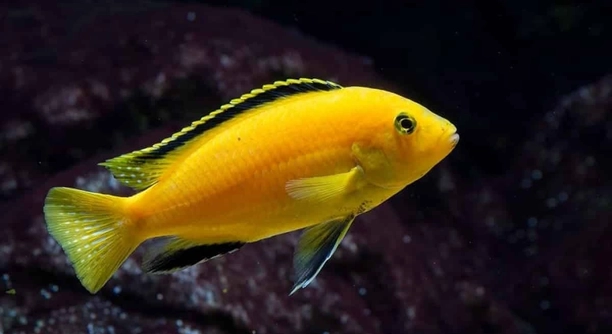
Many aquarists enjoy keeping cichlids, but sometimes these fish display behaviors that indicate discomfort in their current space. Observing their movements and interactions can help determine if a new environment is needed for their wellbeing.
Cichlids often require a change in territory when their current environment no longer meets their spatial or social needs. Signs such as aggression, hiding, or reduced feeding indicate stress, suggesting that a larger or more structured habitat may be necessary.
Recognizing these signs early helps maintain healthy fish and a balanced aquarium environment. It ensures that cichlids thrive without unnecessary stress or conflict.
Increased Aggression
When cichlids become more aggressive than usual, it is often a sign that they feel cramped or threatened in their current space. You might notice chasing, nipping, or territorial fights that were not present before. This behavior can be subtle at first, such as chasing a tank mate away from a favorite hiding spot, but it can escalate quickly. Aggression can lead to stress, injuries, and even death if not addressed. It is important to monitor interactions closely and identify if the tank size or arrangement is contributing to conflicts. Rearranging decorations or adding hiding spots may help temporarily, but persistent aggression usually indicates the need for a larger or more suitable territory. Ensuring that each cichlid has enough personal space reduces tension and promotes healthier interactions. Observing your fish daily can reveal patterns of behavior that are often missed, helping you make timely adjustments to their environment.
Persistent aggression often points to inadequate space and stress. Adjusting territory or adding structure usually helps calm conflicts among cichlids.
Providing enough room for cichlids is essential for their mental and physical health. When fish are forced into a confined area, they compete for space, which can increase aggressive encounters. Adding more hiding spots or creating visual barriers can reduce stress temporarily, but it is not always a permanent solution. A larger tank or splitting fish into separate areas often resolves these issues more effectively. Ensuring each cichlid has a clear territory allows them to establish boundaries without constant conflict. Careful observation of their daily interactions helps you identify which individuals are struggling and might benefit from relocation. Adjustments in tank setup, such as adding rocks or plants, can help, but ultimately the size of the habitat plays the biggest role. Reducing competition and stress supports overall health, feeding habits, and longevity for all cichlids in the tank.
Excessive Hiding
Cichlids that spend most of their time hiding may feel unsafe or overwhelmed in their current environment.
Excessive hiding often indicates stress or discomfort. Fish that rarely come out to feed or explore need a safer, more spacious habitat to feel secure.
Observing hiding behaviors closely can reveal environmental pressures or social conflicts. If a cichlid consistently retreats to one corner or behind decorations, it may lack confidence to navigate the tank freely. Stress from constant intimidation or insufficient space reduces feeding, growth, and overall vitality. Ensuring adequate hiding spots is important, but hiding that dominates their day shows that the territory itself is unsuitable. Moving the fish to a larger or better-structured tank allows them to establish a sense of control and safety. Monitoring interactions and adjusting tank arrangements can help, but persistent hiding typically requires a significant change in territory. By providing an environment that balances open swimming areas with protective spaces, cichlids regain normal activity levels and show healthier, more natural behaviors over time.
Loss of Appetite
A cichlid that suddenly stops eating may be stressed or uncomfortable in its current territory. Changes in behavior and reduced feeding often signal that the environment no longer meets their needs.
Loss of appetite is a common stress response in cichlids. When fish feel threatened, overcrowded, or unable to establish personal space, they may avoid food altogether. Reduced feeding can lead to weight loss, weakened immune systems, and slower growth. Observing eating habits closely can help identify whether the issue is related to diet, water quality, or territorial stress. Providing a calmer, more structured space often restores normal feeding behavior.
Consistent loss of appetite usually indicates a deeper environmental issue. If a cichlid avoids food for multiple days, it may need relocation. Rearranging tank décor, adding hiding areas, or increasing tank size can reduce stress and encourage natural feeding patterns. Ensuring water quality and proper nutrition supports recovery and overall health.
Rapid Color Changes
Cichlids that suddenly darken or fade often signal discomfort or stress within their habitat. Color shifts are visual indicators that should not be ignored.
Rapid color changes in cichlids usually indicate environmental or social stress. When fish feel threatened, overcrowded, or unable to claim territory, their bodies may react by changing coloration. Stress hormones can affect pigmentation, making colors duller or causing patches of darkening. Observing which situations trigger these changes can help determine if tank size, layout, or aggressive neighbors are the cause. Adjusting the environment and monitoring interactions often restores normal coloration.
Maintaining a stable and appropriate territory helps cichlids retain healthy colors. Adding visual barriers, hiding spots, or rearranging rocks and plants can reduce stress. Persistent color changes suggest that the fish may require a larger or less crowded tank. Tracking patterns over time can show whether environmental modifications are effective. Addressing underlying issues improves overall wellbeing and allows cichlids to display natural, vibrant colors.
Restless Swimming
Cichlids that swim frantically or pace along the tank edges often feel stressed or crowded. This behavior signals that their current territory may not be suitable for their needs.
Restless swimming can also indicate social tension. Constant movement and darting around the tank suggest discomfort and a lack of secure spaces.
Frequent Hiding
When cichlids hide repeatedly throughout the day, it shows they feel unsafe. Lack of visible activity can point to territorial stress.
Gill Flaring
Excessive gill flaring is a clear sign of stress or aggression. Fish may flare in response to overcrowding, dominant neighbors, or insufficient territory, showing that their environment needs adjustment.
FAQ
What size tank is ideal for cichlids?
Cichlids need space to swim and establish territories. A tank that is too small can lead to stress, aggression, and health issues. Generally, a minimum of 30 gallons is recommended for smaller species, while larger species may require 50 gallons or more. Providing enough room allows cichlids to spread out, reduces conflicts, and supports natural behavior.
How can I tell if my cichlid is stressed?
Signs of stress include loss of appetite, hiding excessively, restless swimming, gill flaring, and rapid color changes. These behaviors indicate that the fish may be uncomfortable with its current territory or tank mates. Observing daily habits and patterns is key to identifying stress early.
What should I do if my cichlid is aggressive?
Aggression often stems from territorial disputes or overcrowding. You can rearrange tank decorations to create visual barriers, add hiding spaces, or separate aggressive individuals. If aggression persists, a larger tank or new territory may be necessary. Monitoring interactions closely helps prevent injuries and stress.
Why does my cichlid hide so much?
Frequent hiding can signal that the fish feels unsafe. Overcrowding, lack of hiding spots, or aggressive neighbors can make cichlids retreat constantly. Providing secure areas and giving fish more space helps reduce stress and encourages natural behavior, like exploring and feeding.
How do water quality and environment affect cichlid behavior?
Poor water conditions, such as incorrect pH, high ammonia, or low oxygen, can make cichlids stressed and irritable. Maintaining clean water, proper filtration, and a balanced environment supports health and reduces stress-induced behaviors. Temperature stability also plays a crucial role.
Can cichlids share a tank with other species?
Yes, but tank mates must be chosen carefully. Some cichlids are highly territorial, so introducing fish that are too small or passive can lead to constant harassment. Choosing species of similar size and temperament, along with sufficient space, can help maintain peace.
How often should I rearrange the tank?
Frequent rearrangement can stress cichlids, but occasional changes help reduce territorial disputes. Adding new rocks, plants, or hiding spots every few months encourages exploration and allows less dominant fish to establish their own spaces. Observe how fish react to changes and adjust accordingly.
What are the signs that a cichlid needs a new tank?
Indicators include persistent aggression, excessive hiding, loss of appetite, rapid color changes, and constant restless swimming. If these behaviors continue despite environmental adjustments, it is likely time to consider a larger or differently structured territory.
How can I make a new territory comfortable for my cichlid?
Include plenty of hiding spots, open swimming areas, and visual barriers. Rocks, caves, and plants create natural boundaries and help reduce stress. Gradually introducing fish to the new environment ensures they adjust without conflict, allowing them to establish territories naturally.
Is it normal for cichlids to flare their gills?
Occasional gill flaring is natural, but excessive or constant flaring signals stress, overcrowding, or aggression. If this behavior is frequent, reviewing tank size, social dynamics, and hiding options is necessary to maintain a healthy environment.
How long does it take for a cichlid to adjust to a new territory?
Adjustment times vary depending on the fish and environment. Some adapt within days, while others may take weeks. Providing a calm, well-structured space with adequate hiding spots and minimal disturbances helps reduce stress and speeds up acclimation.
Can rearranging a tank reduce stress without increasing size?
Yes, strategic rearrangement can help. Adding visual barriers, new hiding spots, or shifting décor creates new territories and reduces direct confrontations. However, if overcrowding persists, rearranging alone may not be enough, and a larger tank may still be necessary.
What role does feeding play in territorial stress?
Proper feeding reduces competition and stress. Overcrowded or underfed tanks increase aggression. Distributing food in multiple areas ensures all cichlids have access, which helps maintain peace and supports healthier social interactions.
How can I monitor cichlid behavior effectively?
Observe daily routines, interactions, feeding habits, and activity levels. Keeping a log of behaviors, color changes, and aggression episodes helps identify patterns and triggers. Timely adjustments based on observation prevent long-term stress and health issues.
Can cichlids share hiding spots, or do they need individual spaces?
Some species tolerate shared hiding spots, while others require individual territories. Providing multiple areas reduces competition and allows fish to claim personal spaces. Ensuring balance prevents stress and aggression, especially in community tanks.
Are there environmental signs that indicate a tank is too small?
Signs include constant chasing, frayed fins, frequent hiding, and restless swimming along tank edges. These behaviors indicate that fish are struggling to establish territories or feel overcrowded. A larger or better-structured tank usually resolves these issues.
How important is consistency in the tank setup?
Consistency reduces stress. Sudden changes in layout, water conditions, or tank mates can trigger aggressive or anxious behavior. Gradual adjustments allow cichlids to adapt while maintaining predictable territories, supporting mental and physical health.
Can aggressive behavior affect all cichlids in the tank?
Yes, a dominant or stressed individual can disrupt the entire community. Weaker fish may hide constantly, eat less, or display stress signs. Observing interactions and making timely adjustments prevents long-term negative effects on all inhabitants.
What is the best way to introduce a new cichlid to an existing tank?
Quarantine new fish first, then introduce them slowly. Rearranging décor beforehand and providing plenty of hiding spaces helps minimize conflict. Gradual acclimation allows all fish to establish territories without excessive aggression or stress.
How do I know if my cichlid’s behavior is normal or a sign of stress?
Normal behavior includes regular swimming, feeding, and occasional social interactions. Persistent hiding, aggression, appetite loss, or color changes indicate stress. Tracking patterns over time helps distinguish temporary fluctuations from serious issues that require intervention.
How can I encourage natural behavior in cichlids?
Providing adequate space, varied décor, hiding spots, and compatible tank mates encourages exploration, territorial establishment, and normal social interactions. Stable water conditions and consistent feeding routines support overall wellbeing and reduce stress-related behaviors.
What long-term effects can arise from a stressful territory?
Chronic stress can weaken immunity, reduce growth, cause color fading, and increase susceptibility to disease. Aggression may escalate, harming other fish. Providing a suitable environment is essential for maintaining long-term health, social stability, and natural behavior patterns in cichlids.
How often should I observe my cichlids for stress signs?
Daily observation is ideal. Short, consistent checks during feeding or routine maintenance help detect early signs of stress. Monitoring behavior, appetite, and interactions allows timely interventions before problems escalate.
What adjustments are most effective for stressed cichlids?
Increasing tank size, adding hiding spots, creating visual barriers, and separating aggressive individuals are effective strategies. Ensuring proper water conditions and nutrition complements environmental changes, helping cichlids regain normal behavior and reduce tension.
How can I prevent stress in newly purchased cichlids?
Acclimate slowly, provide a well-structured tank, and avoid overcrowding. Quarantining new fish, maintaining water quality, and observing initial behavior reduces the risk of stress and supports healthy integration into the existing environment.
What role do tank decorations play in territory management?
Decorations create visual boundaries and private areas for cichlids. Rocks, caves, and plants allow fish to claim spaces, reduce conflicts, and encourage natural behavior. Proper arrangement can prevent overcrowding and limit aggressive interactions.
Are some cichlid species more territorial than others?
Yes, species differ in aggression levels. African cichlids tend to be highly territorial, while South American cichlids may be less aggressive. Understanding species-specific behavior helps determine tank size, structure, and compatible tank mates.
How do I know when it’s time to upgrade the tank?
Persistent aggression, hiding, appetite loss, rapid color changes, and restless swimming indicate a tank is too small or poorly structured. Upgrading to a larger or better-arranged environment improves overall health, social stability, and natural behaviors.
Can environmental enrichment reduce stress without changing tank size?
Yes, adding hiding spots, plants, and visual barriers can help. While it may not solve overcrowding, enrichment allows fish to establish micro-territories, reducing tension and encouraging normal behavior. Monitoring responses determines effectiveness.
How important is water quality compared to tank size for territorial stress?
Both are crucial. Even in a large tank, poor water quality can cause stress and aggressive behavior. Maintaining clean, balanced water supports health, while adequate space ensures proper territorial distribution and reduces conflict.
What should I avoid when setting up a new cichlid tank?
Avoid overcrowding, minimal hiding spots, incompatible tank mates, and rapid changes in layout or water conditions. Each factor increases stress and aggression. Planning the tank with space, décor, and compatible species ensures a healthier, calmer environment.
How do I balance tank mates in a community cichlid tank?
Select species of similar size and temperament, provide enough space and hiding spots, and observe interactions closely. Adjusting décor or separating aggressive individuals prevents stress and allows peaceful coexistence.
How long should I monitor a new cichlid for stress signs?
Monitor daily for at least the first few weeks. Observing feeding, swimming patterns, hiding habits, and social interactions helps detect early stress and allows timely adjustments.
Can diet changes reduce territorial aggression?
Yes, evenly distributing food and ensuring proper nutrition reduces competition. Well-fed cichlids are less likely to fight over territory and are more active, displaying healthier social interactions.
What are common mistakes in managing cichlid territories?
Overcrowding, lack of hiding spots, ignoring aggression, poor water quality, and hasty introductions are common mistakes. Addressing these proactively prevents stress, injuries, and unnatural behaviors.
How do I know if my interventions are working?
Improved feeding, calmer interactions, reduced hiding, normal color, and decreased gill flaring indicate effective changes. Tracking behaviors over time ensures that adjustments meet the cichlids’ needs.
What is the role of observation in long-term tank health?
Consistent observation helps identify stress, aggression, and environmental issues early. Timely intervention maintains stable territories, supports natural behavior, and ensures long-term health and wellbeing for all cichlids.
How can I encourage shy cichlids to explore their territory?
Adding gradual changes, multiple hiding spots, and calm introductions encourages exploration. Positive reinforcement through feeding in different areas also helps build confidence, reducing stress-related hiding and encouraging normal activity.
What’s the biggest factor affecting cichlid comfort?
Tank size, structure, and social environment are the biggest factors. Providing adequate space, proper décor, compatible tank mates, and stable water conditions ensures cichlids feel safe and exhibit natural behaviors.
How do I manage multiple aggressive cichlids?
Separate highly aggressive individuals, add visual barriers, and increase tank size. Rearranging décor and providing multiple hiding spots helps establish territories, reducing stress and injury risks.
Can stressed cichlids recover fully with proper adjustments?
Yes, with adequate space, proper water conditions, nutrition, and environmental enrichment, cichlids can regain normal behavior, feeding habits, and vibrant coloration over time.
What is the simplest way to reduce territorial stress?
Providing a larger tank with clear territories, hiding spots, and compatible tank mates reduces conflict and encourages natural behavior. Consistent observation ensures ongoing wellbeing and identifies issues early.
How often should tank décor be changed?
Occasional changes every few months help reduce tension and encourage exploration. Avoid frequent or drastic changes to prevent additional stress, allowing fish to establish territories naturally.
What is the main takeaway for preventing cichlid stress?
Adequate space, structured environment, proper tank mates, and consistent monitoring are key. Addressing territorial needs early ensures healthy, active, and vibrant cichlids.
How important is patience when managing cichlid territories?
Very important. Changes take time to show results. Gradual adjustments, observation, and consistent care are essential for reducing stress and fostering healthy behavior patterns.
Can a single aggressive cichlid ruin a tank?
Yes, one dominant fish can disrupt feeding, stress others, and cause injuries. Interventions like separation, environmental adjustments, or relocation help restore balance.
How do I handle cichlids that refuse to eat after moving them?
Ensure hiding spots, calm environment, and proper acclimation. Gradual introduction, multiple feeding locations, and monitoring reduce stress and encourage normal feeding behavior.
Is it normal for cichlids to take weeks to adjust to a new tank?
Yes, some take longer than others. Providing space, hiding spots, and minimal disturbances supports faster adjustment and reduces stress during acclimation.
What are the long-term benefits of proper territory management?
Healthier, more active fish, reduced aggression, normal feeding, vibrant colors, and a stable community. Proper management supports longevity and wellbeing for all cichlids in the tank.
How do I maintain peace in a mixed-species cichlid tank?
Balance tank size, hiding spots, compatible species, and observe interactions. Timely adjustments prevent conflicts, allowing all fish to establish territories and thrive.
Can over-decorating a tank be harmful?
Too many decorations can reduce swimming space, increasing stress. Balance hiding spots with open areas to allow natural exploration and territorial establishment.
How can I tell if my adjustments are temporary fixes?
If aggressive or stressed behaviors return despite changes, the underlying issue may be tank size or social imbalance. A more permanent solution may be required.
Are some behaviors more concerning than others?
Persistent hiding, loss of appetite, constant aggression, and rapid color changes are more concerning than occasional flare-ups. These signs indicate serious environmental or social issues that need addressing.
What is the simplest daily routine to monitor cichlids?
Observe feeding, swimming, interactions, and color for a few minutes each day. Take note of unusual patterns or changes to catch stress early and adjust the environment as needed.
How do I balance multiple needs in a community cichlid tank?
Provide enough space, hiding spots, compatible tank mates, and maintain water quality. Observation and gradual adjustments ensure each fish can claim territory and reduce conflict.
Can stressed cichlids affect breeding behavior?
Yes, stress inhibits natural breeding. Providing secure territories, stable conditions, and calm tank mates improves the likelihood of healthy reproductive behavior.
How important is lighting for territorial behavior?
Moderate, consistent lighting helps fish feel secure. Sudden changes or harsh lighting can increase stress and aggression. Proper lighting supports natural activity cycles and territorial behavior.
Can stress in cichlids be reversed completely?
Yes, with proper adjustments in space, environment, water quality, and social dynamics, cichlids can regain normal behavior, feeding patterns, and overall wellbeing.
How often should I check for signs of aggression?
Daily checks during feeding and routine observation help identify early aggression. Timely interventions prevent injuries and long-term stress in the tank.
What is the role of patience in observing territorial changes?
Patience allows you to distinguish temporary behavior shifts from persistent stress. Gradual observation and careful adjustments ensure effective solutions without adding stress.
How do I know if a cichlid is happy in its territory?
Active swimming, normal feeding, interaction without excessive hiding, and vibrant colors indicate comfort. Consistent behavior patterns suggest the territory meets their needs.
Can overcrowding lead to permanent behavioral issues?
Yes, prolonged overcrowding can cause chronic stress, stunted growth, and long-term aggression. Providing adequate space and structure prevents lasting damage.
How do I adjust feeding to reduce territorial conflict?
Spread food in multiple locations, provide sufficient portions, and ensure all fish access it. Proper feeding reduces competition and aggression.
Is it necessary to change tankmates if aggression persists?
Sometimes, yes. Separating incompatible or aggressive fish ensures peace, reduces stress, and allows other cichlids to establish stable territories.
How do I introduce environmental enrichment safely?
Add rocks, plants, or caves gradually. Observe reactions and adjust placement to avoid overcrowding or creating new conflicts. Gradual enrichment encourages exploration and reduces stress.
Can territorial stress affect immune function?
Yes, chronic stress lowers immunity, making fish more susceptible to illness. Maintaining proper tank conditions and reducing conflicts supports health and resilience.
What is the easiest way to monitor social hierarchy?
Watch interactions during feeding and swimming. Note dominant and submissive behaviors. This helps identify if space or adjustments are needed to reduce stress.
How can I reduce stress during water changes?
Perform gradual, partial water changes with stable temperature and pH. Avoid sudden disturbances. This keeps the environment stable and reduces anxiety for cichlids.
Are visual barriers more effective than hiding spots?
Both are important. Visual barriers reduce direct line-of-sight conflicts, while hiding spots give secure refuge. Together, they help fish establish territories and feel safe.
How do I know if my tank size is limiting behavior?
Signs include constant chasing, frequent hiding, aggression, and restless swimming. If these persist despite décor adjustments, a larger tank is likely needed.
Can stress cause health issues beyond behavior?
Yes, chronic stress can lead to stunted growth, color fading, weakened immunity, and increased disease susceptibility. Proper territory management supports overall health.
How do I balance exploration and security in a tank?
Provide open swimming areas along with multiple hiding spots and visual barriers. This allows fish to explore while feeling secure, reducing stress and conflict.
Is it normal for cichlids to take time to establish territory?
Yes, establishing territory can take days to weeks. Adequate space, décor, and compatible tank mates support a smooth transition and reduce stress during this period.
What is the most effective long-term solution for stressed cichlids?
Providing a suitable tank size, structured environment, proper tank mates, and consistent monitoring ensures reduced stress, natural behavior, and long-term health.
How do I prevent stress when adding new fish?
Acclimate slowly, quarantine first, and provide hiding spots. Gradual introduction allows existing and new fish to establish territories without excessive conflict or anxiety.
Can stress affect feeding routines permanently?
If unresolved, stress can lead to chronic appetite loss and poor nutrition. Addressing territory, tank size, and environment helps restore normal feeding behavior.
How do I know if my environmental adjustments are sufficient?
Observe behavior, feeding, hiding, color, and social interactions. Consistent improvement indicates effective adjustments, while persistent stress signals further changes may be needed.
**What is
Final Thoughts
Caring for cichlids requires attention to their behavior and environment. These fish are naturally territorial, and their actions often communicate comfort or stress. By observing how they swim, interact, and feed, you can better understand their needs. Persistent signs like aggression, hiding, loss of appetite, gill flaring, or rapid color changes are indicators that the current habitat may not be suitable. Addressing these issues promptly is crucial for maintaining the health and wellbeing of all fish in the tank. A well-planned territory not only reduces stress but also allows cichlids to display natural behaviors, such as establishing boundaries, exploring, and interacting with other fish in a balanced manner. Paying attention to these details makes a noticeable difference in their overall activity and appearance.
Providing the right space and environment is central to preventing problems before they escalate. Tank size, structure, hiding spots, and visual barriers all contribute to creating a comfortable territory. Smaller tanks or poorly arranged décor can amplify stress, even if the water quality is excellent. Likewise, proper tank mates play an important role, as overcrowding or aggressive neighbors increase tension. Gradual adjustments, such as rearranging decorations or adding new hiding places, can help, but sometimes the most effective solution is giving cichlids a larger or more suitable habitat. Monitoring behavior consistently helps determine whether these changes are working. Observing daily feeding patterns, swimming activity, and social interactions provides clear insight into how your fish are adapting. Making careful, thoughtful changes supports their health, encourages natural behaviors, and reduces the risk of conflict or illness.
Ultimately, cichlid care is about understanding and responding to their needs. By recognizing stress signals early and providing a structured, spacious environment, you create conditions for your fish to thrive. Proper care involves a combination of observation, patience, and thoughtful tank management. When these elements are in place, cichlids are more active, healthier, and display vibrant colors. Each fish develops its own territory and routine, leading to a balanced and peaceful community. Maintaining consistent water quality, feeding practices, and environmental enrichment further enhances their wellbeing. Taking these steps ensures that your cichlids not only survive but flourish, making the aquarium a more enjoyable and rewarding space for both you and the fish. Paying attention to the details of their environment and behavior ultimately creates a harmonious habitat where cichlids can live a full, natural life.

Hello,
If you enjoy the content that we create, please consider saying a "Thank You!" by leaving a tip.
Every little bit helps us continue crafting quality advice that supports the health, happiness, and well-being of pets around the world, for pets of all shapes, sizes, and species.
We really appreciate the kindness and support that you show us!