
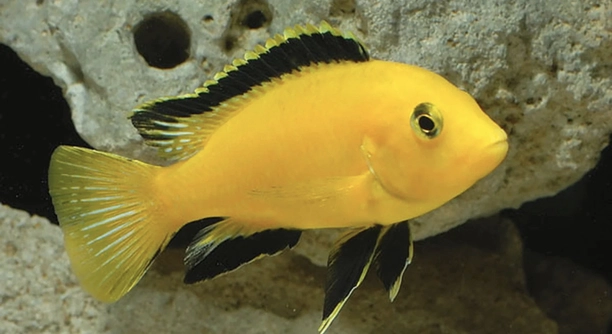
Are your Electric Yellow Cichlids acting differently than expected, leaving you unsure about their usual behavior patterns? Many new and experienced fish keepers notice unusual actions and wonder if something is wrong with their vibrant pets.
Electric Yellow Cichlids are often misunderstood due to assumptions about aggression, feeding habits, and social interactions. Misconceptions can lead to improper care or stress in the aquarium environment, making it essential to clarify their typical behavioral patterns and needs.
Understanding these common mistakes will improve your ability to care for these fish and create a calmer, healthier aquarium environment for them.
Misconception 1: Electric Yellow Cichlids Are Always Aggressive
Many people assume Electric Yellow Cichlids are naturally aggressive toward all tank mates. While they can show territorial behavior, their aggression is usually limited to defending space or during breeding. Understanding their social hierarchy is essential. These fish establish pecking orders, and conflicts often decrease once territory boundaries are recognized. Providing sufficient hiding spaces, rocks, and decorations helps reduce tension. Observing interactions carefully can prevent unnecessary stress and injury. Aggression is context-dependent and varies between individuals. Some cichlids will tolerate other species when conditions are suitable. Tank size also influences behavior, as overcrowded tanks increase tension and the likelihood of confrontations. Feeding routines and environmental consistency further impact their disposition. Recognizing signs of real aggression versus normal dominance behavior helps maintain a balanced aquarium. Proper setup, monitoring, and timely adjustments create a stable environment where Electric Yellow Cichlids can thrive without constant conflict. Misjudging their behavior can lead to overcorrection or unnecessary removal of tank mates, which stresses the fish.
Aggression is not constant. It is usually territorial, influenced by environment, tank size, and social hierarchy.
Providing ample hiding spots, consistent feeding, and observing interactions carefully will keep tensions lower and create a calmer tank. Understanding individual differences is key to long-term harmony among cichlids.
Misconception 2: They Can Eat Anything
Some assume Electric Yellow Cichlids will thrive on any diet, but this is not true. They require a balanced mix of protein and vegetable matter. High-quality cichlid pellets supplemented with occasional vegetables or frozen foods are ideal. Overfeeding or giving inappropriate foods can cause digestive issues or deformities. Their digestive system is sensitive to low-quality fillers or fatty treats. Monitoring portion sizes and avoiding constant snacks prevents obesity and water contamination. Feeding routines also impact behavior, as hungry fish may become aggressive or stressed. Variety is important but must remain within recommended nutritional limits. Many owners make the mistake of feeding too frequently or relying solely on flakes, which can lead to malnutrition or poor coloration. Observing their response to different foods helps gauge health and preference. Adjusting diet according to age, size, and activity level ensures optimal growth and vitality. A proper feeding plan enhances color, energy, and longevity.
Electric Yellow Cichlids need specific nutrition. Overfeeding or poor-quality foods can lead to health problems and behavioral changes.
Balancing protein, vegetables, and pellet quality is essential. Regular monitoring and dietary adjustments support growth, vibrant color, and stable behavior in the aquarium.
Misconception 3: They Prefer Small Tanks
Electric Yellow Cichlids need space to establish territories and swim freely. Small tanks can cause stress, increased aggression, and stunted growth, making proper tank size essential for their well-being.
A minimum tank size of 55 gallons is recommended for a small group of Electric Yellow Cichlids. Providing rocks, caves, and hiding spots allows them to create personal territories and reduces conflicts. Overcrowding leads to constant chasing and can harm weaker fish. Water quality also suffers in cramped spaces, impacting health and coloration. Observing behavior in an adequately sized tank shows calmer, more natural interactions.
Proper tank size supports natural behavior and allows the fish to display their vibrant colors without stress. Space management, hiding spots, and social structuring are key to maintaining a balanced environment and healthy fish.
Misconception 4: They Are Low-Maintenance
Electric Yellow Cichlids require regular care, including consistent water changes, temperature monitoring, and tank cleaning. Assuming they are low-maintenance can lead to stress and illness.
Maintaining water quality is critical, as these cichlids are sensitive to ammonia and nitrate levels. Regular partial water changes, proper filtration, and monitoring pH and hardness are essential for stable conditions. Neglecting these tasks can result in disease outbreaks, poor coloration, and behavioral changes. Temperature should remain steady, ideally between 74-80°F, as fluctuations cause stress. Diet and feeding schedules must also be maintained to support growth and vitality. Even minor lapses in care affect their overall health and activity.
Consistent care and attention to environmental conditions prevent health issues and aggression. Understanding their needs and maintaining a structured routine ensures a thriving and visually striking aquarium. Proper planning and observation keep these cichlids healthy and active.
Misconception 5: They Are Shy Fish
Electric Yellow Cichlids are naturally curious and active. Labeling them as shy overlooks their bold interactions with tank mates and their environment.
They may retreat briefly when introduced to new surroundings, but this behavior is temporary. Once comfortable, they explore, establish territory, and interact confidently.
Misconception 6: They Don’t Require Social Interaction
Electric Yellow Cichlids benefit from living in small groups with compatible tank mates. Isolation can lead to stress and abnormal behavior.
Proper social structure encourages natural behaviors such as hierarchy establishment, foraging, and display of vibrant colors. Careful observation helps maintain harmony and prevent bullying.
Misconception 7: They Are Color-Dependent on Mood
Color changes are not purely emotional. Vibrancy reflects health, diet, lighting, and water quality rather than mood.
Maintaining balanced nutrition, stable water conditions, and proper lighting ensures the bright yellow coloration remains consistent and visually appealing.
FAQ
How many Electric Yellow Cichlids can I keep in one tank?
The number depends on tank size. A 55-gallon tank can comfortably hold about 5-6 young cichlids. Larger tanks allow for more fish, but overcrowding increases aggression and stress. Providing rocks, caves, and hiding spots helps reduce conflicts. Observing behavior is essential to prevent bullying or injuries.
What should I feed my Electric Yellow Cichlids?
They require a balanced diet of high-quality cichlid pellets with occasional vegetables like peas or spinach. Frozen or live foods such as brine shrimp can supplement protein. Avoid overfeeding, as this leads to obesity, poor water quality, and digestive issues. Maintaining feeding schedules ensures consistent growth and vibrant coloration.
Are Electric Yellow Cichlids aggressive toward other fish?
Aggression is usually territorial, not constant. They can coexist with other African cichlids of similar size and temperament. Introducing new fish slowly and providing adequate hiding spots helps minimize confrontations. Observing their interactions and separating overly aggressive individuals when needed supports a calmer tank environment.
How often should I clean the tank?
Partial water changes of 20-25% every week are recommended. Regularly clean filters and remove debris from the substrate to maintain water quality. Monitoring ammonia, nitrate, and pH levels ensures the fish remain healthy. Consistent maintenance prevents disease and stress, keeping both the fish and their environment stable.
Can Electric Yellow Cichlids live alone?
While they can survive alone, they thrive in small groups where social interactions are possible. Group living allows them to establish hierarchies, reduces stress, and encourages natural behaviors. Isolation can result in boredom, abnormal activity, or aggression toward themselves or tank decorations.
Do they need special lighting?
Lighting should mimic a natural day-night cycle. Moderate aquarium lighting enhances their bright yellow color and supports overall health. Too much light can encourage algae growth, while too little may dull their coloration. Consistent lighting routines help regulate behavior and activity levels.
How fast do Electric Yellow Cichlids grow?
Growth rate depends on diet, tank size, and water quality. With proper care, juveniles can reach adult size in about 12-18 months. Maintaining stable water parameters, providing sufficient space, and offering a balanced diet supports healthy growth and reduces stress-induced stunting.
What are common signs of stress?
Stress can show as hiding, loss of color, rapid gill movement, or aggression toward tank mates. Poor water quality, overcrowding, and sudden changes in environment are frequent causes. Observing behavior and adjusting conditions promptly prevents long-term health problems and maintains a harmonious aquarium.
Can they breed in a home aquarium?
Yes, Electric Yellow Cichlids can breed if conditions are optimal. Providing rocky territories, proper nutrition, and stable water parameters encourages spawning. They are maternal mouthbrooders, so females carry eggs and fry in their mouths for protection until the young are ready to swim independently.
How long do Electric Yellow Cichlids live?
With proper care, they typically live 8-10 years, sometimes longer. Maintaining stable water conditions, providing a balanced diet, and reducing stress factors are key to longevity. Regular observation and maintenance ensure they remain healthy and active throughout their lifespan.
What water conditions are ideal for them?
They prefer slightly alkaline water with a pH between 7.5 and 8.5 and a temperature of 74-80°F. Consistent water hardness and minimal fluctuations are important. Proper filtration and regular testing keep the aquarium environment stable, reducing stress and supporting vibrant coloration and healthy behavior.
Are they compatible with other fish species?
They do best with other African cichlids of similar size and temperament. Avoid mixing with small, delicate, or slow-moving species, as Electric Yellow Cichlids may stress or harm them. Providing hiding spaces and monitoring social interactions helps maintain balance in a mixed-species tank.
Do they need a specific type of substrate?
Sand or fine gravel works best, allowing them to dig without injury. Avoid sharp or rough materials that could damage fins or mouths. Proper substrate supports natural behaviors like territory digging and nest preparation, contributing to their overall well-being.
How often should I test water parameters?
Testing at least once a week is recommended for ammonia, nitrite, nitrate, pH, and hardness. Frequent monitoring allows early detection of issues, preventing health problems. Maintaining stable conditions ensures a stress-free environment where the fish remain vibrant and active.
Can Electric Yellow Cichlids change color permanently?
Color changes are usually temporary and reflect stress, diet, health, or lighting. Proper care, balanced nutrition, and stable water conditions maintain their bright yellow coloration. Persistent dullness may indicate health or environmental problems that need attention.
What tank decorations are best for them?
Rocks, caves, and sturdy plants provide hiding spots and territory markers. Avoid fragile decorations that can be damaged or swallowed. Proper arrangements reduce aggression, encourage natural behavior, and create visually appealing spaces for the fish to explore.
Is it okay to keep males and females together?
Yes, but be aware that males may become territorial during breeding. Providing enough space and hiding spots reduces conflicts. Balanced ratios of males to females help prevent dominance-related aggression and support healthy social dynamics.
Can they tolerate fluctuations in temperature?
Sudden changes in temperature cause stress and weaken the immune system. Maintaining a steady range between 74-80°F is essential. Using a reliable heater and monitoring water conditions prevents health problems and supports stable behavior.
Are Electric Yellow Cichlids prone to disease?
They are generally hardy but can be affected by common freshwater diseases if water quality is poor. Proper maintenance, quarantine for new fish, and attention to diet help prevent infections and maintain strong immune systems.
Do they need regular health check-ups?
Observing behavior, appetite, and appearance is crucial. Early detection of illness allows prompt intervention. Regular monitoring of water quality, diet, and tank conditions functions as preventive care, keeping fish healthy and reducing the risk of long-term problems.
Can they coexist with bottom-dwelling fish?
Yes, they can live with robust bottom dwellers that occupy a different level of the tank. Avoid slow or delicate species that may be harassed. Providing sufficient hiding spaces and territory separation helps maintain harmony among all tank inhabitants.
How do I know if they are happy?
Signs include active swimming, bright coloration, normal feeding behavior, and healthy social interactions. Calm exploration of territory and regular display behaviors indicate a stable environment. Monitoring these patterns ensures the tank is meeting their needs and they remain stress-free.
Electric Yellow Cichlids are fascinating fish that attract attention with their bright coloration and active personalities. Many misconceptions exist about their behavior, diet, and social needs, which can make caring for them seem complicated at first. Understanding these fish requires observing their natural tendencies and providing an environment that supports their physical and social well-being. From aggression and territoriality to feeding habits and social interaction, each aspect of their care influences how they behave in a home aquarium. Overlooking these details can lead to stress, health issues, or conflicts with other tank mates. It is important to remember that these fish are not naturally aggressive at all times, nor are they shy or low-maintenance. Their behaviors are often responses to their environment, tank setup, or social dynamics. Creating a space that allows them to express natural behaviors is essential for their overall health and happiness.
Providing proper care for Electric Yellow Cichlids goes beyond simply feeding them or choosing a tank. The size of the tank, water quality, diet, and decorations all affect how they behave. They require stable water conditions with appropriate pH, temperature, and hardness to thrive. Overcrowding can increase aggression, while insufficient hiding spaces may leave them stressed and vulnerable. A balanced diet rich in protein and vegetable matter supports growth, coloration, and energy levels. Observing their interactions and understanding social hierarchies ensures that conflicts are minimized and everyone in the tank has space to establish territory. Lighting, substrate, and environmental enrichment all play roles in keeping these fish active and healthy. By paying attention to these factors, caretakers can prevent common issues and enjoy watching their Electric Yellow Cichlids display natural behaviors and vibrant colors without interference.
Caring for Electric Yellow Cichlids is rewarding when their needs are properly addressed. These fish are more than their bright appearance; they have complex behaviors that reflect their environment and care. Misunderstanding them can lead to unnecessary worry or mistakes in their maintenance. However, with careful planning, observation, and adjustment, their behavior can be predicted and supported. Social interaction, diet, and space are key factors, as is consistency in tank management. Providing an environment that meets their physical and behavioral needs promotes long-term health, reduces stress, and allows their vibrant personalities to shine. Observing them regularly and responding to changes in behavior or health ensures they continue to thrive. Ultimately, understanding these fish goes hand in hand with enjoying the beauty and activity they bring to a home aquarium. Proper care and attention allow Electric Yellow Cichlids to live full, active lives, showcasing their energy, color, and natural behaviors, which makes the effort of maintaining them worthwhile for any fish keeper.

Hello,
If you enjoy the content that we create, please consider saying a "Thank You!" by leaving a tip.
Every little bit helps us continue crafting quality advice that supports the health, happiness, and well-being of pets around the world, for pets of all shapes, sizes, and species.
We really appreciate the kindness and support that you show us!