
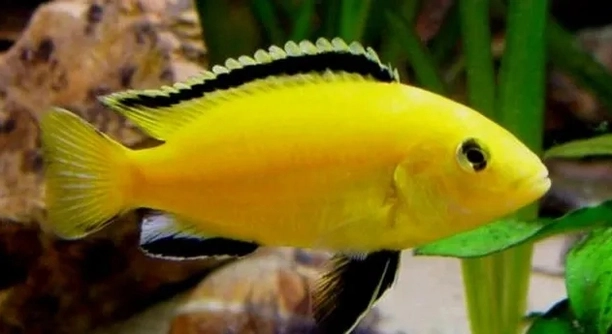
Cichlids are colorful, lively fish that react strongly to their surroundings. Tank decoration is more than aesthetics; it influences their behavior, comfort, and stress levels in subtle but important ways. Proper setup ensures a healthier environment.
Many aquarists make common mistakes such as overcrowding, using sharp decorations, neglecting hiding spots, placing incompatible substrate, ignoring water flow, overdecorating, or selecting improper lighting, all of which can stress cichlids and negatively affect their well-being and natural behavior.
Paying attention to these errors helps maintain a calm, healthy tank. Each choice in decoration has a direct impact on your cichlids’ daily life.
Overcrowding the Tank
Keeping too many cichlids in a single tank is a frequent mistake. When space is limited, fish compete for territory, hiding spots, and food, which increases stress and aggression. Overcrowding can lead to stunted growth and weaker immune systems. Proper planning involves knowing each species’ adult size and social behavior. Some cichlids are highly territorial, while others thrive in groups. Providing enough space reduces conflict and allows them to display natural behaviors. Aquariums should be designed with open swimming areas and zones with rocks, plants, or caves for privacy. Monitoring population density and adjusting the number of fish or tank size helps maintain a balanced, healthy environment. A tank that feels too crowded can also affect water quality faster, as more waste accumulates, creating unstable conditions that harm the fish. Observation is key; notice if fish are stressed, hiding constantly, or acting aggressively, which may indicate it is time to reduce numbers or expand space.
Proper tank stocking requires planning based on fish size, temperament, and environmental needs, ensuring cichlids can coexist peacefully and maintain healthy growth.
Reducing overcrowding benefits both fish and tank maintenance. Less competition means more natural behavior, less aggression, and improved overall well-being.
Sharp and Unsafe Decorations
Sharp or rough decorations in a cichlid tank can cause injuries. Rocks, driftwood, or artificial ornaments with jagged edges can tear fins or scales, leading to infections. Even small scratches are risky because cichlids are curious and constantly explore their surroundings. Choosing smooth surfaces or carefully sanding rough edges prevents harm. Decorations should also be stable to avoid falling or shifting during cleaning or when fish interact with them. Cichlids often dig or move objects, so heavy or pointed decorations can injure them. Watching how your fish interact with each piece helps identify potential hazards. It’s better to have fewer safe, well-positioned items than many unsafe ones. Regular inspections of decorations ensure no sharp edges develop over time. Materials must be non-toxic and aquarium-safe. Providing natural hiding spaces like smooth rocks, caves, and driftwood creates a safe environment that supports normal behavior without risk of physical harm.
Ignoring Hiding Spots
Cichlids need places to hide to feel secure. Lack of hiding spots increases stress and aggression. Rocks, caves, and plants provide privacy and reduce tension, helping fish feel safer in their territory. Proper placement ensures access for all fish.
Providing hiding spots allows cichlids to retreat during conflicts or rest. These areas reduce stress-related behaviors such as constant chasing or hiding in corners. Plants, driftwood, and ceramic or rock caves work well. Spacing hiding spots throughout the tank ensures dominant fish do not control all safe areas, giving shy individuals a chance to rest and feed comfortably. Even small tanks can include multiple hiding places if arranged thoughtfully.
Placement and type of hiding spots influence fish behavior. Open areas for swimming combined with sheltered zones create a balanced environment. Observing how your cichlids use these spaces helps determine if more or fewer hiding areas are needed. Adjusting positions over time prevents territorial disputes and encourages natural exploration.
Improper Substrate Selection
The wrong substrate can harm cichlids’ health and behavior. Sharp gravel or unsuitable sand can injure their mouths and fins. Soft, natural substrates are safer for digging and sifting. Consider species-specific needs when choosing.
Substrate affects tank maintenance and fish behavior. Cichlids often dig, move, or bury objects, so it must be safe and easy to clean. Using rounded sand or fine gravel prevents injuries and supports natural behaviors. Avoid small stones that can be swallowed or sharp edges that tear fins. Substrate depth should allow burrowing but not trap debris excessively. A proper substrate also influences plant growth and water chemistry. Balancing aesthetics, safety, and species preference ensures a functional tank that meets both fish and environmental requirements.
Selecting the right substrate improves overall tank stability and fish health. Monitoring how cichlids interact with it allows adjustments, ensuring their environment remains safe and comfortable. This attention to detail reduces stress and promotes natural behaviors, making the aquarium easier to maintain and more enjoyable to observe.
Overdecorating the Tank
Too many decorations can make the tank feel cluttered, restricting swimming space. Cichlids need open areas to move freely, explore, and establish territories. Balance decoration with swimming room for healthier behavior.
Overcrowding the tank with ornaments can increase stress and aggression. Fish may hide constantly or become territorial over limited space. Limiting decorations while keeping essential hiding spots creates a functional, safe, and visually appealing environment.
Incompatible Lighting
Lighting affects cichlids’ behavior, feeding patterns, and coloration. Too bright or constant light can stress fish, while dim light may reduce activity. Matching light intensity and schedule to species’ natural environment promotes health.
Ignoring Water Flow
Proper water circulation ensures oxygen distribution and helps maintain clean water. Stagnant areas allow waste buildup, affecting cichlids’ health. Position filters and pumps to create gentle currents without stressing fish.
FAQ
What is the best way to prevent cichlids from getting stressed in a tank?
Providing a well-structured environment with enough space, hiding spots, and proper substrate is key. Avoid overcrowding, sharp decorations, and sudden changes in water conditions. Stable water parameters, gentle lighting, and a moderate flow of water also help maintain a calm environment for cichlids.
How many cichlids can I keep in one tank?
Tank size and species behavior determine the number. Territorial cichlids need more space, while social species tolerate groups. A general rule is one inch of fish per gallon, but adjust for adult size and activity level. Always observe fish interactions and reduce numbers if aggression rises.
What type of decorations are safe for cichlids?
Smooth rocks, driftwood, caves, and non-toxic ornaments are ideal. Avoid sharp edges or fragile materials that may break. Decorations should be stable to prevent falls and spaced to allow swimming. Natural hiding areas encourage exploration while reducing stress.
Do cichlids need plants in their tank?
Plants provide shelter and improve water quality. Some species may dig or nibble on them, so choose hardy plants or artificial options that can withstand interaction. Proper placement ensures hiding spaces without overcrowding swimming areas. Plants also enhance natural behavior and reduce stress.
How important is substrate choice?
Substrate affects digging, feeding, and water chemistry. Sand or smooth gravel prevents injuries, supports natural behavior, and allows plants to grow. Avoid sharp or small stones that can be swallowed. Depth should enable burrowing but not trap debris. Correct substrate ensures safer, healthier fish.
What lighting is suitable for cichlids?
Moderate lighting simulates natural environments. Too bright or constant light can stress fish, while too dim can reduce activity and feeding. A day-night cycle helps regulate behavior and coloration. Adjust light based on species’ natural habitat and tank layout.
How do I maintain proper water flow for cichlids?
Water circulation ensures oxygen distribution and waste removal. Use filters or pumps to create gentle currents without stressing fish. Avoid direct strong streams that may tire or injure them. Observe swimming behavior to fine-tune flow. Proper circulation keeps the tank clean and safe.
Can decorations affect cichlid aggression?
Yes, improper placement or excessive decorations can increase competition for territory. Open swimming areas combined with adequate hiding spots reduce conflict. Observing fish behavior helps identify problem areas. Adjusting decoration layout promotes natural social interactions and lowers stress.
How often should I rearrange the tank?
Frequent rearrangement can stress cichlids. Minor changes are okay if necessary, but avoid disturbing their established territories. Rearranging decorations gradually allows fish to adapt and prevents unnecessary aggression or hiding.
Is it necessary to consider cichlid species compatibility when decorating?
Absolutely. Some species are more territorial or aggressive. Providing appropriate hiding spots, open areas, and substrate can reduce conflict. Understanding each species’ habits helps in placing decorations effectively to ensure a balanced, safe environment.
How do I know if my cichlids are unhappy with the tank setup?
Signs include constant hiding, aggression, loss of color, reduced feeding, or erratic swimming. Observing daily behavior helps identify issues with decorations, substrate, or overcrowding. Adjusting the tank setup can restore comfort and natural behavior.
Can too many decorations cause health issues?
Yes. Cluttered tanks limit swimming space, trap waste, and increase stress. This can weaken the immune system, making fish more prone to disease. Reducing excess decorations while keeping safe hiding spots creates a healthier environment.
What materials should be avoided in a cichlid tank?
Avoid toxic metals, untreated wood, and sharp or brittle ornaments. Some plastics can leach chemicals, while jagged rocks or broken ceramics may injure fish. Safe, aquarium-grade materials ensure both health and long-term durability.
How do I balance decoration with open swimming areas?
Focus on essential hiding spots and scattered decorations to prevent overcrowding. Leave central swimming space clear and arrange items along tank edges or corners. Observing fish activity helps determine if adjustments are needed to balance safety and freedom of movement.
Are artificial caves and rocks better than natural ones?
Both can work if safe and stable. Artificial items are consistent and easy to clean, while natural rocks or driftwood provide a more realistic environment. Ensure all materials are non-toxic, smooth, and securely positioned to prevent injury.
Does lighting impact cichlid coloration?
Yes. Proper lighting enhances natural colors and promotes healthy behavior. Too harsh light can stress fish, while poor lighting dulls appearance. Matching light intensity and spectrum to species’ needs ensures vibrancy and well-being.
How can I make small tanks comfortable for cichlids?
Use minimal, essential decorations, multiple hiding spots, and carefully chosen substrate. Maintain proper water quality, moderate flow, and lighting. Even small tanks can meet fish needs if space is well planned and stressors are minimized.
Should water parameters be considered when choosing decorations?
Yes. Some substrates, rocks, or wood affect pH, hardness, or mineral levels. Choose materials that maintain stable conditions suited to your cichlid species. This ensures both fish health and tank longevity.
How do I prevent territorial fights with decoration placement?
Provide multiple hiding spots and open areas. Spread decorations to create separate zones and reduce dominance by one fish. Observing behavior and adjusting layout as necessary minimizes aggression and supports natural social structure.
What is the role of substrate in feeding behavior?
Cichlids often sift through substrate for food. Soft sand or smooth gravel prevents injuries while allowing natural foraging. A proper substrate encourages exploration, reduces stress, and supports overall health and activity.
Can frequent tank rearrangements damage cichlid trust?
Yes. Constant changes can stress fish and disrupt established territories. Gradual, minimal adjustments are safer. Maintaining stability helps cichlids feel secure and reduces aggression or hiding behavior.
How do I combine safety and aesthetics in decoration?
Choose smooth, non-toxic items with practical placement. Limit clutter while including essential hiding spots. Natural-looking arrangements with open areas balance beauty and function, keeping cichlids safe and comfortable.
What are signs that hiding spots are insufficient?
Shy fish staying in corners, constant chasing, or overcrowding of existing shelters indicate a need for more hiding areas. Adding caves, plants, or driftwood can alleviate stress and encourage natural behavior.
How do I maintain decorations over time?
Regularly clean items, inspect for sharp edges or wear, and reposition if necessary. Avoid harsh chemicals and maintain stable placement. Proper upkeep ensures decorations remain safe and functional for the fish.
Does water flow affect how decorations should be placed?
Yes. Strong currents near fragile or lightweight decorations can cause shifting or injury. Position items to withstand flow, creating calm zones for resting and areas for swimming freely. Proper arrangement balances activity and safety.
Can incorrect lighting and decorations together cause problems?
Combined stressors can amplify aggression, hiding, and loss of color. Balanced light levels, strategic decoration placement, and safe materials help create a stable environment, reducing stress and supporting healthy behavior.
Are there simple ways to test if tank decorations are safe?
Yes. Observe fish interactions and movement around each item. Check for sharp edges, loose pieces, or unstable objects. Materials should be aquarium-safe, non-toxic, and allow free swimming and exploration without risk of injury.
How does tank size influence decoration choices?
Smaller tanks require fewer, carefully placed decorations to avoid clutter. Larger tanks can accommodate more items without restricting swimming. Proper spacing ensures all fish access hiding spots and open areas, reducing stress and aggression.
What role do caves play in cichlid health?
Caves provide shelter, reduce stress, and allow territorial boundaries. They mimic natural habitats and encourage resting and hiding behaviors. Adequate cave distribution prevents dominant fish from controlling all safe spaces.
How important is observing fish behavior in maintaining the tank?
Observation is critical. Watching for stress signs, aggression, or hiding helps identify decoration or environmental issues. Adjustments based on behavior ensure a safe, healthy, and comfortable space for all cichlids.
Can too many hiding spots be a problem?
Excessive shelters may fragment the tank and reduce swimming space, leading to stress and territorial disputes. Balance hiding spots with open areas to maintain a comfortable, natural environment.
How do I choose decorations for different cichlid species?
Consider size, aggression, and natural habitat. Aggressive species need multiple shelters and open swimming zones, while social species benefit from group-friendly layouts. Choose materials and placement to support species-specific behaviors and reduce conflict.
Are substrate changes necessary over time?
Occasional adjustments may be needed to maintain cleanliness, plant growth, or water chemistry. Gradual changes prevent stress and support continued natural behaviors such as digging and foraging.
How do I prevent injuries from decorations?
Select smooth, stable, non-toxic items. Avoid sharp edges, unstable objects, and overcrowding. Regular inspection and careful placement reduce the risk of fin tears, scale damage, or accidents during digging and swimming.
Can decorations influence feeding efficiency?
Yes. Properly arranged substrate and hiding spots reduce stress, allowing cichlids to forage naturally and access food easily. Cluttered tanks can create competition and restrict feeding areas, affecting growth and health.
What maintenance tips improve decoration safety?
Clean items gently, check for wear, and ensure stability. Avoid toxic materials or sharp edges. Observing fish behavior and adjusting layout over time maintains a safe and functional environment.
How do I balance exploration and safety in tank setup?
Provide open swimming areas alongside secure hiding spots. Use smooth substrate and stable decorations. Allow fish to explore without risk of injury, maintaining both mental stimulation and physical safety.
Can artificial and live plants be mixed safely?
Yes, if both are durable and non-toxic. Position live plants to survive digging and use artificial plants to supplement hiding areas. This combination adds variety without compromising safety or behavior.
How often should I check decorations for hazards?
Regular inspections, at least once a month, help identify sharp edges, loose pieces, or instability. Early detection prevents injury and ensures a secure environment for cichlids to thrive.
Do cichlids use decorations differently by species?
Yes. Territorial species defend caves and rocks, while social or shy species use plants and driftwood for cover. Observing behavior helps determine which decorations are effective and where to place them for balance.
Can lighting, substrate, and decoration together affect fish health?
Combined factors influence stress, behavior, feeding, and coloration. Proper balance ensures cichlids remain active, healthy, and visually vibrant. Incorrect setups can lead to aggression, hiding, and weakened immunity.
What are common mistakes to avoid when decorating a cichlid tank?
Overcrowding, sharp objects, insufficient hiding spots, improper substrate, excessive decorations, incompatible lighting, and poor water flow all negatively impact cichlid behavior and health. Thoughtful planning prevents these issues.
How do I know if my decoration layout is effective?
Fish should explore, feed, and rest comfortably. Minimal aggression, reduced hiding, and natural swimming patterns indicate a successful setup. Adjust placement if behavior suggests stress or territorial conflict.
Can rearranging decorations improve fish behavior?
Strategic, minimal adjustments can reduce aggression, redistribute territory, and encourage exploration. Avoid frequent major changes, which may increase stress and disrupt established hierarchies.
Are certain rock types better for cichlids?
Smooth, non-toxic rocks are best. Avoid sharp, porous, or chemically reactive types that alter water conditions or injure fish. Proper selection supports both safety and natural behaviors.
How do I combine functionality and aesthetics in a cichlid tank?
Prioritize safety and swimming space, then add visually appealing elements. Balanced hiding spots, natural-looking substrate, and stable decorations provide both beauty and a healthy environment.
Does substrate depth matter for cichlids?
Yes. Adequate depth allows digging and foraging without trapping debris or harming fish. Shallow or uneven substrate may stress cichlids and limit natural behaviors.
Can improper decoration placement increase aggression?
Yes. Dominant fish may claim limited hiding spots or open areas. Spreading decorations evenly and observing interactions reduces conflict and promotes harmony.
How do I keep decorations stable in a cichlid tank?
Use heavy or secure bases for rocks and ornaments. Avoid stacking fragile items. Ensure driftwood and artificial caves are anchored to prevent shifting during digging or swimming.
Are there species-specific decoration preferences?
Yes. Some cichlids prefer caves, others plants, and some open areas. Matching layout to species behavior improves comfort, reduces stress, and encourages natural activity.
How does tank size affect decoration strategy?
Smaller tanks require minimal, well-placed items to avoid crowding. Larger tanks allow more decorations while maintaining open swimming areas. Adjust quantity and placement based on available space.
Can improper decorations affect breeding behavior?
Yes. Lack of hiding spots or unstable substrate can prevent nesting and reduce spawning. Properly arranged caves, smooth substrate, and safe zones support breeding and parental care.
What signs indicate decorations are too stressful?
Fish hiding constantly, chasing others excessively, or avoiding certain areas suggests stress. Adjust layout, reduce clutter, or add additional safe spaces to restore comfort.
How do I safely clean tank decorations?
Use gentle brushing and warm water, avoiding harsh chemicals. Remove debris and inspect for damage. Safe cleaning preserves both decoration integrity and fish health.
Can overdecorating affect water quality?
Yes. Excess items trap waste, reduce flow, and make cleaning harder. Limited, well-placed decorations simplify maintenance and maintain stable water conditions.
How do I know when to replace decorations?
Signs include wear, cracks, sharp edges, or unstable positioning. Replacing or repairing items prevents injury and maintains a safe, functional environment.
Are there low-maintenance decoration options?
Artificial caves, smooth rocks, and durable plants require minimal upkeep. These items provide hiding spaces, open areas, and stability without frequent replacement or cleaning.
Can rearranging decorations promote natural behavior?
Gradual changes encourage exploration, foraging, and territorial adjustments. Ensure stability and monitor fish reactions to prevent stress. Thoughtful rearrangement stimulates activity without compromising safety.
How do I maintain a balance between hiding spots and swimming areas?
Distribute decorations along edges and corners, keeping central swimming zones clear. Multiple hiding areas prevent territorial dominance while leaving room for natural movement and exercise.
Does substrate type influence aggression?
Yes. Digging behavior varies with sand or gravel. Safe, manageable substrate prevents injuries, supports natural behaviors, and reduces stress-driven aggression.
Can I use mixed substrates?
Yes, if both types are safe and compatible. Sand with smooth gravel or planting zones can work, allowing digging, foraging, and plant growth while preventing injuries.
How do I choose decorations for juvenile versus adult cichlids?
Juveniles need smaller, safe hiding spots and gentle substrates. Adults may require larger caves, stable rocks, and open areas. Adjust decoration size and placement as fish grow to maintain comfort and safety.
What impact do decorations have on water chemistry?
Certain rocks or driftwood can alter pH or hardness. Choose materials suitable for your cichlid species to maintain stable water conditions and prevent stress or health issues.
Can decorations affect territorial boundaries?
Yes. Strategic placement defines separate zones, reducing disputes. Inadequate spacing or clutter can intensify aggression, while well-placed items support peaceful coexistence.
Are there signs decorations are being underutilized?
Fish ignoring hiding spots, swimming in open areas, or failing to explore indicates decorations may not meet behavioral needs. Adjust type, location, or quantity for better engagement.
How often should I assess decoration effectiveness?
Monthly observation of behavior, aggression, and resting patterns helps determine if adjustments are necessary. Regular monitoring ensures the tank remains safe and comfortable.
Can improper substrate depth prevent natural behaviors?
Shallow or compacted substrate limits digging and foraging. Adequate depth supports normal activity, reduces stress, and encourages natural behavior patterns.
Do decorations influence feeding competition?
Yes. Proper layout reduces territorial disputes during feeding. Clear swimming paths and access to hiding spots ensure all fish can eat comfortably.
How do I prevent decorations from toppling during digging?
Anchor heavy items, avoid stacking fragile pieces, and monitor fish activity. Stable placement prevents injuries and maintains a safe, organized tank environment.
Can incorrect decoration placement affect breeding success?
Yes. Dominant fish controlling key shelters or nesting areas may stress others. Distributing hiding spots and nesting sites supports reproduction and parental care.
Are there seasonal adjustments needed for decorations?
Minor adjustments may be necessary for plant growth, water chemistry, or light cycles. Gradual changes prevent stress and maintain a balanced environment year-round.
How can I test new decorations safely?
Place items temporarily, observe fish reactions, and check stability. Ensure no sharp edges, toxic materials, or disruptions to swimming areas before final placement.
Can decorations help reduce aggression naturally?
Yes. Proper hiding spots, territory markers, and open swimming zones allow fish to establish boundaries and reduce conflict. Balanced layouts encourage peaceful coexistence.
How do I balance aesthetics with functional needs?
Focus on safety and swimming space first. Add visually appealing rocks, plants, and caves without overcrowding. Thoughtful arrangement satisfies both visual appeal and fish well-being.
Does tank size limit decoration options?
Yes. Smaller tanks require careful selection and placement to avoid overcrowding. Larger tanks allow more items but still need balance between hiding spots and swimming areas.
Can substrate color affect cichlid behavior?
Yes. Natural or neutral tones can reduce stress and highlight fish coloration. Avoid highly reflective or dark substrates that may cause hiding or aggression.
How important is observation in managing tank decorations?
Critical. Watching daily behavior reveals stress, aggression, or underutilized areas. Adjusting decorations based on observation ensures a safe, comfortable, and stimulating environment.
Can decorations influence overall fish health?
Absolutely. Safe, well-placed items reduce stress, prevent injuries, encourage natural behaviors, and maintain water quality, all contributing to healthier, longer-living cichlids.
How do I ensure long-term safety of tank decorations?
Regular inspection, cleaning, and careful placement prevent hazards. Replace worn or damaged items promptly. Safe, stable, non-toxic decorations maintain a secure environment for all fish.
Can too few decorations cause problems?
Yes. Lack of hiding spots, open territory, and exploration areas increases stress and aggression. Even minimal, safe items improve comfort and reduce conflict.
How do I select decorations for aggressive cichlid species?
Provide multiple shelters, clear swimming areas, and sturdy items. Avoid overcrowding and observe interactions, adjusting layout to minimize fights while supporting natural behaviors.
Are there safe ways to combine natural and artificial decorations?
Caring for cichlids goes beyond feeding and cleaning the tank. The way a tank is decorated has a direct impact on the health, behavior, and comfort of the fish. Many problems cichlids face, such as stress, aggression, or hiding constantly, can often be traced back to mistakes in decoration. Ensuring proper spacing, hiding spots, safe materials, and suitable substrates creates an environment that supports natural behavior and reduces tension among tank mates. Each choice in decoration, from rocks to plants, should be made carefully, keeping in mind the species’ natural habits, size, and temperament. Small adjustments can have a large impact, making the tank safer and more enjoyable for the fish while also making maintenance easier for the owner. Observing how the cichlids interact with the decorations helps identify what works and what might need changing.
Balanced decoration involves more than just avoiding hazards. Overcrowding, excessive items, or poor placement can limit swimming space and create conflict between fish. Providing enough open areas allows cichlids to explore, swim, and establish territories without constant stress. Hiding spots such as caves, driftwood, and plants give shy or territorial fish places to retreat when needed. The substrate choice also matters, supporting digging and foraging behavior without causing injury. Lighting and water flow are additional factors that interact with the decorations, affecting stress levels, feeding, and activity. Even simple decorations, if placed thoughtfully, can satisfy the fish’s need for security, stimulation, and comfort. Careful observation and occasional minor adjustments ensure that decorations continue to serve their purpose without causing harm or tension in the tank.
A well-decorated tank benefits both the cichlids and the aquarist. Fish that are comfortable and less stressed are healthier, more active, and display natural behaviors such as foraging, exploring, and interacting appropriately with tank mates. Thoughtful decoration reduces the risk of injuries, improves breeding success, and enhances the overall appearance of the aquarium. Regular monitoring and maintenance of decorations keep the tank safe and functional over time, while also allowing the aquarist to adjust the layout as the fish grow or their behavior changes. In the end, the goal is to create an environment where the cichlids feel secure, have enough space, and can thrive naturally. Every choice, from the type of hiding spots to the arrangement of rocks and plants, plays a role in achieving a balanced, healthy, and visually appealing tank. Attention to these details ensures that the aquarium is not only a beautiful display but also a safe and stimulating home for the fish.

Hello,
If you enjoy the content that we create, please consider saying a "Thank You!" by leaving a tip.
Every little bit helps us continue crafting quality advice that supports the health, happiness, and well-being of pets around the world, for pets of all shapes, sizes, and species.
We really appreciate the kindness and support that you show us!