
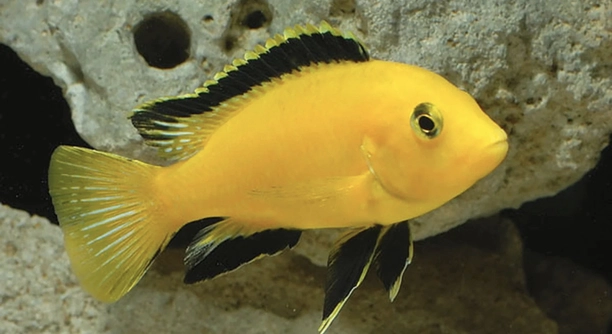
Are your fish mealtime routines feeling a bit repetitive? Floating food can make feeding more interactive and engaging for your aquatic pets. Experimenting with different techniques adds variety while encouraging natural behaviors and activity in your tank.
Floating food can be offered through multiple methods including hand feeding, feeding rings, skimmer use, slow-release feeders, target feeding, sinking-flake combination, and floating pellets dispersion. Each method supports efficient nutrient intake while promoting mental stimulation and minimizing waste.
Trying these methods can improve both the feeding experience and your fish’s overall wellbeing. Small changes in approach often make a noticeable difference in behavior.
Hand Feeding
Hand feeding allows you to interact closely with your fish, creating a calm and controlled environment. By placing small amounts of floating food directly in the water, you can observe which fish are eating and monitor their health more closely. This method encourages social behaviors and can help reduce aggression among tank mates. Start slowly, offering a few pieces at a time to avoid overfeeding. Fish will learn to associate your presence with mealtime, making feeding a predictable and less stressful part of their day. Hand feeding is also helpful for new or shy fish that may struggle to compete for food when it is dispersed across the tank. Over time, this technique can improve trust and allow you to notice subtle changes in behavior or appetite that might indicate health issues.
Hand feeding gives you direct control and helps track which fish are eating properly. It also strengthens your observation skills.
By incorporating hand feeding, you can create a more interactive routine that benefits both you and your fish. It allows selective feeding for weaker or smaller fish, reducing the risk of dominant individuals eating all the food. Additionally, it can help identify picky eaters and adjust diet accordingly. Overfeeding is easier to avoid, and leftover food can be removed quickly, maintaining water quality. This method is particularly effective in small or medium tanks where close observation is possible, giving you a chance to notice behavior and health changes early. The connection developed during feeding can make the fish more comfortable around you, reducing stress and creating a peaceful environment.
Feeding Rings
Feeding rings help keep floating food in a designated area, preventing it from drifting and losing nutrients. They are particularly useful for surface feeders who enjoy congregating in one spot. This method reduces waste and makes cleaning easier while allowing you to monitor consumption.
Feeding rings concentrate food for efficient feeding and cleaner tanks.
Using feeding rings can make mealtime more organized and controlled. They allow surface-feeding fish to eat without competing too much, especially in tanks with multiple species. The ring keeps food from scattering, which is ideal for smaller tanks or those with strong currents. By limiting where the food floats, you also reduce the chance of uneaten particles decomposing in corners or under decorations, which could affect water quality. Feeding rings come in various sizes and shapes, so choosing one that matches your tank and fish size is important. Some are weighted to stay in place, while others float freely. Over time, your fish will learn to congregate around the ring, making it easier to ensure each fish gets enough food while keeping your tank cleaner.
Slow-Release Feeders
Slow-release feeders gradually dispense floating food over time, reducing the risk of overfeeding. They are helpful for busy schedules or when you want to ensure fish have access to food throughout the day. This method keeps your tank cleaner and promotes steady eating habits.
These feeders work by slowly letting food fall into the water, keeping portions consistent. Fish can nibble at their own pace, which is especially useful for tanks with multiple species that eat differently. It also prevents sudden spikes in waste that can affect water quality. Regular maintenance ensures the feeder doesn’t clog and the food remains fresh.
Using slow-release feeders can make feeding more manageable while supporting healthier tank conditions. Fish receive food throughout the day, encouraging natural grazing behaviors. This method can reduce stress, as competition for food is minimized. It’s important to monitor how much food is dispensed and adjust according to tank size and fish population. Choosing the right feeder ensures all fish have access while maintaining water cleanliness. Proper placement in calm areas helps avoid food drifting too quickly to corners or decorations, keeping feeding efficient and organized.
Target Feeding
Target feeding allows precise delivery of floating food to specific fish. It is useful for weaker, smaller, or selective eaters that might struggle to compete. By controlling portions, you prevent dominant fish from taking all the food, improving overall nutrition balance.
This method involves using tools such as pipettes, feeding sticks, or spoons to drop food directly near the intended fish. It encourages fish to approach specific areas, making feeding controlled and predictable. It also allows observation of each fish’s response and appetite. Regular use can help develop trust and reduce anxiety during feeding.
Target feeding supports careful monitoring of individual fish health and dietary intake. By delivering food directly, you can ensure all fish get sufficient nutrition without excess waste. It works well in mixed-species tanks or for fish with slower feeding speeds. The process helps prevent overfeeding and maintains water quality, as uneaten food is minimized. Over time, fish become accustomed to receiving food in targeted spots, making them easier to manage and monitor. This method is particularly beneficial for delicate or recovering fish, ensuring they get the nutrients they need for growth and resilience.
Sinking-Flake Combination
Combining floating and sinking flakes allows fish to feed at multiple levels. Surface feeders enjoy the floating food, while mid-level or bottom dwellers can eat flakes that slowly sink, ensuring everyone gets a portion without competition or stress.
This method balances nutrition for all fish types. It also reduces leftover food on the surface and bottom, keeping water cleaner and minimizing waste buildup. Fish adapt quickly to the combination, promoting natural feeding behaviors across different tank levels.
Floating Pellets Dispersion
Dispersing floating pellets evenly across the water surface encourages movement and foraging. Fish spread out naturally, preventing dominance by aggressive individuals. This method supports activity and mental stimulation while ensuring more even access to food.
Skimmer Use
Using a skimmer while feeding floating food helps catch uneaten particles before they sink. This keeps the tank clean, reduces harmful buildup, and maintains water quality. Consistent use prevents leftover food from affecting tank health and keeps feeding controlled and efficient.
What is the best type of floating food for my fish?
The best floating food depends on the species in your tank. Most tropical fish do well with small floating pellets or flakes that remain on the surface long enough for all fish to eat. Larger fish may need bigger floating wafers or specially formulated pellets. It’s important to choose food that sinks slowly so surface feeders can consume it first while still allowing some food to reach mid-level or slower eaters. Always check the ingredients for nutritional balance, including protein, vitamins, and minerals. Rotating between brands or types occasionally can help ensure your fish get a variety of nutrients.
How often should I feed my fish floating food?
Feeding frequency varies by species, age, and tank size. In general, adult fish can be fed once or twice a day, giving only the amount they can consume in two to three minutes. Overfeeding can lead to water quality problems, such as excess waste and algae growth. Juvenile or fast-growing fish may need slightly more frequent feedings, split into smaller portions. Using slow-release feeders or multiple short sessions can help maintain proper nutrition without overwhelming the tank. Observation is key—adjust feeding based on how quickly the food disappears and the health of your fish.
Can floating food help reduce aggression among fish?
Yes, floating food can reduce aggression if dispersed properly. Dominant fish often chase others away from food, but by spreading floating pellets across the surface, multiple fish can eat simultaneously. Feeding rings or targeted feeding can also help weaker fish get access. Observing how your fish interact during feeding helps identify aggressive behavior and adjust placement or portion sizes to minimize competition. For very aggressive species, splitting the feeding area or providing separate sections with floating food may be necessary to protect smaller or shy fish.
Is it safe to leave floating food in the tank for long periods?
Leaving floating food in the tank for extended periods is not recommended. Uneaten food can sink, decay, and negatively affect water quality by raising ammonia and nitrate levels. It can also encourage unwanted bacteria or algae growth. If fish do not finish the food within a few minutes, remove the leftovers promptly using a net or siphon. Slow-release feeders are a safer alternative for extended feeding, as they control the amount of food released over time without leaving excess floating particles. Monitoring the tank and adjusting feeding habits helps maintain a healthier environment.
Can floating food be used for all types of freshwater fish?
Floating food works well for most freshwater species, especially those that feed at the surface. However, bottom-dwelling fish, such as catfish or loaches, may not benefit from floating food alone. Combining floating and sinking flakes or pellets ensures all fish get enough to eat. Some species prefer specific textures or sizes, so experimenting with different types can help determine what works best. Using floating food in combination with other feeding methods creates a more balanced approach and encourages natural feeding behaviors in the tank.
How do I prevent floating food from breaking apart too quickly?
Floating food can disintegrate faster in fast-flowing water or if left too long. To prevent this, select high-quality pellets or flakes designed to float for several minutes. Avoid overloading the water at once, which can cause clumping or rapid sinking. Feeding smaller amounts at a time and spacing out portions can help maintain the integrity of the food. Using feeding rings or target feeding tools can also slow the dispersal and keep pieces intact, allowing fish to consume them fully. Proper storage in a cool, dry place ensures freshness and reduces premature breakdown.
Can I feed frozen or live food as floating options?
Yes, frozen or live food can be offered as floating options if they are buoyant. Frozen food should be thawed first, and live food such as brine shrimp naturally floats and encourages active foraging. This type of feeding adds variety, supplements nutrition, and stimulates natural hunting behaviors. Mixing frozen or live food with standard floating pellets can make mealtime more engaging and nutritious. Ensure that live food is safe and free of parasites, and introduce it in small amounts to prevent overfeeding and maintain water quality.
What are the signs that my fish are not eating floating food properly?
If fish ignore floating food, it may indicate stress, illness, or inappropriate food size. Uneaten food accumulating on the surface or sinking can signal that adjustments are needed. Observe each fish—if some are missing meals, consider target feeding or combining floating food with sinking options. Changes in appetite, sluggish behavior, or visible health issues can also indicate dietary or environmental problems. Regular observation during feeding helps identify these issues early, allowing corrective action such as adjusting portion size, food type, or feeding method to ensure all fish receive proper nutrition and remain healthy.
How can floating food help with tank maintenance?
Using floating food strategically can simplify tank maintenance. By controlling how and where food is dispersed, you reduce waste settling on the bottom. Tools like feeding rings or slow-release feeders keep food in one area, making leftovers easier to remove. Monitoring feeding habits ensures that overfeeding doesn’t contribute to water pollution. Maintaining consistent feeding routines with floating food supports both fish health and cleaner tanks, minimizing the need for frequent water changes or extra cleaning, while encouraging natural feeding behaviors that make your aquarium more orderly and balanced.
Can floating food be used in planted tanks?
Yes, floating food works in planted tanks, but placement matters. Food that drifts into plants may get trapped, decomposing and affecting water quality. Using feeding rings or gently dispersing food in open areas prevents this. Combining floating and sinking food allows all fish to eat while protecting delicate plants. Careful monitoring ensures plants remain unharmed and fish get proper nutrition. Adjusting feeding location and portion size helps maintain balance between healthy plant growth and active, well-fed fish, creating a thriving tank environment.
Is it possible to overfeed with floating food?
Overfeeding is common if floating food is given in excess. Fish can eat only a limited amount at a time, and leftovers can decay, harming water quality. Feeding smaller portions and removing uneaten food after a few minutes prevents this. Observation and consistent portion control are essential to avoid overfeeding. Using tools like slow-release feeders or target feeding helps manage intake, ensuring fish receive enough nutrition without excess. Overfeeding can lead to obesity, stress, and disease, so careful monitoring during feeding is crucial for a healthy aquarium.
How do I choose the right floating food for different fish sizes?
The size of floating food should match the fish’s mouth size. Small fish require tiny pellets or flakes, while larger species need bigger pieces. Too large or too small food can lead to wasted food or difficulty eating. Observing how quickly each fish consumes the food helps determine the right size. Rotating food types can also address nutritional needs and prevent selective feeding. Matching food size ensures all fish get proper portions, supports healthy growth, and reduces waste that could impact water quality, making feeding more efficient and effective for the entire tank.
Can floating food help encourage shy or new fish to eat?
Floating food is effective for encouraging shy or new fish to eat. By offering food in small, controlled amounts and at predictable locations, you reduce stress and competition. This allows hesitant fish to approach slowly, gaining confidence during mealtime. Target feeding or hand feeding can further support these fish, ensuring they get proper nutrition while acclimating to the tank environment. Gradual introduction of floating food builds a routine that new or timid fish can adapt to without feeling overwhelmed, improving their overall health and adjustment to the tank community.
What should I do if fish leave floating food uneaten?
If fish leave floating food uneaten, remove it promptly to prevent decay and water issues. Consider adjusting portion size, type of food, or feeding method. Some fish may prefer sinking food, so combining options can help. Observation helps determine why food is ignored and allows for corrections. Monitoring feeding habits ensures that all fish are eating enough while maintaining clean water. Uneaten food may indicate illness, stress, or inappropriate food choice, so addressing the root cause is essential for both fish health and tank quality.
How does floating food support natural fish behaviors?
Floating food encourages natural surface feeding and foraging behaviors. Fish learn to swim actively, compete fairly, and interact with their environment. It stimulates mental and physical activity while promoting normal instincts. Using floating food mimics natural feeding patterns found in rivers, lakes, or ponds, keeping fish engaged and healthy. Regular use supports social interaction among species, improves appetite regulation, and reduces stress by creating a structured, predictable feeding routine. Combining floating food with other feeding methods allows fish to exhibit a range of natural behaviors across tank levels.
Can floating food be used with both freshwater and brackish species?
Yes, floating food works for both freshwater and brackish species. The key is selecting appropriate nutrition and size for the specific fish. Brackish species may require slightly harder pellets or flakes to withstand water salinity. Both types benefit from surface feeding stimulation, but portion control and monitoring are important to maintain water quality. Observing how each species consumes floating food helps adjust feeding practices, ensuring all fish receive sufficient nutrition while minimizing waste in different water conditions. Floating food can be adapted for various environments with proper choice and feeding technique.
How do I store floating food to keep it fresh?
Store floating food in a cool, dry place, away from sunlight and humidity. Proper storage prevents moisture absorption, mold growth, or nutrient loss. Keep it sealed in airtight containers and avoid exposure to air. Check expiration dates regularly and discard food that looks or smells off. Fresh, well-stored food maintains its buoyancy, nutritional value, and flavor, ensuring fish receive high-quality feed during every meal. Rotating food and maintaining storage hygiene supports long-term tank health and minimizes waste from spoiled pellets or flakes.
Floating food can make feeding fish a simpler and more organized process. It allows for easy observation of which fish are eating and how much, which is important for maintaining their health. Using floating food helps prevent waste from sinking immediately to the bottom, which can reduce the risk of water contamination. It also gives fish a chance to feed naturally at the surface, encouraging behaviors similar to what they would do in their natural environment. Over time, this can create a more interactive and manageable feeding routine, especially for tanks with multiple fish species that eat at different speeds. Adjusting the amount of food and spreading it evenly ensures that all fish get their share and minimizes leftover particles that can harm water quality.
Different methods of offering floating food, such as hand feeding, feeding rings, slow-release feeders, or target feeding, provide flexibility depending on the tank setup and the types of fish you have. Hand feeding can help build trust with your fish while monitoring individual intake, and feeding rings or slow-release options can make feeding more efficient and less stressful for both fish and caretaker. Combining floating food with sinking flakes or pellets can ensure that bottom dwellers and mid-level feeders also receive proper nutrition. Paying attention to how your fish respond and adjusting methods accordingly will improve both their overall health and the cleanliness of your aquarium.
Consistency is key when using floating food. Feeding at the same times each day and monitoring how much is consumed can prevent overfeeding, reduce stress, and maintain water quality. Storing food properly and selecting the right type for your fish’s size and dietary needs ensures they receive the nutrients they require. Floating food can also be combined with occasional frozen or live food to provide variety and stimulate natural foraging behavior. With careful observation and the right techniques, floating food becomes a practical and effective tool for feeding your fish, supporting their wellbeing, and making tank maintenance easier.

Hello,
If you enjoy the content that we create, please consider saying a "Thank You!" by leaving a tip.
Every little bit helps us continue crafting quality advice that supports the health, happiness, and well-being of pets around the world, for pets of all shapes, sizes, and species.
We really appreciate the kindness and support that you show us!