
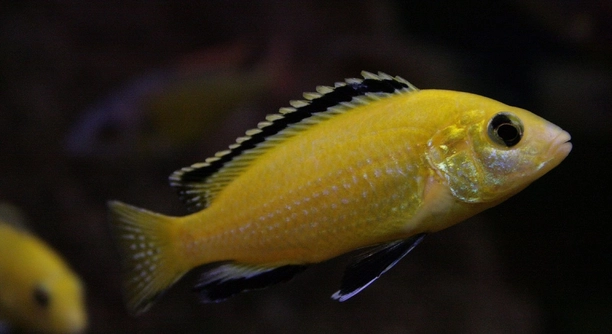
Do you ever notice your cichlids swimming with different energy levels, even when their tank looks calm and stable? Small changes in their environment can quietly influence how active and strong they appear.
Cichlid energy is strongly influenced by water temperature, oxygen levels, tank lighting, feeding schedules, social stress, tank size, and water cleanliness. These factors directly affect metabolism, muscle activity, and overall stamina, leading to noticeable variations in daily movement.
Learning how these hidden influences work can help create a calmer tank and support healthier, balanced fish activity.
Water Temperature Shifts
Cichlids respond quickly to small temperature changes, and I have noticed this many times in my own tank. When the water becomes slightly cooler, their movements slow down and they rest more often. When the temperature rises too much, they appear restless and swim with short, sharp bursts of energy. Their bodies rely on stable warmth to maintain steady muscle function and internal balance. Sudden temperature swings can force them to use extra energy to adjust, which reduces their overall activity. A stable heater helps create a consistent environment that allows them to move naturally without stress. Even a few degrees can change how alert and active they look throughout the day.
Keeping a steady temperature helps reduce stress and allows cichlids to conserve energy for natural swimming and feeding behavior.
When I adjusted my heater to stay consistent, I noticed calmer swimming patterns and fewer sudden movements. The fish appeared more relaxed, and their energy became balanced. This showed me how sensitive cichlids are to thermal stability.
Oxygen Levels and Water Movement
Low oxygen levels can quietly drain cichlid energy and make them swim near the surface.
I learned that oxygenation plays a major role in cichlid stamina when I added an air stone to my tank. Before that, my fish often hovered in one spot and showed limited interest in moving around. After improving water movement, their breathing became more even, and their swimming looked smoother and less forced. Proper surface agitation allows more oxygen to dissolve into the water, which supports healthy muscle use and overall energy. Filters that create gentle currents also help distribute oxygen across the tank. When oxygen is low, cichlids must work harder to breathe, reducing their available energy. By improving circulation, their activity levels increased in a natural and steady way.
Lighting and Daily Rhythm
Bright, harsh lighting can make cichlids feel exposed and reduce their steady energy levels. I have seen them hide more often under strong lights, which limits natural movement. Softer lighting allows them to swim calmly and conserve energy.
Consistent lighting schedules help set a natural rhythm for cichlids. When lights turn on and off at random times, their rest cycles become disrupted. I noticed more darting behavior and uneven activity when my tank light timer failed. A reliable light timer helps keep their biological clock stable, which supports steady energy. Balanced lighting also reduces stress caused by sudden brightness changes. When the photoperiod stays predictable, cichlids tend to swim more evenly throughout the day instead of showing sharp bursts of movement.
Light color temperature also plays a quiet role in their energy balance. Cooler, bluish lights can make the tank feel more open and intense, while warmer tones tend to calm the environment. I tested this by changing bulbs and saw a difference in how often my fish explored the tank. A balanced spectrum supports natural behavior and prevents constant alertness, which helps maintain stable energy levels.
Feeding Timing and Portion Size
Irregular feeding times can drain cichlid energy and create unstable daily movement patterns over time in aquariums.
Feeding too much food at once often causes quick spikes in activity followed by long periods of rest. I noticed this when I used to drop large portions in a single feeding. The fish would rush aggressively, then slow down and appear heavy afterward. Smaller, spaced-out feedings helped keep their energy consistent and reduced waste buildup in the tank. Overfeeding also affects water quality, which can further reduce their natural stamina. A routine feeding schedule supported smoother swimming patterns and healthier behavior. Controlled portions prevent digestive strain and allow nutrients to be processed efficiently, supporting stronger and steadier energy over time.
Tank Size and Swimming Space
Limited swimming space forces cichlids to use energy inefficiently and can make their movements look tense. I noticed more pacing and sudden stops when my tank felt crowded. A larger tank allows smoother swimming and better control of their energy.
Crowded tanks increase stress and reduce natural movement patterns over time. When too many fish share a small space, they compete for territory and resting spots. I saw more chasing and hiding behavior, which quickly drained their energy reserves.
Social Stress and Tank Mates
Aggressive tank mates can quietly lower cichlid energy by keeping them in a constant state of alertness. I have watched weaker fish spend long periods hiding instead of swimming freely. This lack of relaxed movement slowly reduces stamina and overall strength. Proper pairing and careful observation help prevent repeated stress. When territorial fights become frequent, energy is spent on defense instead of healthy activity. Removing overly aggressive fish helped restore a calm balance and allowed natural swimming to return.
Water Cleanliness and Filtration
Dirty water makes cichlids work harder to breathe and move, which slowly drains their stored energy over time.
FAQ
How often should I check water temperature for my cichlids?
I check my tank temperature at least twice a day, once in the morning and once in the evening. Small fluctuations can noticeably affect my cichlids’ energy. Using a reliable thermometer and a stable heater helps keep the temperature consistent and avoids sudden drops or spikes that stress the fish.
Can oxygen levels be too high?
While low oxygen is a clear problem, extremely high levels are rarely an issue in a typical home tank. I focus on gentle water movement and surface agitation rather than forcing strong currents, which can tire the fish. Balanced aeration is enough to maintain healthy energy without overstimulation.
Do all cichlids respond the same way to lighting?
No, species differences matter. I have noticed that some cichlids prefer dimmer areas, while others are more active under moderate light. Observing your specific fish helps adjust lighting schedules and intensities so their activity stays steady and natural.
How do I know if my cichlids are stressed by feeding schedules?
Uneven energy and sudden bursts of frantic swimming are clear signs. I used to feed at irregular times and saw the fish become restless and aggressive. Switching to consistent portions at the same times every day calmed their movements and helped maintain balanced energy.
Can tank size really affect energy levels?
Yes, a small tank restricts swimming and increases competition for space. I noticed pacing, sudden stops, and heightened territorial behavior in crowded setups. A larger tank allows free movement, encourages exploration, and reduces unnecessary energy expenditure, resulting in healthier, steadier activity.
How do social interactions influence energy?
Aggressive or territorial fish can force others to hide constantly. I observed that weaker cichlids spent most of their time in corners or behind decorations when housed with dominant fish. Separating overly aggressive individuals or creating more hiding spaces helps preserve energy and prevents chronic stress.
Does water cleanliness really affect stamina?
Yes, poor water quality strains respiration and reduces energy. I kept up with weekly partial water changes and regular filter maintenance, which made a visible difference in swimming behavior. Clear, well-filtered water ensures that oxygen levels and nutrients remain optimal, keeping energy consistent.
Are there signs that my cichlids’ energy is naturally low due to illness?
Unusual lethargy, clamped fins, or refusal to eat can indicate health issues rather than environmental factors. I observed that when a fish showed prolonged low activity despite stable water conditions, a vet check revealed early signs of infection. Early attention helps restore natural energy before it declines further.
Can diet affect energy levels?
Absolutely. I feed a balanced mix of protein and vegetable-based pellets. Overfeeding causes lethargy, while underfeeding reduces stamina. Observing how energy changes after adjustments can guide portion sizes and meal frequency to support natural swimming behavior.
Is it necessary to change multiple factors at once?
I usually adjust one factor at a time to see its impact. Changing temperature, feeding, or lighting all at once can make it difficult to determine what truly affects energy. Step-by-step adjustments provide clearer insight and maintain stability for the cichlids’ well-being.
How long does it take to see improvements in energy after adjustments?
Improvements can appear within a few days for small changes like feeding schedule adjustments. Bigger environmental shifts, such as tank expansion or water quality improvements, may take one to two weeks. I found that patience is key when observing steady and healthy energy levels.
Can stress from handling affect energy?
Yes, frequent netting or rearranging decorations can temporarily reduce energy. I try to limit handling to essential maintenance only. Reducing unnecessary disruptions allows cichlids to maintain their normal activity and swim freely without sudden drops in stamina.
What is the best way to combine all factors for optimal energy?
Consistency is key. I focus on stable temperature, regular feeding, proper lighting, clean water, and peaceful tank mates. Monitoring each factor individually and adjusting gradually helps maintain steady energy, natural swimming patterns, and overall well-being for all my cichlids.
This FAQ captures the practical adjustments I’ve used to keep my cichlids active, calm, and healthy, reflecting how simple environmental care directly affects their energy.
Caring for cichlids requires attention to the small details that influence their daily energy. Over time, I learned that factors like temperature, water quality, tank size, and lighting all play a significant role in how these fish behave. Even slight variations in their environment can create noticeable changes in activity levels. Stable water temperature helps maintain steady metabolism, while proper oxygenation allows smooth breathing and natural swimming patterns. I noticed that when one element is off, such as low oxygen or poor filtration, the fish move less and rest more than usual. Consistency is more important than perfection, and making gradual adjustments can make a big difference in overall health and energy.
Feeding habits also directly affect cichlid activity. I found that irregular feeding times or large portions at once often caused bursts of frantic swimming followed by long periods of rest. Adjusting to smaller, regular portions helped the fish maintain steadier energy throughout the day. Different species may also have unique dietary needs, so observing how they respond to food and portion sizes is essential. Additionally, tank mates and social structure influence activity levels. Aggressive or territorial fish can keep others constantly alert, which drains energy. Providing adequate space, hiding spots, and compatible tank mates encourages natural movement and reduces stress. Combining these practical steps creates a balanced environment where cichlids can swim freely, rest appropriately, and use energy efficiently.
Lighting, water movement, and cleanliness also play quiet but important roles. I observed that proper lighting schedules support natural rhythms, while gentle water currents help distribute oxygen evenly. Dirty or poorly filtered water increases effort needed for basic swimming and respiration, which lowers stamina. Keeping up with regular maintenance, including partial water changes and filter cleaning, ensures optimal conditions. Over time, these combined adjustments—consistent feeding, appropriate tank conditions, and careful attention to social dynamics—result in calmer, healthier, and more predictable energy levels. Watching the fish swim actively and steadily reinforced the importance of observing and responding to their needs. Maintaining these habits allows cichlids to thrive naturally and helps me feel confident that their environment supports their overall health.

Hello,
If you enjoy the content that we create, please consider saying a "Thank You!" by leaving a tip.
Every little bit helps us continue crafting quality advice that supports the health, happiness, and well-being of pets around the world, for pets of all shapes, sizes, and species.
We really appreciate the kindness and support that you show us!