
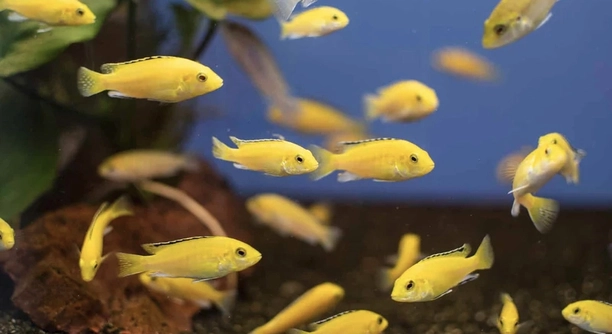
Cichlids are fascinating freshwater fish, admired for their bright colors and unique behaviors. Observing their growth can be rewarding, as each stage of development shows important changes in size, shape, and overall health.
Cichlid development progresses through seven key stages, each characterized by specific physiological and behavioral milestones. From fertilization and embryonic growth to fry maturation, these stages are essential for understanding species survival, breeding success, and optimal care in aquaculture.
Learning about these stages can improve breeding outcomes and daily care practices, ensuring your cichlids thrive in a healthy environment.
Fertilization and Early Embryonic Development
Fertilization marks the very beginning of a cichlid’s life. Once the eggs are fertilized, they undergo rapid cell division. The female often guards the eggs carefully, ensuring they remain safe from predators or debris. At this stage, the embryos are tiny but developing complex structures. The yolk provides nutrients, supporting the initial growth of essential organs like the heart, brain, and digestive system. Temperature and water quality play a crucial role, as unstable conditions can slow development or cause abnormalities. This period is fragile, requiring close observation. Some cichlid species carry the eggs in their mouths, a behavior known as mouthbrooding, offering extra protection and oxygenation. This instinct increases survival rates, giving the offspring a better start. By the end of this stage, the embryos have formed distinct body segments and early organ systems, preparing for hatching and the next stage of development.
Early care and proper conditions greatly impact the survival of the embryos.
Understanding fertilization and embryonic growth helps ensure healthy, viable fry for future development and breeding success.
Hatching and Fry Stage
Hatching occurs when the fully developed embryo leaves the egg, entering the fry stage. Fry are tiny, fragile, and highly vulnerable to water conditions and predators.
During this stage, fry rely heavily on their yolk sac for nutrients while adjusting to independent swimming. The first few days are critical, as their digestive systems are still forming and they gradually begin to search for external food. Proper water temperature, oxygenation, and cleanliness are essential to avoid stress or disease. Parental care varies; some species continue to protect fry, while others release them into the environment immediately. Observing their movement, growth rate, and behavior can provide early warnings of potential issues. Fry gradually develop fins, scales, and pigmentation, which makes them more resilient. This stage sets the foundation for future growth, influencing size, coloration, and survival rates. With careful attention, fry will transition smoothly to the juvenile stage, ready to begin more active feeding and growth.
Managing water quality, feeding, and protective measures during hatching ensures stronger, healthier cichlids as they grow.
Juvenile Stage
Juvenile cichlids begin to show more active swimming and start exploring their environment. They feed on small particles, gradually transitioning from yolk dependence to external food sources.
At this stage, growth accelerates. Juveniles develop stronger fins and scales, which improve swimming and provide better protection. Their coloration starts to appear but remains faint compared to adults. Social behavior becomes noticeable, including interactions with siblings or other tank mates. Maintaining stable water parameters, proper nutrition, and minimal stress is critical. Inconsistent conditions can stunt growth or weaken their immune system. This period is essential for developing healthy skeletal structures and internal organs. Parents may still offer protection for some species, though the level of care varies. Monitoring feeding habits and activity ensures juveniles gain the strength needed for the next developmental phase.
Proper care during this stage impacts long-term health, resilience, and eventual adult size. Regular observation helps address minor issues before they affect overall development.
Subadult Stage
Subadult cichlids display more distinct physical traits, including clearer patterns and stronger coloration. Their body shape becomes more defined, and fin development is nearly complete. They feed more actively, requiring higher-quality diets to support rapid growth and energy needs.
Behaviorally, subadults start establishing territories and social hierarchies. Aggression may increase, particularly in confined spaces or when food is limited. Observing interactions is important to prevent injuries or stress. At this stage, environmental enrichment, such as hiding places or structures, helps reduce conflict and encourages natural behaviors. Water quality remains a priority, as subadults are still sensitive to poor conditions. Growth is steady, and consistent feeding supports muscle and organ development. Proper nutrition and care during the subadult phase significantly influence reproductive maturity, health, and coloration in adulthood.
By the end of this stage, subadults are approaching sexual maturity, showing the potential for future breeding readiness and adult behavior patterns.
Adult Stage
Adult cichlids reach full size and display vibrant, mature coloration. Their fins and body shape are fully developed, reflecting health and genetics.
Behavior becomes more defined. Adults establish territories, show mating behaviors, and interact socially with other fish in consistent patterns.
Reproductive Maturity
At reproductive maturity, cichlids develop specialized behaviors and physical traits for breeding. Males often display brighter colors and may defend territories to attract females. Females produce eggs and may prepare nesting sites or practice mouthbrooding, depending on the species. Successful reproduction depends on optimal water conditions, balanced nutrition, and minimal stress. Pair bonding, courtship displays, and cooperative care of offspring are critical for higher survival rates. Environmental enrichment and proper tank management encourage natural behaviors and increase reproductive success. Understanding these dynamics ensures healthier, more vibrant adults and supports sustainable breeding practices within an aquarium or controlled habitat.
Aging and Senescence
As cichlids age, growth slows and colors may fade slightly. Older fish require stable conditions and gentle care.
FAQ
What is the best temperature for cichlid development?
Maintaining a stable water temperature is crucial. Most cichlid species thrive between 24°C and 28°C (75°F to 82°F). Sudden temperature changes can stress embryos, fry, and juveniles, slowing growth or causing deformities. Using a reliable aquarium heater and thermometer ensures the water remains consistent, supporting healthy development through all stages.
How often should I feed fry and juveniles?
Fry need frequent, small feedings due to their tiny stomachs and rapid metabolism. Feeding 3–5 times daily with finely crushed or liquid foods works best. Juveniles can gradually transition to larger portions and slightly less frequent feedings, usually twice a day. Monitoring consumption ensures food isn’t left uneaten, which can affect water quality.
Do cichlids need special care during hatching?
Yes. Fry are highly sensitive to water conditions. Clean, well-oxygenated water is essential. Some species benefit from parental protection, such as mouthbrooding, while others require separate rearing tanks to avoid predation. Providing gentle aeration and minimal disturbance reduces stress and improves survival rates.
When do cichlids reach sexual maturity?
Most cichlids reach reproductive maturity between six months to one year, depending on species and care. Proper nutrition, water quality, and space influence the timing. Signs of maturity include brighter colors, fin development, and, in some species, courtship behavior or territory establishment. Observing these changes helps prepare for breeding.
What signs indicate unhealthy development?
Unhealthy cichlids may show stunted growth, faded colors, erratic swimming, or poor appetite. Fry and juveniles are especially vulnerable to deformities caused by poor water quality, insufficient nutrition, or stress. Early detection allows corrective measures, such as adjusting feeding routines, water parameters, or tank setup.
How important is tank size for development?
Tank size directly affects growth, behavior, and stress levels. Overcrowding can lead to aggression, competition for food, and slowed development. Larger tanks allow cichlids to establish territories, explore naturally, and grow at a healthy pace. Choosing an appropriately sized tank for each stage is essential.
Can I mix different cichlid species during development?
Mixing species is possible but requires careful planning. Aggression levels, size differences, and habitat requirements must be considered. Juveniles may coexist peacefully, but adults often display territorial behavior. Monitoring interactions and providing hiding spaces reduces conflict and ensures proper growth for all fish.
How long does each development stage last?
Stage duration varies by species and environmental conditions. Embryonic development lasts several days, fry depend on yolk sacs for roughly a week, and juvenile growth continues for several weeks. Subadult and adult stages extend until sexual maturity and beyond. Providing consistent care ensures steady progression through each stage.
What foods support optimal development?
High-quality, species-appropriate foods promote growth and coloration. Fry often require powdered or liquid foods, while juveniles benefit from small pellets or flakes. Adults need balanced diets including protein, vegetables, and occasional live or frozen foods. Proper nutrition strengthens immune systems, supports organ development, and enhances color patterns.
How do I encourage natural behaviors during development?
Providing hiding places, structures, and clean substrates encourages exploration, territorial displays, and social interactions. Observing behaviors allows adjustment of tank setup to reduce stress. Environmental enrichment supports normal physical and behavioral development, ensuring healthier, more resilient adult cichlids.
What are common mistakes in raising cichlids?
Overfeeding, poor water quality, overcrowding, and ignoring early signs of stress are frequent errors. Neglecting these aspects can stunt growth, trigger disease, or increase aggression. Following proper feeding routines, maintaining clean water, and monitoring behavior help avoid these issues.
How can I monitor development effectively?
Regular observation is key. Track growth, coloration, fin development, and behavior. Recording milestones for each stage helps identify potential problems early. Observing interactions, feeding habits, and response to environmental changes ensures timely adjustments, promoting healthy development throughout all stages.
Are there differences in development between species?
Yes. Cichlid species vary in growth rate, coloration patterns, and reproductive behaviors. Mouthbrooders, substrate spawners, and territorial species each require slightly different care. Understanding species-specific traits helps provide tailored environments and feeding strategies for optimal development.
Can stress affect cichlid growth?
Stress slows growth, weakens immunity, and can cause deformities. Common stressors include poor water quality, overcrowding, sudden temperature changes, or frequent handling. Minimizing disturbances, maintaining stable conditions, and providing hiding places reduces stress and supports healthy development.
Is it necessary to separate males and females during early development?
Not always. Separation is rarely required during early stages unless aggression occurs. Monitoring interactions ensures that dominant individuals do not harm others. Once sexual maturity approaches, separation may be necessary to prevent early breeding conflicts and territorial disputes.
How does water quality impact development?
Water quality is critical at all stages. Ammonia, nitrite, and nitrate levels must remain low. pH, temperature, and hardness should match species requirements. Poor water conditions can stunt growth, cause deformities, or increase susceptibility to disease. Regular testing and adjustments safeguard healthy development.
When should I consider breeding my cichlids?
Breeding should occur after adults reach full sexual maturity, show strong health, and exhibit courtship behaviors. Proper preparation includes optimal tank conditions, diet, and understanding species-specific breeding strategies. Observing readiness ensures higher chances of successful reproduction and healthy offspring.
How long do cichlids typically live?
Lifespan varies by species but generally ranges from 5 to 15 years with proper care. Providing stable conditions, balanced nutrition, and minimizing stress maximizes longevity and ensures healthy development from fry to adult stages.
What signs show successful development in adults?
Healthy adults display vibrant colors, strong fins, normal feeding habits, and typical social interactions. Reproductive readiness, territorial behavior, and consistent growth indicate proper development throughout earlier stages. Monitoring these signs confirms successful progression from fry to adult.
Can I raise cichlids entirely indoors?
Yes. Indoor aquariums provide controlled conditions for temperature, water quality, and feeding. Proper setup and care allow all stages of development to proceed safely. Consistent monitoring and tank maintenance ensure that indoor environments support healthy growth from fertilization to adulthood.
Write in simplistic style 3 paragraphs for the header: Final Thoughts. Use a neutral tone. (write at least 400 words)

Hello,
If you enjoy the content that we create, please consider saying a "Thank You!" by leaving a tip.
Every little bit helps us continue crafting quality advice that supports the health, happiness, and well-being of pets around the world, for pets of all shapes, sizes, and species.
We really appreciate the kindness and support that you show us!