
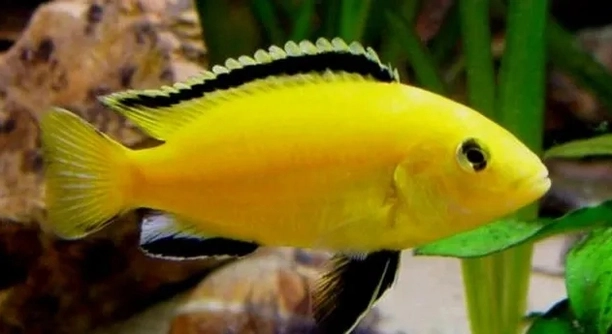
Uneven growth in cichlid fry is a common concern for many aquarists. Observing some fry outpace others in size can be frustrating, especially when you want a healthy, thriving group in your tank.
Uneven growth in cichlid fry is primarily caused by factors such as inconsistent feeding, poor water quality, inadequate tank space, stress from overcrowding, genetic variability, parasitic infections, and improper nutrition. Identifying these causes is essential for managing fry development effectively.
Recognizing these growth factors early can help maintain a balanced and healthy fry population in your aquarium environment. Proper care ensures their long-term well-being and vitality.
Inconsistent Feeding
Cichlid fry require frequent, small meals to support their rapid growth. Skipping feedings or providing uneven amounts can lead to slower growth in some fry compared to others. Fry that eat less often may be outcompeted by more aggressive siblings, creating noticeable size differences. High-quality, protein-rich foods are essential, and feeding should be spread throughout the day. Overfeeding, however, can pollute the water, causing stress and affecting growth. Observing the fry during feeding times helps ensure all individuals are eating enough. Adjusting feeding methods, such as using separate feeding areas or dispersing food evenly, can reduce competition. Fry that receive consistent nutrition are more likely to grow evenly and reach developmental milestones on time. Maintaining a routine and monitoring food intake helps prevent growth disparities that may affect the overall health of the tank. Balanced, consistent feeding is a cornerstone of successful fry care.
Providing consistent and balanced meals prevents many growth issues in cichlid fry and ensures healthier development.
Tracking feeding habits and observing how fry respond can highlight nutritional gaps, allowing adjustments before size differences become severe.
Poor Water Quality
Even small changes in water quality can stress cichlid fry and slow their growth. High ammonia, nitrite, or nitrate levels create an unhealthy environment, reducing appetite and weakening immune systems. Temperature fluctuations and improper pH levels further impact their development. Regular water changes and testing are critical to maintain optimal conditions. Fry are especially sensitive, so maintaining stable water chemistry supports steady growth. Filtration, aeration, and monitoring of water parameters help prevent stress-related growth delays. Stress can also make fry more susceptible to disease, compounding growth problems. Clean water ensures that fry expend energy on growth rather than coping with poor conditions. Observing behavior and signs of stress, such as lethargy or gasping at the surface, can indicate water issues that need immediate attention. Establishing a consistent water maintenance routine helps fry grow evenly and reduces long-term health risks.
Unstable water conditions can drastically affect fry growth and overall tank health.
Maintaining proper water parameters involves regular testing, partial water changes, and ensuring filtration is effective. Consistent care prevents uneven development, promotes stronger immunity, and reduces the likelihood of disease outbreaks. Observing fry regularly allows early detection of problems before they become serious, supporting healthier, more uniform growth. Proper tank management creates an environment where all fry have the opportunity to thrive.
Overcrowding
Overcrowding in a fry tank leads to competition for food, space, and oxygen. Fry in crowded conditions often experience stress, slower growth, and higher susceptibility to disease. Maintaining proper stocking levels is essential for healthy development.
Fry need room to swim and access food without constant competition. When too many fry occupy a small tank, dominant individuals may consume most of the food, leaving weaker fry undernourished. Overcrowding also increases waste accumulation, which affects water quality and further stresses the fry. Providing adequate space, separate rearing tanks, or using dividers can help manage numbers effectively. Proper tank size allows fry to grow more evenly and reduces aggressive interactions. Monitoring growth patterns in crowded tanks can help identify fry that need extra attention or relocation. Consistent care and adequate space are key to preventing uneven development.
Separating fry when numbers are high prevents stunted growth and ensures that all individuals receive adequate nutrition and oxygen.
Genetic Variability
Genetic differences influence how quickly cichlid fry grow, even under ideal conditions. Some fry naturally grow faster due to inherited traits, while others develop more slowly.
Fry from different genetic backgrounds may show noticeable size variation, with some appearing larger or more robust early on. This is normal and does not always indicate a health problem. Selective breeding and monitoring lineage can help predict growth patterns and manage expectations for size differences. Genetic factors also affect metabolism, feeding efficiency, and resistance to stress or disease. While care and environment can optimize growth, genetics sets the baseline for each fry’s potential. Recognizing these differences allows for better management of feeding and tank conditions. Understanding the role of genetics ensures a balanced approach to fry care.
Even with perfect care, some size differences among fry are natural due to inherited traits and growth potential.
Stress from Tank Mates
Fry are easily stressed by aggressive or larger tank mates. Constant harassment can reduce feeding, stunt growth, and weaken immunity. Providing a safe, separate space minimizes stress and supports healthier development.
Even minor disturbances from other fish can cause uneven growth. Hiding spots, plants, or breeding boxes help fry feel secure and grow more consistently.
Parasitic Infections
Parasitic infections can slow fry growth by reducing appetite and nutrient absorption. Parasites such as protozoans or worms weaken fry, making them more susceptible to other health issues. Early detection and treatment are critical to prevent long-term growth problems and ensure all fry have a chance to develop properly.
Improper Nutrition
Feeding fry low-quality or unbalanced foods impacts growth rates. Fry need protein-rich, easily digestible food to support rapid development.
Overfeeding
Excessive feeding can harm fry by polluting water and stressing their system. Controlled feeding maintains growth and tank health.
FAQ
Why are some of my cichlid fry growing slower than others?
Slower growth in certain fry is usually due to a combination of feeding competition, stress, water quality, and genetics. Some fry naturally grow more slowly, but environmental factors often make the size differences more noticeable. Ensuring even feeding, stable water conditions, and adequate space helps reduce disparities.
How can I make sure all fry get enough food?
Distribute food evenly across the tank and observe the fry while feeding. Using a pipette, small spoon, or separate feeding areas ensures smaller or weaker fry can access enough nutrition. Feeding multiple times a day in small amounts prevents larger fry from dominating the food.
Can overcrowding really affect growth?
Yes, overcrowding increases competition for food, oxygen, and space. It also raises waste levels, affecting water quality. Fry in crowded tanks often show stunted growth or stress. Providing enough space and separating fry when needed allows healthier, more uniform growth.
Do genetics play a big role in fry growth?
Genetics determine growth potential, metabolism, and how fry respond to nutrition and stress. Some size differences are normal due to inherited traits. Even with perfect care, genetic variability means not all fry will grow at the same rate.
What water conditions are ideal for fry growth?
Stable temperature, proper pH, and low levels of ammonia, nitrites, and nitrates are essential. Regular water changes, proper filtration, and aeration help maintain healthy conditions. Unstable water parameters can stress fry and slow their growth significantly.
How can I reduce stress from tank mates?
Separate fry from aggressive or larger fish using breeding boxes, dividers, or dedicated fry tanks. Providing hiding spots with plants or decorations helps fry feel secure and reduces stress-related growth delays.
What signs indicate a parasitic infection?
Fry with parasites may show reduced appetite, lethargy, unusual swimming, or visible spots or worms. Early detection is important. Treating the tank with appropriate medications and maintaining good water quality helps prevent infections and ensures healthier growth.
Is overfeeding a problem for fry?
Yes, overfeeding leads to water pollution, increased stress, and growth issues. Uneaten food decomposes, raising ammonia and nitrate levels, which can harm fry. Feed small amounts multiple times a day and remove leftover food to keep water clean.
What foods are best for even fry growth?
High-protein, easily digestible foods like finely crushed flakes, micro-pellets, or live foods such as brine shrimp and daphnia support rapid and uniform growth. Avoid foods that are low in nutrients or hard to digest, as they can cause uneven development.
How often should I monitor my fry?
Daily observation is recommended. Look for signs of stress, uneven growth, disease, or aggressive behavior. Monitoring allows quick adjustments to feeding, water conditions, or tank arrangements, ensuring fry have the best chance to grow evenly and remain healthy.
Can small adjustments really make a difference in growth rates?
Yes, small changes in feeding frequency, water quality, or tank setup can significantly impact fry development. Even minor improvements help weaker fry catch up and prevent size differences from becoming more severe over time.
What is the most important factor for consistent fry growth?
Consistent care is key. Regular feeding, maintaining water quality, providing space, controlling stress, and monitoring for disease all work together. Balanced attention to each factor ensures that fry grow steadily and remain healthy throughout their early development stages.
How do I handle fry that are much smaller than their siblings?
Smaller fry may benefit from separate rearing or targeted feeding. Isolating them in a safe space with accessible food reduces competition and stress, helping them catch up in growth while preventing further health complications.
Can stress permanently stunt fry growth?
Extended stress can slow growth and affect immunity, making fry more vulnerable to disease. While short-term stress might only temporarily slow development, prolonged exposure to aggressive tank mates, poor water, or overcrowding can have lasting effects. Proper management minimizes these risks.
Is it normal for fry to have uneven growth at first?
Yes, slight differences in size are natural due to genetics and individual metabolism. Most fry will gradually even out if conditions are optimal, though some may remain smaller. Consistent care and observation help ensure that differences don’t become extreme.
How can I prevent uneven growth in future batches?
Plan for proper tank space, consistent feeding, high-quality nutrition, stable water parameters, and minimal stress. Selective breeding can also help reduce genetic disparities. Early attention to these factors supports healthier, more uniform fry development.
What should I do if water quality suddenly drops?
Perform immediate partial water changes and test for ammonia, nitrites, and nitrates. Remove uneaten food, clean filters if needed, and ensure proper aeration. Addressing water issues quickly prevents stress and growth setbacks in fry.
Are live foods necessary for fry growth?
Live foods are highly beneficial because they are nutrient-rich and encourage natural feeding behavior. Brine shrimp, daphnia, and microworms help fry grow faster and more evenly compared to solely dry foods. Variety ensures better nutrition and overall health.
How long does it take for fry growth to stabilize?
Growth usually evens out over several weeks if care and conditions are consistent. Some size differences will persist due to genetics, but most fry reach a more uniform stage as they develop stronger feeding habits and adapt to their environment.
Can stress from handling affect fry growth?
Yes, frequent handling or disturbances can cause stress, reducing feeding and slowing growth. Limit handling to essential tasks like water testing or tank maintenance, and be gentle to minimize negative effects on fry development.
What is the best approach to managing multiple growth factors at once?
Addressing feeding, water quality, space, and stress simultaneously is the most effective approach. Regular monitoring, consistent routines, and prompt adjustments create an environment that supports uniform growth and minimizes problems from any single factor.
How do I know if uneven growth is serious?
If size differences continue to widen despite proper care, or if smaller fry appear weak, lethargic, or ill, intervention is needed. Separate or support underperforming fry to prevent health issues and give them a chance to catch up.
How important is temperature control for fry growth?
Maintaining a stable, species-appropriate temperature is crucial. Fluctuations can stress fry, reduce appetite, and slow metabolism. Using a reliable heater and monitoring regularly ensures consistent growth rates across the entire group.
Can water plants help fry grow evenly?
Yes, plants provide hiding spots, reduce stress, and improve water quality. Fry feel safer and are less likely to be harassed by siblings, which supports more uniform growth and better overall health in the tank.
What role does tank size play in preventing uneven growth?
Adequate tank size reduces competition, ensures sufficient oxygen, and lowers stress levels. Fry have room to swim, access food, and establish territories, all of which contribute to healthier and more balanced growth across the group.
How often should I treat for parasites?
Regular observation is more important than routine treatment. Treat only when signs of parasitic infection appear. Overmedication can stress fry and damage water quality, so targeted treatment is safest and most effective.
Can fry recover from early uneven growth?
Yes, with proper care, smaller fry can catch up. Providing targeted feeding, reduced competition, stable water, and a low-stress environment helps them reach healthier growth levels alongside their siblings.
Is it better to raise fry in groups or individually?
Small groups are generally better for social development and activity, but if certain fry are lagging, temporary separation ensures they get enough food and grow evenly. Balance group dynamics with individual care as needed.
How does filtration affect fry growth?
Efficient filtration keeps water clean, oxygenated, and free of harmful chemicals. Poor filtration leads to stress and slower growth. Choose gentle filters that don’t suck in fry while maintaining good circulation and water quality.
Can fry get too much protein?
Yes, excessive protein can strain digestion and pollute water, creating stress and uneven growth. Provide a balanced diet with appropriate protein levels to support healthy development without harming water quality.
How important is observation in preventing growth issues?
Daily observation is critical. Watching for feeding habits, size differences, behavior, and signs of disease allows for early intervention. Small adjustments based on careful monitoring prevent minor problems from becoming serious growth setbacks.
Do all cichlid species have similar growth patterns?
Growth patterns vary among species. Some grow quickly, while others take longer to reach similar sizes. Understanding your specific species’ needs helps tailor feeding, tank conditions, and care to promote more uniform development.
Can adding hiding spots improve growth rates?
Yes, hiding spots reduce stress and aggression. Fry that feel secure eat better and expend energy on growth rather than avoiding threats, resulting in more consistent development across the group.
How does water flow impact fry growth?
Strong currents can tire fry and make feeding difficult. Gentle, consistent water flow ensures proper oxygenation while allowing fry to feed and swim efficiently, supporting healthy growth rates.
What are the long-term effects of uneven growth?
Persistent uneven growth can lead to weaker individuals, higher mortality, and health problems later in life. Early intervention and proper care help minimize long-term disadvantages for slower-growing fry.
Can diet variety make a difference in growth?
Yes, offering a mix of live, frozen, and high-quality dry foods ensures balanced nutrition. Variety prevents deficiencies, promotes even growth, and supports overall health in all fry.
Is it normal for some fry to remain smaller permanently?
Yes, some size differences persist due to genetics or early competition. Even with optimal care, a few fry may remain smaller but can still be healthy and active members of the tank.
How should I adjust care for different growth rates?
Smaller or slower-growing fry may need targeted feeding, temporary separation, or additional hiding spots. Adjusting care based on individual needs helps them catch up and reduces stress from larger siblings.
What is the best feeding schedule for fry?
Multiple small feedings throughout the day are ideal. This ensures all fry have access to food, reduces competition, and supports consistent growth. Feeding frequency and portion size should match fry age and species requirements.
Can stress from poor lighting affect fry growth?
Yes, intense or inconsistent lighting can increase stress and reduce feeding activity. Providing stable, moderate lighting with natural day-night cycles supports healthier growth and reduces behavioral stress in fry.
How do I know if growth issues are environmental or genetic?
If all fry are affected, environmental factors are likely the cause. If only certain individuals lag behind despite good conditions, genetics may play a larger role. Observing patterns helps guide adjustments in care.
What are the signs of healthy fry growth?
Healthy fry are active, feed regularly, and show gradual size increases. Even if slight size differences exist, fry should appear alert, swim normally, and respond to food without signs of stress or illness.
How important is tank cleanliness for growth?
Very important. Clean tanks prevent disease, stress, and poor water quality, all of which can slow growth. Regular maintenance, water changes, and removing waste are essential for consistent fry development.
Can overcrowding and poor water quality combine to worsen growth issues?
Yes, overcrowding raises waste levels, which degrades water quality. This combination stresses fry, reduces feeding efficiency, and slows growth. Addressing both factors simultaneously ensures healthier and more uniform development across all fry.
Is it okay to mix fry of different ages or sizes?
Mixing fry of different sizes can lead to competition and aggression. Larger fry may outcompete smaller ones for food. Keeping similarly sized fry together or separating smaller fry helps prevent growth disparities.
How do I know when fry are ready to transition to a larger tank?
Fry are ready when they are strong swimmers, actively feed on standard-sized food, and space in the current tank becomes limited. Gradually introducing them to a larger tank ensures continued growth without stress.
Can disease outbreaks affect growth even if some fry appear healthy?
Yes, disease can stress all fry, even those not visibly infected. Immune responses and environmental changes during outbreaks can slow growth. Prompt treatment and maintaining good water quality help protect all fry.
What is the safest way to introduce new fry to a tank?
Quarantine new fry, acclimate them slowly to water conditions, and monitor behavior. Introducing fry gradually reduces stress, prevents disease transfer, and helps maintain consistent growth rates among all individuals.
How can I balance growth and genetics in breeding programs?
Selective breeding can minimize extreme size differences while maintaining genetic diversity. Pairing healthy, robust individuals and monitoring offspring growth ensures more uniform fry development over successive generations.
Are there common mistakes that cause uneven growth?
Skipping feedings, overfeeding, poor water quality, overcrowding, stress, and ignoring signs of disease are common mistakes. Addressing these factors proactively helps prevent growth problems and ensures healthier fry.
How long should I expect to see results after adjusting care?
Improvements in growth may be noticeable within weeks, depending on the severity of prior issues. Consistent feeding, stable water, and stress reduction help fry catch up over time.
Can temperature fluctuations alone stunt growth?
Yes, even brief temperature changes can reduce metabolism, feeding activity, and growth rates. Maintaining stable, species-appropriate temperatures is essential for uniform fry development.
What is the role of vitamins and supplements in fry growth?
Vitamins and supplements support overall health, immunity, and proper development. Including fortified foods or occasional supplements ensures fry receive necessary nutrients, especially in early stages when growth is rapid.
How important is monitoring fry behavior?
Behavioral observation is crucial. Changes in activity, feeding patterns, or social interactions can indicate stress, disease, or nutritional deficiencies, allowing timely intervention to maintain even growth.
Can adding more hiding places slow growth?
No, hiding places reduce stress and competition, allowing fry to feed more efficiently and grow evenly. Lack of shelter can lead to aggression and slower development in weaker fry.
Are there species-specific growth concerns I should consider?
Yes, each cichlid species has unique growth rates, dietary needs, and behavior patterns. Understanding species-specific requirements helps prevent uneven growth and ensures all fry thrive.
How do I prevent growth gaps in mixed-species tanks?
Separate fry of different species or closely monitor feeding to ensure smaller or slower-growing species are not outcompeted. Species-specific care helps reduce growth disparities.
Is it normal for fry to stop growing temporarily?
Yes, brief pauses in growth can occur due to stress, water changes, or illness. Monitoring conditions and ensuring consistent care helps fry resume steady growth.
How do I know if my fry are stressed?
Signs include hiding excessively, reduced feeding, erratic swimming, and color changes. Stress impacts growth, so addressing the source promptly is essential for healthy development.
Can adding live plants improve growth rates?
Yes, plants improve water quality, reduce stress, and provide shelter. Fry feel secure, eat more efficiently, and expend less energy avoiding threats, supporting more uniform growth.
What is the best way to feed newly hatched fry?
Feed tiny, easily digestible foods like infusoria or microworms in frequent small amounts. This ensures all fry get enough nutrition without polluting the water. Gradually transition to larger foods as they grow.
How can I maintain even growth over time?
Maintain consistent feeding, stable water conditions, adequate space, low stress, and regular observation. Adjust care as needed and separate fry temporarily if growth disparities appear. Consistency is key to long-term uniform development.
What is the impact of early growth differences on adult fish?
Early differences can persist, affecting social hierarchy, health, and breeding potential. Addressing disparities during fry stages helps improve long-term health and reduces competitive disadvantages later.
How can I track growth effectively?
Measure fry regularly or visually compare sizes. Keeping a simple log helps identify slower-growing individuals and track the effectiveness of care adjustments over time.
Can fry grow unevenly even with perfect care?
Yes, genetics and natural variability mean some size differences will always exist. Proper care ensures these differences remain minor and do not compromise overall health or survival.
How important is aeration for fry growth?
Adequate oxygen supports metabolism, feeding, and overall health. Insufficient aeration stresses fry, slows growth, and increases vulnerability to disease. Gentle, consistent aeration benefits all individuals in the tank.
Should I isolate sick fry immediately?
Yes, isolating sick fry prevents disease spread, reduces stress on others, and allows targeted treatment. Early isolation supports recovery and minimizes growth setbacks for healthy fry.
Can fry overcompete even without overcrowding?
Yes, more aggressive fry may dominate food and space. Observing behavior and adjusting feeding methods or tank layout ensures smaller fry receive enough nutrition for even growth.
What is the impact of poor filtration on fry growth?
Poor filtration leads to waste buildup, low oxygen, and fluctuating water parameters. Fry become stressed, eat less, and grow unevenly. Gentle, effective filtration maintains water quality and supports uniform development.
How do I manage multiple growth issues at once?
Prioritize water quality, consistent feeding, and stress reduction. Observe fry behavior and intervene where necessary. Addressing several factors simultaneously ensures better overall growth and reduces long-term problems.
Can lighting affect growth indirectly?
Yes, stable lighting encourages normal feeding and activity patterns. Sudden changes or extreme lighting increase stress, which can slow growth and affect fry health.
Is it normal for some fry to always remain smaller?
Yes, some fry naturally stay smaller due to genetics or early competition. With proper care, smaller fry can still thrive and remain healthy despite size differences.
Can uneven growth indicate hidden health problems?
Yes, persistent size differences may signal nutritional deficiencies, parasites, or chronic stress. Observing fry and addressing potential issues early prevents long-term growth problems.
How often should I check water parameters?
Daily or every other day for ammonia, nitrite, nitrate, pH, and temperature is ideal for fry. Frequent monitoring ensures early detection of changes that could affect growth.
What should I do if one fry is not eating?
Isolate the fry, offer high-quality food, and monitor closely. Addressing feeding issues early prevents stunted growth and reduces stress on other fry.
Can social behavior impact growth?
Yes, dominant fry may restrict access to food for smaller individuals. Providing multiple feeding spots and hiding spaces helps balance growth among all fry.
How do I know if water changes are sufficient?
Regular testing and observation of fry behavior indicate water quality. If ammonia, nitrites, or nitrates rise, increase frequency or volume of changes to maintain optimal growth conditions.
Can improper pH levels stunt growth?
Yes, pH outside the species’ optimal range stresses fry, reduces appetite, and slows metabolism. Maintaining a stable, appropriate pH supports even growth and overall health.
**Are there long-term consequences
Final Thoughts
Managing uneven growth in cichlid fry requires consistent attention to several key factors. Feeding, water quality, tank space, stress, and genetics all play significant roles in how fry develop. Even small lapses in care can lead to noticeable size differences. Maintaining a regular feeding schedule with high-quality, easily digestible food ensures all fry receive adequate nutrition. Observing feeding behavior helps identify smaller or weaker fry that may need extra attention. Additionally, avoiding overfeeding is important to prevent water pollution, which can further stress fry and slow their growth. Balanced nutrition combined with careful monitoring allows fry to reach their growth potential more evenly, supporting healthier development across the entire group.
Water quality and tank environment are equally critical for fry growth. Regular water changes, stable temperature, proper pH, and low levels of ammonia, nitrites, and nitrates create a healthy environment for fry to thrive. Overcrowding or insufficient space increases competition for food and oxygen, which can lead to stunted growth and increased stress. Providing adequate hiding spots or using breeding boxes helps fry feel secure, reducing stress and encouraging more consistent feeding. Proper filtration and gentle water flow contribute to oxygenation and waste management, which further supports steady growth. Even when genetics cause natural size differences, a well-maintained environment minimizes stress and allows all fry to develop as healthily as possible.
Finally, observing fry behavior and responding to their needs is essential. Stress from aggressive tank mates, fluctuating water parameters, or parasitic infections can slow growth, so addressing these issues quickly helps prevent long-term effects. Some fry may naturally grow slower due to genetics, and this is normal. However, providing a supportive environment with consistent care ensures that slower-growing individuals still have the chance to catch up and remain healthy. Careful management of feeding, tank conditions, and stress factors can greatly reduce the impact of uneven growth. By maintaining these practices, fry are more likely to develop uniformly, improving their long-term health and well-being. Consistency, attention, and patience are the most effective strategies for nurturing a thriving fry population.

Hello,
If you enjoy the content that we create, please consider saying a "Thank You!" by leaving a tip.
Every little bit helps us continue crafting quality advice that supports the health, happiness, and well-being of pets around the world, for pets of all shapes, sizes, and species.
We really appreciate the kindness and support that you show us!