
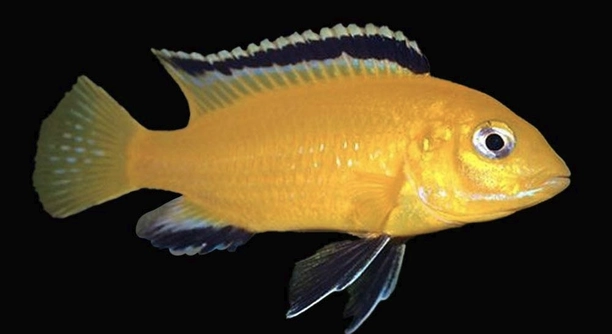
Do you ever wonder if feeding your cichlids at the right time could make a difference in their health and behavior? Many hobbyists overlook the impact of timing on fish appetite and activity levels.
The best times of day to feed cichlids are linked to their natural activity cycles. Morning and late afternoon feedings are most effective, while midday meals can support growth and maintain stable water conditions in their tanks.
Knowing the ideal feeding schedule can help you maintain a healthier, more active aquarium and support your cichlids’ overall well-being.
Early Morning Feeding
Feeding cichlids early in the morning aligns with their natural wake-up activity. During this time, their metabolism is starting to ramp up, making them more likely to actively seek food. Morning feedings help establish a routine, which reduces stress and encourages consistent behavior throughout the day. Most cichlids are naturally more active at this time, swimming near the surface and exploring their environment. A small portion of food in the morning prevents overeating later while giving them energy to start the day. Overfeeding at this stage can lead to water quality issues, so measured amounts are important. Observing how your cichlids respond to morning feeding can give clues about their health and activity levels. Adjustments can be made based on tank conditions and the number of fish. Early morning feedings can also make it easier to spot any signs of illness, since the fish are active and more visible during this time.
Starting the day with a morning feeding keeps your cichlids active and reduces aggressive behavior over food.
Many fishkeepers notice that cichlids are more alert and responsive during morning feedings. Providing food at this time stimulates their natural foraging instincts. Over time, your fish will begin to anticipate meals, creating a smoother feeding routine. Early morning feedings are particularly useful for species that show higher activity levels at sunrise. Observing how different cichlids respond can help refine feeding schedules. Additionally, splitting the daily ration between morning and other feeding times ensures balanced nutrition without overloading the tank. Morning feeding also allows for water tests and observation, which help maintain stable conditions. By establishing a consistent early feeding routine, you create a structured environment that benefits both fish and tank maintenance. Some cichlids may require more active supervision during their first morning meal, especially if they are new to the tank. Ultimately, this time supports growth, activity, and overall fish health.
Midday Feeding
Midday feedings can provide an energy boost during the warmer part of the day.
Offering food at midday supports growth and keeps cichlids engaged in their environment. Feeding in the middle of the day works well for tanks with multiple species, as it spreads out activity and reduces competition. Some cichlids become less active in the heat of midday, so smaller portions are recommended. The water temperature and tank lighting during this period can affect how quickly fish eat, making it important to monitor their behavior. Midday feeding is ideal for species that require more frequent meals. This feeding time also helps prevent sudden spikes in hunger between morning and afternoon meals. In larger tanks, multiple small feedings throughout the day, including midday, ensure that every fish receives proper nutrition. Careful observation can help detect any slower or shy feeders that may need extra attention. Feeding at this time can also balance the tank’s biological activity, supporting cleaner water and healthier fish. Adjusting the midday portion size based on previous feedings helps prevent leftover food and maintains water quality over time.
Would you like me to continue with the late afternoon and evening feedings next?
Late Afternoon Feeding
Late afternoon feedings give cichlids energy before the evening settles in. This time aligns with their natural activity peaks, encouraging active swimming and interaction. Small, measured portions prevent overfeeding while keeping the fish stimulated and healthy in preparation for the night.
Feeding during late afternoon helps maintain a steady metabolic rate for cichlids. At this time, most fish are more alert, which reduces food competition and aggressive behavior. Providing food in the late afternoon allows the tank’s filtration system to process waste efficiently before the evening. Some species show heightened activity, which can be a good opportunity to monitor health and behavior. Proper portioning prevents leftover food from affecting water quality.
Consistent late afternoon feeding reinforces routine behavior. Cichlids learn to anticipate meals, making them calmer and easier to observe. This feeding window also helps balance energy distribution throughout the day. Splitting rations ensures growth while maintaining a stable tank environment. For tanks with mixed species, late afternoon feedings reduce stress by minimizing sudden bursts of competition. Observing which fish are more active during this period can help refine future feeding schedules. Maintaining this timing can improve overall fish well-being and tank cleanliness.
Evening Feeding
Evening feedings support cichlids as they prepare for rest, providing nutrients without overloading the tank. Small portions prevent water quality issues while keeping fish engaged. Timing is important to maintain a healthy night cycle.
Evening feeding can prevent overnight hunger and stabilize fish metabolism. Cichlids remain active in the early evening, so feeding at this time allows them to forage naturally. Avoid large portions, as uneaten food can decay overnight, impacting water conditions. Feeding during the evening also helps reduce aggression, as fish are calmer and more settled. Some species may display more interaction at this time, offering a chance to observe social behavior. Proper evening feedings complement morning and midday meals, creating a balanced schedule that supports long-term health.
Evening feeding routines help reinforce daily patterns for your cichlids. Over time, fish anticipate meals, which reduces stress and improves overall activity. For tanks with multiple species, evening feedings can be split to ensure all fish get their share without causing fights. Observing behavior during this time provides insights into appetite, energy levels, and possible health issues. A consistent evening feeding helps maintain stable water conditions, reduces waste buildup, and keeps the aquarium environment balanced. Adjusting portion sizes based on previous feedings ensures all fish benefit from this routine without compromising cleanliness.
Mid-Morning Feeding
Mid-morning feedings help maintain activity between the early morning and midday meals. A small portion encourages natural foraging behavior and keeps cichlids engaged without overloading the tank.
This timing is ideal for monitoring fish appetite. Mid-morning feedings allow you to notice any changes in behavior or signs of stress early in the day.
Pre-Lunch Feeding
Pre-lunch feeding provides a steady nutrient supply and keeps fish active. Splitting portions prevents overeating while supporting growth. Proper timing ensures that cichlids remain alert and reduces competition in community tanks, helping maintain calm interactions among species.
Post-Workout Feeding
Feeding after periods of increased activity replenishes energy stores. Active cichlids benefit from this timing as it supports muscle maintenance and overall health, especially for more energetic species that swim vigorously throughout the day.
Nighttime Snack
A small nighttime snack can help reduce overnight hunger. This ensures fish remain nourished without affecting water quality or disturbing their natural rest cycle.
FAQ
How many times a day should I feed my cichlids?
Most cichlids do well with two to three feedings per day. Juveniles may need more frequent meals, while adult fish can thrive on two balanced feedings. Splitting the daily ration helps prevent overfeeding and keeps water quality stable. Observing your fish’s behavior will guide adjustments.
Is it okay to feed cichlids at irregular times?
Feeding at inconsistent times can stress cichlids. They thrive on routine and quickly learn to anticipate meals. Irregular feeding can lead to aggressive behavior, uneven growth, or missed portions. Establishing a consistent schedule supports health, digestion, and overall tank harmony.
Can I feed cichlids only once a day?
Adult cichlids can survive on a single daily meal if properly portioned, but this may reduce activity levels. Splitting the ration into two or three feedings is generally better for maintaining energy, preventing aggression, and ensuring balanced nutrition.
What is the best type of food for cichlids?
Cichlids benefit from a varied diet including pellets, flakes, frozen, and live foods. The type depends on species, age, and activity level. Providing protein-rich options with occasional vegetable matter helps support growth, coloration, and overall health. Overfeeding any single type can harm water quality.
Should I feed cichlids on weekends or holidays?
Consistency is more important than exact timing. If you feed your fish at roughly the same times each day, missing a small portion occasionally is not harmful. Avoid skipping multiple days, as this can stress fish and disrupt their metabolism.
How do I know if I am overfeeding my cichlids?
Signs of overfeeding include leftover food, cloudy water, and increased algae growth. Fish may become lethargic or bloated. Monitoring how quickly food is consumed and adjusting portions accordingly helps prevent health issues and keeps the tank clean.
Can cichlids go without food overnight?
Yes, most adult cichlids can fast overnight without issues. Their metabolism slows down during rest, and a small nighttime feeding is optional, depending on species activity. Avoid large meals late in the day to prevent water quality problems.
How do feeding times affect cichlid behavior?
Feeding times influence activity levels, aggression, and social interactions. Fish fed at consistent times are calmer and more predictable. Morning and late afternoon feedings often coincide with natural peaks in activity, encouraging swimming and foraging behavior.
Is it necessary to adjust feeding during seasonal changes?
Seasonal changes in light and temperature can impact appetite. In cooler temperatures, fish may eat less, while warmer periods can increase metabolism. Adjust portion sizes and feeding frequency to match seasonal behavior while maintaining water quality and nutrition balance.
How can I manage feeding in a tank with multiple cichlid species?
Split feedings and monitor aggressive species closely. Provide food in multiple locations to ensure all fish access nutrition. Adjust portion sizes to prevent dominance by larger or more aggressive cichlids. Observing interactions during feeding helps fine-tune the schedule and maintain harmony.
Are live foods necessary for cichlids?
Live foods are not strictly necessary but can improve activity, stimulate natural hunting behavior, and enhance coloration. Use them sparingly to prevent overfeeding and disease introduction. Frozen or prepared foods can provide balanced nutrition safely and conveniently.
What is the impact of feeding timing on water quality?
Feeding at the right times with controlled portions reduces uneaten food accumulation. Excess food decomposes, increasing ammonia and nitrite levels. Regular, timed feedings help maintain a stable environment, support filtration efficiency, and minimize stress-related health issues.
Can I feed cichlids right before cleaning the tank?
It’s best to avoid feeding immediately before major water changes or maintenance. Disturbances can stress fish and leave uneaten food to decay. Feeding afterward allows them to eat in a calm environment and prevents spikes in harmful waste.
What should I do if my cichlids are not eating at their usual feeding time?
Loss of appetite may indicate stress, illness, or water quality issues. Monitor their behavior, test water parameters, and consider slight adjustments in timing or food type. Occasional missed meals are usually not harmful, but persistent refusal should be investigated.
How important is feeding consistency compared to food type?
Both consistency and diet are important, but timing often has a stronger effect on behavior and stress levels. Fish accustomed to a regular schedule tend to eat more reliably and interact calmly. Pairing consistent feeding with a varied diet ensures long-term health and vitality.
Can overfeeding affect cichlid growth?
Yes, excessive feeding can cause rapid growth that stresses the skeletal system and digestive health. Controlled portions and scheduled meals promote healthy growth and reduce obesity-related health issues. Proper feeding also helps maintain stable water quality, indirectly supporting growth.
How do I know the best feeding schedule for my cichlids?
Observe activity levels, appetite, and interactions over several days. Combine morning, midday, and late afternoon feedings if needed. Adjust portions and timing based on species, tank size, and behavior. A personalized routine ensures fish remain active, healthy, and stress-free.
Can I feed cichlids different foods at different times of day?
Yes, alternating food types throughout the day can provide balanced nutrition. For example, pellets in the morning and frozen or vegetable-rich foods in the afternoon diversify their diet. This method also prevents boredom and encourages natural foraging behavior.
What is the best way to introduce a new feeding schedule?
Gradually shift feeding times in small increments over several days. Observe fish responses and adjust as necessary. Sudden changes can cause stress or missed meals, so a step-by-step approach ensures smooth adaptation.
Are there species-specific considerations for feeding times?
Yes, some cichlids are more active at different times of day. Predatory species may prefer morning feedings, while herbivorous types might eat more steadily throughout daylight hours. Understanding species behavior helps optimize feeding times and portion sizes for each tank.
This FAQ section provides clear guidance for managing feeding times, portions, and diet to maintain healthy, active cichlids while keeping the tank environment stable and stress-free.
Caring for cichlids involves more than just filling the tank with water and food. Feeding at the right times is an essential part of maintaining their health and overall well-being. Establishing a consistent schedule helps regulate their metabolism, supports growth, and encourages natural behaviors like swimming and foraging. Morning, midday, late afternoon, and occasional evening feedings create a balanced routine that keeps fish active without overwhelming the tank’s filtration system. By observing how your cichlids respond to these feeding times, you can adjust portions and timing to suit their specific needs. Each species may have slightly different preferences, so paying attention to behavior and appetite is important. Overfeeding or feeding at irregular times can lead to stress, aggression, and water quality problems, which ultimately affect the health of the entire tank.
A varied diet combined with proper timing provides the nutrients cichlids need to thrive. Pellets, flakes, frozen foods, and occasional live options all contribute to a balanced diet, while offering different foods at different times encourages natural foraging and reduces boredom. Consistency in feeding is just as important as the type of food you provide. Regular meals help fish anticipate their food, which reduces stress and supports a calm tank environment. Smaller portions spread throughout the day prevent leftover food from decaying and affecting water quality, which is a key factor in keeping your cichlids healthy. Monitoring how your fish react during each feeding also allows you to detect early signs of illness or stress. Simple adjustments, like splitting portions or offering a different food type, can make a noticeable difference in behavior and health over time.
Ultimately, the goal is to create a routine that balances nutrition, activity, and tank maintenance. Cichlids are active and social fish, and their feeding schedule has a direct impact on both their behavior and the tank environment. By following a thoughtful feeding plan, you can support their growth, maintain a clean and stable aquarium, and reduce conflicts among tankmates. Paying attention to each species’ specific needs, adjusting timing, and offering a varied diet are all part of providing a healthy and enriching habitat. Maintaining this routine may seem simple, but it has a lasting effect on the overall health and happiness of your fish. Consistent, mindful care ensures that your cichlids remain active, vibrant, and well-nourished for years to come.

Hello,
If you enjoy the content that we create, please consider saying a "Thank You!" by leaving a tip.
Every little bit helps us continue crafting quality advice that supports the health, happiness, and well-being of pets around the world, for pets of all shapes, sizes, and species.
We really appreciate the kindness and support that you show us!