
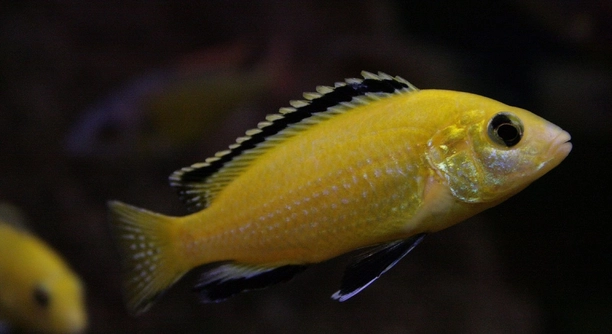
Observing cichlids in an aquarium can be a calming and rewarding experience. Their vibrant colors and unique behaviors are fascinating to watch, but sudden movements or noise can easily startle them, disrupting their natural patterns.
The most effective way to observe cichlids without causing stress is to move slowly and minimize disturbances near the tank. Maintaining consistent lighting, limiting abrupt movements, and using quiet equipment helps ensure the fish remain calm and display natural behavior.
Learning these simple techniques will make your aquarium experience more enjoyable. You can watch your cichlids confidently while supporting their well-being and comfort in their environment.
Understanding Cichlid Behavior
Cichlids are sensitive and intelligent fish that respond to changes in their environment. Their movements, color shifts, and interactions with other fish are all forms of communication. Observing them closely reveals patterns in feeding, breeding, and social hierarchy. Sudden changes in lighting, vibrations, or tapping on the tank can trigger stress responses. Even minor disturbances may cause them to hide or display defensive behavior, making it harder to study their natural habits. By recognizing these behaviors, you can adjust your approach and create a calmer atmosphere. Using a consistent routine for feeding and maintenance reduces stress and encourages more natural activity. Over time, patience and careful observation help in understanding their individual personalities and interactions. Maintaining a stable environment with clean water, proper temperature, and compatible tank mates is essential for their overall well-being. Proper placement of decorations and hiding spots allows them to feel secure.
Observing quietly and slowly is the key to learning about cichlid behavior.
Watching cichlids develop routines and interact is rewarding. When they feel safe, their colors become more vivid, and they engage naturally. Spending time near the tank without sudden movements builds trust. Avoid loud noises or tapping the glass, as this disrupts their comfort. Using consistent feeding times allows predictable patterns to emerge, giving insight into their preferences and hierarchy. Decorations like rocks and plants provide shelter and reduce stress, allowing fish to explore without fear. Patience is important; some cichlids take longer to show behaviors than others. Over weeks, subtle differences in activity, resting places, and social interactions become noticeable. Understanding these patterns helps in maintaining harmony among tank mates. Consistency in care, lighting, and temperature contributes to stable behavior. Gradually, you can anticipate responses to stimuli and enjoy observing them without causing disruption.
Positioning Yourself and the Tank
Standing or sitting still near the tank reduces stress for cichlids. Choosing a consistent observation spot helps fish become familiar with your presence. Keeping the tank in a low-traffic area also minimizes disturbances.
Proper placement of equipment and viewing angles can enhance observation. Positioning yourself slightly to the side rather than directly in front of the tank avoids casting shadows or causing reflections. Soft, indirect lighting prevents sudden brightness that could startle the fish. Consider using a magnifying glass or camera to capture details without leaning too close. Overhead movements should be slow, as rapid hand gestures can trigger defensive behavior. Observing from the same distance each time helps cichlids feel secure, reducing the need to hide. Refrain from tapping on the glass or making sudden noises nearby. Decorations and hiding spots should be arranged so each fish has a safe area while still being visible. Water clarity and proper filtration allow a clear view without frequent interruptions. By combining patience, consistent positioning, and careful movements, you can watch cichlids naturally and gather meaningful observations about their daily habits, interactions, and health.
Minimizing Sudden Movements
Moving slowly near the tank helps cichlids feel safe. Quick gestures can make them hide or act defensively. Consistent, calm behavior allows you to observe natural activity.
Using deliberate, steady movements around the aquarium reduces stress. When feeding, cleaning, or adjusting decorations, avoid sudden motions. Even slight vibrations from walking or tapping can alarm sensitive fish. Sitting quietly near the tank gives them time to get accustomed to your presence. Over time, they begin to resume normal swimming and feeding patterns, making observation more rewarding.
Keeping hands and tools steady during maintenance is essential. Approach the tank calmly, and avoid leaning too close suddenly. Observing from a short distance ensures they remain comfortable. Adjustments should be done gradually, and frequent interruptions should be minimized. This approach allows cichlids to remain confident in their space and display natural behavior without stress. Regular, gentle routines reinforce a safe environment and encourage consistent patterns that can be studied over time.
Using Hiding Spots Effectively
Hiding places reduce stress and encourage natural behavior. Fish use them to rest, hide, or claim territory.
Rocks, caves, and plants provide shelter and create areas for cichlids to explore safely. Proper placement ensures visibility without removing their sense of security. Overcrowding the tank with decorations can restrict movement, while too few hiding spots leave fish exposed and anxious. Observing how they use these spaces offers insight into social dynamics, dominance, and comfort levels. Some fish prefer solitary hiding, while others share spaces or patrol nearby areas. Adjusting placement gradually allows observation of changes in behavior and helps maintain a balanced environment.
Well-planned hiding spots also reduce aggression among cichlids. Territorial disputes are common, but providing multiple shelters allows subordinate fish to retreat without stress. Plants and rocks should be arranged to create clear paths and open swimming areas while maintaining privacy zones. Observing fish interactions near these shelters highlights natural hierarchies and preferred resting locations. Regularly checking and adjusting the layout helps accommodate growth and changing behavior. A balanced arrangement ensures all fish can access shelter without conflict. This setup supports calmer, more predictable behavior, allowing you to study their daily routines and interactions comfortably.
Controlling Noise Around the Tank
Loud sounds can startle cichlids and disrupt their behavior. Keep conversations, footsteps, and electronic noises away from the aquarium area.
Consistent quiet near the tank helps fish feel secure. Even minor disturbances, like tapping on the glass or loud clattering, can make them hide or act defensively.
Regulating Lighting
Proper lighting supports natural activity and reduces stress. Bright, sudden lights can alarm cichlids and cause hiding or erratic swimming. Maintaining a consistent day-night cycle helps fish establish routines and display natural behaviors. Soft, indirect lighting is ideal for long observation periods without causing disturbance.
Feeding Techniques
Distribute food gradually to avoid sudden movements. Feeding small amounts at predictable times encourages calm behavior.
Using Observation Tools
Binoculars or cameras allow close viewing without leaning near the tank. This minimizes stress while enabling detailed observation of natural behavior.
What is the best way to prevent cichlids from being startled?
The best approach is to maintain slow and consistent movements near the tank. Avoid tapping the glass, sudden hand gestures, or loud noises. Sitting or standing quietly allows the fish to become familiar with your presence. Over time, cichlids will swim naturally and display typical behaviors without feeling threatened. Establishing a routine for feeding and maintenance also reduces stress.
How important is lighting for cichlids?
Lighting plays a crucial role in cichlid behavior. Sudden changes or overly bright lights can cause stress and hiding. A consistent day-night cycle supports natural activity and feeding patterns. Soft, indirect lighting is ideal for observation, allowing you to watch their colors and movements without disturbing them. Adjusting lighting gradually helps fish acclimate comfortably.
Can tank decorations affect how cichlids behave?
Yes, decorations are essential for providing security and reducing stress. Rocks, caves, and plants give fish hiding spots and territories. Proper placement ensures each fish has space while keeping the tank open enough to observe them. Too many decorations may restrict swimming, while too few leave them exposed. Gradually adjusting decorations can help you understand their preferences and social hierarchy.
Do cichlids respond differently to different people?
Cichlids can recognize consistent behavior from specific individuals. When someone moves slowly and quietly near the tank, fish may become more comfortable and curious. Rapid movements, loud noises, or frequent disruptions can make them wary of certain people. Spending time observing without interaction builds trust and encourages natural behaviors.
How should feeding be managed to avoid startling cichlids?
Feed small amounts at predictable times to create routine and reduce sudden excitement. Avoid throwing large portions at once, which can trigger aggressive or defensive responses. Distributing food gradually allows all fish to eat calmly. Overfeeding can cause stress and water quality issues, so stick to measured amounts. Using tools like feeding sticks or pipettes can further reduce sudden movements.
Is it necessary to monitor cichlid interactions constantly?
Observing interactions helps understand hierarchy and social behavior but should be done without interference. Subtle signs like chasing, resting, or hiding indicate comfort levels and potential conflicts. Maintaining an environment with sufficient hiding spots, space, and compatible tank mates reduces the need for constant intervention. Quiet observation is more effective than frequent interference.
How can I tell if my cichlids are stressed?
Signs of stress include hiding, erratic swimming, loss of color, or refusal to eat. Sudden aggression or frequent territorial disputes may also indicate discomfort. Stress often results from noise, rapid movements, poor water quality, or lack of shelter. Monitoring behavior regularly and maintaining a stable environment helps prevent prolonged stress and ensures healthier, calmer fish.
What role does tank placement play in observation?
Positioning the tank in a low-traffic, quiet area minimizes disturbances. Avoid locations near doors, appliances, or areas with frequent movement. Observing from a consistent angle and distance helps cichlids feel secure. Proper placement combined with slow, predictable interactions allows long-term observation without stress, letting fish display natural behavior more reliably.
Are there tools that can help with observation without causing stress?
Yes, using cameras, binoculars, or observation scopes allows close viewing without leaning over the tank. These tools prevent sudden shadows or movements that can startle the fish. They also help record behaviors for analysis, making it easier to track social interactions, feeding patterns, and individual habits over time.
How do I balance observation with tank maintenance?
Maintenance should be performed slowly and predictably. Clean water, functional filters, and proper temperature are essential for cichlid health. Gradually approaching the tank, moving decorations carefully, and avoiding sudden gestures during maintenance reduces stress. Scheduling routine tasks at similar times helps fish anticipate activity and remain calm during necessary interventions.
Observing cichlids can be a peaceful and rewarding experience when approached with patience and care. These fish are intelligent and sensitive, responding strongly to changes in their environment. Even minor disturbances, like sudden movements, loud noises, or abrupt lighting changes, can startle them. Taking the time to move slowly near the tank and maintain a quiet atmosphere allows cichlids to feel safe. Over time, they begin to swim naturally, feed without hesitation, and display a range of behaviors that reveal their unique personalities. Creating a stable environment with proper water quality, temperature, and compatible tank mates is also essential for reducing stress. By focusing on gentle and consistent interactions, observation becomes more enjoyable, and the fish remain comfortable in their habitat. This approach encourages natural behavior and allows for a better understanding of their daily routines.
Providing hiding spots and careful tank arrangement is another key factor in supporting calm behavior. Rocks, plants, and caves give fish secure places to retreat when they feel threatened or need rest. Proper placement ensures that each cichlid has access to shelter without restricting movement or swimming space. Avoiding overcrowding with decorations while maintaining sufficient cover helps reduce aggression and supports social balance within the tank. Observation is most effective when fish have areas to feel secure but remain visible enough to study their interactions. Gradually adjusting the environment or introducing new elements allows fish to adapt comfortably and helps reveal preferences in behavior. Watching how cichlids use these spaces provides insight into social hierarchies, territorial patterns, and personal habits, which can be helpful for both long-term care and enjoyment of the aquarium.
Consistency in feeding and daily routines also plays a significant role in maintaining calm and natural behavior. Feeding small amounts at predictable times encourages confidence and reduces the risk of sudden, defensive reactions. Avoiding overfeeding prevents water quality issues and helps fish remain active and healthy. Tools like feeding sticks or pipettes can help distribute food gently and reduce sudden movement near the tank. Observation should be combined with quiet, careful maintenance to ensure that fish feel safe during necessary care activities. By prioritizing gradual, calm interactions, and providing a stable, enriched environment, cichlids are able to display their full range of natural behaviors. Over time, the combination of patience, careful planning, and attentive observation creates a more enjoyable experience, allowing you to appreciate the beauty, intelligence, and individual personalities of these vibrant fish while ensuring their comfort and well-being.

Hello,
If you enjoy the content that we create, please consider saying a "Thank You!" by leaving a tip.
Every little bit helps us continue crafting quality advice that supports the health, happiness, and well-being of pets around the world, for pets of all shapes, sizes, and species.
We really appreciate the kindness and support that you show us!