
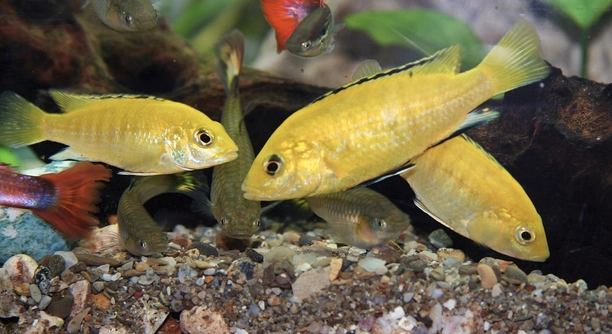
Tank-bred animals often grow up in controlled environments, surrounded by familiar foods and minimal threats. Their behavior is shaped by routines, human interaction, and predictable surroundings, making them more accustomed to domesticated life than their wild counterparts.
Wild animals display behaviors driven by survival instincts, environmental challenges, and social interactions. Tank-bred animals tend to exhibit calmer responses, reduced fear, and lower territoriality due to selective breeding and habituation to captive conditions over generations.
Learning the distinctions between these behaviors helps in proper care and management, ensuring both tank-bred and wild animals thrive in their respective environments.
Activity Levels
Tank-bred animals generally show lower activity levels compared to wild ones. Raised in controlled environments, they are accustomed to predictable schedules and constant food availability. This reduces the need for constant foraging or hunting behaviors. In contrast, wild animals must remain alert and active to find food, avoid predators, and interact with their surroundings. The differences in activity can also affect muscle development and stamina. Tank-bred animals may appear calmer, often resting more and exploring less. Their daily patterns are shaped by safety and routine, whereas wild animals are constantly adapting to new challenges. Even small environmental changes can trigger noticeable increases in activity among wild animals. Understanding these differences is crucial for providing adequate enrichment and exercise for captive animals, preventing boredom and promoting mental health. While tank-bred animals may not display the same energetic behaviors as their wild counterparts, structured environments and stimulation can help bridge the gap.
Tank-bred animals benefit from structured routines, needing less physical exertion than their wild counterparts.
Providing enrichment items like toys or hiding food encourages movement and mimics natural behaviors, supporting health and reducing stress.
Social Behavior
Tank-bred animals often tolerate close contact with humans and other animals more easily. Their interactions are shaped by repeated exposure to handling, feeding, and confined social groups, resulting in less aggression.
Wild animals rely heavily on social cues for survival, establishing hierarchies, territories, and communication to navigate their environment. They may show aggression or caution around unfamiliar individuals. Social bonds in wild animals can influence mating, protection, and resource sharing. Tank-bred animals, however, are selected for adaptability and calmer temperaments. They may approach humans or other animals without fear and show more predictable behavior in groups. Despite this, tank-bred animals still require structured social exposure to prevent stress or behavioral issues. Observing social interactions can reveal differences in dominance, play, and communication styles, highlighting the impact of upbringing. Understanding these variations helps manage group dynamics and ensures both safety and enrichment. Captive care strategies can mimic natural social interactions, supporting healthy behaviors while maintaining a manageable environment.
Feeding Habits
Tank-bred animals often accept pre-prepared foods and feeding schedules with minimal fuss. They rarely need to hunt or search for meals, which contrasts sharply with the instincts of wild animals.
Wild animals rely on foraging, hunting, and adapting to seasonal food availability. Their diets are shaped by natural challenges and opportunities, requiring problem-solving and alertness. This leads to stronger instincts for locating and handling food, as well as developing techniques for capturing prey or extracting nutrients. Tank-bred animals, accustomed to consistent feeding, may lack these refined hunting skills. Understanding these differences is essential for creating balanced diets in captivity and ensuring proper nutrition. Feeding routines can influence behavior, activity, and overall health, making it important to mimic natural patterns when possible.
Tank-bred animals often show less food guarding or competition, while wild animals remain vigilant to secure resources.
Stress Responses
Tank-bred animals generally display lower stress reactions in captivity. Their exposure to human handling and predictable conditions reduces fear responses and anxiety.
Wild animals are constantly monitoring their surroundings, reacting quickly to threats or changes in the environment. Stress responses include heightened alertness, rapid movements, and defensive behaviors. These reactions are essential for survival in the wild, but they may appear intense or sudden in controlled settings. Tank-bred animals are less reactive due to habituation and selective breeding, making them more manageable in confined environments. Despite this, both types can experience stress from overcrowding, improper handling, or environmental changes, highlighting the need for careful observation and adjustments. Understanding stress patterns allows for better enrichment and management strategies to support mental and physical well-being.
Environmental Adaptation
Tank-bred animals adjust quickly to stable, controlled habitats. They handle temperature and light changes better due to consistent conditions in captivity.
Wild animals face constant environmental fluctuations. They develop resilience to changes in weather, water, or food availability, which keeps them alert and responsive to their surroundings.
Breeding Behavior
Tank-bred animals often show predictable mating patterns and reproductive cycles. Their behaviors are influenced by controlled conditions and selective breeding for specific traits.
Territorial Behavior
Wild animals display strong territorial instincts to protect resources and ensure survival. Tank-bred animals tend to show less aggression over space and can coexist more easily with others.
FAQ
What are the main differences between tank-bred and wild animals?
Tank-bred animals are raised in controlled environments, which makes them calmer, less fearful, and more accustomed to human interaction. Wild animals rely on survival instincts, showing higher alertness, territorial behaviors, and adaptive responses to changing conditions. Tank-bred animals often have predictable feeding and social habits, whereas wild animals are more independent and reactive. Understanding these differences helps provide proper care, ensuring both types of animals receive the support and enrichment they need to thrive in captivity or managed environments.
Are tank-bred animals healthier than wild animals?
Health can vary depending on conditions. Tank-bred animals often receive consistent nutrition, clean water, and veterinary care, reducing disease risks. Wild animals face natural threats, including predators, parasites, and inconsistent food sources. While wild animals may have stronger survival instincts, tank-bred animals often live longer in captivity due to controlled care. However, lack of environmental challenges in captivity can sometimes lead to obesity or weaker physical development if exercise and enrichment are insufficient. Monitoring diet, providing proper space, and encouraging activity are essential for maintaining the health of tank-bred animals.
Do wild animals make good pets?
Wild animals are generally not suited for typical domestic environments. Their behaviors are driven by instincts, including fear, aggression, and constant vigilance. They require specialized care, larger habitats, and natural stimuli to thrive. Attempting to keep them as pets can lead to stress, health issues, or unsafe interactions. Tank-bred animals, on the other hand, are often more manageable and tolerant of human contact. Their predictable behavior makes them a safer choice for captivity, though proper care, enrichment, and understanding of natural instincts remain essential for their well-being.
How does breeding affect behavior?
Selective breeding in tanks emphasizes traits like calmness, adaptability, and tolerance for confinement. Over generations, these traits become dominant, reducing fear, aggression, and territoriality. Wild animals maintain natural behaviors that prioritize survival and competition. Tank-bred animals may lack some natural instincts, such as hunting or complex social behaviors. Breeding practices influence not only physical traits but also how animals respond to their environment, humans, and other animals. Recognizing these influences helps owners manage expectations and provide suitable conditions to encourage natural behaviors while ensuring safety and mental stimulation.
Can tank-bred animals survive in the wild?
Most tank-bred animals would struggle in natural conditions. Their limited exposure to predators, hunting techniques, and environmental challenges makes survival difficult. They may lack the instincts necessary for finding food, avoiding threats, or adapting to changing climates. Wild animals, in contrast, develop survival skills from birth, including foraging, hiding, and defensive strategies. While tank-bred animals are safer in captivity, gradual exposure to more naturalistic environments with enrichment can help strengthen instincts and improve physical fitness, though full independence in the wild is unlikely.
Do tank-bred animals require enrichment?
Yes, enrichment is critical for tank-bred animals. Their predictable environment reduces natural challenges, which can lead to boredom or stress. Providing toys, hiding places, foraging opportunities, and environmental variety encourages movement, mental stimulation, and healthy behaviors. Even simple changes, like rearranging their habitat or introducing novel objects, can make a difference. Enrichment mimics natural behaviors they would perform in the wild, promoting physical and psychological well-being. Regular observation helps identify what activities or items are most engaging, supporting a healthier and more fulfilling life for tank-bred animals.
How do social behaviors differ between tank-bred and wild animals?
Tank-bred animals tend to tolerate handling and cohabitation better due to repeated exposure to humans and controlled social groups. They often show reduced aggression and more predictable interactions. Wild animals depend heavily on social structures, hierarchies, and territory to survive. Aggression, caution, and complex communication are common in the wild. These behaviors are crucial for protection, mating, and resource management. Recognizing these differences allows caregivers to provide appropriate social groupings, reducing conflict while encouraging natural behaviors. Observing interactions can guide adjustments to environment, enrichment, and pairing strategies.
Do tank-bred animals show natural instincts?
Tank-bred animals retain many natural instincts, but their expression may be muted. Hunting, foraging, and territorial behaviors can be less pronounced because their environment is controlled and safe. Wild animals display these instincts constantly, adapting to threats and opportunities in real time. Providing enrichment that encourages problem-solving, exploration, and food acquisition can help tank-bred animals exercise these instincts. This maintains physical health and keeps their behaviors closer to natural patterns. Even when instincts are subdued, careful observation and structured activities help keep animals engaged and mentally stimulated, bridging the gap between captivity and wild behaviors.
Is it easier to train tank-bred animals?
Yes, tank-bred animals are generally easier to train. Familiarity with humans, predictable routines, and calmer temperaments support learning and cooperation. Wild animals are more cautious and reactive, making training challenging and sometimes unsafe. Training tank-bred animals should focus on positive reinforcement, consistency, and patience. This approach strengthens trust, encourages desired behaviors, and enhances their daily care. Training also provides mental stimulation, reducing boredom and stress. Recognizing individual personality differences is important, as not all tank-bred animals respond the same way. Structured and gentle methods produce the best outcomes, improving both well-being and manageability.
Can tank-bred animals adapt to new environments?
Tank-bred animals adapt more easily to changes within controlled settings. Gradual adjustments to temperature, lighting, or habitat layout are usually tolerated without major stress. Wild animals are highly sensitive to new surroundings, as unfamiliar conditions can threaten survival. Adaptation in tank-bred animals is enhanced by consistent exposure and careful monitoring. Introducing novelty slowly allows them to explore and adjust safely. While they may not handle extreme environmental challenges like wild animals, structured changes and enrichment help them remain resilient, mentally engaged, and physically active in captivity.
How do stress levels differ?
Tank-bred animals experience lower baseline stress in captivity. Familiar environments, consistent routines, and human contact reduce fear responses. Wild animals maintain higher alertness due to environmental risks and unpredictability. Stress in the wild is a survival mechanism, triggering quick reactions to threats. In captivity, poorly designed habitats, overcrowding, or sudden changes can still provoke stress in tank-bred animals. Observing behavior, providing enrichment, and maintaining predictable care routines help manage stress, keeping animals healthy and calm. Understanding stress differences is key to proper animal management and creating an environment that supports both physical and mental well-being.
Final Thoughts
Understanding the differences between tank-bred and wild animals is important for proper care and management. Tank-bred animals grow up in controlled environments, which shapes their behaviors and responses. They are generally calmer, more predictable, and accustomed to human interaction. Their feeding routines, social behaviors, and daily activity are influenced by safety and consistency. In contrast, wild animals rely heavily on instincts for survival, which makes them more alert, reactive, and territorial. These differences are natural and should be considered when planning care or habitat design. Recognizing these behavioral distinctions helps prevent misunderstandings, reduces stress for the animals, and ensures their needs are met appropriately. Proper observation allows caretakers to see how behaviors differ and adjust care strategies to suit each type of animal.
Tank-bred animals often require structured environments with enrichment to keep them active and mentally stimulated. Without challenges or variety, they can become bored or develop unhealthy habits, even though they are accustomed to captivity. Providing items to explore, objects to manipulate, and opportunities to forage or problem-solve can help maintain natural behaviors. Wild animals, on the other hand, are constantly stimulated by their surroundings, relying on their instincts to navigate complex environments. Their alertness and activity levels are responses to real challenges, such as avoiding predators or finding food. Both tank-bred and wild animals benefit from environments that support their natural tendencies, but the approach differs. Tank-bred animals need guidance and encouragement, while wild animals require sufficient space and conditions that allow instincts to be expressed safely. Understanding the unique requirements of each group ensures healthier, more balanced animals.
When considering the differences between tank-bred and wild animals, it is clear that each has strengths and limitations. Tank-bred animals are easier to manage in captivity, show lower stress levels, and are more tolerant of handling, making them suitable for structured care. Wild animals bring natural behaviors and adaptability that tank-bred animals may lack, but these traits also require more careful observation and consideration. Awareness of these distinctions allows for better planning, whether it is creating habitats, arranging social groups, or providing appropriate nutrition. Supporting natural behaviors, encouraging mental stimulation, and monitoring health are essential steps for both types of animals. Recognizing the unique characteristics of tank-bred and wild animals leads to better welfare, safer interactions, and more fulfilling lives.

Hello,
If you enjoy the content that we create, please consider saying a "Thank You!" by leaving a tip.
Every little bit helps us continue crafting quality advice that supports the health, happiness, and well-being of pets around the world, for pets of all shapes, sizes, and species.
We really appreciate the kindness and support that you show us!