
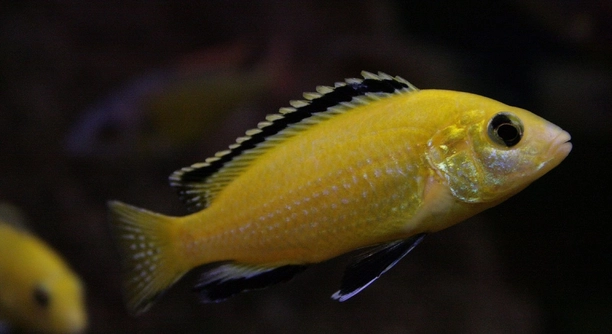
Do you ever find yourself watching your cichlids swim cautiously, wishing they would come closer and interact more? Gaining their trust can feel slow, yet with the right approach, it is achievable and rewarding for both owner and fish.
Building trust with cichlids requires consistent interaction, proper feeding routines, and understanding of their behavior. Techniques such as hand-feeding, gentle movements, and creating a stable environment help reduce stress and foster a stronger bond over time.
Learning how to interact with your fish effectively can transform your aquarium into a more engaging and peaceful environment. Small steps can make a significant difference in developing lasting trust.
Understanding Cichlid Behavior
Cichlids are intelligent and sensitive fish. Their reactions to movement, light, and feeding routines are strong indicators of how comfortable they feel in their environment. Observing their behavior closely is essential for building trust. Start by noting their preferred areas in the tank, how they respond to different types of food, and how they react to your presence. Sudden movements or loud noises can make them retreat, while calm, consistent behavior encourages them to come closer. Over time, cichlids begin associating you with positive experiences, such as feeding and gentle interaction. Recognizing individual personalities within a tank can also help you tailor your approach, as some fish are naturally more cautious, and others are curious. Maintaining water quality, temperature, and a stable environment supports their comfort, reducing stress and making them more receptive to your presence. Patience and observation are key components in understanding their signals and fostering trust gradually.
Observation is the foundation of building a strong relationship with your cichlids. Calm interaction promotes comfort and reduces stress in their environment.
Consistent routines are vital. Feeding at the same times each day, using predictable movements, and offering familiar foods help cichlids recognize you as a safe presence. Avoid sudden changes in lighting or decorations, as these can make them wary. Introducing hand-feeding slowly encourages them to approach, reinforcing positive experiences. Over time, these small, repeated actions help cichlids learn that interaction with you is safe and rewarding, strengthening their trust and engagement in the tank.
Creating a Comfortable Environment
A peaceful and stable tank encourages cichlids to feel secure. Simple adjustments, such as providing hiding spots and maintaining water quality, directly affect their willingness to interact.
Temperature, pH, and cleanliness must remain consistent. Sudden changes create stress, making fish retreat and avoid interaction. Decorations, rocks, and plants offer natural hiding areas where cichlids can feel safe. Proper spacing of these elements ensures they can explore freely without feeling trapped or exposed. Lighting should be moderate, avoiding harsh or sudden changes that may startle them. Feeding areas should be predictable and accessible, reinforcing positive associations with your presence. Noise and vibrations around the tank should be minimized, as cichlids respond strongly to disturbances. By creating an environment that meets their physical and psychological needs, fish are more likely to approach you willingly. Over time, this combination of stable conditions and gentle interaction allows trust to develop naturally. Patience and consistency in maintaining these conditions are crucial for fostering a confident, interactive cichlid.
Consistent Feeding Practices
Feeding your cichlids at the same times each day helps them recognize your presence as positive. Using gentle, predictable movements during feeding encourages approach and reduces fear, making it easier to build trust over time.
Offering food in small, controlled amounts allows cichlids to associate you with safe, rewarding experiences. Hand-feeding is particularly effective for building trust, as it creates direct interaction. Begin by placing food near the tank and gradually move closer over several sessions. Avoid sudden splashes or rapid movements, which can startle them. Over time, cichlids learn to come closer during feeding, reducing their instinct to hide. Consistency in type, timing, and method of feeding is essential for reinforcing this behavior and making interaction predictable and comfortable.
Monitoring your fish’s reaction to different foods can guide how you approach feeding sessions. Some cichlids respond better to flakes, while others prefer pellets or live foods. Adjusting the feeding method based on individual preferences encourages participation and reduces stress. Combining this with calm gestures and a steady routine strengthens their sense of safety. Avoid overfeeding, which can cause aggression or health issues, and focus on small, frequent meals that maintain their interest and engagement. Over time, this strategy builds a reliable connection and encourages voluntary interaction.
Gentle Interaction Techniques
Slow, deliberate movements near the tank reduce stress and encourage curiosity. Avoid sudden gestures that may cause fish to retreat, fostering a calm and trusting environment.
Interacting without creating fear is essential. Start by sitting quietly near the tank for short periods, allowing cichlids to become accustomed to your presence. Gradually extend this time while maintaining calm, smooth movements. Using tools like feeding sticks or small cups can help introduce new items gently, giving them a chance to investigate without feeling threatened. Avoid tapping on glass or startling them with reflections. Over repeated sessions, they begin to recognize you as a non-threatening part of their environment.
Positive reinforcement helps solidify trust. When cichlids approach or explore during interaction, reward them with food or gentle gestures. Avoid forcing contact, as this can reverse progress. Observing their body language, such as relaxed fins and exploratory swimming, indicates comfort. Adjust your pace and methods based on individual behavior, ensuring each interaction remains stress-free. With patience, gentle techniques combined with consistent reinforcement strengthen their confidence, leading to more natural and voluntary engagement. Maintaining this approach regularly encourages ongoing trust and interaction without creating fear or anxiety.
Using Hiding Spots Effectively
Providing rocks, plants, and caves gives cichlids safe areas to retreat. These hiding spots reduce stress and encourage them to explore the tank at their own pace.
Positioning these areas strategically allows fish to feel secure while observing their environment. A balanced setup promotes natural behavior and gradual trust development.
Hand-Feeding Techniques
Hand-feeding is one of the most direct ways to build trust. Start by offering food from a small cup or spoon near the tank. Gradually move your hand closer over several sessions, ensuring movements are slow and steady. Avoid sudden gestures that might startle the fish. Consistency in timing and approach helps cichlids associate your presence with positive experiences. Repeat this practice regularly, allowing each fish to become comfortable at its own pace. Hand-feeding not only encourages approach but also strengthens recognition and reduces fear, making interaction more natural over time.
Monitoring Fish Reactions
Observing cichlids’ body language is essential. Relaxed fins, calm swimming, and approaching behavior signal comfort and growing trust.
FAQ
How long does it take for cichlids to trust you?
The timeline varies depending on the species and individual temperament. Some cichlids may start approaching within a week with consistent interaction, while others require several months. Patience is essential. Consistent feeding, calm movements, and a stable environment help accelerate trust development. Avoid rushing interactions, as sudden contact can increase fear. Regular observation and gentle engagement will gradually make your presence familiar and non-threatening. Tracking progress by noting changes in behavior can also guide your approach and ensure trust-building methods are effective.
Can hand-feeding improve trust with all cichlids?
Hand-feeding is generally effective for most cichlid species, though some remain cautious longer than others. Introducing food slowly and consistently from your hand allows them to associate you with positive experiences. Start with a small distance and gradually reduce it over several sessions. Avoid forcing contact, as this can increase stress and delay progress. Over time, repeated gentle feeding sessions encourage voluntary approach, creating a stronger bond and reducing skittish behavior. Patience, consistency, and observing individual reactions are key to success with hand-feeding.
What are signs that my cichlids are trusting me?
Trust is evident when cichlids swim calmly near your hand or the front of the tank, explore freely during feeding, and display relaxed fins. They may follow your movements without retreating and accept food directly from your hand. Avoid interpreting temporary curiosity as trust; look for repeated, consistent behavior over days or weeks. Comfortable cichlids may also interact more with tank decorations, showing reduced stress and confidence in their environment. Noting these subtle cues helps track progress and ensures your approach supports ongoing trust-building.
How should I handle aggressive cichlids during trust-building?
Aggression is natural, especially in territorial species. Avoid direct confrontation and provide sufficient hiding spots to minimize stress. Separate highly aggressive individuals if necessary. Focus on gentle, non-threatening interactions with less dominant fish first, gradually introducing positive experiences. Maintain consistent feeding and calm movements to encourage participation without provoking fights. Recognizing individual personalities within the tank allows you to tailor approaches, ensuring that trust-building remains safe and effective for all cichlids.
Is it necessary to maintain a strict feeding schedule?
Yes, a regular feeding schedule helps cichlids recognize predictable patterns, reducing stress and encouraging trust. Consistency reinforces positive associations with your presence, as fish anticipate food during specific times. Irregular feeding can increase skittishness and make them wary of interactions. Pairing scheduled feeding with gentle, slow movements strengthens recognition and creates a more relaxed environment. Over time, fish learn to associate you with safe and rewarding experiences, supporting long-term trust.
Can environmental changes affect trust?
Sudden changes in water temperature, lighting, or decorations can unsettle cichlids and slow trust-building. Gradual adjustments are less disruptive. Maintaining consistent water parameters, hiding spots, and gentle handling ensures fish remain comfortable and open to interaction. Observing responses to changes helps refine the environment, minimizing stress while fostering trust. Stability and predictability in the tank are crucial for encouraging voluntary approach and reducing fear.
Should I interact with all cichlids at once?
It is often better to approach smaller groups or individual fish initially. Dominant or aggressive individuals may intimidate others, making trust-building more difficult. Focus on less dominant cichlids first, allowing them to associate you with safety. Once they become comfortable, gradually extend interaction to the whole tank. Adjust your methods based on individual behavior, ensuring that engagement remains positive and stress-free for all fish.
What role does water quality play in trust-building?
High water quality is essential. Poor water conditions cause stress, illness, and skittish behavior, making trust nearly impossible to establish. Regular testing, cleaning, and maintenance create a stable environment that encourages fish to explore and interact. Clean, stable water supports overall health and enhances the effectiveness of feeding, hand interaction, and gentle approaches, allowing cichlids to feel safe and confident in your presence.
Can I use toys or decorations to build trust?
Yes, objects like small feeding sticks, floating items, or familiar decorations can be used to guide fish closer. Introducing these items gradually helps cichlids associate new objects and your presence with positive experiences. Avoid sudden placement or frequent rearrangement, which can create stress. Over time, controlled interaction with these objects reinforces voluntary approach behavior, complementing hand-feeding and gentle movements to strengthen overall trust.
How do I prevent regression in trust?
Consistency in feeding, interaction, and tank conditions is crucial. Avoid sudden changes, rough handling, or infrequent engagement. Monitoring stress indicators, maintaining water quality, and reinforcing positive experiences prevent setbacks. Gradual adjustments in care routines help preserve trust and ensure cichlids continue to feel comfortable and confident during daily interactions.
This FAQ covers the most common concerns and strategies to maintain and improve trust, ensuring a calm and interactive tank environment.
Final Thoughts
Gaining the trust of cichlids is a gradual process that requires patience, consistency, and careful observation. These fish are intelligent and sensitive, responding to both their environment and the behavior of their owner. Small, steady actions often produce better results than frequent, hurried attempts to engage with them. Establishing a routine for feeding, interacting, and maintaining the tank helps cichlids recognize predictable patterns, which reduces stress and encourages them to explore their surroundings more confidently. Over time, consistent care and gentle interaction help create an environment where cichlids associate your presence with safety and positive experiences. The process may take days, weeks, or even months depending on the species and individual temperament, but the progress is rewarding as fish gradually become more comfortable and approachable. Observing their reactions closely and adjusting your approach based on individual responses ensures that each cichlid receives the attention and patience needed to build a strong sense of trust.
Environmental stability plays a significant role in fostering trust. Cichlids respond strongly to changes in water quality, temperature, lighting, and tank layout. Sudden shifts can increase stress, causing them to retreat or avoid interaction. Maintaining consistent conditions not only supports their overall health but also helps them feel secure enough to engage with you. Hiding spots, plants, and rocks allow them to regulate their comfort levels while exploring the tank. When these elements are strategically placed, they provide both security and the opportunity to interact voluntarily. Calm, predictable movements near the tank, combined with controlled hand-feeding sessions, further reinforce positive associations. Trust is built on repeated, stress-free experiences that demonstrate safety and reliability. Even small, incremental improvements in interaction can make a noticeable difference over time, showing that patience and attention to detail are essential components of successful trust-building.
It is important to remember that every cichlid is unique, and their responses will vary. Some may approach quickly, showing curiosity and engagement early on, while others remain cautious for longer periods. Recognizing these individual differences allows for a tailored approach that respects each fish’s temperament. Avoid forcing interaction or rushing the process, as this can lead to setbacks and increased stress. Instead, focus on creating predictable, positive experiences through consistent feeding, gentle handling, and maintaining a stable environment. Over time, these practices encourage voluntary interaction, increased confidence, and stronger bonds between owner and fish. Patience, observation, and consistent care remain the foundation for successfully gaining the trust of cichlids, resulting in a more harmonious and interactive tank that reflects both the health and comfort of the fish.

Hello,
If you enjoy the content that we create, please consider saying a "Thank You!" by leaving a tip.
Every little bit helps us continue crafting quality advice that supports the health, happiness, and well-being of pets around the world, for pets of all shapes, sizes, and species.
We really appreciate the kindness and support that you show us!