
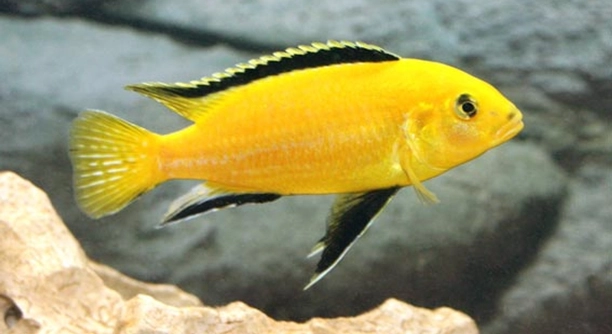
Feeding multiple cichlids at the same time can be tricky. These fish have different appetites and personalities, and giving them food evenly requires patience, careful observation, and a little planning to keep everyone healthy and satisfied.
The most effective approach to feeding multiple cichlids at once involves portioning food appropriately and distributing it evenly across the tank. Ensuring all fish receive adequate nutrition while preventing overfeeding helps maintain water quality and supports overall fish health.
Learning these strategies will make feeding time smoother and less stressful for both you and your fish. Proper planning can improve your cichlids’ wellbeing and your enjoyment as an aquarist.
Choosing the Right Food for Multiple Cichlids
Feeding multiple cichlids requires careful selection of food. Some cichlids prefer flakes, others pellets, and some thrive on frozen or live food. Balancing their diet is essential for maintaining health and vibrant colors. Mixing different types of food ensures each fish receives nutrients they need. Overfeeding one type can lead to aggression and competition, leaving some fish undernourished. Observing their eating habits helps identify which foods each species prefers and how much they consume. Preparing food in appropriate portions prevents waste and keeps water quality stable. For tanks with different species, it’s important to consider their natural diet. Herbivorous cichlids need more plant-based food, while carnivorous or omnivorous species require protein-rich options. Feeding a balanced diet also supports immune systems and reduces the risk of disease. Rotating food types adds variety and prevents boredom, keeping the fish active and healthy in the long term.
Selecting food suited to each cichlid’s dietary needs ensures balanced nutrition and reduces aggressive behavior during feeding sessions.
Using a mix of flakes, pellets, and occasional frozen options allows all fish to eat at their own pace. This approach minimizes stress and promotes overall tank harmony.
Establishing a Feeding Routine
Consistency in feeding is key to maintaining calm in a cichlid tank. Fish adapt well to a schedule and are less likely to compete aggressively when they know food arrives at set times.
Setting a routine involves feeding at the same times daily. Most cichlids do well with two small meals instead of one large portion. Avoid skipping feedings, as irregular schedules can increase stress and aggression. Monitoring how fast food disappears helps adjust portions to match the group’s appetite. Timing also affects water quality; overfeeding can quickly pollute the tank. Observing fish behavior during meals allows for fine-tuning the schedule to ensure everyone eats. Some fish may need food dispersed in different areas to prevent dominant fish from taking all the portions. Using feeding tools, like a dropper or feeding ring, can help control distribution. A consistent routine builds trust and encourages natural eating patterns. Over time, fish learn when and where food will appear, making feeding sessions calmer and more organized.
Using Feeding Tools
Feeding tools like rings or pipettes help control where food goes. They prevent dominant cichlids from taking everything and allow shy fish to get their share without stress.
Feeding rings float on the water’s surface and keep food contained in one area. This allows smaller or less aggressive cichlids to eat safely without being chased away. Using a pipette or turkey baster works well for sinking pellets or small portions of frozen food, guiding it directly to specific spots in the tank. Tools also reduce waste because food doesn’t scatter everywhere, keeping water cleaner and healthier for the fish. Consistently using these tools helps the fish recognize feeding zones, improving their eating behavior. Over time, dominant fish learn to wait their turn, and feeding becomes more peaceful for everyone in the tank.
These tools are simple but effective. They not only control food distribution but also make observing fish during meals easier. Tracking who eats and adjusting portions becomes manageable, ensuring all cichlids receive proper nutrition without conflicts or water contamination.
Monitoring Fish Behavior During Feeding
Watching fish during feeding helps prevent conflicts and ensures all cichlids get enough food. Subtle signs like chasing or hiding indicate how feeding is affecting the group.
Paying attention to each fish’s behavior is crucial. Some cichlids may act aggressively, chasing others away from food, while shy individuals may struggle to get any. Adjusting feeding techniques, like distributing food in multiple spots or offering smaller portions, can reduce stress and aggression. Monitoring also helps identify health issues early; a fish that refuses food or eats too little may be ill. Recording observations over several feedings provides patterns that guide adjustments, ensuring everyone eats adequately. Proper monitoring improves overall tank harmony and prevents nutritional imbalances.
Consistent observation allows for targeted interventions, whether it’s separating aggressive individuals temporarily or offering supplemental food to shy fish. Keeping track of behavior also ensures water quality remains stable, as overfeeding from trying to compensate for missed meals is avoided. By responding promptly to behavior cues, feeding becomes smoother, safer, and more efficient for every cichlid in the tank.
Separating Aggressive Eaters
Some cichlids dominate feeding, leaving others hungry. Using dividers or temporary isolation can help ensure all fish get proper nutrition.
Temporary separation allows shy or smaller fish to eat safely without stress. This simple adjustment often reduces aggression and improves overall feeding efficiency.
Portion Control
Measuring food before feeding prevents overfeeding and maintains water quality. Small, consistent portions are better than one large meal that pollutes the tank.
Portion control is essential for both health and cleanliness. Overfeeding can lead to leftover food decaying in the tank, which raises ammonia levels and harms fish. Feeding measured amounts ensures each fish gets enough without excess waste. Adjust portions based on appetite and tank size, observing how quickly food disappears. Proper portioning supports long-term tank stability, keeping both the fish and the environment healthy. Regularly reviewing the amounts helps maintain balance and prevents nutritional imbalances among different cichlids.
Observing Food Distribution
Watch how food spreads in the tank to ensure all fish access it. Adjust placement if some areas are ignored.
Even distribution prevents dominant fish from taking all the food and gives everyone a chance to eat adequately.
FAQ
How often should I feed multiple cichlids?
Feeding twice a day is usually sufficient for most cichlids. Smaller meals work better than one large feeding, helping prevent aggression and leftover food that can pollute the tank. Adjust based on your fish’s appetite and activity levels. Some species may need more frequent small feedings.
What type of food works best for a mixed cichlid tank?
A combination of pellets, flakes, and occasional frozen food usually works well. Herbivorous species need plant-based options, while carnivorous or omnivorous cichlids need protein-rich foods. Rotating food types ensures all nutritional needs are met and keeps fish active and healthy.
How do I prevent dominant fish from eating all the food?
Using feeding tools, like rings or pipettes, helps control distribution. Spreading food across different areas and offering smaller portions allows shy or smaller fish to eat without being chased away. Temporary dividers can help during particularly aggressive feeding sessions.
Can I feed all cichlids the same food at once?
Not always. Some species have very different diets. While pellets or flakes can feed several species, supplementing with specific foods for herbivores or carnivores ensures all fish get proper nutrition. Observing eating behavior helps identify who needs extra attention.
How much food is too much?
A general rule is to provide only what the fish can consume in 3–5 minutes. Uneaten food decays quickly, raising ammonia levels and harming water quality. Adjust portions according to tank size, number of fish, and appetite.
Is it necessary to monitor fish during feeding?
Yes. Watching behavior helps identify aggressive eaters, shy fish, or individuals that may be sick. Monitoring allows you to adjust feeding techniques, placement, or portion sizes. Regular observation also prevents overfeeding and helps maintain water quality.
Can feeding schedules reduce stress in cichlids?
Absolutely. Consistent feeding times allow fish to anticipate meals, reducing competition and stress. Irregular feeding can increase aggression and cause some fish to miss meals, which may lead to nutritional deficiencies or poor health.
What should I do if some fish refuse to eat?
Try offering food in different areas or using tools to place it closer. Isolate the fish temporarily if necessary. Refusal to eat can indicate stress, illness, or incorrect diet. Observing patterns over several days helps identify the cause and ensures the fish receives proper nutrition.
How can I maintain water quality while feeding multiple cichlids?
Feed small portions and remove uneaten food promptly. Tools like feeding rings reduce scattering, and monitoring portions prevents overfeeding. Regular water testing and partial water changes help keep ammonia and nitrate levels low. Clean, well-maintained water supports healthy feeding habits.
Should I feed cichlids together or separately?
Feeding together is fine with careful monitoring and proper distribution. If aggression is high, feeding separately using dividers or at different tank areas may be necessary. Observing behavior over time helps determine the best approach for your specific group.
Is it important to rotate food types?
Yes. Rotating pellets, flakes, and frozen options prevents boredom and ensures balanced nutrition. It supports immune health, promotes vibrant colors, and encourages natural eating behaviors. Observing which foods each fish prefers helps maintain a healthy diet for all species.
How do I know if my cichlids are getting enough food?
Watch their body condition and behavior. Fish that maintain weight, display bright colors, and actively swim during feeding are usually well-nourished. Adjust portions if some fish consistently finish too quickly while others struggle to get food.
Can feeding mistakes affect fish health long-term?
Yes. Overfeeding can lead to obesity, poor water quality, and disease. Underfeeding or improper diet can cause nutritional deficiencies, weakened immunity, and slow growth. Careful feeding practices ensure cichlids remain healthy and vibrant over time.
Are live foods necessary for cichlids?
Not always, but occasional live food can provide enrichment and extra protein. Many cichlids thrive on high-quality pellets and flakes, but live foods can mimic natural feeding behavior and improve overall activity. Balance is key.
How do I make feeding less stressful for the fish?
Feed in multiple locations, use tools to control food distribution, and maintain a consistent schedule. Separating aggressive fish temporarily and observing behavior ensures everyone gets food without unnecessary stress. Calm, predictable feeding routines create a healthier environment.
Feeding multiple cichlids at once can feel challenging at first, but with consistent routines and careful observation, it becomes much easier. Each fish has its own personality and appetite, and understanding those differences is key to keeping everyone healthy. Using a mix of food types, like pellets, flakes, and occasional frozen options, helps ensure that each species receives proper nutrition. Over time, you will notice patterns in how your cichlids eat, which makes planning portions and feeding areas simpler. By being mindful of how food is distributed, you can prevent dominant fish from taking more than their share, while shy or smaller cichlids still get enough to eat. Consistency is essential; feeding at the same times each day reduces stress, prevents competition, and helps your fish settle into predictable behaviors. Regular observation also allows you to notice early signs of illness or changes in appetite, which can make a big difference in long-term health. Small adjustments, like using feeding tools or temporarily separating aggressive fish, can make feeding sessions smoother and less stressful for everyone in the tank.
Monitoring water quality is another important part of feeding multiple cichlids. Overfeeding can quickly lead to uneaten food, which decays and raises ammonia levels in the tank. High ammonia or nitrate levels can cause stress and illness, so keeping portions controlled and food distributed evenly is critical. Feeding tools such as rings, pipettes, or small dishes help manage distribution and reduce waste. Observing how quickly food disappears allows you to adjust portions to match the appetite of your fish. Maintaining clean water through regular partial water changes supports overall health and creates a more stable environment for feeding. Healthy water quality also encourages natural eating behaviors, making it easier for all fish to access food without conflict. Over time, these practices help create a calm, organized feeding routine that benefits both the fish and the tank ecosystem. By combining proper food selection, portion control, and careful observation, you ensure that each cichlid receives a balanced diet while the tank remains clean and stress-free.
Patience and attention to detail are essential for managing multiple cichlids during feeding. It may take some trial and error to figure out the best schedule, portions, and methods for your particular group of fish, but the effort pays off. Using a combination of consistent routines, varied food, and observation ensures that each fish thrives. Adjusting feeding methods to account for different personalities, appetites, and dietary needs helps prevent stress and aggression. Over time, feeding becomes a predictable and organized part of tank care rather than a chaotic task. The techniques you implement now will lead to healthier fish, a cleaner tank, and smoother feeding sessions. Focusing on small but consistent improvements, such as distributing food evenly, monitoring behavior, and maintaining water quality, will make a noticeable difference. By keeping your approach simple, practical, and attentive, feeding multiple cichlids can be managed successfully, ensuring that each fish receives proper nutrition and the tank remains a safe, balanced environment.

Hello,
If you enjoy the content that we create, please consider saying a "Thank You!" by leaving a tip.
Every little bit helps us continue crafting quality advice that supports the health, happiness, and well-being of pets around the world, for pets of all shapes, sizes, and species.
We really appreciate the kindness and support that you show us!