
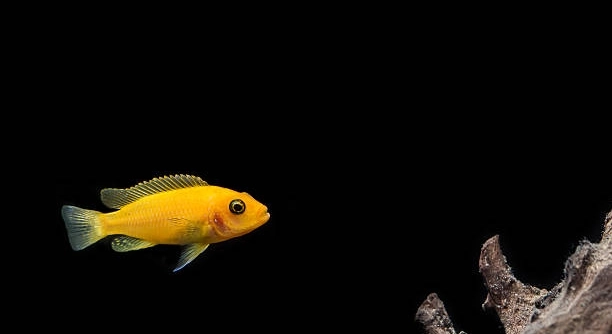
Cichlids are vibrant and captivating fish that bring life to any aquarium. Observing them is usually calming, but tensions can arise unexpectedly. Recognizing early signs of aggression can help maintain a peaceful and healthy environment for all.
Before cichlids engage in fights, several warning signs are typically present. These include chasing, flaring fins, color changes, territorial displays, constant staring, sudden darting movements, and repeated posturing. Identifying these behaviors early allows timely intervention to prevent harm and stress.
Being aware of these signs ensures a safer aquarium. Monitoring interactions closely can keep your cichlids healthy and your tank harmonious.
Recognizing Early Aggression
Cichlids often show subtle signs before a fight begins. Chasing is one of the first behaviors you might notice, where one fish follows another persistently. Flaring fins and gill covers are also common, signaling dominance or irritation. Color changes, such as darkening or sudden bright patches, can indicate stress or readiness to fight. Territorial displays, including guarding rocks or plants, often escalate aggression. Repeated posturing, where a cichlid holds a rigid stance while facing another, is another warning. Sudden darting movements through the tank suggest heightened tension. Observing these behaviors closely can help prevent serious conflicts. By knowing what to watch for, it becomes easier to separate aggressive individuals before injury occurs. Creating spaces within the tank for hiding and retreat reduces confrontations. Monitoring each fish’s interactions daily ensures a balanced environment. Maintaining consistent water conditions and proper diet supports calmer behavior overall.
Early detection of aggression helps keep the tank peaceful and fish safe.
Providing enough space, hiding spots, and visual barriers minimizes conflict. These adjustments reduce stress and improve interactions.
Managing Territorial Behavior
Territorial disputes are common among cichlids, especially in confined spaces. Assigning distinct areas with rocks, plants, or decorations can help each fish feel secure. Rearranging the tank periodically prevents a single cichlid from dominating one area. Observing interactions allows you to intervene before fights escalate. Some cichlids may need to be separated temporarily if tensions rise. Ensuring that feeding areas are spread out prevents competition for food, which can trigger aggression. Regular maintenance and cleaning of the tank also keep fish comfortable and reduce stress-induced hostility. Understanding which species naturally coexist can guide placement and minimize territorial clashes. Combining compatible species with different temperaments often results in a more harmonious tank. Adjusting lighting and water flow can influence behavior, as some cichlids prefer calmer areas. Careful attention to these details encourages healthy interactions and reduces the likelihood of prolonged fights. Consistency in tank setup and monitoring fish behavior creates a safe, manageable environment.
Chasing and Flaring
Chasing is often the first sign of trouble. A fish that constantly follows another is asserting dominance. Flaring fins intensify the message, showing readiness to defend territory or challenge rivals. Watching these behaviors early helps prevent serious conflicts.
When a cichlid chases another, it usually signals agitation or competition for space. The pursued fish may try to escape or hide, increasing stress. Flaring fins amplify tension, making the situation more volatile. If left unchecked, chasing can escalate into biting or physical harm. Providing hiding spots and visual barriers can reduce repeated pursuits. Separating overly aggressive individuals temporarily may calm the tank. Tracking patterns of chasing helps identify which fish dominate and which are more submissive, allowing better tank management and planning.
Flaring is a natural display of dominance. Frequent or prolonged flaring increases stress for both the aggressor and the targeted fish. Over time, repeated flaring can weaken fish, affect appetite, and trigger illness. Observing the timing and triggers of this behavior helps you adjust the environment, rearranging decorations or increasing cover. Balancing tank population and ensuring each cichlid has enough space reduces flaring incidents. This approach encourages calmer interactions and preserves the overall health of the aquarium.
Color Changes
Color changes often indicate stress, aggression, or submission. A cichlid that suddenly darkens or displays bright patches may be signaling tension or readiness to fight. Observing these shifts helps you intervene in time.
Stress and aggression are commonly reflected in a cichlid’s coloration. A fish may darken when threatened or lighten when avoiding confrontation. Bright or sudden color changes can indicate heightened alertness, territorial disputes, or preparation for confrontation. Monitoring these visual cues allows timely adjustments, like providing more hiding areas or rearranging tank decorations. Understanding which species display these changes more frequently aids in predicting potential conflicts and planning the tank setup for smoother coexistence.
Color changes also reflect environmental comfort. Water quality, lighting, and tank layout influence how cichlids display color. Stressful conditions often amplify color shifts, signaling a need for intervention. By maintaining consistent conditions and observing color patterns, you can reduce aggression and promote stable behavior. Recognizing these changes as early warning signs helps manage interactions proactively, ensuring each fish feels secure. Adjustments such as adding plants or rocks, redistributing space, or separating dominant individuals prevent escalation and maintain harmony. Tracking color patterns over time provides insight into individual temperaments and overall tank dynamics.
Sudden Darting Movements
Sudden darting movements are a clear sign of agitation. A cichlid that swims abruptly or zigzags around the tank is likely feeling threatened or provoked. Observing these actions can help prevent escalation before a fight begins.
These movements often indicate heightened stress or fear. The targeted fish may try to flee from a dominant neighbor, while the aggressor continues to pursue. Quick reactions from both fish can cause injuries or increase tension. Monitoring these behaviors helps maintain a calmer environment.
Posturing
Posturing is a rigid stance where a cichlid faces another fish directly, often with fins extended. This behavior signals dominance and can escalate to aggression if ignored. Recognizing posturing early allows for timely interventions to prevent physical confrontations.
Chasing Patterns
Chasing patterns provide insight into the social hierarchy of the tank. Repeated pursuits indicate dominant individuals asserting control, while the chased fish shows submission. Understanding these interactions helps in rearranging the tank, providing hiding spots, and separating aggressive fish if needed to maintain a peaceful environment.
Territorial Displays
Territorial displays involve defending specific areas like rocks, plants, or decorations. Cichlids may circle, flare fins, or guard these zones. Observing these behaviors allows adjustments in tank layout and spacing to reduce conflicts and promote coexistence.
FAQ
How can I tell if my cichlids are about to fight?
Signs of impending fights include chasing, flaring fins, sudden darting, posturing, and color changes. Repeated aggressive interactions and territorial guarding are also key indicators. Watching closely and noting patterns helps prevent escalation before serious injuries occur.
What should I do if I notice flaring or chasing?
Provide hiding spots like rocks, plants, or decorations to break line-of-sight. Rearranging the tank can reduce dominance claims. If aggression persists, consider temporarily separating the aggressive fish. Feeding in multiple locations also minimizes competition and tension during meals.
Are color changes always a sign of aggression?
Not always. Color shifts can indicate stress, illness, or environmental discomfort. Darkening often signals dominance or fear, while bright patches may reflect agitation. Monitoring water quality, diet, and tank conditions can help distinguish between aggression and other issues.
Can tank size affect cichlid aggression?
Yes. Overcrowded tanks increase territorial disputes and stress. Providing ample space and visual barriers reduces conflict. Each species has recommended minimum tank sizes to allow proper territory establishment and reduce the risk of fighting.
How important are hiding spots for preventing fights?
Hiding spots are essential. They allow subordinate or stressed fish to retreat, reducing confrontations. Rocks, caves, and dense plant areas provide security, helping maintain peace and lower overall aggression in the tank.
Should I separate aggressive cichlids permanently?
Permanent separation is sometimes necessary if aggression persists despite adjustments. Temporary separation may suffice for short-term tension, but chronic aggressors may need permanent relocation to protect other fish. Observing long-term behavior guides this decision.
Do feeding habits influence aggression?
Yes. Competition for food can trigger chasing and territorial disputes. Spreading food in multiple locations and providing sufficient portions helps reduce aggressive encounters and ensures all fish are well-fed and less stressed.
Can changing tank decorations reduce fights?
Rearranging decorations can reset territorial boundaries and reduce dominance disputes. Moving rocks, caves, and plants prevents fish from claiming fixed territories, encouraging calmer interactions and giving stressed fish new hiding options.
Are some cichlid species more aggressive than others?
Certain species naturally display higher aggression. African cichlids, for instance, are often more territorial than South American species. Understanding species temperament and compatibility helps in planning tank mates and minimizing conflict.
How can I monitor aggression without stressing my fish?
Observe quietly from a distance and avoid tapping or sudden movements. Use consistent routines for feeding and cleaning to reduce stress. Tracking behavior over time allows recognition of patterns without disturbing the fish.
Is it necessary to act immediately when warning signs appear?
Prompt action prevents escalation and injuries. Early intervention, such as adding hiding spaces or separating individuals temporarily, ensures a safer environment and reduces the risk of long-term stress or harm.
Can water quality impact aggression?
Poor water conditions increase stress, making fights more likely. Maintaining appropriate temperature, pH, and cleanliness helps cichlids remain calmer. Regular testing and water changes are critical for minimizing aggression and supporting overall health.
How often should I observe my cichlids for early warning signs?
Daily observation is ideal. Noting changes in chasing, flaring, or color helps detect potential aggression before it escalates. Regular monitoring allows timely interventions and keeps the tank environment stable.
What role does tank population play in aggression?
Overcrowding or uneven ratios of males to females can trigger fights. Maintaining a balanced population and following species-specific recommendations for numbers prevents stress and territorial disputes.
Can stress from other sources trigger fights?
Yes. Loud noises, sudden movements, or frequent disturbances can increase tension. Creating a calm environment with stable routines reduces stress-related aggression and promotes healthier interactions among cichlids.
How long does it take to calm aggressive behavior?
It varies depending on the fish and environment. Some adjust within days if hiding spots and space are provided. Persistent aggressors may take weeks to settle, requiring ongoing monitoring and adjustments to tank layout or population.
Are there signs that aggression has already caused harm?
Visible injuries, torn fins, or constant hiding indicate past aggression. Monitoring these signs helps identify which fish need care and whether tank adjustments or separation are required. Immediate intervention protects vulnerable individuals.
Can introducing new cichlids increase aggression?
Yes. New arrivals may trigger territorial disputes. Introducing fish gradually, providing extra hiding spots, and observing closely can reduce stress and minimize aggressive encounters during acclimation.
Does diet affect aggression levels?
A balanced, nutritious diet helps reduce competition and irritability. Inadequate or inconsistent feeding can increase chasing and territorial disputes, making proper diet management important for maintaining harmony.
What long-term strategies help prevent fights?
Maintaining proper tank size, balanced population, suitable tank mates, hiding spots, stable water conditions, and attentive observation ensures long-term peace. Planning tank layout and species compatibility from the start reduces stress and aggressive behaviors over time.
This FAQ covers the most common concerns about cichlid aggression and provides practical strategies to manage and prevent fights. Monitoring behavior, adjusting the environment, and ensuring proper care can create a stable, peaceful tank.
Final Thoughts
Cichlids are fascinating fish with vibrant colors and unique personalities, but their beauty can come with challenges. Aggression is a natural part of their behavior, especially when establishing territory or asserting dominance. Understanding the warning signs before a fight starts is essential for maintaining a peaceful aquarium. Early signs such as chasing, flaring fins, darting movements, posturing, color changes, and territorial displays can help you predict potential conflicts. By paying attention to these behaviors daily, it becomes easier to take steps to prevent fights and protect the well-being of all your fish. Observing each fish closely also allows you to recognize individual personalities and tendencies, which helps in planning tank layouts and choosing compatible species. Small adjustments like adding hiding spots, rearranging decorations, or providing separate feeding areas can make a significant difference in reducing tension. Maintaining consistent water quality and a balanced diet supports calmer behavior and overall health. Understanding cichlid behavior and responding to early warning signs ensures that their natural tendencies do not escalate into dangerous conflicts.
Managing aggression in cichlids requires patience and attention to detail. Not every fish will react the same way in the tank, and some individuals may be more dominant or sensitive than others. It is important to respect their social structure while creating an environment that minimizes unnecessary stress. Visual barriers, plants, rocks, and caves help fish retreat when they feel threatened, which reduces the likelihood of prolonged confrontations. Tank size plays a critical role as well; overcrowded tanks tend to increase aggressive interactions and stress levels. Ensuring that the tank is spacious enough for each fish to claim territory without constant interference is a key strategy. Observing behavior over time, rather than reacting to isolated incidents, allows for more effective management. Temporary separation of aggressive fish can give the tank a chance to reset and establish a more balanced social hierarchy. Feeding in multiple locations and providing enough food also reduces competition, which is a common trigger for fights. Maintaining a calm, consistent environment encourages positive interactions and supports the overall stability of the aquarium.
Long-term harmony in a cichlid tank comes from careful planning, regular monitoring, and proactive adjustments. Each fish has its own temperament, and understanding these differences allows for better management of potential conflicts. Consistent observation and timely intervention prevent minor aggressive behaviors from developing into serious injuries. Rearranging the tank or introducing new hiding spots can prevent territorial disputes and keep dominant individuals from taking control over a single area. Water quality, lighting, and diet all influence behavior, so maintaining stable conditions is crucial. By learning to read subtle cues like color changes, chasing patterns, and posturing, you can anticipate problems and act before they escalate. The goal is not to eliminate natural behaviors but to provide an environment that allows cichlids to coexist safely. Through patience, attention, and small, thoughtful adjustments, it is possible to maintain a peaceful and healthy tank where cichlids thrive without constant aggression. With proper care, observation, and understanding, the aquarium can remain a vibrant and harmonious space for these remarkable fish.

Hello,
If you enjoy the content that we create, please consider saying a "Thank You!" by leaving a tip.
Every little bit helps us continue crafting quality advice that supports the health, happiness, and well-being of pets around the world, for pets of all shapes, sizes, and species.
We really appreciate the kindness and support that you show us!