
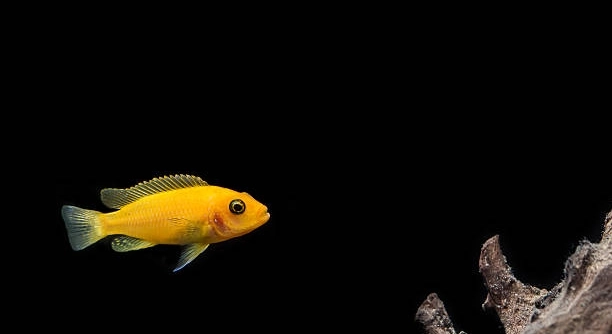
Do you ever find yourself trying to keep your electric yellow cichlid fry healthy but feel unsure if you are doing enough each day? Raising these delicate fish requires consistent care and attention to their needs.
Maintaining optimal water quality, providing appropriate feeding schedules, monitoring fry growth, and ensuring a stress-free environment are essential daily habits for successfully raising electric yellow cichlid fry. Consistent application of these practices promotes survival and healthy development.
Proper daily care helps fry thrive and reduces common problems in early development. Following structured routines ensures stronger, healthier fish as they grow.
Maintaining Stable Water Conditions
Keeping water conditions stable is one of the most important aspects of raising electric yellow cichlid fry. Temperature, pH, and hardness must be monitored daily. Sudden changes can shock the fry, leading to stunted growth or even mortality. A reliable heater and thermometer help maintain consistent temperature, ideally between 78°F and 82°F. Using a water test kit allows you to track pH and hardness levels, ensuring they remain within the ideal range. Partial water changes should be done carefully to avoid sudden chemical shifts. Avoid overfeeding, as uneaten food can pollute the water quickly, stressing the fry. Filtration systems must be gentle to prevent fry from being sucked in. Observing water clarity and any unusual odor provides immediate clues if adjustments are necessary. Even small daily efforts in monitoring water quality contribute significantly to the overall health of the fry and their long-term development.
Proper water management reduces stress and promotes steady growth in the fry.
Daily observation and small adjustments in water quality prevent problems from escalating. By keeping parameters stable, fry remain active, healthy, and better able to feed and grow consistently. Monitoring water parameters regularly builds confidence in managing the aquarium and supports long-term success. Over time, these practices help create a balanced environment that encourages natural behavior, reduces disease risk, and strengthens fry resilience. Each day of careful attention reinforces the stability of their habitat, ensuring that growth milestones are met without unnecessary setbacks. For breeders, consistent water care becomes a predictable routine that minimizes surprises and supports optimal development. By combining monitoring tools, thoughtful feeding, and gentle filtration, fry can thrive in a controlled, safe environment that mimics their natural preferences while still being manageable in captivity. Observing subtle changes daily allows for immediate corrective action and ensures long-term success.
Feeding and Nutrition
Daily feeding should be small and frequent. Fry need multiple tiny meals to support fast growth.
Feeding electric yellow cichlid fry requires attention to quantity, frequency, and diet variety. Initially, fry feed on infusoria or liquid fry food for the first few days, transitioning to finely crushed flakes or specialized micro pellets as they grow. Offering a mix of protein-rich foods ensures proper development of bones and fins. Overfeeding can deteriorate water quality, so only provide what they can consume within a few minutes. Rotating food types helps prevent nutritional deficiencies and supports vibrant coloration. Each meal should be observed to confirm fry are eating actively. Feeding at consistent times builds routine and reduces stress. Careful attention to diet is essential, as improper feeding can lead to slow growth or susceptibility to disease. Fry benefit from small, frequent meals multiple times per day. Supplements like spirulina can enhance color and vitality, while occasional live food encourages natural hunting behavior. Tracking growth and adjusting portion sizes ensures each fry receives sufficient nutrients without compromising water quality. Balanced nutrition is a key factor in fostering healthy fry that grow into strong, colorful adults.
Monitoring Fry Growth
Regularly observing fry growth helps detect health issues early. Measure size and note behavior daily to ensure they are developing properly and adjusting well to their environment.
Tracking growth involves measuring fry length and noting changes in coloration and activity. Uneven growth may indicate competition for food or insufficient nutrition. Maintaining consistent feeding and water conditions helps minimize disparities. Record observations in a notebook or spreadsheet to identify trends over time. Healthy fry are active, swim confidently, and show steady growth each week.
Adjustments in care may be needed if growth slows. Fry that lag behind might require separate feeding or gentler water flow. Providing hiding spots reduces stress for smaller fry. Monitoring also ensures that all fry receive adequate nutrition. A structured approach prevents overcrowding and allows better management of tank conditions. Over time, consistent observation helps maintain a balanced group where all fry thrive equally. Accurate record-keeping can guide future breeding decisions and improve overall survival rates.
Preventing Disease
Preventing disease starts with clean water and careful observation of fry daily. Early detection reduces stress and mortality rates.
Maintaining hygiene is crucial for disease prevention. Remove uneaten food and waste promptly, and perform partial water changes regularly. Avoid sudden changes in temperature or water chemistry, which can weaken fry and make them more susceptible to illness. Quarantine new fish or plants before introducing them to the tank to prevent contamination. Providing a stress-free environment with proper hiding spaces strengthens immune response. Healthy, well-fed fry are less likely to contract disease.
Using preventive measures like mild medicated baths or adding probiotics can support fry health. Avoid overcrowding, as it increases stress and facilitates the spread of pathogens. Observe fry for early signs of disease, such as lethargy, unusual swimming, or discoloration, and act quickly to isolate affected individuals. Maintaining proper diet, stable water conditions, and gentle handling helps minimize disease risks. Careful monitoring combined with routine maintenance creates a strong defense against common fry illnesses, ensuring higher survival and consistent growth in the aquarium environment.
Providing Hiding Spaces
Fry feel safer with adequate hiding spots. Rocks, plants, or small decorations reduce stress and encourage natural behavior.
Hiding spaces also prevent smaller fry from being bullied by larger ones. Arranging shelters strategically helps all fry access them without overcrowding.
Gentle Water Flow
Strong currents can exhaust fry and inhibit feeding. Use a sponge filter or adjustable flow to maintain a gentle current.
Observing Behavior
Daily observation of fry activity reveals health and development issues early. Watch for lethargy, unusual swimming, or aggression. Quick intervention can prevent long-term problems.
FAQ
How often should I feed electric yellow cichlid fry?
Fry need small, frequent meals to support rapid growth. Start with three to five feedings per day using infusoria or liquid fry food for the first week. Gradually transition to finely crushed flakes or micro pellets as they grow. Monitor consumption carefully and remove uneaten food to prevent water quality issues.
What water parameters are ideal for raising fry?
Maintain temperature between 78°F and 82°F, pH around 7.8 to 8.6, and moderate hardness. Use a reliable heater and test kit to check levels daily. Sudden fluctuations can stress fry and hinder growth, so stable conditions are essential. Partial water changes should be gentle and regular.
How can I prevent fry from getting stressed?
Stress can slow growth and increase disease risk. Provide hiding spaces with rocks, plants, or decorations. Avoid overcrowding, maintain stable water conditions, and use gentle water flow. Handle fry minimally, and feed consistently at the same times each day. Observing behavior daily helps spot stress early.
How do I know if fry are healthy?
Healthy fry are active, swim confidently, and feed eagerly. They show steady growth, develop coloration gradually, and have clear eyes. Lethargy, unusual swimming patterns, or failure to eat may indicate illness or stress. Monitoring growth and behavior daily allows early intervention when problems appear.
When should I separate smaller fry from larger ones?
If some fry show slower growth or are being bullied, separate them temporarily. Smaller fry may struggle to compete for food or hide from aggressive tankmates. Providing a separate tank or partition ensures all fry receive adequate nutrition and reduces mortality risk.
Can I use live food for electric yellow cichlid fry?
Yes, live foods like baby brine shrimp or microworms are excellent for early development. They provide high protein, encourage natural hunting behavior, and help fry develop coordination. Offer small amounts to avoid fouling water, and gradually transition to prepared fry foods as they grow.
How often should I check water quality?
Daily checks are recommended, especially during the first few weeks. Monitor temperature, pH, hardness, and ammonia levels. Observing water clarity and odor provides additional clues. Regular checks prevent problems from escalating and support steady, healthy growth for the fry.
Is it necessary to use a sponge filter?
A sponge filter provides gentle filtration suitable for fry. It removes waste without creating strong currents that can exhaust young fish. It also allows fry to explore and feed safely. Clean the sponge regularly without using harsh chemicals to maintain a healthy environment.
What are common signs of disease in fry?
Look for lethargy, loss of appetite, discoloration, clamped fins, or unusual swimming. Early detection is crucial. Isolate affected fry if necessary and adjust water conditions immediately. Preventive care, such as maintaining hygiene, stable water, and proper diet, reduces the likelihood of illness.
How do I support coloration in fry?
A balanced diet rich in protein and natural pigments helps fry develop their yellow coloration. Including spirulina or other color-enhancing supplements occasionally can improve vibrancy. Avoid overfeeding or poor water conditions, as stress and illness can dull color development.
Can fry survive without hiding spaces?
While some may survive, lack of hiding spots increases stress and vulnerability to bullying. Providing shelters ensures fry feel secure, reduces aggression, and encourages natural behavior. Strategically placed plants, rocks, or decorations create multiple safe areas, especially for smaller fry.
When is it safe to introduce fry to the main tank?
Fry can be introduced once they are large enough to avoid being eaten by adult fish, usually around two to three inches in length. Ensure the main tank has stable conditions, gentle water flow, and plenty of hiding spots. Gradually acclimate fry to new water parameters to minimize stress.
How do I manage uneaten food?
Uneaten food can pollute water quickly. Remove leftovers promptly using a small siphon or net. Adjust feeding amounts if food consistently remains after a few minutes. Maintaining clean water supports fry health and reduces disease risk.
What should I do if fry growth is uneven?
Uneven growth often results from competition for food. Separate smaller fry, increase feeding frequency, and ensure all fish have access to food. Monitor water quality closely, as overcrowding and stress can exacerbate growth differences. Consistent care helps reduce disparities over time.
Are temperature fluctuations harmful to fry?
Yes, sudden changes in temperature can shock fry, slow growth, and increase susceptibility to disease. Maintain a stable temperature with a reliable heater and monitor daily. Small daily adjustments should be gradual, not sudden, to avoid stress and mortality.
Raising electric yellow cichlid fry requires patience, consistency, and attention to detail. Daily care routines, such as feeding small meals, monitoring water quality, and providing hiding spaces, form the foundation for healthy growth. Fry are delicate, and even small changes in their environment can affect development. Maintaining stable water conditions is one of the most important tasks. Temperature, pH, and hardness must be monitored carefully to prevent stress or illness. Gentle water flow and adequate filtration support a safe and comfortable habitat. By following these basic practices consistently, fry are more likely to thrive and reach their full potential. Over time, these routines become second nature and help ensure the long-term health of the fish.
Feeding and nutrition play a critical role in growth and vitality. Electric yellow cichlid fry require small, frequent meals, starting with liquid fry food or infusoria before transitioning to finely crushed flakes or micro pellets. Providing a balanced diet with sufficient protein supports the development of strong bones and fins while encouraging healthy coloration. Overfeeding can harm water quality, so careful observation of how much the fry consume at each feeding is essential. Using a combination of prepared and live foods can enhance nutrition and stimulate natural behaviors, while supplements like spirulina can improve vibrancy. Tracking growth and adjusting portion sizes ensures that each fry receives adequate nutrients without creating stress in the tank or reducing water quality.
Monitoring behavior and health is equally important. Active fry that feed well, swim confidently, and develop coloration steadily are generally healthy. Signs of stress or disease, such as lethargy, unusual swimming, or uneven growth, require immediate attention to prevent long-term problems. Providing hiding spaces, separating smaller fry when necessary, and maintaining hygiene all contribute to reducing stress and increasing survival rates. Preventing disease through clean water, careful observation, and proper feeding routines minimizes risks and supports strong growth. Consistent care and patience allow electric yellow cichlid fry to develop into healthy, vibrant adults. These small daily efforts pay off by creating a stable environment where the fry can thrive and grow consistently.

Hello,
If you enjoy the content that we create, please consider saying a "Thank You!" by leaving a tip.
Every little bit helps us continue crafting quality advice that supports the health, happiness, and well-being of pets around the world, for pets of all shapes, sizes, and species.
We really appreciate the kindness and support that you show us!