
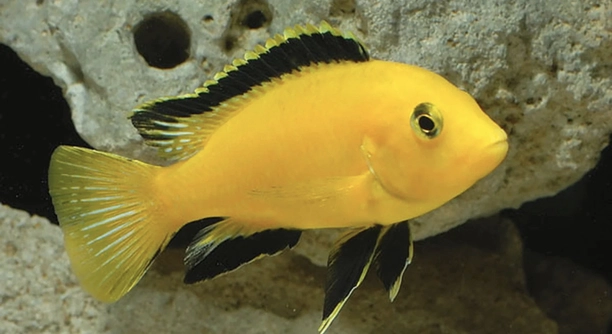
Many aquarists enjoy creating peaceful environments for their fish, and cichlids benefit from layouts that support their natural behaviors. Setting up the right tank can improve their comfort, reduce stress, and create an aquatic space.
The best way to boost cichlid comfort is by arranging tank layouts that support territorial boundaries, stable hiding areas, and consistent swimming zones. These structural features promote healthier social interactions, lower stress, and create a environment suited to species-specific needs.
These layout choices bring improvements, guiding you toward a setup that enriches cichlid behavior and fosters a harmonious aquatic environment.
Rockwork Structures for Stability
Creating strong rockwork structures supports cichlid comfort by giving them clear boundaries and stable spaces to explore. I like using flat stones and sturdy formations because they stay secure even when fish move quickly or shift the substrate. These structures help reduce tension among territorial species, especially when each fish can claim a defined area. Building several layers also offers shaded spots where they can rest without feeling exposed. I avoid sharp edges, since smooth pieces prevent injury and allow safer movement. When arranging the layout, I make sure every formation sits firmly against the glass or base so nothing topples. This setup encourages more natural behavior because the fish feel protected and confident. Balanced placement prevents overcrowding in one section, allowing the group to spread out comfortably. Overall, thoughtful rockwork design plays an important role in creating a calm habitat that supports healthy interactions and steady routines each day.
These structures also guide movement patterns by giving cichlids a sense of direction and stability, which helps them stay calm. Proper placement limits sudden conflicts and keeps the tank organized. Thoughtful adjustments ensure every section remains accessible, improving comfort and helping the fish settle into predictable routines each and daily.
Strong structural support makes a noticeable difference in how cichlids behave throughout the day. I find that well planned rockwork encourages smoother interactions because the fish do not feel crowded or vulnerable. It also helps maintain a clear visual layout, letting them navigate the space with ease. When they can claim secure areas, their stress levels decrease and their colors often appear brighter. A stable arrangement also prevents sudden collapses that may disturb feeding or resting habits. By placing each piece with care, you help create a dependable environment that feels safe, steady, and comfortable for your entire group today.
Open Swimming Zones for Balance
Open swimming zones support steady movement by giving cichlids enough room to travel without interruptions. Clear lanes reduce tension and encourage healthier activity. Removing clutter helps maintain smooth navigation and prevents unnecessary stress, allowing the group to stay balanced and comfortable within their shared space during their daily routine activities.
Creating open swimming zones plays an important role in supporting calm behavior and steady routines. I prefer keeping the central area clear so the fish can move freely without feeling blocked or pressured. This open space helps reduce tension among territorial individuals because they have room to redirect their paths without entering another’s claimed area. A clean midsection also improves feeding behavior since the fish can access food without collisions. I like positioning plants and decorations along the edges, making sure they do not intrude into the main lane. This approach keeps the center open while still offering structure around the borders. It also creates a natural flow that supports both active swimmers and more cautious individuals. Maintaining open zones helps limit territorial disputes, allowing each fish to move with greater confidence and less hesitation. This balanced layout encourages healthier social patterns and provides a sense of order that benefits the entire group. When the main area remains unobstructed, the fish engage more comfortably with their environment, showing smoother rhythms throughout the day. Careful planning ensures these zones remain consistent and supportive, helping your cichlids feel secure and settled in their habitat each and every single moment of their day.
Shelter Caves for Security
Shelter caves support cichlids by giving them defined spaces where they can retreat without disturbance. I like using stable ceramic or stone pieces that sit firmly in place. These small shelters reduce stress and help each fish settle into a routine that feels predictable and calm every day with ease.
Creating shelter caves helps maintain order among territorial cichlids by giving each fish a clear place to rest and feel secure. I prefer arranging several small structures rather than one large space because it reduces conflict and encourages even distribution across the tank. Smooth materials prevent injury while solid placement keeps everything steady when fish shift the substrate. These caves also support natural hiding behavior, especially for shy individuals who need protection during active moments in the tank. When each fish can retreat comfortably the entire group shows calmer patterns and fewer disruptions within their environment daily.
Reliable shelter caves play an important role in reducing unnecessary tension by giving cichlids safe retreats during feeding or territorial shifts. I like positioning these structures along the sides and back of the tank so the center remains open for movement. This placement keeps activity balanced and prevents tighter areas from becoming overcrowded. Well arranged caves also support breeding behavior by offering hidden spaces where pairs can protect their eggs without constant interruption. When these shelters stay stable and accessible the fish move more confidently and show brighter coloration. A dependable layout keeps the environment calm and encourages smoother routines.
Vegetation Barriers for Comfort
Vegetation barriers help guide movement and create softer boundaries that support calmer interactions among cichlids. I prefer using hardy plants or artificial options that stay upright even with active digging. These barriers reduce direct line of sight between territorial individuals which lowers sudden confrontations. Placing them along edges strengthens structure while keeping the center open for swimming. This arrangement supports steady routines and gives the fish cover that feels safe and consistent across the tank.
Vegetation barriers create structure that supports predictable routines by softening territorial boundaries without blocking major movement areas. I like arranging tall plants along the back and shorter pieces near the sides so the layout stays open while still offering guidance. This balance prevents cichlids from clashing head on because visual breaks help them redirect instead of making direct contact. Strong rooted plants or weighted artificial ones stay in place even when fish dig keeping the layout consistent. These barriers also offer shelter for shy individuals who need quick cover during active moments. A well placed vegetation layout supports healthier interactions improves overall comfort and keeps the environment steady throughout daily activity giving the tank a calm structure that feels dependable and supportive for the group.
Multi-Level Platforms for Movement
Multi-level platforms help cichlids explore different heights and stay active throughout the day. I like stacking sturdy materials that stay secure even when fish rearrange the substrate. This structure supports natural movement patterns and gives each fish more choice in where to swim and rest comfortably.
These platforms also reduce territorial tension by spreading activity across several levels instead of one crowded zone. I find that balanced height variations keep the group calmer and more confident. Strong, stable pieces prevent collapses and help maintain a predictable layout that feels steady for every fish.
Defined Territory Zones
Defined territory zones support calmer interactions by giving each cichlid a specific area to occupy without constant interruption. I like arranging decorations in a way that breaks the space into several clear sections. This layout helps reduce direct conflict and encourages steady routines throughout daily activity while keeping movement smooth.
Filter Flow Paths
Filter flow paths guide water movement in a way that helps cichlids stay active without feeling overwhelmed. I prefer adjusting the output direction so the flow stays consistent but gentle. This keeps debris moving, supports oxygen levels, and creates a balanced environment that feels stable for the group.
FAQ
How do tank layouts influence cichlid behavior?
Tank layouts influence how cichlids move, rest, and interact. When the space includes clear zones, stable shelters, and open lanes, the fish feel more secure. This sense of order reduces stress and helps them settle into predictable routines. Well arranged layouts also reduce sudden confrontations because territorial individuals can claim spaces without constant overlap. A thoughtful setup allows each fish to move confidently and maintain natural behavior patterns. When the environment feels steady, the group becomes calmer as they adjust to a structure that supports their needs. This balanced layout also encourages smoother feeding routines and improves overall comfort in the tank each day.
What materials work best for creating stable structures?
Sturdy stones, ceramic pieces, and well designed artificial decorations are the safest materials. I prefer using items that stay firmly in place even when cichlids dig, since they tend to rearrange the substrate often. Smooth materials prevent injuries and support safer movement. When choosing pieces, it helps to select heavier items that will not shift easily. These stable elements also support hiding behavior and create durable territorial areas. Consistent placement ensures nothing collapses during active moments. Using reliable materials keeps the tank layout dependable, which makes the fish feel secure. It also prevents disruptions that may cause stress or sudden territorial reactions.
Why are visual breaks important in a cichlid tank?
Visual breaks reduce tension by limiting direct line of sight between territorial cichlids. Many conflicts begin when fish see each other too clearly in shared spaces. Plants, rock structures, and shelters help separate zones naturally. These breaks guide movement and make it easier for a fish to redirect rather than confront another. Visual interruptions also offer shy individuals a sense of cover, which helps them rest more comfortably. When the environment includes these soft barriers, routine interactions become smoother. It also keeps the tank organized in a way that supports steady behavior. This structure helps maintain harmony within the group as they move around daily.
How much open space should be included?
Open space should always remain consistent, especially in the center of the tank. This area allows cichlids to move freely without feeling trapped. I prefer keeping decorations along the edges so the midsection stays clear. This open zone supports healthy swimming patterns, reduces stress, and prevents unnecessary conflict. When fish can access food without obstacles, feeding becomes more controlled and less chaotic. Maintaining open space also helps territorial individuals redirect their path smoothly. Balanced placement keeps the environment functioning reliably which benefits the entire group. A spacious central area encourages confidence and stable movement throughout the day.
Do all cichlids benefit from caves and shelters?
Most cichlids benefit from caves and shelters because these structures give them places to rest and escape activity. Even dominant individuals use shelters to feel secure during quiet moments. I like offering multiple small spaces instead of one large area so fish do not crowd together. This approach helps reduce tension and keeps the environment organized. Shelters also support breeding behavior by offering hidden areas for egg protection. They help create predictable routines and calm the tank. When every fish has access to a safe retreat the group feels more balanced. Reliable caves and shelters support long term comfort and healthier interactions.
How does flow direction affect cichlid comfort?
Flow direction shapes how water moves through the tank and influences comfort. A strong current can overwhelm certain species while too little movement may lower oxygen levels. I like adjusting the outflow so the water stays steady but gentle. This approach keeps debris moving without creating harsh zones. Balanced flow encourages smoother swimming patterns and supports cleaner filtration. When the current moves predictably the fish adapt more easily to their environment. A controlled flow also helps maintain stable routines and steady comfort throughout the day. Establishing the right direction ensures the habitat feels balanced and supportive for the entire group.
Final Thoughts
Creating a comfortable habitat for cichlids depends on steady choices that support their natural behaviors. I find that small adjustments often make the biggest difference, especially when the tank layout stays consistent and predictable. Cichlids rely on stable surroundings, and each element you add shapes how they move and interact. When the environment includes open swimming zones, clear hiding places, and balanced boundaries, the fish develop routines that feel calm and secure. A dependable layout helps them rest without tension and explore without hesitation. Thoughtful structure encourages healthier behavior because it gives them options rather than forcing them into tight or stressful paths. Building these elements with care also makes maintenance easier because everything stays organized and functional. You can observe changes in their comfort simply by watching how smoothly they glide through the tank. A well arranged space supports brighter colors, steadier movement, and calmer interactions. These details work together to create a tank that feels safe, consistent, and suited to their needs.
A stable habitat also supports long term comfort, especially when each section of the tank has a clear purpose. When I arrange spaces with intention, the fish use them naturally throughout the day. Strong rockwork becomes a reliable boundary. Open lanes become pathways for movement. Soft vegetation helps divide areas gently without blocking the main swimming regions. Each of these choices supports smoother patterns by reducing sudden confrontations. Cichlids rely on structure, and when the layout reflects their instincts, they respond with confidence. This sense of control helps them settle into daily habits that feel smoother and more predictable. Even small shifts, like adjusting the flow or placing shelters more strategically, can improve how they behave. Clear zones help reduce unwanted competition, especially for territorial species that need their own space. When every section remains stable, the tank feels balanced and easy for the group to navigate. You can see the difference when they move with calmer rhythms and show more comfort in their surroundings.
Maintaining this type of environment requires steady attention, but the results are worth it because the fish thrive in a space that supports their natural habits. A layout designed around comfort reduces stress and encourages healthier long term behavior. It also helps you understand their needs more clearly because their actions become more predictable once the tank feels safe and consistent. Every choice, from the size of a shelter to the angle of the flow, carries weight in shaping their day. When these choices align with their instincts, the tank becomes a calm environment where each fish can move confidently without constant disruption. I appreciate how much smoother everything becomes when the design stays balanced and intentional. A well planned layout acts as a foundation that supports feeding, resting, and social interactions. Over time the tank begins to feel like a steady environment that meets the group’s needs at every moment. Thoughtful design, simple structure, and consistent care come together to create a habitat where cichlids can live comfortably and peacefully.

Hello,
If you enjoy the content that we create, please consider saying a "Thank You!" by leaving a tip.
Every little bit helps us continue crafting quality advice that supports the health, happiness, and well-being of pets around the world, for pets of all shapes, sizes, and species.
We really appreciate the kindness and support that you show us!