
Are your electric yellow cichlids changing faster than you expected? Watching them thrive can be exciting, but it can also be tricky to know exactly how quickly they are growing. Their development may surprise even seasoned aquarists.
Rapid growth in electric yellow cichlids can be identified through distinct physical and behavioral changes. These include increased body size, more vibrant coloration, heightened activity levels, and appetite fluctuations. Monitoring these indicators allows for accurate assessment of growth patterns and overall health.
Keeping track of these signs will help you provide the best care and ensure your cichlids remain healthy and active in their environment.
Increased Appetite
Watching your electric yellow cichlid eat more than usual is one of the clearest signs of rapid growth. As they develop, their metabolism accelerates, and they require more nutrients to support their expanding bodies. You might notice them approaching feeding times with more energy, darting toward food faster than before. It is important to provide a balanced diet with sufficient protein and essential vitamins. Overfeeding should be avoided, but ensuring they get enough nutrients is critical. Observing their eating habits over time helps you track changes in growth rate and overall health. Sudden changes in appetite can also indicate stress or water quality issues, so keep an eye on the environment. Maintaining a clean tank and providing a variety of foods supports consistent growth. Young cichlids may go through phases of voracious eating, which naturally slows as they reach maturity. Monitoring these patterns gives insight into their development.
Rapid appetite indicates a healthy, growing cichlid that needs more nutrition to support development.
Consistent feeding routines paired with varied diets ensure your cichlid develops strong muscles and vibrant colors. Nutritional care directly affects their activity and immune system.
Noticeable Color Changes
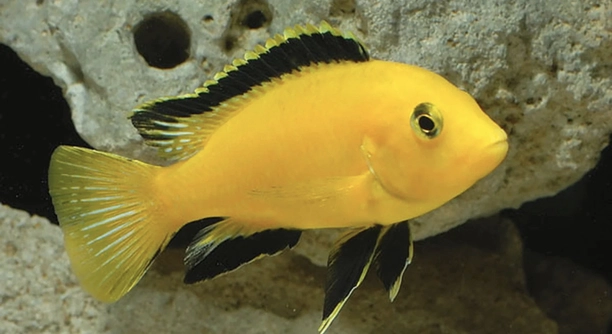
Electric yellow cichlids that are growing fast often display more intense and vibrant coloration. Their bright yellow hue can deepen and become more uniform across the body. Color changes are often accompanied by shifts in patterns, such as clearer fin edges or more defined spots. Environmental factors such as lighting, water quality, and diet also play a role in enhancing coloration. Providing high-quality foods rich in carotenoids and natural pigments helps maintain and intensify these colors, supporting healthy development. Stress-free conditions and minimal tank disturbances encourage consistent color changes without dulling the fish’s appearance. Young cichlids may gradually transition from pale tones to their signature yellow, signaling that growth and maturity are progressing. Careful observation over weeks allows you to notice subtle improvements and respond to any irregularities early. Vibrant coloration not only reflects growth but also indicates general health, vitality, and a suitable habitat for the fish.
Color intensity provides a visual clue of rapid development in your cichlid.
Tracking color changes alongside size helps ensure proper diet and care for long-term health.
Rapid Swimming
Increased activity is common in fast-growing electric yellow cichlids. They swim more energetically around the tank, exploring corners and interacting with tankmates with greater confidence and speed.
Rapid swimming reflects higher energy levels and improved muscle development. Young cichlids that are growing quickly often move purposefully rather than aimlessly. This heightened activity is also linked to a stronger metabolism, which requires them to seek food more frequently. Observing these patterns can help you gauge growth without measuring size constantly. It is important to maintain open swimming space and minimal obstacles to allow safe movement. A tank with enough hiding spots reduces stress while supporting natural behavior. Regular water changes and stable conditions keep them healthy, so their energy translates into growth rather than stress-related activity.
While energetic swimming is a positive sign, sudden bursts followed by lethargy may indicate health issues. Watching both patterns ensures they are growing well and staying healthy.
Size Differences
Young electric yellow cichlids that are growing fast show clear size differences compared to slower-growing tankmates. Their bodies appear fuller, and fins extend more rapidly. Maintaining a proper diet is essential to sustain this growth.
Tracking size changes involves simple observations over weeks. Fast growers may outpace others in body length and girth, with visible differences in head and body proportions. Providing adequate space prevents competition for food and reduces stress, allowing each fish to reach its potential. Measuring fish periodically can help confirm growth trends, especially when paired with diet records and water quality monitoring. Consistent size increases also reflect overall health and nutrient absorption.
Supporting growth requires a balanced environment, proper nutrition, and clean water. Monitoring these factors helps ensure your cichlid reaches its expected size while maintaining vitality and activity levels.
Stronger Fins
Fast-growing electric yellow cichlids develop larger, sturdier fins that help with balance and swimming efficiency. The fins appear more pronounced and may have sharper edges, reflecting overall health and growth.
Healthy fin development requires proper nutrition and clean water. Damaged fins can slow growth or indicate stress, so regular observation is essential.
Confident Behavior
Rapid growth often comes with increased confidence. Your cichlid may assert dominance during feeding or explore new areas of the tank without hesitation. This behavior shows physical strength and proper development.
Visible Body Mass
A noticeable increase in body mass is a reliable indicator of fast growth. The fish’s torso becomes rounder and more robust, signaling proper nutrient intake and healthy development.
Active Exploration
Growing cichlids spend more time investigating their surroundings. Increased curiosity and movement indicate energy levels that support consistent growth and overall health.
FAQ
How can I tell if my electric yellow cichlid is growing too fast?
Fast growth is usually visible through size, appetite, color intensity, and activity. If your cichlid shows all these signs at once, it is likely growing rapidly. Keep an eye on tank conditions and diet, as sudden, extreme growth may strain the fish if not supported properly. Maintaining consistent water quality and balanced nutrition ensures growth remains healthy and sustainable.
Is rapid growth harmful to electric yellow cichlids?
Rapid growth is not inherently harmful if the fish receives proper care. Overfeeding or poor water conditions, however, can cause stress or deformities. Ensuring a clean environment, adequate space, and high-quality food prevents complications and supports normal development. Regular observation helps detect early signs of health issues.
What diet supports healthy growth?
High-protein foods, supplemented with vitamins and minerals, are best for fast-growing cichlids. Pellets, flakes, and occasional live or frozen foods provide balanced nutrition. Avoid overfeeding, as excess food can pollute the tank and cause digestive problems. Feeding smaller amounts multiple times a day can help regulate growth.
How often should I measure or track growth?
Observing size weekly is sufficient for most hobbyists. Taking note of changes in body length, fin size, and overall mass allows you to track progress. Photos can help monitor subtle changes over time. Avoid frequent handling, as stress can slow growth and harm the fish.
Can tank size affect growth rate?
Yes. Cichlids in cramped tanks may experience stunted growth due to stress and limited swimming space. A larger tank allows better movement, healthier social interactions, and consistent access to food. Ensure the tank is at least 30 gallons for young cichlids, increasing size as they grow.
Do water conditions influence growth?
Stable water parameters are critical. Temperature, pH, and hardness affect metabolism and nutrient absorption. Regular testing and water changes prevent stress and promote consistent growth. Avoid sudden fluctuations in temperature or chemical levels, as these can slow development or lead to illness.
Why is my cichlid’s color not changing as quickly as its size?
Color changes can lag behind size growth. Genetics, diet, lighting, and stress levels affect pigmentation. Ensure high-quality food with natural color enhancers, maintain good water conditions, and provide a stress-free environment to support vibrant coloration.
How do I manage multiple cichlids growing at different rates?
Feeding individually or spreading food evenly can prevent competition. Monitor dominant fish to ensure slower growers get enough nutrition. Providing hiding spots reduces stress and allows all fish to grow at a healthy rate without constant conflict.
Can fast growth affect lifespan?
Not directly, as long as care supports their development. Poor nutrition, overfeeding, or high-stress environments can reduce lifespan. Balanced diets, clean water, and appropriate tank space ensure growth does not compromise long-term health.
When should I consult a professional?
If you notice deformities, sudden drops in appetite, lethargy, or abnormal swimming patterns, it’s best to consult a vet or experienced aquarist. Early intervention can prevent serious health issues and keep your cichlids thriving.
Are supplements necessary for growth?
Supplements are usually not required if the diet is well-balanced. Occasional vitamins can support immune health or coloration but should not replace proper nutrition. Over-supplementation can cause harm, so use sparingly and only when needed.
How long does it take for electric yellow cichlids to reach maturity?
They generally reach sexual maturity around 9 to 12 months, but growth rates vary by diet, tank size, and genetics. Observing size, color, and behavior helps determine when they are approaching full maturity. Supporting growth with proper care ensures healthy development during this period.
Can I encourage growth without overfeeding?
Yes. Focus on nutrient-dense foods, maintain optimal water conditions, and provide adequate swimming space. Frequent small feedings improve nutrient absorption and reduce waste. Proper care ensures steady growth without putting stress on the fish.
What are early signs of growth problems?
Slow growth, pale coloration, lethargy, fin damage, or uneven body shape can indicate issues. Check water quality, diet, and tank conditions. Early detection allows adjustments before problems affect long-term health.
Is fast growth consistent across all cichlids?
No. Genetics and environmental factors create variation even among siblings. Some will grow quickly, others more slowly. Tracking individual fish helps manage care and ensures all cichlids receive the support they need to develop properly.
How do I balance growth and tankmates?
Ensure enough space and hiding spots to reduce competition. Feeding evenly and monitoring interactions prevents bullying. A balanced environment allows multiple cichlids to grow healthily without conflict or stress.
Does lighting affect growth?
Lighting mainly affects coloration, but proper light cycles also influence activity and feeding habits. Consistent light encourages normal behavior and supports healthy development. Avoid excessively bright or dim conditions, as these can stress the fish.
Can growth be reversed if conditions worsen?
Poor conditions may slow or stunt growth, but once optimal care is restored, development often resumes. Correcting water quality, nutrition, and tank size is essential to help fish regain healthy growth patterns.
How can I keep track of all growth indicators?
Maintain a simple log of size, color, activity, and appetite. Photos, weekly measurements, and notes on behavior provide a clear record. Tracking these indicators ensures early detection of issues and confirms consistent progress.
Are there signs that indicate growth has stabilized?
Yes. Once the fish maintains consistent size, color, and activity levels over weeks, growth has likely stabilized. At this stage, maintaining balanced care ensures long-term health and vitality without further rapid changes.
Can stress slow growth?
Stress from overcrowding, bullying, poor water quality, or sudden environmental changes can significantly slow development. Reducing stress through proper tank setup and stable conditions supports healthy, consistent growth over time.
What role does temperature play in growth?
Electric yellow cichlids thrive in slightly warmer temperatures, which support metabolism and activity. Too cold or fluctuating temperatures slow growth, while stable, appropriate heat encourages consistent development and energy levels.
How do I ensure a healthy transition from juvenile to adult growth?
Gradually adjust diet, tank size, and social structure. Continue providing nutrient-rich food, sufficient space, and stable conditions. Monitoring behavior and size ensures the transition occurs naturally without stress or health issues.
What should I do if growth seems uneven between fins and body?
Uneven growth may result from poor diet, minor injuries, or genetic factors. Check water quality, ensure balanced nutrition, and reduce stressors. Minor irregularities often resolve with proper care, but persistent problems may require professional advice.
Is fast growth visible in all aspects of the fish simultaneously?
Not always. Size, color, activity, and appetite may develop at different rates. Observing multiple indicators together provides a more accurate picture of overall growth and health.
How does social hierarchy affect growth?
Dominant fish may have better access to food, which can accelerate growth. Ensuring enough space and monitoring feeding helps less dominant fish maintain healthy development. Reducing aggressive behavior supports consistent growth across all cichlids.
Are there signs that indicate growth is too rapid for the tank environment?
Overcrowding, aggressive behavior, or declining water quality may signal that growth exceeds current tank capacity. Upgrading tank size, maintaining water quality, and balancing social dynamics prevent stress and support safe development.
How long should I monitor growth closely?
Consistent observation is most critical during the first 6 to 12 months. Regular tracking of size, color, and behavior ensures any issues are addressed early and allows you to support healthy development throughout their juvenile stages.
Can fast growth lead to deformities?
If growth is supported with proper nutrition and stable conditions, deformities are rare. Rapid growth under poor conditions, however, can cause skeletal issues or fin abnormalities. Proper care prevents most problems associated with fast development.
What is the best way to encourage natural growth patterns?
Provide a balanced diet, clean water, ample swimming space, and a stress-free environment. Regular monitoring ensures the fish develops naturally while maintaining health, vibrant color, and active behavior.
How do I balance growth with water quality maintenance?
Frequent water changes, careful feeding, and filtration management keep water clean while supporting growth. Proper hygiene prevents stress and ensures rapid development occurs in a safe, stable environment.
What is the connection between behavior and growth rate?
Active, confident behavior usually indicates a healthy growth rate. Lethargy or hiding may signal nutritional deficiencies, stress, or poor water conditions. Tracking behavior alongside size and color gives a complete view of growth.
Are there any signs of growth plateaus?
When size, color, and activity remain consistent over several weeks, growth may have plateaued. At this stage, maintaining diet, water quality, and social stability ensures health and prepares the fish for adult development.
Can environmental enrichment influence growth?
Yes. Hiding spots, plants, and varied tank layout encourage activity and reduce stress. Active fish often grow more efficiently due to better muscle development and improved appetite.
How important is consistency in care for growth?
Very important. Stable feeding routines, water quality, and tank conditions prevent stress and allow steady growth. Inconsistent care can slow development and negatively affect overall health.
Should I separate fish growing at very different rates?
Separation may be necessary if dominant fish outcompete slower growers for food. Providing equal access to nutrition and space helps all fish grow healthily without unnecessary stress or injury.
Do growth patterns vary seasonally?
Seasonal changes in temperature and light can slightly affect metabolism and activity. Maintaining stable conditions minimizes fluctuations and ensures steady development year-round.
What role does genetics play in growth speed?
Genetics determine potential size, growth rate, and coloration. Even with ideal care, individual variation will exist. Observing each fish allows tailored care to maximize its genetic potential.
Can tank cleaning routines affect growth?
Yes. Neglecting water changes or filtration can cause stress, slow metabolism, and increase disease risk. Regular cleaning supports health and ensures growth continues without setbacks.
How do I manage growth when adding new tankmates?
Introduce fish gradually, monitor interactions, and maintain enough space for everyone. Ensuring all fish have access to food and hiding spots prevents stress and uneven growth among tankmates.
What are common mistakes that slow growth?
Overcrowding, poor diet, unstable water parameters, and excessive stress are major factors. Correcting these issues early allows your cichlid to reach its growth potential efficiently.
Can growth be encouraged through selective feeding?
Yes. Targeting nutrient-dense foods to underdeveloped fish helps balance growth. Ensure dominant fish do not monopolize food, and provide multiple feeding locations to support all individuals.
Is it normal for growth to vary between tank sections?
Yes. Fish closer to food or hiding spaces may appear to grow faster. Rotating feeding spots and ensuring consistent access for all helps maintain balanced development.
How long does it take to notice growth changes?
Changes can be seen within weeks through size, color, and behavior. Regular observation and recording ensure you catch subtle shifts early and adjust care as needed.
Are there indicators that growth has slowed unexpectedly?
Yes. Reduced appetite, paler coloration, or lethargy can signal slowed growth. Checking water quality, diet, and social interactions helps identify the cause and restore healthy development.
How does water hardness affect growth?
Appropriate hardness supports metabolism, bone structure, and overall health. Too soft or too hard water can stress the fish and interfere with normal development. Maintaining recommended parameters promotes consistent growth.
Can growth patterns predict adult size?
Early growth trends offer a general estimate, but final size depends on genetics, diet, and tank conditions. Continuous care ensures fish reach their potential without compromising health.
What adjustments help maintain steady growth?
Regular feeding, clean water, proper tank size, and balanced social conditions keep growth consistent. Observing behavior, appetite, and appearance allows timely adjustments to maintain optimal development.
Do growth rates differ between males and females?
Males often grow larger and faster, especially as they approach maturity. Female growth is usually steadier. Understanding these differences helps manage tank dynamics and feeding practices effectively.
Can stress from handling affect growth?
Yes. Frequent handling or netting can slow growth due to stress. Minimize direct contact and use gentle techniques during maintenance or observation to protect development.
Is monitoring growth more important in juvenile cichlids?
Absolutely. Juveniles develop rapidly, and early detection of problems ensures healthy adult size, coloration, and behavior. Regular checks during this stage are essential for proper care.
How do I balance fast growth with breeding considerations?
Ensure nutrition, space, and water quality support both development and reproductive readiness. Avoid overcrowding and maintain stable conditions to encourage healthy, fertile adults.
Are fast-growing cichlids more prone to disease?
Not necessarily. Healthy, well-cared-for fish resist illness. Stress, poor diet, or dirty tanks increase vulnerability. Consistent care protects growth while reducing disease risk.
Can I speed up growth naturally?
Optimizing diet, water quality, tank space, and reducing stress naturally supports faster growth. Avoid shortcuts like overfeeding or chemicals, as these can harm health.
How do I track multiple growth indicators efficiently?
Maintain a simple log with measurements, photos, and notes on appetite, color, and activity. Reviewing trends regularly helps ensure healthy, consistent development across all cichlids.
Is growth faster in younger cichlids compared to older ones?
Yes. Juveniles grow quickly, then slow as they reach maturity. Supporting early growth with proper care ensures strong health and optimal adult size.
What is the most reliable indicator of healthy growth?
A combination of size, color, appetite, and activity gives the clearest picture. Observing all factors together ensures you track development accurately and address issues early.
How do I prevent stunted growth?
Provide ample space, clean water, balanced nutrition, and low-stress conditions. Early intervention when growth slows ensures fish reach their genetic potential.
Can tank mates influence growth?
Yes. Aggressive or dominant fish may limit food access or cause stress. Proper tank layout, hiding spots, and feeding management help maintain healthy growth for all.
Is growth affected by water flow?
Moderate water flow encourages activity and supports metabolism. Excessive current can stress the fish, while stagnant water reduces energy levels and slows development.
How do I know if growth is progressing normally?
Consistent increases in size, vibrant coloration, active behavior, and healthy appetite indicate normal growth. Tracking these indicators over weeks gives a reliable assessment of development.
Are there signs that growth is uneven?
Yes. Unequal fin length, asymmetrical body shape, or delayed coloration can indicate uneven development. Adjusting diet, tank conditions, or consulting a professional may be necessary.
Can seasonal temperature changes affect juvenile growth?
Yes. Fluctuations can slow metabolism, reduce appetite, and temporarily halt growth. Maintaining stable temperature and consistent conditions supports steady development year-round.
What role does tank enrichment play in juvenile growth?
Providing hiding spots, varied terrain, and plants encourages natural behavior, increases activity, and reduces stress, which collectively support healthy, steady growth.
How do I maintain growth without overfeeding?
Feed small, frequent portions of nutrient-rich foods. Balanced diet combined with consistent observation prevents excess waste while ensuring energy and nutrient needs are met.
How important is early intervention if growth slows?
Crucial. Early correction of diet, water quality, or tank conditions prevents long-term stunting and promotes healthy, balanced development. Timely action ensures juveniles reach their potential.
Can water changes accelerate growth?
Indirectly, yes. Clean water reduces stress, prevents disease, and supports nutrient absorption, which collectively allow fish to grow faster under optimal conditions.
Do lighting cycles influence juvenile growth?
Consistent day-night cycles support natural behavior, appetite, and activity levels, indirectly promoting steady growth. Sudden changes can cause stress and slow development.
Is monitoring behavior as important as monitoring size?
Yes. Activity, exploration, and social interactions indicate health and growth. Behavior can reveal problems before they become apparent in size or coloration.
What are long-term signs of healthy growth?
Even size progression, vibrant color, strong fins, active swimming, and regular appetite reflect sustained development. Observing these over months ensures juveniles transition into healthy adults.
Can supplements replace proper diet for growth?
No. Supplements only support an already balanced diet. Relying solely on vitamins or additives cannot replace complete nutrition and may cause imbalances or harm.
Are some growth indicators more reliable than others?
Size, color, and activity are most reliable. Appetite and social behavior provide additional context. Tracking multiple indicators together ensures accurate assessment of development.
How do I prevent growth-related stress?
Provide sufficient space, hiding spots, balanced diet, and stable water parameters. Reducing environmental stress supports natural, healthy growth without behavioral or physical issues.
Can genetics limit growth despite perfect conditions?
Yes. Genetics set the maximum potential size and growth rate. Proper care helps fish reach this potential but cannot exceed genetic limitations.
How does tank setup affect growth?
Adequate space, hiding places, and clean water enable activity, reduce stress, and allow equal access to food, supporting steady, healthy development.
Can social hierarchy affect long-term growth patterns?
Yes. Dominant fish may grow faster, while submissive individuals may lag without proper management. Providing space and balanced feeding supports consistent growth for all fish.
What is the best way to ensure healthy juvenile development?
Balanced nutrition, clean water, stable temperature, proper tank size, and low-stress conditions collectively promote steady, safe growth into healthy adults. Regular observation allows early problem detection and correction.
How often should I review growth logs?
Weekly or biweekly checks allow timely adjustments to diet, water, or environment. Reviewing trends ensures juveniles grow at a healthy, consistent pace.
What combination of indicators confirms healthy growth?
Consistent size increases, vibrant color, active swimming, healthy appetite, and balanced social behavior provide the clearest picture of overall development.
Are there hidden signs of growth problems?
Subtle changes in swimming posture, fin drooping, reduced activity, or uneven coloration may indicate early growth issues. Early detection allows intervention before serious problems occur.
Can growth rates predict breeding readiness?
Partially. Rapid growth and vibrant coloration often signal approaching maturity. Observing size, color, and behavior collectively provides a better indication of breeding readiness.
Do water chemistry changes affect long-term growth?
Yes. Fluctuations in pH, hardness, or nitrates can stress fish, reduce appetite, and slow development. Maintaining stable conditions ensures consistent,
Electric yellow cichlids are fascinating fish to care for, especially when observing how quickly they grow. Growth in these fish is influenced by a combination of factors, including diet, water quality, tank size, and environmental stability. Proper nutrition is critical, as young cichlids require high-protein foods to support their expanding bodies. A balanced diet with essential vitamins and minerals ensures that growth is steady, coloration is vibrant, and energy levels remain high. Overfeeding or underfeeding can both create problems, so maintaining a feeding schedule that provides the right amount of nutrients is important. Observing appetite and eating behavior over time allows you to make adjustments when necessary and ensures each fish receives the nutrition it needs without compromising water quality. Consistency in care supports natural growth patterns, helping the fish develop in a healthy and predictable way.
Water conditions also play a crucial role in the growth of electric yellow cichlids. Stable water parameters, including temperature, pH, and hardness, are necessary to support metabolism and nutrient absorption. Sudden fluctuations or poor water quality can stress the fish and slow development. Regular water changes, proper filtration, and careful monitoring help maintain a clean and stable environment. The tank should be large enough to allow swimming space and reduce competition among fish. Providing hiding spots and maintaining a low-stress environment encourages natural behavior and supports even growth. Social dynamics within the tank can also influence development. Dominant fish may outcompete others for food, so attention to feeding practices and tank setup ensures that all cichlids grow at a healthy rate. Observing behavior and interactions among tankmates gives insight into their overall health and helps prevent growth-related issues.
Monitoring growth involves looking at multiple indicators, including size, color, activity, and overall health. Fast-growing cichlids will show increased body mass, more intense coloration, higher energy levels, and confident behavior. Tracking these changes over time allows for timely adjustments in care. While genetics influence growth potential, proper diet, water quality, and tank management help fish reach their maximum size and vitality. Keeping a log of measurements, photos, and notes on behavior can make it easier to recognize patterns and detect problems early. Understanding the signs of healthy growth versus stress or malnutrition ensures that your electric yellow cichlids develop safely. By focusing on consistent nutrition, stable water conditions, and attentive observation, you can support their growth while promoting long-term health, vibrant coloration, and active behavior. This approach creates an environment where electric yellow cichlids thrive and remain healthy throughout their development.

Hello,
If you enjoy the content that we create, please consider saying a "Thank You!" by leaving a tip.
Every little bit helps us continue crafting quality advice that supports the health, happiness, and well-being of pets around the world, for pets of all shapes, sizes, and species.
We really appreciate the kindness and support that you show us!