
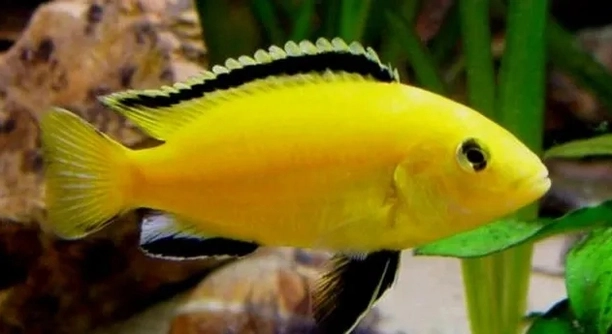
Cichlid tanks can feel calm one day and chaotic the next. Watching these fish interact often reveals sudden changes in who rules the tank. Their behavior can shift quickly, sometimes overnight, without any warning signs.
Cichlid dominance shifts overnight primarily due to changes in hierarchy, territory disputes, breeding activity, or sudden environmental stressors. These factors disrupt established social structures, causing rapid realignment in dominance as fish compete for space, mates, and resources within the tank.
Understanding these shifts can help you maintain a healthier tank environment. Observing these changes closely will allow for timely adjustments and better care for all your fish.
Unexpected Territory Changes
In my tank, one day a small cichlid I barely noticed suddenly claimed a corner previously dominated by a larger fish. Territory changes like this can happen overnight, especially when fish feel confident or threatened. Cichlids are highly territorial, and even slight adjustments in their environment, like rearranging rocks or decorations, can trigger a shift in dominance. Sometimes, the introduction of new hiding spots or plants can encourage lower-ranking fish to test boundaries. Other times, the larger fish may temporarily step back due to stress or minor illness, giving an opportunity for a smaller fish to move in. Watching these shifts has taught me that patience and careful observation are key. Sudden changes can look chaotic at first, but they often balance out as the hierarchy re-establishes. Observing interactions closely helps prevent serious fights and maintains a peaceful environment. These moments show just how flexible cichlid behavior can be under varying conditions.
Even a single decoration change can provoke sudden dominance shifts in a cichlid tank.
Keeping track of each fish’s usual spots and behavior allows for smoother management. Noticing minor adjustments early prevents injuries and ensures all fish feel secure in their territories.
Breeding Season Conflicts
During breeding season, cichlids can become intensely protective of their chosen mates and nesting areas. Aggression can spike seemingly overnight, as previously calm fish defend eggs or fry. This heightened territorial behavior often results in rapid shifts, with lower-ranking fish temporarily losing their usual spots or avoiding the dominant pair altogether. I’ve noticed that tanks with more hiding spaces tend to see less severe confrontations, as fish can retreat without risking harm. Feeding schedules also influence dominance; well-fed fish are more likely to assert themselves confidently, whereas hungrier fish may become desperate or avoid challenges entirely. Stress levels, water conditions, and even subtle changes in lighting can further impact behavior during this sensitive period. Observing carefully, I learned to minimize disturbances during these times, ensuring that aggression doesn’t escalate into serious fights. Breeding season offers a clear window into how social hierarchies shift under reproductive pressures, and attentive management can keep the tank stable and safe.
Breeding periods often trigger immediate dominance changes in cichlids.
Managing feeding, tank layout, and observation routines during breeding reduces conflict and supports natural social adjustments. Keeping water conditions stable and providing multiple hiding spaces helps lower-ranking fish survive these intense periods, making the tank safer and more balanced for all inhabitants.
Sudden Illness Impact
Even a minor illness can cause immediate changes in tank hierarchy. A weakened cichlid often loses its dominant position as others take advantage of the opportunity to assert control over key areas and resources in the aquarium.
I once had a strong male cichlid develop a mild fin infection. Overnight, several smaller fish began occupying his usual territory, and his usual displays of dominance disappeared. The shift was temporary, but it highlighted how quickly hierarchy can change when health is affected. Fish are highly sensitive to the condition of their peers, and dominance often depends on perceived strength. Minor illnesses may not be obvious, but they can trigger rapid reorganization in the tank. Observing subtle signs like reduced activity or hiding can help prevent prolonged disputes and ensure the sick fish recovers without losing too much ground in the hierarchy.
Recovery periods are critical. After a week, the previously dominant fish gradually regained its space. The other fish adjusted as well, showing that dominance is flexible and responsive to changing conditions. Watching these shifts has taught me to pay close attention to both health and social interactions simultaneously.
Introduction of New Fish
Adding new cichlids always stirs the tank’s social order. Existing fish quickly reassess positions, and previously secure fish may lose territory to newcomers asserting themselves. Careful observation is needed to prevent serious conflict.
When I added two juvenile cichlids, the older fish immediately challenged them. At first, there was constant chasing and minor skirmishes. The newcomers gradually found hiding spots and claimed small territories without serious injuries. Social hierarchies shifted over several days, with some older fish temporarily losing dominance. Introducing fish of different sizes or temperaments can accelerate these changes. I learned to monitor interactions closely and intervene only if aggression escalates dangerously. Tank layout adjustments, like adding rocks or plants, helped spread out territories and reduce tension. By observing carefully, I could see the new social balance take shape naturally while minimizing stress.
Once the new fish settled, dominant fish often reasserted themselves slowly. The process showed me that cichlid tanks are highly dynamic. Even temporary shifts are important, as they reflect the adaptability of fish behavior and the constant negotiation of space and authority.
Water Condition Shifts
Even small changes in water quality can cause dominance changes. Fish may become stressed, hiding more, or avoiding certain areas, allowing others to take control of previously occupied spaces.
I once experienced a sudden pH drop. Overnight, my usual dominant fish hid in corners, and lower-ranking fish explored and claimed the vacated areas, showing just how sensitive cichlids are to environmental changes.
Sudden Growth Spurts
Juvenile cichlids that grow quickly can unexpectedly challenge older fish. Their sudden increase in size often leads to immediate reevaluation of the tank’s hierarchy, shifting dominance patterns.
A smaller fish in my tank grew noticeably within a few weeks. It began asserting itself in ways it never did before, chasing former dominants from favorite spots. These rapid changes required careful observation to ensure fights didn’t escalate. The tank layout helped minimize injuries, but the social dynamics shifted quickly. Growth spurts like this highlight how size and confidence directly influence hierarchy. Monitoring these developments allows for better management of space, feeding, and stress levels in the aquarium.
Seasonal Lighting Changes
Changes in lighting duration or intensity can subtly affect dominance. Fish often adjust activity levels, which can shift power dynamics in the tank overnight.
How can I tell if a dominance shift is temporary or permanent?
Temporary shifts often happen due to short-term factors like illness, minor stress, or minor changes in the tank layout. If the previously dominant fish resumes its usual behavior within a few days, the shift is likely temporary. Permanent changes usually follow growth, long-term health issues, or the introduction of new fish that consistently assert control. Observing fish closely every day helps distinguish between temporary and permanent adjustments. Pay attention to body language, territory occupation, and feeding order, as these signals reveal which fish are gaining or losing influence in the tank over time.
What are the safest ways to manage sudden aggression?
Separating fish temporarily is sometimes necessary if aggression becomes intense, but it’s better to provide hiding spaces and break lines of sight first. Rearranging rocks or plants can reduce confrontations by creating multiple territories. Feeding fish in different areas can also reduce competition. I keep a close eye on signs of injury or stress during these periods. Quick action prevents lasting harm while allowing the social hierarchy to settle naturally. Avoid frequent interventions unless absolutely necessary, as cichlids need to establish dominance on their own to maintain long-term stability.
Do tank size and layout influence dominance shifts?
Yes, tank size and layout have a major impact. Smaller tanks increase competition, while larger tanks allow fish to retreat and explore new territories. Providing multiple caves, hiding spots, and open swimming areas helps reduce conflict and gives lower-ranking fish opportunities to avoid constant stress. I’ve noticed that even subtle changes, like adding a tall plant or moving a rock, can immediately alter the social order. Proper layout allows fish to express natural behaviors and reduces the intensity of overnight dominance shifts. Monitoring how fish react to these adjustments helps maintain a peaceful environment.
How often should I observe fish to catch early signs of dominance shifts?
Daily observation is ideal. Spend a few minutes watching how each fish interacts with others, noting any unusual chasing, hiding, or sudden changes in feeding order. Recording behaviors can be helpful, especially during sensitive times like breeding or after adding new fish. I personally keep a simple notebook of observations, which helps me see patterns over weeks. Catching early signs allows for minor adjustments before conflicts escalate. Observing consistently ensures fish remain healthy and that dominance shifts don’t result in injuries or stress-related illnesses.
Can diet affect dominance behavior?
Yes, diet plays a role in cichlid behavior. Well-fed fish are more confident and likely to assert dominance, while underfed fish may avoid confrontation. Offering a balanced diet with adequate protein and vitamins supports overall health, which in turn affects energy levels and social behavior. I feed my fish at multiple points in the tank to prevent competition around a single feeding area. This reduces aggressive encounters and allows all fish to maintain their energy and confidence, helping the tank hierarchy stabilize naturally.
Should I intervene if a smaller fish starts dominating?
Not immediately. Sudden dominance by a smaller fish can be natural, especially if the previous dominant is stressed or recovering from illness. Observe closely to ensure fights don’t escalate and injuries don’t occur. Only intervene if aggression becomes constant or harmful. In my experience, most shifts balance themselves once fish settle into their new hierarchy. Providing extra hiding spaces and monitoring interactions carefully often solves the issue without direct interference. Allowing natural adjustments helps maintain a healthy social structure over time while minimizing stress for all fish.
What environmental factors trigger overnight dominance changes?
Environmental changes like lighting, water temperature, or filtration adjustments can stress fish and alter behavior quickly. Even small shifts in pH, hardness, or oxygen levels may lead to sudden changes in activity and social interactions. I’ve seen dominant fish retreat after minor water fluctuations, giving others a chance to explore and claim territories. Maintaining stable conditions and making gradual adjustments when needed minimizes abrupt dominance shifts and reduces stress in the tank. Consistent monitoring ensures that any overnight changes are natural responses rather than symptoms of a larger problem.
Are some cichlid species more prone to overnight dominance shifts?
Yes, species like African cichlids are more aggressive and can change hierarchies quickly, while more peaceful species adjust slowly. I’ve noticed that fast-growing juveniles also cause sudden shifts as they challenge older fish. Understanding the temperament and social behavior of your species helps predict potential changes and manage the tank more effectively. Planning tankmates carefully and observing interactions allows for smoother transitions and fewer surprises, keeping both dominant and subordinate fish safe.
How do breeding behaviors impact overnight dominance changes?
During breeding, dominant fish become protective and aggressive. Subordinate fish may temporarily retreat to avoid confrontation, leading to rapid hierarchy adjustments. I often notice that once eggs or fry are present, usual territories shift as fish defend nesting areas. Providing hiding spots and monitoring aggression helps prevent injuries. Breeding periods are predictable triggers for dominance shifts, and careful management ensures all fish coexist safely while natural reproductive behaviors take place.
Cichlid tanks are fascinating because the social dynamics among the fish are constantly changing. Observing these shifts can feel unpredictable, but there is always a reason behind each sudden move. Dominance changes often happen overnight due to factors like illness, growth, breeding, or environmental adjustments. Even small changes in tank conditions, such as rearranging rocks or altering lighting, can influence which fish asserts control. Over time, watching these patterns has helped me understand the behavior of each individual fish, making it easier to manage the tank and prevent unnecessary stress or injuries.
It is important to remember that cichlids rely on their social hierarchy for structure and safety. Sudden dominance shifts may seem chaotic, but they are a natural part of how these fish interact. Each fish responds to its environment, the behavior of its tankmates, and its own health and confidence. Smaller or weaker fish will often retreat temporarily, while stronger or more confident fish take advantage of openings. Providing a well-structured tank with enough hiding spaces, clear territories, and stable water conditions helps minimize aggressive encounters and allows the hierarchy to re-establish itself without major conflicts. Regular observation is key because it allows you to notice early signs of stress, aggression, or illness, which can be addressed before they lead to serious problems.
Managing a cichlid tank requires patience, attention, and a willingness to adapt to changes. Dominance shifts are normal, and they provide insight into the social structure and health of your fish. By paying attention to interactions, making small adjustments when necessary, and maintaining a stable environment, it is possible to support both dominant and subordinate fish safely. Over time, these efforts create a balanced, peaceful tank where each fish can thrive. Understanding that changes are natural and observing them closely helps you make informed decisions and ensures that all fish remain healthy and secure in their environment.

Hello,
If you enjoy the content that we create, please consider saying a "Thank You!" by leaving a tip.
Every little bit helps us continue crafting quality advice that supports the health, happiness, and well-being of pets around the world, for pets of all shapes, sizes, and species.
We really appreciate the kindness and support that you show us!