
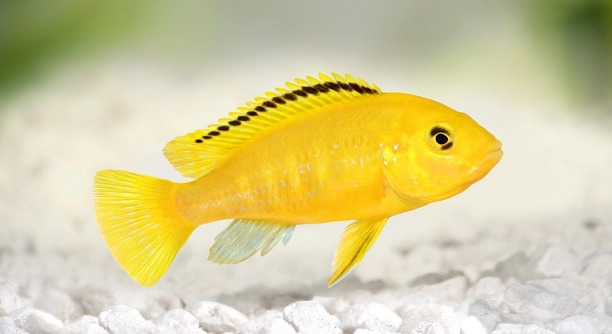
Keeping electric yellow cichlids happy and healthy requires careful attention to water. Many owners enjoy their bright colors but sometimes struggle with water chemistry issues that quietly harm their fish. Even small mistakes can create big problems.
The most common water chemistry mistakes include incorrect pH levels, excessive ammonia or nitrite, improper hardness, and inconsistent temperature. These factors directly affect electric yellow cichlids’ health, stress levels, and coloration, making precise water management essential for their long-term survival and well-being.
Managing these elements correctly ensures a stable environment. Understanding the key pitfalls helps maintain vibrant, active fish and avoids preventable health setbacks in the aquarium.
Ignoring pH Levels
Electric yellow cichlids thrive in slightly alkaline water. Many owners assume tap water is safe without testing, which can lead to stress and poor coloration. Keeping pH between 7.5 and 8.5 is ideal. Sudden changes can shock the fish, affecting appetite and activity. Regular monitoring prevents unexpected drops or spikes that damage delicate gill structures. Even small fluctuations over time weaken immune systems, making fish more prone to disease. Using a reliable test kit and buffering agents helps maintain stability. Adjustments should be gradual to avoid additional stress. Water additives designed for African cichlids are useful, but dosing must follow instructions carefully. Observing the fish’s behavior can indicate subtle discomfort, signaling that pH may be off. Stability is more important than achieving an exact number, as fluctuations are more harmful than slight deviations.
Maintaining a stable pH prevents stress, improves color, and supports overall health, making water management a top priority for electric yellow cichlids.
Even minor changes in pH affect breeding behavior and aggression levels. Keeping it consistent ensures your cichlids remain active, colorful, and resilient.
Overlooking Water Hardness
Electric yellow cichlids prefer moderately hard water. Soft water can cause developmental issues and poor scale formation. Maintaining proper hardness supports strong bones and proper metabolism, which improves growth and coloration. Using a combination of test kits and mineral supplements helps achieve consistent hardness. Observing the fish for lethargy or dull colors can indicate improper mineral levels.
Hardness affects buffering capacity, which in turn influences pH stability. If water is too soft, buffering agents or crushed coral can be used to raise mineral content safely. Too much hardness can also stress the fish, so balance is key. Regular partial water changes help maintain consistent hardness while removing waste that can alter mineral levels. Testing both general hardness (GH) and carbonate hardness (KH) provides a complete picture of water conditions. Sudden changes in hardness can trigger stress responses, reduce feeding, and make the fish vulnerable to infections. Understanding these effects allows owners to create a stable environment that mimics natural lake conditions, helping electric yellow cichlids remain vibrant and healthy. Proper maintenance also reduces algae growth and prevents the accumulation of harmful chemicals. Tracking hardness over time highlights trends and helps preempt problems before fish are affected. Consistent care in this area improves longevity and ensures that your cichlids show their brightest colors.
Ignoring Ammonia and Nitrite Levels
Even small amounts of ammonia and nitrite are harmful to electric yellow cichlids. Many owners test only occasionally, which can allow toxic levels to build up. Regular testing keeps water safe and prevents stress, illness, and fin damage.
Ammonia forms from uneaten food and waste, while nitrite comes from the breakdown of ammonia by bacteria. Both are highly toxic, causing gill damage and reducing oxygen uptake. Electric yellow cichlids are sensitive to these compounds, and prolonged exposure can lead to rapid health decline. Using a biological filter and performing consistent partial water changes reduces these compounds effectively. Test kits provide a clear picture of water quality and help catch problems early. Immediate water changes and treatment can reverse dangerous spikes, but prevention is far more reliable. Observing fish for gasping at the surface or lethargy often signals elevated ammonia or nitrite.
Managing ammonia and nitrite is ongoing. Cycling a tank before introducing fish, avoiding overfeeding, and maintaining proper filtration ensures long-term stability. Monitoring both compounds together helps maintain a safe environment for growth, color, and overall activity. Consistent attention prevents sudden deaths and supports the cichlids’ natural behavior and vitality.
Inconsistent Temperature
Electric yellow cichlids require stable, warm water between 76°F and 82°F. Fluctuations can stress them, reducing immunity and appetite. Using a heater and thermometer ensures consistent conditions and avoids sudden temperature swings that cause health issues.
Temperature directly affects metabolism, digestion, and immune function. Drops below the ideal range slow metabolism, reduce activity, and can cause illness, while spikes increase stress and aggression. Even short-term fluctuations disrupt breeding patterns and weaken the fish, making them vulnerable to disease. Regularly checking the heater and using a reliable thermometer prevents unexpected drops. Seasonal changes in room temperature can also affect aquarium water, so adjustments may be needed throughout the year. Insulating the tank or using a heater guard can improve stability. Maintaining steady temperature improves feeding response, activity, and coloration. Sudden changes often lead to stress behaviors like hiding or rapid gill movement, signaling the fish are uncomfortable. Consistency in this area allows electric yellow cichlids to thrive naturally, maintaining strong health and bright, vivid colors.
Overfeeding
Overfeeding leads to poor water quality and excess waste. Electric yellow cichlids are prone to digestive issues when given too much food, so controlling portions prevents stress and keeps the tank cleaner.
Feeding small amounts multiple times a day works better than large meals. Uneaten food decomposes quickly, raising ammonia and nitrite levels. Observing how quickly the fish eat helps determine the right portion. Sticking to a consistent feeding schedule supports digestion, maintains water quality, and reduces the risk of obesity and bloating.
Skipping Regular Water Changes
Regular water changes remove toxins and replenish essential minerals. Neglecting this step allows harmful compounds to build up, which can affect health, coloration, and behavior. Partial changes of 20–30% weekly maintain balance, while monitoring parameters ensures the water stays within ideal ranges.
Using Untreated Tap Water
Tap water often contains chlorine or chloramine that is toxic to cichlids. Treating water with a dechlorinator neutralizes these chemicals and protects gills, scales, and internal organs. Untreated water can cause rapid stress and long-term health problems.
Ignoring Tank Cycling
Cycling establishes beneficial bacteria that process waste. Skipping this step results in unstable water chemistry and high toxin levels, which directly harm electric yellow cichlids’ health and growth.
How often should I test water for my electric yellow cichlids?
Testing water at least once a week is essential. Even if the fish appear healthy, ammonia, nitrite, and pH levels can change quickly. Using a reliable test kit helps catch problems early, allowing adjustments before fish are stressed. Observing the tank regularly complements testing, especially for changes in behavior or appetite.
What is the ideal pH range for electric yellow cichlids?
Electric yellow cichlids thrive in slightly alkaline water. Maintaining a pH between 7.5 and 8.5 is ideal. Sudden shifts should be avoided, as they stress fish and affect immune function. Regular testing ensures stability. Buffering agents can help correct minor deviations gradually, without shocking the fish.
How can I maintain proper water hardness?
General hardness (GH) and carbonate hardness (KH) are important for cichlids. GH supports bone structure and metabolism, while KH helps stabilize pH. Using mineral supplements or natural additives like crushed coral can adjust levels. Partial water changes also maintain consistent hardness while removing waste that can alter minerals.
How do I know if ammonia or nitrite is too high?
Ammonia and nitrite levels should always read zero in a healthy tank. Symptoms of elevated levels include gasping at the surface, lethargy, or clamped fins. Immediate partial water changes and checking the filter are necessary. Long-term prevention involves regular testing and proper feeding practices to reduce waste accumulation.
Can overfeeding affect water chemistry?
Yes, overfeeding creates excess waste, raising ammonia and nitrite levels. It can also cloud water and promote algae growth. Feed small portions that the fish can consume in a few minutes. A consistent feeding schedule prevents overfeeding and keeps water stable.
How important are water changes?
Regular partial water changes of 20–30% weekly remove toxins, replenish minerals, and help maintain stable chemistry. Skipping changes allows harmful compounds to build up, stressing fish and affecting coloration. Monitoring water parameters alongside changes ensures the tank remains healthy and vibrant.
Is untreated tap water safe for cichlids?
No, tap water contains chlorine or chloramine that is toxic to fish. Using a water conditioner neutralizes these chemicals. Treating water before adding it to the tank protects gills, scales, and internal organs, ensuring long-term health. Regular treatment is necessary every time water is added.
How do I prevent temperature fluctuations?
Maintaining stable temperature is crucial. Electric yellow cichlids do best between 76°F and 82°F. Using a reliable heater and thermometer prevents sudden drops or spikes. Seasonal changes in room temperature may require minor adjustments. Consistency supports digestion, immunity, and activity levels.
Why is tank cycling necessary before adding fish?
Cycling establishes beneficial bacteria that process waste, converting ammonia into less harmful nitrites and nitrates. Skipping cycling results in unstable water chemistry, exposing cichlids to toxic levels of ammonia and nitrite. Proper cycling ensures the tank is safe for fish introduction and reduces early mortality risk.
How do I monitor fish behavior for water issues?
Observing fish daily provides clues about water quality. Signs like gasping, hiding, dull coloration, or reduced appetite often indicate chemical imbalances. Regular testing combined with behavioral observation allows proactive care, helping maintain a stable environment and preventing long-term health problems.
How can I maintain a healthy balance of minerals in the tank?
Using mineral supplements, crushed coral, or specialized cichlid additives ensures proper GH and KH levels. Partial water changes prevent mineral depletion while flushing toxins. Consistent monitoring avoids sudden fluctuations, supporting growth, immune function, and vibrant coloration over time.
What should I do if water parameters are off?
Adjustments should be gradual. Sudden changes in pH, hardness, or temperature can stress fish. Small daily corrections or partial water changes are safer than one-time large adjustments. Monitoring parameters closely after changes ensures conditions remain stable and supports long-term health.
How can I prevent algae and chemical buildup?
Regular cleaning, water changes, and proper feeding prevent algae and chemical accumulation. Avoid overcrowding and remove uneaten food promptly. Maintaining proper water chemistry discourages unwanted growth, keeps water clear, and ensures electric yellow cichlids remain active and healthy.
What are common signs that water chemistry is harming my cichlids?
Symptoms include faded coloration, clamped fins, lethargy, reduced appetite, rapid gill movement, and increased aggression. These often signal ammonia spikes, nitrite presence, pH instability, or improper hardness. Prompt testing and adjustment prevent long-term damage and restore a healthy environment.
How can I make water management easier?
Setting a consistent schedule for testing, partial water changes, and observation simplifies care. Keeping a log of parameters helps detect trends. Using high-quality test kits, water conditioners, and reliable heaters reduces guesswork and creates a stable environment where electric yellow cichlids thrive.
How long does it take to correct water issues?
Correction depends on the issue’s severity. Minor pH or hardness adjustments may take a few days, while ammonia or nitrite spikes require immediate partial water changes. Consistency, monitoring, and gradual adjustments ensure stability and protect fish from stress or disease.
Can stress from poor water conditions affect breeding?
Yes, stress inhibits breeding behavior. Unstable water chemistry, temperature fluctuations, or high toxins reduce fertility and aggression for spawning. Maintaining optimal parameters supports natural behaviors, encourages mating, and improves the survival rate of fry.
What’s the best approach to maintain long-term water quality?
Regular testing, consistent water changes, careful feeding, and monitoring hardness, pH, and temperature are essential. Observing fish behavior adds early warning signs. Combined, these practices prevent chemical imbalances, reduce stress, and ensure electric yellow cichlids remain vibrant, active, and healthy for years.
Maintaining electric yellow cichlids requires consistent attention to water chemistry. These fish are sensitive to changes in pH, hardness, temperature, and toxins like ammonia and nitrite. Even small fluctuations can cause stress, reduce immunity, and affect coloration. Owners often overlook the cumulative impact of minor mistakes, which over time can harm health and behavior. Simple practices like testing water regularly, performing partial water changes, and observing fish behavior make a significant difference. Using a reliable heater, maintaining proper hardness with supplements or natural additives, and adjusting pH gradually create a stable environment that mirrors the cichlids’ natural habitat. Consistency is more important than perfection, and small, regular actions prevent larger problems from developing.
Overfeeding is another area that affects water quality and fish health. Uneaten food decomposes quickly, raising ammonia and nitrite levels, which directly harms the cichlids. Feeding small portions and sticking to a regular schedule helps prevent this issue. Monitoring how quickly fish eat is a practical way to gauge the right amount of food. Combined with proper filtration and tank maintenance, this approach keeps the water clean and supports healthy digestion and metabolism. Electric yellow cichlids also benefit from regular observation. Changes in behavior, such as hiding, gasping, or faded colors, often indicate problems before they become severe. Acting early by checking water parameters or performing partial water changes can correct many issues before they impact long-term health.
Understanding and managing water chemistry is essential not only for the health of the fish but also for the enjoyment of keeping them. Stable water parameters improve coloration, activity levels, and even breeding behavior, creating a more engaging aquarium experience. Skipping steps like tank cycling or using untreated tap water can create serious problems that are harder to reverse later. Regular testing, gradual adjustments, and attention to daily habits create an environment where electric yellow cichlids thrive. Over time, consistent care builds confidence in handling water chemistry, reduces stress for both fish and owner, and supports a vibrant, active community of cichlids in the tank. These efforts may seem small day to day, but they collectively make a lasting impact on the fish’s health and longevity.

Hello,
If you enjoy the content that we create, please consider saying a "Thank You!" by leaving a tip.
Every little bit helps us continue crafting quality advice that supports the health, happiness, and well-being of pets around the world, for pets of all shapes, sizes, and species.
We really appreciate the kindness and support that you show us!