
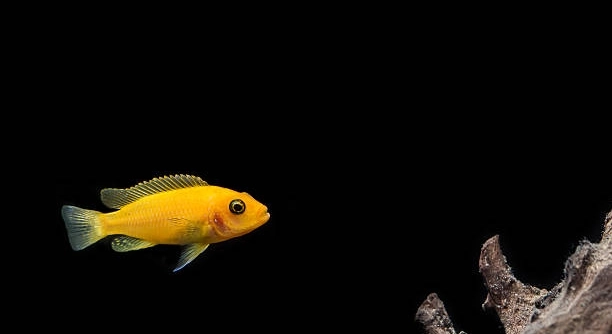
Have you ever wondered where cichlids choose to create their nests in an aquarium or natural setting? These fish often pick unusual spots that make their behavior interesting, charming, and confusing for anyone watching them.
Cichlids seek nesting sites that offer shelter, protection, and stability, which leads them toward unconventional locations. Their choices often reflect environmental pressures, territorial behavior, and reproductive strategies, resulting in surprising nest placements that highlight their adaptability within diverse aquatic systems.
These unexpected nesting habits reveal a lively world beneath the surface, offering a look at how cichlids shape their environments.
Inside Abandoned Snail Shells
Some cichlids like to settle inside abandoned snail shells, and this habit can seem both charming and odd when you first notice it. I once watched a small group explore every shell they could find, almost as if they were testing each one for comfort. These shells offer a tight and protected space, which makes nervous or shy cichlids feel more secure during nesting. Even larger species sometimes squeeze into shells that look far too small, showing just how determined they are to find a safe spot. When shells scatter across the aquarium floor, cichlids often claim them quickly, pushing away any fish that come too close. Their confidence grows once they have chosen a shell, and they settle into a steady routine as they prepare for eggs. This behavior makes shell-filled tanks lively, busy, and full of tiny interactions that can be easy to miss if you are not paying attention.
Shell nesting creates a structured area where cichlids can control their space with minimal effort. The narrow entrance helps protect eggs from intruders, while the enclosed interior keeps them calm. This behavior reflects their instinct to choose secure hiding spots that support breeding and daily activity.
Watching cichlids interact with shells can change how you arrange your tank, since they clearly rely on these hiding places. Adding different shell sizes encourages natural behaviors and helps each fish find a place that suits its needs. You may notice that some cichlids rotate shells or move them slightly to settle in more comfortably. These small adjustments show how much thought they put into shaping their environment. Over time, the tank feels more organized as the fish establish small territories. Providing enough shells prevents conflict and allows the group to behave in a relaxed and steady way.
Deep Within Plant Roots
Plant roots create shaded pockets that attract cichlids seeking a calm nesting site. These areas feel stable and shielded, helping them avoid open spaces. The roots also soften light and movement, giving the fish a quiet place to guard eggs without constant interruptions or stress from nearby activity.
Some cichlids choose the dense space under plant roots because it gives them a sense of privacy and protection that is hard to find elsewhere. When roots stretch deep into the substrate, they form a natural barrier that blocks larger fish and reduces disturbances. I have seen cichlids slip between the roots with slow, deliberate movements, as if they know the area belongs to them alone. The shade helps maintain a gentle rhythm in the tank, letting them focus on defending their nest without feeling exposed. Roots also provide a soft boundary that young fry can hide within once they hatch. This setup reduces the chances of predation, especially in mixed tanks where curious fish tend to wander. Adding rooted plants encourages this behavior and brings a calmer energy to the space. Over time, you can see patterns in how cichlids move, rest, and guard these quiet pockets. Their attachment to these hidden areas highlights how much they rely on structure and shelter to raise their young successfully.
Beneath Loose Driftwood
Cichlids slide under loose driftwood because the dim space gives them a stable place to settle. The shade lowers tension in the tank, and the narrow gaps help them feel hidden enough to protect their eggs without constant movement around them.
When driftwood rests lightly on the substrate, cichlids slip underneath and begin clearing out sediment with steady flicks of their fins. I have watched them widen small openings until the space fits their needs. The wood creates a soft boundary that shields them from brighter areas of the tank. This quiet shelter limits disturbances, allowing them to guard their spot with calm focus. Even when other fish pass by, the shaded pocket keeps their attention fixed on their nest. Over time, their presence shapes the area, as they push, dig, and adjust the debris around them.
Some cichlids even nudge the driftwood slightly, shifting it just enough to better protect their nest. These adjustments help them create a stable corner that feels more controlled. They often return to the same spot for multiple breeding cycles, showing how reliable the cover becomes for them. Having driftwood arranged with small lift points supports this behavior and reduces territorial disputes. As they settle in, their movements become slow and steady, making the area feel peaceful.
Between Rock Piles
Rock piles create narrow pockets that cichlids quickly claim, especially when the gaps feel secure. These spaces give them a level of protection that open areas cannot match. Once they settle inside the rocks, they defend the space with quiet confidence.
When cichlids choose rock piles, they often begin by testing each crack to see which one feels safest. The cool, shaded interior keeps their eggs out of sight, and the sturdy walls protect them from sudden movement in the tank. I have seen them patrol the entrance with subtle flicks of their fins, staying alert without becoming frantic. The layered rocks give them clear boundaries, helping reduce stress and conflict. As they move inside these spaces, they dig small pits or clear debris to prepare for breeding. Over time, the rocks become a stable part of their routine, giving them a predictable place to settle and care for their young.
Inside Narrow PVC Tubes
PVC tubes create quiet hiding spots that cichlids settle into quickly. The smooth surface and steady shape help them feel secure, especially when the opening is just wide enough to slip through without drawing attention from larger fish nearby.
Some cichlids push gravel out of the tube to create extra space for eggs. Their movements stay calm inside the enclosed area, and the walls keep distractions away. I have seen them return to the same tube repeatedly, treating it like a dependable shelter.
Under Filter Housings
Cichlids gather beneath filter housings because the steady shade and low activity help them stay focused on guarding their space. Even in busy tanks, the tucked area offers calm stability. They often settle there when other hiding places feel too open or exposed for nesting.
Within Dense Algae Mats
Thick algae mats form soft pockets that cichlids ease into when they want a quiet place to rest or guard a small cluster of eggs. The tangled growth gives them gentle cover.
FAQ
Why do cichlids choose unusual places to nest?
Cichlids rely on instinct and environmental cues, and these cues guide them toward areas that feel stable, quiet, and protected. Their choices often seem strange from the outside, but to them, the goal is simple. They want to keep their eggs safe and maintain a space where they can control movement around them. I have seen them explore every corner of a tank before settling on a spot that looks inconvenient, yet it fits exactly what they need. Their nesting picks reflect comfort, safety, and routine more than appearance.
Do different cichlid species have different nesting habits?
Each species has preferences shaped by its natural habitat. Shell dwellers slip into tight spaces, rock-dwellers seek layered cracks, and open-substrate species clear patches of sand or gravel. These habits come naturally to them, even in an aquarium. I often notice that once a species finds a preferred type of shelter, it sticks to that choice over and over. Offering a mix of options helps them behave in a relaxed and predictable way. It also reduces conflict because each group can settle into the type of space that suits its needs best.
How can I encourage natural nesting behavior in my aquarium?
Providing a variety of hiding spots helps cichlids express their usual habits without stress. Adding shells, rocks, plants, driftwood, and tubes gives them several choices. I try to keep these items arranged in small clusters so each fish can claim an area without constant intrusion. Stable decorations also matter because cichlids dislike sudden changes around their nests. Keeping lighting soft and avoiding overcrowding helps them feel calm enough to settle. Once they trust their environment, their nesting behavior becomes steady and easy to observe.
Is it normal for cichlids to move substrate when preparing a nest?
Yes, it is completely normal. Many cichlids dig with purpose, shifting sand or gravel until they create a small depression or clear out debris. I often see them work the same patch for hours with steady determination. This digging helps them shape the nest to fit their needs, and it also marks the area as theirs. Even small adjustments can make them feel more secure. As long as they are not exposing equipment or disturbing tank stability, this behavior is healthy and expected.
Why do some cichlids guard their nests so aggressively?
Nesting triggers strong protective instincts, and cichlids often become territorial during this time. They guard their space because they want to keep eggs and young fry safe. I have watched even normally calm fish stand their ground with surprising confidence when protecting a nest. They rely on clear boundaries and predictable surroundings, and any disturbance can make them react quickly. Providing extra hiding places and keeping tank mates compatible helps reduce stress during this period. Their protective behavior usually settles once the fry grow.
Should I remove other fish from the tank when cichlids begin nesting?
It depends on the species and the temperament of the tank. Some cichlids do fine in community setups with enough space and shelter, while others become too defensive. I prefer giving nesting cichlids a buffer by adding more hiding spots or adjusting the layout to break up open areas. If conflict rises, moving other fish or creating a divider can help. The goal is to keep stress levels low so the cichlids can focus on caring for their eggs without constant interruptions or tension.
How do I know if a cichlid nest is successful?
A successful nest usually looks well-guarded, calm, and stable. The cichlids move with purpose, staying close to the site without frantic behavior. If eggs appear, they often remain clean and well-aerated, and the parents linger nearby with steady attention. I find that once the routine becomes predictable, it means the fish have settled into their role. When fry begin to appear, the parents guide them around the nest and keep them close. These signs show that the nesting process is progressing the way it should.
Final Thoughts
Cichlids have a way of turning any tank into a place filled with small patterns and steady routines, and watching them choose their nesting spots can teach you a lot about what makes them feel secure. Their behaviors may seem unusual at first, but each choice reflects something important about their comfort and instincts. I have spent plenty of quiet moments observing how they explore, test, and settle into different areas, and it always reminds me that these fish depend on structure and stability more than anything else. When you give them spaces that feel safe, they respond with calm movements and predictable habits. Their nesting decisions are never random. Even the smallest detail in the tank can change how they behave. Seeing them form these rhythms makes the aquarium feel peaceful and alive at the same time.
Cichlids often rely on places that many people overlook, and these overlooked corners can quickly become the heart of their activity. Whether it is a pocket under driftwood or a narrow gap between rocks, these little spaces help them manage stress and protect what matters to them. I have learned that when a cichlid picks a nest, it is making a careful choice shaped by instinct and the environment you have given it. When you recognize these needs, you can adjust your tank in ways that support their health and behavior without making unnecessary changes. It does not take much to create a setup that works well for them. Simple additions like a few extra shells or a cluster of rooted plants can make the entire space feel more settled. Over time, you start noticing how each fish uses the layout differently, and that makes the tank feel more personal and balanced.
Understanding their nesting choices also helps you build a smoother routine for care and maintenance. When you know which areas your cichlids rely on, you can clean around those spaces more gently and avoid disrupting their sense of security. This small bit of awareness goes a long way in keeping them relaxed, especially during breeding periods when they become more protective. I find that when the environment remains stable, the entire tank feels calmer. The fish move with more confidence, and their interactions look softer and more controlled. Creating this kind of harmony makes the experience of keeping cichlids more rewarding, because you can see how much they depend on the environment you provide. Their nesting habits may be unusual, but once you understand them, they become a natural part of the tank’s rhythm.

Hello,
If you enjoy the content that we create, please consider saying a "Thank You!" by leaving a tip.
Every little bit helps us continue crafting quality advice that supports the health, happiness, and well-being of pets around the world, for pets of all shapes, sizes, and species.
We really appreciate the kindness and support that you show us!