
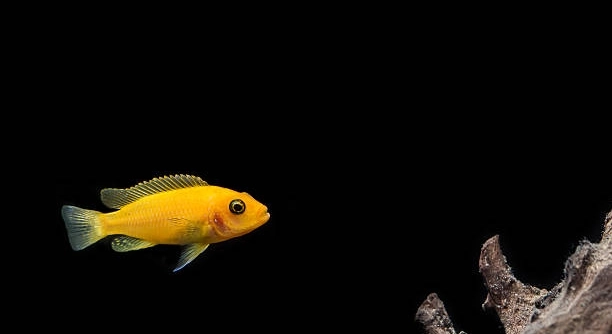
Cichlids are fascinating fish known for their vivid colors and lively behaviors. Many species are highly territorial, often defending specific areas in aquariums or natural habitats. Understanding these behaviors helps aquarists maintain harmony among their fish.
Cichlids mark their preferred territories through visual displays, physical interactions, chemical signals, and environmental modifications. These methods establish boundaries, reduce conflicts, and communicate dominance, ensuring that each fish can claim and defend a suitable space within its habitat efficiently and consistently.
Knowing how cichlids interact with their surroundings provides valuable insight into their natural instincts. Observing these behaviors can enhance aquarium management and promote healthier, more balanced environments.
Visual Displays
Cichlids often rely on striking visual cues to mark their territories. Bright colors, fin flaring, and specific body postures signal ownership to other fish. These displays help reduce unnecessary fights by clearly showing which areas are occupied. In an aquarium, noticing these behaviors can help you understand where a fish prefers to stay. Some species become more vivid when defending their space, and these changes are immediate. Observing patterns like chasing intruders or lingering near decorations can indicate preferred boundaries. Decorations, rocks, or plants often become central to these visual territories. This behavior is instinctive and consistent across many cichlid species. Over time, you can predict which areas each fish will guard. Recognizing these signals early can prevent stress and aggression in a tank. It is also fascinating to see how each fish adapts its display style depending on tank mates, size, and species. Visual cues remain the first and most effective territorial marker.
These displays are the easiest way to identify a cichlid’s preferred space. Observing them closely gives insight into fish hierarchy and behavior patterns.
Watching how colors shift and fins flare provides a clear understanding of boundaries. It also highlights how cichlids communicate and negotiate space without physical confrontation, allowing smoother coexistence in shared habitats.
Physical Interactions
Cichlids use direct contact to reinforce their territorial claims. Nudging, chasing, or sparring with intruders is common. This behavior establishes dominance and ensures others respect boundaries. It is usually brief but intense, allowing fish to assert themselves without causing lasting harm.
Aggressive interactions are critical for maintaining order. They are not constant but occur when territory is threatened.
Observing physical interactions helps identify the hierarchy within a tank. Dominant fish often patrol the area more actively, while subordinate fish adapt by avoiding these zones. These behaviors are especially noticeable around feeding spots, caves, or favorite decorations. Recognizing patterns of sparring or nudging can prevent conflicts from escalating. It also reveals which areas are most valued by each fish. Managing tank space effectively can reduce stress, as providing multiple hiding spots allows less dominant fish to retreat. Understanding these interactions ensures a balanced environment, supporting both territorial instincts and overall fish well-being. Regular monitoring allows adjustments to tank layout or population to maintain harmony.
Chemical Signals
Cichlids release chemicals into the water to mark their territories. These cues inform other fish about their presence and dominance without direct confrontation. It helps reduce conflicts and ensures each fish recognizes occupied areas. Chemical signaling is subtle but highly effective in maintaining order.
Chemical markers can come from urine, mucus, or specialized glands. These substances carry information about the fish’s health, status, and reproductive readiness. Other cichlids detect these signals using sensitive olfactory systems. In aquariums, chemical signaling is especially important because visual space is limited. Fish may repeatedly patrol the same area, reinforcing their chemical presence. This behavior ensures that intruders are warned before any physical interaction occurs. Over time, the combination of chemical cues and visual signals creates a stable environment. Observing these patterns can help aquarists understand why certain areas are consistently guarded. Chemical communication complements other territorial behaviors, making it an essential aspect of cichlid interaction.
Repeated chemical marking strengthens a fish’s claim over its space. Even if another fish temporarily enters, the original occupant can reassert dominance without escalating aggression. Maintaining water quality ensures these signals are effective, as dilution or frequent changes can reduce their impact.
Environmental Modifications
Cichlids often rearrange decorations, rocks, and plants to define their territories. Moving objects or creating small shelters establishes personal space and signals ownership. This behavior also provides security and comfort within their preferred areas.
These modifications are purposeful. Fish may dig in the substrate to create pits or clear spaces around key objects. Adjusting plants or rocks can establish visual boundaries. In community tanks, these changes help reduce conflicts by giving each fish a recognizable zone. Some cichlids consistently maintain these alterations, reinforcing the appearance of permanence. Environmental modifications also serve a functional role, offering hiding spots for retreats or breeding areas. Observing how each fish interacts with its surroundings reveals which areas are most valued and how territories are maintained. Regularly checking the layout can prevent overcrowding or disputes. By supporting these natural behaviors, aquarists promote healthier, more comfortable habitats.
Nesting Behavior
Cichlids often choose specific areas to build nests or breeding sites, marking their territory in the process. These spaces are defended vigorously, and other fish usually avoid them. Nesting creates clear boundaries within the tank and establishes the fish’s preferred zone for reproduction.
Even when not breeding, cichlids may maintain nesting areas as a form of territory. They dig pits, clean rocks, or rearrange substrate to create a safe, attractive site. These behaviors signal ownership and dominance to other fish. Maintaining a nest also provides a refuge for the cichlid, reducing stress.
Chasing and Patrolling
Cichlids frequently patrol their preferred areas, chasing away intruders. This consistent monitoring reinforces ownership and discourages other fish from entering. Patrolling involves swimming along boundaries and inspecting key spots repeatedly.
Color Intensification
Cichlids often display brighter, more vivid colors when defending territory. This visual change signals strength and dominance, deterring other fish from encroaching.
How do cichlids choose their territories?
Cichlids select territories based on safety, resources, and comfort. They prefer areas with shelter, clear boundaries, and access to food. Rocks, plants, or substrate pits often become central to their chosen space. Dominant fish usually claim the best spots, while less dominant fish adapt by occupying secondary zones. Observation helps identify preferred areas.
Why do some cichlids flare their fins and change colors?
Fin flaring and color intensification are visual signals of territorial claims. Brighter colors communicate dominance, while flaring fins make the fish appear larger. These behaviors warn intruders and reduce physical confrontations. Color changes can vary depending on stress, tank mates, and reproductive cycles.
Do chemical signals really work in aquariums?
Yes, chemical signals are effective even in smaller tanks. Cichlids release substances through urine or mucus that convey presence, health, and status. Other fish detect these cues, which helps maintain order. Frequent water changes can dilute signals, so understanding this behavior is important for aquarium management.
How do environmental modifications help cichlids?
Cichlids rearrange rocks, substrate, and plants to define territories. Digging pits, moving decorations, or clearing areas reinforces ownership. These modifications create recognizable boundaries and provide safety. They also reduce stress, as fish can retreat to familiar spots when threatened or resting.
Are nesting behaviors only for breeding?
Not always. Even outside breeding periods, cichlids maintain nests to mark territory. They clean or rearrange areas to signal dominance. Nesting provides a safe retreat and a central point for patrolling their space. This behavior strengthens boundaries and supports overall well-being.
Why do cichlids chase or patrol their areas?
Patrolling and chasing are direct ways to enforce territory. Fish swim along boundaries, inspecting key spots and discouraging intruders. This behavior ensures dominance without constant fighting. Regular monitoring helps maintain a stable environment and prevents disputes over shared spaces.
Can multiple cichlids coexist peacefully in the same tank?
Yes, with proper space and environmental planning. Providing enough hiding spots, decorations, and clear boundaries reduces conflicts. Observing visual cues, chemical signals, and patrolling behavior helps identify when adjustments are needed. Careful monitoring supports balance and minimizes stress.
How can I tell which areas are preferred by cichlids?
Watch where they spend the most time and where they perform displays, patrol, or maintain nests. Bright colors, flaring fins, and rearranged decorations often indicate preferred zones. Understanding these patterns allows for better tank arrangement and harmony among fish.
Does water quality affect territorial behavior?
Yes, water conditions impact chemical signaling, stress levels, and health. Poor water quality can reduce signaling effectiveness and increase aggression. Maintaining stable, clean water supports natural behaviors and strengthens territorial cues, helping fish feel secure in their spaces.
Are all cichlid species equally territorial?
No, territorial behavior varies by species. Some are highly aggressive, defending areas rigorously, while others are more tolerant. Researching species-specific behavior helps set up an appropriate environment, ensuring that fish can coexist with minimal conflict.
Can territorial disputes harm cichlids?
Frequent, intense conflicts can lead to stress or injuries. Monitoring interactions and providing sufficient space and hiding spots prevents escalation. Intervening when necessary maintains health and well-being, ensuring a balanced aquarium environment for all fish.
How do I encourage natural territorial behaviors safely?
Arrange decorations, rocks, and plants to create multiple zones. Allow fish to establish nests or dig pits naturally. Observe color changes and displays without interference. Maintaining clean water and adequate space supports these behaviors, letting cichlids express instincts safely while reducing stress.
Why do cichlids sometimes mark the same area repeatedly?
Repeated marking reinforces ownership. Visual, chemical, and physical signals remind intruders of boundaries. This consistency maintains order and reduces the likelihood of disputes. Fish patrol, flare, or modify the environment to keep their territory clearly defined, especially in areas of high value.
How long does a cichlid maintain a territory?
Territorial duration depends on species, age, and environment. Dominant fish often hold areas for extended periods, while less dominant fish may relocate. Territories may also change with breeding cycles, tank population, or changes in the layout, reflecting the dynamic nature of fish behavior.
What should I avoid to reduce territorial stress?
Avoid overcrowding, insufficient hiding spots, and frequent, dramatic water changes. These conditions increase competition and disrupt chemical signaling. Providing stable water conditions, adequate space, and environmental enrichment reduces stress and allows fish to maintain natural territorial behavior safely.
Cichlids are remarkable fish with strong instincts for marking and defending their territories. Their behaviors are diverse and fascinating, ranging from visual displays and color changes to physical interactions and environmental modifications. Each action serves a purpose, whether it is asserting dominance, maintaining safety, or communicating with other fish. Understanding these behaviors helps aquarists create a balanced environment where cichlids can thrive. Observing a cichlid patrol its space, flare its fins, or dig a pit in the substrate provides insight into its preferences and personality. These behaviors are natural and consistent across most species, reflecting their evolutionary adaptations for survival in the wild. Even in a controlled aquarium setting, these instincts remain strong and guide interactions between fish, shaping the social structure and hierarchy within the tank.
Maintaining a well-structured tank environment is essential to supporting cichlid territorial behavior. Providing enough space, hiding spots, and environmental complexity allows each fish to claim and defend areas without constant conflict. Decorations, rocks, plants, and substrate arrangements play an important role in defining boundaries, reducing stress, and creating safe zones. Water quality and stability are equally important, as chemical signals play a key role in communication and territory marking. When these signals are disrupted, fish may become confused or aggressive. Careful observation of behavior, such as frequent patrolling, chasing, or nest maintenance, helps identify preferred areas and potential conflicts. Adjusting tank layout or population based on these observations ensures that dominant and subordinate fish can coexist peacefully. Supporting these natural behaviors not only improves the overall health of the fish but also creates a more engaging and interactive aquarium experience.
Recognizing and respecting cichlid territorial behavior is a vital part of successful aquarium management. Each species has unique tendencies, and understanding these differences helps prevent unnecessary stress and aggression. Encouraging natural behaviors through environmental enrichment, sufficient space, and proper care allows cichlids to express instincts safely and confidently. Observing patterns such as color changes, displays, chemical marking, and patrolling provides valuable insight into their social interactions and individual preferences. By creating conditions that support territorial instincts, aquarists can promote harmony, reduce conflicts, and foster a healthy ecosystem within the tank. Appreciating these behaviors also deepens the connection between caretaker and fish, offering a better understanding of their complex and fascinating nature. Ultimately, respecting territorial behavior ensures that cichlids remain healthy, confident, and well-adjusted, allowing them to thrive in their aquatic environment.

Hello,
If you enjoy the content that we create, please consider saying a "Thank You!" by leaving a tip.
Every little bit helps us continue crafting quality advice that supports the health, happiness, and well-being of pets around the world, for pets of all shapes, sizes, and species.
We really appreciate the kindness and support that you show us!