
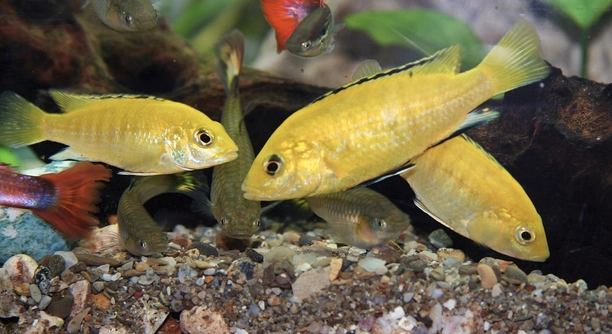
Egg tumblers are often seen as simple tools for hatching cichlid eggs, but they have more potential than most aquarists realize. Their design can support several aspects of fish care beyond just keeping eggs safe.
Egg tumblers can serve multiple functions in cichlid care, including aerating fry, preventing fungus growth on eggs, providing controlled water flow for weak hatchlings, isolating injured fish, acclimating fry to new tanks, aiding in selective breeding, and supporting observation of development.
Exploring these varied uses will help cichlid owners maximize the benefits of egg tumblers for healthier, thriving fish populations.
Aerating Fry and Preventing Fungus
Using egg tumblers to aerate fry is one of the most practical ways to ensure their survival. The gentle rotation keeps water moving, preventing stagnation and providing oxygen evenly. This consistent flow reduces stress for the fry and keeps them active. A common problem in hatching cichlid eggs is fungus development, which can ruin an entire batch. Tumblers help by keeping eggs in constant motion, making it difficult for fungus spores to settle. I noticed that even in smaller setups, a simple tumbler improved fry survival rates noticeably. It allows for monitoring each egg and fry more effectively, ensuring early intervention if any issues arise. By combining aeration and gentle movement, tumblers create an ideal microenvironment, reducing the risk of common hatching problems. Regular cleaning and careful observation of water quality complement the tumbler’s benefits, maintaining a healthy environment for both eggs and emerging fry.
Egg tumblers reduce stagnant areas and provide consistent water flow, minimizing fungal growth on eggs and supporting stronger fry development.
Maintaining healthy fry requires attention to detail. Tumblers create a controlled environment where oxygen levels are stable, and waste does not accumulate near eggs. This controlled movement mimics natural water currents, helping fry adapt to active swimming earlier. It also allows for observation without disturbing them, which reduces accidental damage. Small adjustments in rotation speed can suit different species, as some eggs are more delicate. Over time, using a tumbler in combination with clean water and appropriate temperature control significantly improves survival rates. This method allows for healthier fry that grow more uniformly and reduces the need for interventions later. Tumblers are surprisingly versatile in these roles, making them an essential tool for careful breeding practices and effective cichlid care.
Isolating and Acclimating Fish
Egg tumblers can be used to isolate injured or weak fish temporarily.
Separating fry or adults for observation helps prevent disease spread and allows controlled feeding. Tumblers provide a secure space for acclimating new fish to water conditions without stressing them. I have used a tumbler to slowly adjust fry to slightly different pH levels or temperature changes, which reduces shock. Its small, controlled environment allows me to feed them selectively while keeping them protected. Injured adults recover faster in such contained spaces because water movement can be adjusted to avoid excessive strain. Tumblers also allow careful observation, so early signs of illness or weakness are easier to notice.
Acclimating fish in a tumbler ensures a smoother transition to a new tank or changing conditions. By adjusting water flow, temperature, and oxygen levels, the fish adapt gradually. This reduces stress, which often leads to better health and quicker growth. In breeding, tumblers help separate fry from aggressive adults while maintaining the same water parameters, which minimizes disruption to their development. Small, weak fry gain strength in these controlled spaces before full integration. Tumblers are also useful for selective breeding, as they allow monitoring individual fry traits and choosing specimens for future care. This combination of protection, observation, and gradual adaptation makes tumblers more than just egg incubators—they become versatile tools for improving overall cichlid health and management.
Supporting Selective Breeding
Egg tumblers allow for careful selection of fry with desired traits. Isolating specific eggs or fry helps monitor growth, coloration, and behavior before introducing them to the main tank.
By keeping fry in tumblers, I can track development closely. It’s easier to notice differences in size, color patterns, and swimming behavior. This controlled observation helps me decide which individuals to keep for future breeding. Tumblers also prevent dominant or aggressive fry from harming weaker siblings, ensuring that all selected specimens survive long enough to be evaluated. Careful record-keeping while using tumblers makes the breeding process more predictable.
Selective breeding benefits from this approach because it reduces risk to valuable fry. By isolating promising individuals, I can maintain water quality, control feeding, and minimize stress. The tumbler provides a consistent environment that supports healthy growth, which is essential when tracking genetic traits. Adjusting flow rates for delicate fry ensures they develop strength without being overwhelmed. Over time, using tumblers for selective breeding has led to stronger, more vibrant cichlids in my tank, making the effort worthwhile and manageable.
Observation and Development Monitoring
Tumblers provide a secure space to watch fry develop without interference from adult fish.
I often use tumblers to monitor eggs from the earliest stages. Their rotation keeps water moving gently, preventing eggs from sticking or collecting debris. This controlled environment allows me to notice developmental issues early, such as delayed hatching or deformities. It’s easier to track the growth rate and activity levels of each fry individually, which informs feeding and care decisions. Tumblers make it simple to compare siblings and note any variations that may be important for future breeding plans.
Observing fry in tumblers ensures they receive proper care without unnecessary stress. I can regulate water conditions, oxygenation, and flow to match species-specific needs. Monitoring allows me to identify fry that are struggling or developing slower, so I can intervene quickly. For example, weak fry can be given additional food or moved to a gentler flow within the tumbler. Over time, this close observation improves survival rates and overall health, making tumblers a practical tool for anyone focused on careful cichlid care and successful breeding outcomes.
Acclimating Fry to New Tanks
Egg tumblers help fry adjust to new water conditions gradually. The small environment allows controlled temperature, pH, and flow changes without overwhelming them.
Using a tumbler for acclimation reduces stress and improves survival. I slowly adjust water parameters over several hours, allowing fry to adapt safely before being moved to the main tank.
Protecting Weak or Injured Fish
Tumblers provide a safe space for fragile or recovering fry. Isolation prevents injury from more active tank mates and supports healing.
Controlled Feeding
Using a tumbler allows precise feeding of fry or small cichlids. Food can be targeted without waste, ensuring all fry get adequate nutrition.
Observing Growth Patterns
Egg tumblers make it easier to monitor development and growth rates. Close observation helps detect abnormalities and adjust care as needed.
FAQ
What exactly is an egg tumbler, and why is it useful for cichlids?
An egg tumbler is a small container designed to keep fish eggs in gentle motion while submerged in water. The rotation mimics natural currents, prevents eggs from settling in one spot, and reduces fungus growth. I started using tumblers because they made it much easier to monitor each egg’s condition. Beyond just keeping eggs safe, they create a stable environment where fry can develop without interference from adult fish or debris. For delicate species, the tumbler becomes essential for improving survival rates, as it provides consistent oxygenation and gentle movement that fragile eggs need.
How do I set up an egg tumbler correctly?
Setting up a tumbler is simple but requires attention. First, clean the tumbler thoroughly to remove any residues or contaminants. Place it in a tank with stable water parameters that match the breeding tank. Attach an air pump or gentle rotation mechanism to keep water moving. I usually test the flow to ensure it’s not too strong for the eggs, as excessive movement can damage them. Adding a small sponge or mesh can prevent eggs from being sucked into the tubing. Regularly check water quality, including temperature, pH, and ammonia levels, to maintain a safe environment for both eggs and fry.
Can I use an egg tumbler for all types of cichlids?
Most cichlid species respond well to tumblers, but some require adjustments. Fragile eggs, like those of discus or some dwarf cichlids, need slower rotation and more careful handling. I separate species with different developmental needs to prevent overcrowding or competition. While tumblers are versatile, it’s important to research the specific requirements of the species you are breeding. Some species produce larger or stickier eggs, which may need additional support, like egg trays or mesh dividers. Understanding the particular needs of each cichlid ensures the tumbler provides a safe, productive environment for healthy fry development.
How often should I clean or maintain the tumbler?
Maintenance is crucial for preventing water contamination and promoting fry health. I usually rinse and gently clean the tumbler every two to three days, removing any debris or dead eggs. Avoid harsh chemicals; warm water and a soft brush are sufficient. Checking tubing, air pumps, and rotating mechanisms ensures everything works consistently. Frequent maintenance prevents fungal outbreaks and reduces stress for eggs and fry. It’s also an opportunity to observe developmental progress and separate any eggs or fry that appear weak or deformed. Regular attention ensures the tumbler remains an effective tool for cichlid care.
What are common mistakes to avoid when using egg tumblers?
The most common mistakes include using too strong a current, overcrowding eggs, and neglecting water quality. I’ve seen beginners rush the setup, leading to damaged eggs or stressed fry. Another issue is overfeeding fry while in the tumbler; leftover food can quickly pollute the water. It’s important to monitor parameters, clean the tumbler regularly, and adjust flow for species-specific needs. Avoid placing the tumbler in areas with direct sunlight or fluctuating temperatures, as rapid changes can harm eggs. Careful, consistent attention is key to avoiding these problems and ensuring successful hatching.
Can egg tumblers be used for other purposes besides hatching eggs?
Yes, tumblers have multiple unexpected uses. I use them to isolate weak fry, acclimate fry to new water conditions, and support selective breeding. They also allow precise feeding and observation, making it easier to monitor growth and detect abnormalities. Tumblers are versatile tools, providing a controlled microenvironment that reduces stress and improves survival rates. Their use extends beyond just egg incubation, supporting overall cichlid care and helping maintain healthier, more robust populations.
Do tumblers help with disease prevention?
Indirectly, yes. By keeping eggs and fry separated from adults and moving water continuously, tumblers reduce the risk of fungal infections and other pathogens. I’ve noticed fewer outbreaks since I started using tumblers consistently. Regular maintenance, combined with careful observation, ensures that disease risks are minimized. Early detection of weak or infected fry is easier in a tumbler, which allows intervention before issues spread to other tank inhabitants.
How long should fry stay in a tumbler?
Fry typically stay in a tumbler until they are strong enough to swim actively and feed on their own. This varies by species but generally ranges from a few days to several weeks. I monitor their growth, behavior, and ability to handle gentle currents before transferring them to a larger tank. Tumblers provide a safe, stable environment for this critical early stage, ensuring fry develop strength and resilience before being exposed to adult tank dynamics.
Final Thoughts
Egg tumblers are more than just simple tools for keeping cichlid eggs safe. Their gentle rotation and controlled environment provide several benefits that can make a noticeable difference in fish care. For many hobbyists, the first impression is that tumblers are only for preventing eggs from settling or getting fungus. While that is true, they also improve oxygenation, reduce stress for fry, and create a space where weak or delicate fry can grow safely. I have personally seen how using a tumbler increases survival rates and makes monitoring development much easier. It allows me to see problems early and take action without disturbing the rest of the tank. Small adjustments in rotation speed, water flow, or placement can make the tumbler suitable for different species and developmental stages, which is particularly useful for delicate or rare cichlids.
Another advantage of using egg tumblers is their versatility. Beyond hatching eggs, they can be used for selective breeding, acclimating fry to new water conditions, and isolating injured or weak fish. This makes them valuable throughout various stages of cichlid care. For instance, selective breeding becomes easier because I can separate fry based on size, coloration, or behavior and track their progress in a controlled setting. Acclimation is also simpler, as the tumbler allows slow adjustments in temperature or pH without shocking the fry. Even feeding is more efficient because I can target small fry directly, reducing waste and keeping water quality stable. Over time, these small benefits combine to improve the overall health and growth of the fish. Tumblers are flexible tools that support multiple tasks in a tank, making them more than just egg incubators.
Consistency and attention are key when using tumblers. Regular maintenance, such as cleaning, checking air pumps or rotation mechanisms, and monitoring water parameters, ensures the tumbler continues to provide a safe environment. I have learned that small, consistent care leads to better outcomes than occasional interventions. Observing fry closely in a tumbler allows for early detection of issues, such as slow development or deformities, and gives time to take corrective measures. Using tumblers also reduces the stress fry experience, which improves their resilience once they are moved to larger tanks. Overall, egg tumblers are practical, adaptable, and effective tools for anyone caring for cichlids, providing multiple benefits for both eggs and fry while making management and monitoring easier.

Hello,
If you enjoy the content that we create, please consider saying a "Thank You!" by leaving a tip.
Every little bit helps us continue crafting quality advice that supports the health, happiness, and well-being of pets around the world, for pets of all shapes, sizes, and species.
We really appreciate the kindness and support that you show us!