
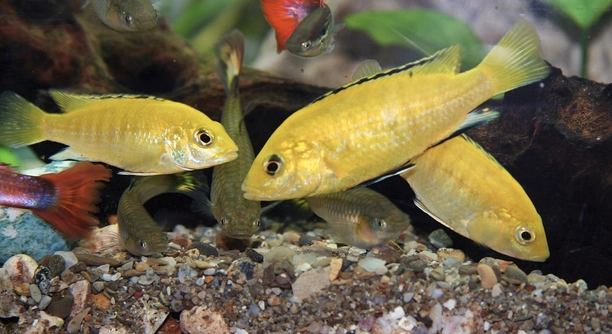
Changing gravel in enclosures is a task that often seems purely practical. Many pet owners focus on cleanliness, but this simple adjustment can also have unexpected effects on behavior and overall environment for animals.
Regularly replacing gravel can reduce aggression by removing stress-inducing odors, preventing buildup of harmful bacteria, and creating a more comfortable space. Consistent maintenance helps animals feel secure, lowering irritability and promoting calmer interactions within their habitats.
Learning when and how to switch out gravel can significantly improve the well-being of your pets. Small changes often lead to noticeable improvements in behavior and overall harmony in their environment.
Removing Built-Up Debris
Over time, gravel can accumulate uneaten food, waste, and other debris that affect the overall environment. I noticed that when I didn’t clean the gravel regularly, my pets seemed more restless and irritable. Changing the gravel removed lingering smells and bacteria that were difficult to manage otherwise. By replacing it consistently, the space felt fresher and more inviting, and I could see animals settling into calmer patterns. It also helped prevent minor health issues that can arise from long-term exposure to dirty substrate. Even small amounts of buildup can create subtle tension in an enclosure. Switching out gravel gave me the satisfaction of providing a safer, cleaner space while noticeably reducing aggressive interactions. Keeping this routine requires attention, but the benefits are clear. The environment becomes easier to maintain, and the animals seem more comfortable and content in their surroundings.
Regular gravel changes also make cleaning simpler. Less buildup means less scrubbing and less stress for both pets and caretakers.
Consistency in replacing gravel plays a major role in maintaining mental and physical well-being. When debris is removed, animals move more freely and show fewer signs of stress. This process can influence group dynamics positively, as aggression often arises from discomfort or limited clean space. By keeping gravel fresh, I observed smoother interactions and calmer behaviors, creating a more stable habitat overall.
Improving Territorial Balance
Animals often develop attachments to certain areas in their enclosure, which can lead to territorial disputes. Changing gravel disrupts entrenched spots, making the space feel neutral and reducing competition over favorite areas.
Replacing gravel can also redistribute scent markers. Over time, smells from previous deposits can intensify dominance behaviors or trigger stress. By introducing new gravel, I noticed a drop in aggressive displays and a more even sharing of the habitat. Animals began exploring more evenly instead of defending specific sections, which improved overall harmony. This simple adjustment also gives caretakers the opportunity to inspect hidden corners for any signs of illness or injury that could contribute to tension. A fresh substrate encourages curiosity rather than confrontation, and pets become more adaptable to changes in the environment. In multiple instances, this change alone helped reduce fights and unnecessary stress. Maintaining this routine fosters a balanced, calm enclosure where each animal feels secure, and interactions are smoother. Regular observation after gravel replacement is key, as behavior changes can be subtle but meaningful over time.
Reducing Odor Stress
Changing gravel frequently helps control strong odors that can make animals anxious. I noticed that my pets were calmer when the enclosure smelled clean, and aggressive behaviors decreased almost immediately after a fresh layer of gravel was added.
Strong odors build up from waste and uneaten food, creating an uncomfortable environment. Animals are very sensitive to these smells, and prolonged exposure can trigger stress and irritability. I observed that even minor changes, like replacing a small section of gravel, made a big difference in behavior. Fresh gravel encourages pets to move freely and engage more positively with each other. Maintaining this habit regularly prevents the environment from becoming overwhelming.
In addition, clean gravel improves airflow and reduces the presence of bacteria and mold that contribute to odor. I found that the overall energy of the enclosure felt lighter, and pets spent more time exploring than avoiding areas that previously smelled unpleasant. This simple adjustment also reduces the need for chemical cleaners, which can stress animals further. By keeping the gravel fresh, the habitat becomes a safer and more comfortable space, naturally lowering aggression.
Encouraging Natural Foraging
Fresh gravel allows animals to explore and forage more freely, which keeps them engaged and reduces frustration. I saw that my pets were more active and less prone to aggressive interactions after a gravel change.
When the substrate is old or compacted, it can limit movement and make animals feel confined. By introducing clean gravel, they can dig, burrow, or search for food in ways that mimic natural behaviors. I noticed they became calmer and more focused, reducing unnecessary fights. Replacing gravel also lets me add small treats or enrichment items, encouraging foraging and mental stimulation. This activity distracts from dominance disputes and creates a healthier environment overall.
Keeping gravel fresh promotes curiosity while minimizing stress caused by territorial behavior. Animals learn to navigate the enclosure more evenly, decreasing competition over limited areas. Over time, consistent maintenance has helped create a balanced environment where pets can coexist more peacefully. This approach also gives caretakers an opportunity to monitor behavior and health more closely, ensuring that subtle signs of tension or discomfort are addressed promptly. Regular substrate updates can transform the dynamics in an enclosure, fostering a calmer and more harmonious space.
Preventing Bacterial Build-Up
Regularly changing gravel keeps harmful bacteria at bay, which can otherwise cause stress or illness. I noticed fewer signs of agitation in my pets after I started replacing gravel more frequently, making the enclosure safer and healthier for everyone.
Fresh gravel creates a cleaner surface and reduces the chance of infections spreading. Animals feel more comfortable exploring and interacting without avoiding certain spots. This small adjustment directly impacts overall behavior, lowering aggression caused by discomfort or hidden health risks.
Maintaining Comfortable Temperature
Gravel affects the temperature of an enclosure, influencing animal behavior. Old, compacted gravel can trap heat or moisture, making certain areas uncomfortable. I found that replacing gravel regularly helped create a more evenly temperate environment, leading to calmer interactions.
Supporting Natural Digging
Changing gravel allows animals to dig naturally, which reduces frustration and promotes mental stimulation. I observed that pets became more relaxed and cooperative when they had fresh substrate to manipulate.
FAQ
How often should I change gravel to reduce aggression?
Changing gravel depends on the type of animals and their enclosure size. I usually replace it fully every two to four weeks, while spot-cleaning daily. Regular changes prevent odor buildup, bacteria, and lingering stress signals that can trigger aggressive behavior. Animals respond positively to the freshness, moving more freely and interacting calmly.
Can partial gravel changes be effective, or is a full replacement necessary?
Partial changes can help if done consistently. I sometimes replace only the top layer while leaving a small base intact, which maintains cleanliness and reduces odor without completely disturbing the enclosure. Animals adapt better when their environment feels familiar, but full replacements occasionally ensure deeper cleaning and removal of hidden waste.
Does the type of gravel matter for aggression reduction?
Yes, the texture, size, and material can influence comfort and behavior. I prefer smooth, medium-sized gravel for my pets, as sharp or overly small gravel can cause irritation. Comfortable substrates encourage natural movements, reduce stress, and prevent disputes over uncomfortable areas. Gravel that retains moisture poorly also helps minimize bacterial growth.
Will frequent gravel changes stress my pets?
Not if done carefully. I introduce new gravel gradually, sometimes mixing it with the old for a short period. Animals can be sensitive to sudden changes, but gentle transitions make them adapt quickly. Over time, they recognize the space as clean and safe, which actually reduces aggression rather than causing stress.
Are there signs that gravel needs changing immediately?
Yes, I watch for strong odors, compacted spots, or visible waste that isn’t easily removed. Pets avoiding certain areas, increased squabbling, or signs of restlessness can indicate that the gravel is affecting behavior. Prompt replacement restores comfort and helps maintain a calmer environment.
Can gravel changes improve relationships between multiple animals?
Absolutely. Shared enclosures can become tense if animals feel certain areas are claimed. Fresh gravel neutralizes territory markers, encouraging equitable use of space. I noticed that after replacing gravel, pets explore more evenly and show fewer dominance displays. This simple step supports coexistence and reduces daily conflicts.
How do I safely dispose of old gravel?
I usually rinse old gravel to remove waste, then discard it according to local guidelines or reuse it in gardening. Proper disposal prevents odors or contamination. Handling it carefully ensures the enclosure stays hygienic, and the animals aren’t exposed to harmful bacteria.
Does gravel replacement affect other aspects of care?
Yes, it improves overall habitat management. Clean gravel makes monitoring waste, water quality, and animal health easier. I can spot early signs of illness or injury more efficiently. Additionally, it reduces the need for strong chemical cleaners, keeping the environment safer and less stressful.
Is there a noticeable behavior change after gravel replacement?
In my experience, yes. Animals explore more confidently, aggression decreases, and interactions become calmer. Even small changes, like partial gravel replacement, make a measurable difference. Pets spend more time engaging in natural behaviors rather than avoiding uncomfortable areas or competing for space.
Can gravel replacement prevent long-term stress issues?
Consistently fresh substrate supports mental and physical well-being. I’ve found that animals are less irritable and maintain healthier routines when their space is clean. Preventing buildup of odor, bacteria, and territorial markings reduces ongoing stress, promoting harmony and reducing the likelihood of aggressive behaviors over time.
Final Thoughts
Maintaining a clean and comfortable environment is one of the simplest ways to influence animal behavior positively. Changing gravel regularly may seem like a small task, but it has a significant impact on stress levels and aggression. I’ve observed firsthand that pets respond to fresh substrate by becoming calmer and more willing to explore their surroundings. When gravel is left unchanged, odors, waste, and compacted spots can make animals irritable, leading to disputes or avoidance behaviors. By committing to a consistent schedule of cleaning and replacing gravel, the enclosure feels more inviting, and animals settle into routines that reduce tension. Even small changes, like replacing the top layer or adding new sections gradually, can help maintain a sense of familiarity while improving overall comfort.
The type of gravel used also matters. Smooth, medium-sized pieces tend to be the most comfortable for many animals, allowing them to dig, burrow, or forage naturally without causing irritation. Gravel that retains moisture poorly reduces bacterial growth, which in turn helps maintain a healthier habitat. Observing behavior after a gravel change can reveal patterns that may not be obvious otherwise, such as areas that pets prefer or spots that consistently cause stress. Over time, the benefits become clear: calmer interactions, reduced competition for space, and a healthier enclosure overall. I’ve learned that the physical state of the environment directly affects the mental and emotional state of the animals. By keeping the substrate fresh, the enclosure becomes a space where pets can express natural behaviors and feel secure, which naturally lowers aggressive tendencies.
Consistency is key when it comes to gravel changes. Incorporating regular maintenance into daily or weekly routines ensures that the enclosure remains clean, safe, and comfortable. This simple effort pays off in multiple ways, from easier monitoring of health to a more balanced social dynamic among animals. While it may feel tedious at first, the results are noticeable almost immediately. Fresh gravel encourages exploration, reduces the buildup of stress-inducing odors, and supports natural behaviors that contribute to calmer interactions. Over time, it becomes clear that the enclosure is not just a living space but an environment that shapes how animals feel and act. By prioritizing substrate cleanliness and observing the effects carefully, it is possible to create a space where pets are healthier, happier, and less prone to aggression. This approach highlights that small, thoughtful changes can have a profound impact on the overall harmony of the habitat.

Hello,
If you enjoy the content that we create, please consider saying a "Thank You!" by leaving a tip.
Every little bit helps us continue crafting quality advice that supports the health, happiness, and well-being of pets around the world, for pets of all shapes, sizes, and species.
We really appreciate the kindness and support that you show us!