
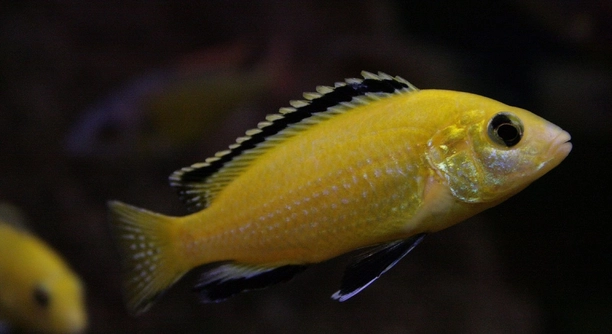
Loud vibrations near a tank can create unexpected disturbances, affecting both the environment and the animals inside. These vibrations often come from nearby construction, machinery, or heavy traffic, producing noticeable ripples and sounds in the water.
Animals inside the tank often respond to loud vibrations with stress or heightened alertness. Common reactions include rapid swimming, hiding, increased aggression, changes in feeding behavior, and alterations in social interactions. Such responses are instinctive mechanisms to perceived threats.
Recognizing these reactions is essential for maintaining a calm and healthy tank environment. Observing and understanding them can improve animal care and prevent long-term stress-related issues.
Rapid Swimming and Erratic Movement
When loud vibrations occur near a tank, one of the most noticeable reactions is rapid swimming. Fish and other aquatic animals often dart back and forth or swim in circles, seemingly without direction. This behavior is a natural response to sudden disturbances in their environment. In the wild, quick movement can help them escape predators, and the same instinct carries over into tanks. Observing this reaction can be startling at first, especially if the vibrations are frequent or intense. Rapid swimming may also lead to collisions with tank walls or decorations, causing potential injuries or stress. Tank inhabitants may expend more energy than usual during these episodes, which can affect feeding patterns and overall health. The consistency and frequency of vibrations will determine how long the animals exhibit this behavior. Over time, repeated disturbances can lead to chronic stress, making it important to monitor and minimize sources of vibration.
Rapid swimming is a direct stress response. It signals discomfort or perceived danger, impacting health if frequent.
Managing tank placement and dampening external vibrations helps reduce erratic swimming. Observing patterns can inform adjustments to keep animals calm and safe, improving their long-term well-being in the tank environment.
Hiding and Shelter-Seeking
Hiding is a common reaction to sudden vibrations. Animals retreat into decorations, plants, or corners of the tank for safety.
Extended vibrations can lead to prolonged hiding, reducing visibility and activity. Consistent stress may alter feeding and social behavior. Tank owners should create secure spaces to help animals feel safe while minimizing frequent disturbances. Regular monitoring ensures that hiding is not a symptom of ongoing stress.
Increased Aggression
Stress from vibrations can trigger aggression among tank inhabitants. Fish may chase each other, nip fins, or dominate certain areas more intensely than usual.
Aggressive behavior often emerges as animals compete for safety or territory when the environment feels unstable. Even normally peaceful species may display sudden hostility during or after vibrations. This can escalate if hiding spots are limited or if multiple species are sharing the same space. Aggression may cause minor injuries or stress, which in turn affects feeding and growth. Consistently monitoring interactions and providing ample shelter can reduce confrontations and maintain a healthier tank dynamic. Recognizing early signs helps prevent long-term behavioral problems and ensures all animals coexist with minimal conflict.
Repeated exposure to vibrations strengthens territorial instincts and can lead to permanent behavioral shifts. Addressing the source of vibrations and arranging the tank to include natural barriers or hiding areas can reduce aggression and foster a calmer, more balanced environment for all inhabitants.
Changes in Feeding Behavior
Stressful vibrations can cause animals to eat less or ignore food altogether. This reduction in appetite affects their energy and growth.
Feeding patterns are closely linked to comfort levels in the tank. Animals may avoid feeding during vibrations or wait until the environment feels stable. Over time, these changes can weaken immunity and make them more prone to illness. Adjusting feeding schedules, offering smaller portions, or providing food in quieter, sheltered areas helps maintain nutrition. Consistency and observation are key to understanding how vibrations influence eating habits. Some species may resume normal feeding quickly, while others require prolonged adjustments. Monitoring behavior during meals offers insights into overall stress levels and tank health.
Erratic Breathing
Vibrations can cause noticeable changes in breathing patterns. Fish may breathe faster or appear to gasp near the water surface, signaling stress or discomfort.
Prolonged exposure to strong vibrations may lead to oxygen depletion in localized areas, worsening breathing issues. Ensuring proper aeration and limiting disturbances helps maintain stable oxygen levels and healthier tank conditions.
Color Changes
Stress from vibrations often results in visible changes in coloration. Fish may lose brightness or develop darker patches temporarily.
Color shifts indicate physiological stress and can also reflect mood or health. Maintaining a calm environment, consistent lighting, and stable tank conditions helps animals regain natural colors and reduces stress-related color changes.
Social Withdrawal
Some animals isolate themselves when vibrations occur, avoiding interactions with others. Withdrawal is a protective response to perceived threats, allowing them to conserve energy and feel secure while minimizing exposure to stressors.
Reduced Activity
Vibrations can cause animals to move less, staying in one area for extended periods. Reduced activity affects feeding, exploration, and normal behaviors. Observing these changes helps identify stress triggers and adjust tank conditions to support healthier activity levels.
FAQ
Why do my fish swim so quickly when there are vibrations?
Rapid swimming is a natural stress response. Vibrations mimic environmental disturbances that fish would encounter in the wild, triggering an instinct to escape or seek safety. Even brief or low-level vibrations can prompt this behavior, especially in sensitive or young fish.
How can I reduce hiding behavior in my tank?
Providing multiple hiding spots and spreading decorations evenly can help. When animals feel secure, they are less likely to stay hidden for long periods. Reducing external noise and vibrations also encourages normal activity, helping them feel safe without constant retreating.
Will aggression stop if I remove the vibration source?
Yes, reducing or eliminating vibrations usually lowers aggressive behavior over time. Aggression often arises from stress and perceived threats, so once the environment stabilizes, territorial and defensive behaviors tend to decrease. Consistent monitoring is important to prevent lingering conflicts.
Do all species react the same way to vibrations?
No, reactions vary by species, temperament, and age. Some fish may become highly stressed, while others are less affected. Predatory species might show increased aggression, while schooling fish may stick together or hide more. Understanding species-specific behaviors helps manage tank stress effectively.
How long do stress-related color changes last?
Color changes are typically temporary, lasting from hours to several days depending on stress intensity. Persistent stress or poor tank conditions can prolong fading or cause permanent dullness. Ensuring a calm environment, proper nutrition, and adequate shelter supports recovery.
Is reduced feeding a serious problem?
Yes, decreased appetite can lead to malnutrition, weakened immunity, and slower growth. Stress from vibrations is a common cause. Adjusting feeding schedules, offering smaller portions, and creating quiet feeding zones can help maintain proper nutrition while reducing stress.
Can vibrations cause long-term health issues?
Chronic stress from repeated vibrations may weaken the immune system, increase susceptibility to disease, and affect growth or reproduction. Providing a stable tank environment with minimal disturbances is crucial to prevent long-term health problems and maintain overall well-being.
What is the best way to monitor vibration effects?
Regular observation is key. Watch swimming patterns, hiding behavior, feeding habits, breathing, color, and social interactions. Keeping a journal or notes helps track changes over time, making it easier to identify stressors and adjust the tank environment appropriately.
Are there tools to minimize tank vibrations?
Yes, using vibration-dampening mats, placing the tank on a sturdy surface, and avoiding locations near heavy machinery or traffic can reduce vibrations. Simple adjustments, like isolating the tank from floor vibrations or heavy foot traffic, make a significant difference in animal comfort.
How quickly will fish return to normal behavior after vibrations stop?
Recovery varies. Some fish resume normal swimming, feeding, and coloration within hours, while others may take days. Consistent, calm conditions and proper care accelerate recovery, while repeated disturbances slow it down. Patience and observation are essential for full behavioral restoration.
Can hiding and reduced activity affect social dynamics?
Yes, withdrawn animals may miss feeding opportunities and fail to interact normally with tank mates. This can affect hierarchy, territorial boundaries, and even reproduction. Ensuring multiple hiding spots and reducing stressors supports natural social behaviors and healthier tank dynamics.
Should I relocate my tank to reduce vibrations?
If vibrations are frequent and unavoidable, relocating the tank to a quieter, stable area is highly effective. Even small changes in placement can significantly reduce stress and improve overall animal behavior. Ensuring consistent lighting, temperature, and filtration in the new location maintains stability.
Can vibrations affect breeding behavior?
Yes, stress from vibrations often inhibits mating, egg-laying, or fry survival. Sensitive species may stop breeding entirely under frequent disturbances. Creating a calm, stable environment with adequate shelter encourages natural reproductive behaviors and increases breeding success.
How do I know if stress is becoming dangerous?
Signs include prolonged hiding, rapid swimming, color fading, aggression, or reduced feeding over days. Chronic stress can lead to illness, weight loss, or weakened immunity. Observing these indicators early allows corrective measures before health declines.
Is it normal for fish to recover quickly after small vibrations?
Yes, mild vibrations may cause brief responses like quick swimming or slight hiding. Most animals return to normal within minutes once the disturbance stops. Frequent monitoring ensures that these minor reactions do not escalate into prolonged stress.
Are some tank setups more prone to vibration problems?
Yes, tanks on thin surfaces, near high-traffic areas, or with tall, narrow designs transmit vibrations more easily. Stabilizing the tank and distributing weight evenly reduces vibration effects, helping maintain a calm and safe environment for inhabitants.
Can air pumps or filters worsen vibration stress?
Sometimes. Poorly installed or unbalanced equipment may amplify vibrations or create noise. Checking placement, securing pumps, and using vibration-dampening supports can reduce additional stress while maintaining proper water circulation and oxygenation.
Do hiding, aggression, and reduced activity usually occur together?
Often, yes. Stress responses are interlinked. An animal hiding may also show reduced activity or react aggressively if approached. Recognizing patterns across behaviors helps identify vibration-related stress and informs effective interventions to restore balance.
Can I use background noise to mask vibrations?
Moderate background sounds, like soft water flow or gentle music, may help mask minor vibrations, but loud noise can add stress. The key is creating a calm, consistent environment that allows animals to feel safe and maintain normal behaviors.
How important is observation during vibration events?
Observation is critical. Noticing changes in swimming, feeding, hiding, and social behavior provides insight into stress levels. Detailed notes over time allow you to identify triggers, evaluate interventions, and ensure the long-term health of the tank community.
How do I know if hiding spots are adequate?
Adequate hiding spaces should allow animals to retreat without crowding and accommodate multiple individuals if needed. Plants, rocks, caves, or decorations provide shelter, giving animals control over exposure and reducing stress from external disturbances.
Can vibrations impact plants or invertebrates in the tank?
Yes, delicate plants may sway or uproot, and invertebrates like shrimp may hide or stop feeding. Stable placement, avoiding excessive vibrations, and providing secure substrate help protect non-fish inhabitants and maintain overall ecosystem balance.
Are there any long-term strategies to prevent vibration stress?
Long-term strategies include choosing a stable location, using dampening mats, distributing hiding spots, monitoring behavior, and maintaining consistent environmental conditions. Awareness of nearby construction or heavy equipment allows proactive adjustments, ensuring a calmer and healthier tank over time.
What signs indicate recovery after stress?
Return of normal swimming patterns, resumed feeding, natural coloration, and regular social interactions signal recovery. Consistent observation ensures that any remaining subtle stress indicators are addressed, promoting a fully stable and healthy tank environment.
How do I balance tank stability with everyday household activities?
Positioning the tank away from heavy foot traffic, noisy appliances, and vibration sources helps. Simple adjustments, like placing rugs under the stand or using a sturdy table, allow normal household activity without significantly affecting animal comfort or behavior.
Can reducing vibrations improve overall tank health?
Yes, minimizing stress through vibration control supports feeding, growth, immunity, and social stability. Calm conditions allow animals to behave naturally, reducing disease risk and improving long-term health outcomes for the entire tank community.
Are young or newly introduced fish more sensitive to vibrations?
Yes, juveniles or newly added fish often react more strongly. They are still adjusting to the tank and may lack established territories. Extra care, ample hiding spots, and minimal disturbances support smoother acclimation and reduce stress-related problems.
Do invertebrates react differently than fish?
Reactions vary. Shrimp, snails, and other invertebrates may hide, reduce movement, or stop feeding. Their responses are subtler but still indicate stress. Providing secure hiding areas and stable substrate helps them feel safe and maintain normal behaviors.
Is it necessary to record vibration events?
Recording events helps track patterns and identify sources. Notes on timing, intensity, and animal reactions allow you to make informed changes to tank placement, equipment, or schedules, preventing recurring stress and supporting healthier conditions.
Can lighting changes influence vibration stress?
Yes, sudden changes in lighting combined with vibrations can amplify stress. Consistent, gradual lighting helps animals feel secure and reduces compounding effects, allowing them to adapt more comfortably to minor environmental disturbances.
What adjustments are easiest to make for vibration reduction?
Simple measures include placing the tank on a solid surface, using dampening mats, spreading decorations for stability, limiting nearby foot traffic, and securing equipment. Small adjustments often have a noticeable impact on behavior and reduce chronic stress efficiently.
Is it common for multiple stress responses to appear simultaneously?
Yes, hiding, rapid swimming, aggression, and reduced feeding often occur together. Observing the full range of behaviors provides a clearer picture of stress levels, helping guide effective strategies to restore calm and stability in the tank.
Do vibrations affect nocturnal or crepuscular species differently?
Yes, species active during low-light periods may be startled or disturbed more during vibrations, disrupting their natural activity cycles. Maintaining a stable environment with minimal disturbances supports their regular behaviors and overall well-being.
Can tank size influence vibration sensitivity?
Smaller tanks transmit vibrations more easily, making inhabitants more sensitive. Larger tanks may buffer some disturbances, but placement and surface stability remain critical. Proper tank support helps reduce transmitted vibrations regardless of size.
How often should I check for vibration effects?
Daily observation is ideal, especially during known disturbances. Monitoring swimming, hiding, feeding, breathing, and coloration ensures early detection of stress and allows timely adjustments to protect animal health.
Are certain decorations better for minimizing stress?
Heavy, stable decorations or plants rooted securely in substrate help reduce movement during vibrations. Open spaces combined with hiding areas allow animals to choose safe zones while maintaining normal activity, reducing overall stress.
How can I tell if stress is mild or severe?
Mild stress shows brief reactions like quick swimming or short hiding periods. Severe stress includes prolonged hiding, aggression, color loss, or reduced feeding. Noting intensity and duration helps determine whether intervention is needed and which adjustments are effective.
What role does water quality play in vibration stress?
Good water quality supports resilience. Healthy oxygen levels, stable temperature, and proper filtration reduce the impact of vibrations on stress responses. Compromised water conditions amplify stress, making it harder for animals to recover.
Can vibrations influence lifespan?
Chronic stress from vibrations can affect long-term health, potentially shortening lifespan due to weakened immunity, illness, or impaired growth. Maintaining a calm, stable environment is essential for supporting longevity in all tank inhabitants.
Are there any signs I might be overlooking?
Subtle indicators include slight color changes, minor fin clamping, or occasional erratic swimming. Paying attention to small deviations from normal behavior helps catch early signs of vibration-induced stress before more serious effects occur.
Do different tank substrates affect vibration impact?
Yes, heavier substrates like gravel can dampen vibrations, while lighter sand may transmit movement more easily. Proper substrate selection helps reduce disturbances and contributes to a more stable environment for animals.
Is consistency more important than eliminating all vibrations?
Yes, predictable conditions matter. Animals adapt better to consistent, moderate vibrations than to unpredictable, irregular disturbances. Maintaining stability in placement, equipment, and care routines supports calmer behavior and long-term health.
Can decorations be arranged to buffer vibrations?
Yes, distributing heavy ornaments and creating layered structures helps absorb and deflect vibrations. This arrangement provides both stability and hiding spaces, reducing stress responses and supporting normal activity for all tank inhabitants.
Do frequent visitors or household activities affect reactions?
Yes, movement near the tank can amplify vibration stress. Limiting sudden interactions or high-traffic activity around the tank allows animals to maintain normal routines and reduces cumulative stress effects.
How do I know if my interventions are working?
Improved swimming patterns, resumed feeding, reduced hiding, natural coloration, and calmer social interactions indicate successful adjustments. Tracking changes over time confirms whether vibration mitigation strategies are effective and sustainable.
Are there long-term behavioral benefits to reducing vibrations?
Yes, animals exhibit healthier activity, better feeding, improved social interactions, and more natural coloration. Reduced stress supports immunity, growth, and overall well-being, creating a stable, thriving tank environment over time.
Should I adjust feeding times around vibration periods?
Yes, feeding during calmer periods encourages consumption and reduces stress-related skipping of meals. Observing activity patterns helps identify optimal times, supporting nutrition and overall health while minimizing stress impacts.
Do tank covers influence vibration reactions?
Covers can provide a sense of security and reduce some external disturbances. They also limit sudden splashes or surface agitation that might otherwise amplify stress responses, contributing to a calmer environment.
Can vibrations affect water chemistry temporarily?
Minor vibrations may slightly disturb surface water or sediment but usually do not drastically alter chemistry. Strong or repeated vibrations could stir debris, affecting clarity and requiring extra monitoring of parameters like ammonia or nitrate.
Is it normal for fish to exhibit delayed reactions to vibrations?
Yes, some animals take time to recognize disturbances or may hide before responding actively. Delayed reactions are normal, but prolonged or extreme responses indicate significant stress that may require intervention.
Are some tank shapes more vulnerable to vibration effects?
Tall, narrow tanks or tanks on thin stands transmit vibrations more easily. Wider, shorter tanks tend to buffer movement better. Stable placement and supportive furniture reduce stress regardless of tank shape.
Do invertebrates need special considerations?
Yes, shrimp, crabs, and snails may hide or stop feeding during vibrations. Providing dense plant coverage, rocks, and secure substrate allows them to retreat safely and maintain normal behaviors.
How can I prevent stress from becoming chronic?
Limit vibration exposure, provide ample hiding spaces, maintain water quality, monitor behavior, and make gradual environmental adjustments. Early intervention prevents chronic stress and supports long-term health and activity.
Do tank mates affect stress responses?
Yes, compatible tank mates can reduce stress, while aggressive or territorial species may worsen reactions. Monitoring interactions and arranging hiding areas helps maintain harmony and reduce stress-related behaviors.
Are sudden temperature fluctuations worse with vibrations?
Yes, rapid temperature changes combined with vibrations amplify stress. Maintaining stable temperatures, along with calm conditions, supports recovery and minimizes additional stress effects.
Do nocturnal species need extra protection?
Yes, vibrations during their active periods can disrupt feeding and exploration. Providing shelter, stable substrate, and minimal disturbances during night cycles supports normal behavior and reduces stress.
Can tank plants recover from vibration disturbances?
Yes, most robust plants recover quickly if vibrations are brief. Rooted or heavier plants are less likely to be uprooted, providing both stability and hiding spots for animals. Monitoring growth and placement ensures ongoing health.
Are water changes affected by vibration stress?
Proper water changes help maintain resilience against stress. Performing them calmly, without sudden splashing or vibrations, ensures minimal additional stress and supports recovery from prior disturbances.
How do I know if the tank environment is fully stabilized?
Consistent behavior, normal feeding, natural coloration, and reduced hiding or aggression indicate stability. Observing these patterns over several days confirms that vibration mitigation measures are effective and the tank is secure.
Can lighting schedules reduce stress from vibrations?
Yes, consistent, gradual lighting cycles provide stability. Avoiding abrupt changes during or after vibrations prevents compounding stress, allowing animals to maintain regular behaviors and routines.
Is it helpful to keep a behavior log?
Yes, recording reactions, feeding patterns, and social interactions helps identify stress triggers, evaluate mitigation strategies, and track recovery, ensuring long-term well-being for all tank inhabitants.
Do vibrations affect filtration systems?
Vibrations can slightly shift poorly secured filters, affecting flow or aeration. Ensuring equipment is stable minimizes additional stress and maintains proper water movement and oxygen levels.
Are juveniles more likely to hide than adults?
Yes, younger fish often rely on hiding more than adults when stressed. Providing safe spaces helps them acclimate and reduces the risk of injury or missed feeding opportunities.
Can tank decorations amplify vibrations?
Light or unstable decorations may move with vibrations, startling animals further. Using heavier, well-placed decorations minimizes movement and supports calmer behavior in the tank.
Is it normal for fish to return gradually after hiding?
Yes, animals often assess the environment before resuming normal activity. Gradual return indicates cautious recovery, reflecting natural instincts and the tank’s relative safety.
Can vibrations trigger long-term behavioral changes?
Repeated, strong vibrations may lead to permanent alterations in activity, aggression, or social behavior. Early detection and consistent mitigation are essential to maintain natural, healthy patterns.
Do filtration noises worsen vibration stress?
In some cases, yes. Loud or inconsistent filter sounds can compound vibration effects. Adjusting placement or adding dampening materials reduces stress while maintaining water quality.
Are there specific times when vibrations are most harmful?
Vibrations during feeding, breeding, or nocturnal activity often have the greatest impact. Minimizing disturbances during critical periods supports natural behavior, growth, and overall health.
How do I know if hiding spots are used effectively?
Observing animals entering and staying in shelters during disturbances indicates effective design. Multiple, accessible spots reduce competition and allow each animal to manage stress individually.
Do vibrations affect group dynamics in schooling fish?
Yes, vibrations can disrupt formation, cause separation, or increase aggression. Adequate space, hiding areas, and stable conditions help maintain cohesion and reduce stress within schools.
Is sudden water movement caused by vibrations a concern?
Yes, strong ripples can stress animals and uproot plants. Minimizing external disturbances and providing stable decor reduces unnecessary water motion, protecting both animals and plants.
Do substrate types influence hiding efficiency?
Yes, deeper or denser substrates allow burrowing or secure placement of decorations, providing better protection and reducing stress responses compared with shallow, loose substrates.
How can I balance tank aesthetics with hiding needs?
Incorporate natural decorations, plants, and caves strategically. This creates visually appealing layouts while providing sufficient shelter to manage stress during vibrations without compromising tank design.
Are some fish more resilient to vibrations?
Yes, hardy or territorial species often tolerate minor disturbances better than sensitive or shy fish. Understanding species characteristics helps in arranging tanks and predicting reactions to environmental vibrations.
Can vibrations influence molting in invertebrates?
Yes, stress may delay or disrupt molting in shrimp and crabs. Providing calm, stable conditions and secure hiding spaces supports successful molts and overall health.
Do tank decorations help reduce aggression during vibrations?
Yes, providing barriers, plants, or rocks allows animals to retreat and reduces direct confrontations. Thoughtful arrangement minimizes stress-induced aggression while maintaining normal social interactions.
How do I track subtle stress indicators?
Monitor changes in color, fin movement, swimming speed, and feeding patterns. Even minor deviations from baseline behavior can indicate stress, helping guide timely adjustments to tank conditions.
Can vibrations affect filtration efficiency?
Minor vibrations usually have little effect, but severe or repeated shaking can dislodge filters or reduce water flow. Securing equipment ensures consistent filtration and minimal added stress.
**Do
Final Thoughts
Loud vibrations near a tank can affect animals in ways that are easy to notice and ways that are more subtle. Fish and invertebrates often respond instinctively to sudden disturbances. Some swim quickly, hide, or reduce their activity, while others may show aggression or lose their bright colors temporarily. Even when these reactions seem minor, they indicate stress in the tank environment. Stress affects feeding, growth, immunity, and social behavior, so it is important to pay attention to how animals respond. By observing these behaviors consistently, you can identify patterns and understand which vibrations or disturbances are most disruptive. Small adjustments in placement, equipment, or tank setup can have a significant effect on overall animal well-being.
Managing vibrations involves both prevention and careful observation. Simple steps, like placing the tank on a sturdy, vibration-resistant surface, using mats to dampen vibrations, and spreading out decorations, can reduce the impact. Providing hiding spaces, plants, and secure substrate allows animals to feel safe even when minor disturbances occur. Monitoring feeding patterns, breathing, swimming behavior, and social interactions gives a clear picture of stress levels and overall health. Each species reacts differently, so understanding specific needs helps create a calmer, more stable environment. Regular observation and small adjustments often prevent stress from becoming chronic or causing long-term behavioral changes. Over time, animals tend to regain normal activity, coloration, and social balance once disturbances are minimized.
The overall goal is to create a stable environment where tank inhabitants feel secure and can thrive. Reducing vibration-related stress improves feeding, activity, and social interactions while supporting natural behaviors and growth. Even if some vibrations are unavoidable, providing multiple hiding areas, stabilizing equipment, and maintaining consistent water quality can make a meaningful difference. Understanding the signs of stress and acting proactively allows for healthier, more resilient animals. By combining careful observation with simple preventive measures, it is possible to minimize the impact of external disturbances. Over time, a well-managed tank promotes long-term health and natural behavior, ensuring that animals remain active, vibrant, and balanced within their environment.

Hello,
If you enjoy the content that we create, please consider saying a "Thank You!" by leaving a tip.
Every little bit helps us continue crafting quality advice that supports the health, happiness, and well-being of pets around the world, for pets of all shapes, sizes, and species.
We really appreciate the kindness and support that you show us!