
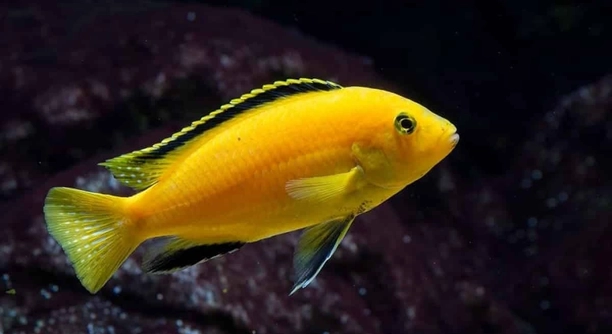
Do you ever notice how quickly your cichlids swim to the feeding area, expecting food on time? Even a short delay in their routine can trigger subtle changes in their behavior and mood.
A seven-minute feeding delay in cichlids can cause noticeable stress responses, including increased aggression, restlessness, and disrupted social interactions. These reactions demonstrate the sensitivity of cichlids to timing and consistency in their feeding schedules.
Observing these reactions can help you understand your fish better and maintain a calmer, healthier aquarium environment for them.
Immediate Behavioral Changes
When a feeding schedule is slightly delayed, cichlids often show immediate behavioral changes. They may become more restless, swimming rapidly around the tank or hovering near the usual feeding spot. Some fish show subtle signs of anxiety, like darting suddenly when another fish approaches. Territorial species tend to become more aggressive, chasing others or guarding specific areas more strictly. Even minor delays can trigger increased competition for food when it finally arrives, leading to squabbles that are usually avoidable with consistent feeding. These reactions are natural responses to stress and are not harmful if they occur occasionally. However, repeated delays can reinforce this heightened stress response, making fish more reactive over time. Observing your cichlids during a delay offers insight into their social hierarchy and how they respond to environmental changes. Small adjustments, like maintaining a precise schedule, can prevent these behaviors from becoming patterns. Consistency is key to keeping your aquarium calm and balanced.
Feeding delays can quickly alter cichlids’ normal behavior, showing restlessness, aggression, and heightened alertness that reflect their sensitivity to routine disruptions.
Understanding these immediate responses helps in managing your tank effectively and ensures a more peaceful environment. Consistent feeding reduces stress and supports healthier social interactions.
Long-Term Health Impacts
Even small, repeated delays in feeding can affect cichlids’ overall health. Over time, stress hormones may increase, which can weaken the immune system and make them more prone to disease. Chronic stress may reduce appetite, slow growth, and even alter coloration, making fish appear duller than usual. Behavioral changes also persist, with aggressive tendencies or anxiety-like behavior becoming more noticeable. Fish that are stressed regularly may avoid certain areas of the tank or hide more frequently, reducing their interaction with other fish. Nutritional balance can also be disrupted if meals are skipped or delayed often, leading to deficiencies that impact bone structure, organ function, and overall vitality. By keeping a precise feeding schedule, you minimize these risks. Observing fish closely after small changes in routine can give early signs of stress, allowing adjustments before long-term issues develop. A well-timed feeding routine plays a crucial role in maintaining health, social stability, and overall tank harmony.
Small adjustments to timing and portion sizes can significantly improve fish health and behavior.
Keeping a consistent schedule, monitoring stress signals, and ensuring proper nutrition allows your cichlids to thrive. Over time, a stable routine reinforces positive behavior and stronger immune responses, creating a more vibrant and active aquarium. Even minor inconsistencies can compound, so careful attention to feeding practices is essential for long-term well-being.
Social Dynamics and Feeding Delays
Cichlids react strongly to changes in their social environment when food is delayed. Dominant fish may assert control more aggressively, while submissive fish become more cautious, hiding or avoiding conflict. Even a short delay can disrupt the usual balance of interactions.
Repeated delays reinforce territorial behavior and aggression. Dominant fish may monopolize feeding areas once food arrives, pushing others away and increasing stress levels across the tank. Submissive fish might reduce their activity or hide more frequently, which can affect their overall health and appetite. Over time, these disruptions can alter the established hierarchy, making the group more volatile.
The social tension caused by feeding delays can also interfere with breeding behavior. Fish may abandon spawning sites temporarily or show less interest in mating, as stress overrides reproductive instincts. Maintaining predictable feeding schedules ensures that social roles remain stable, reduces unnecessary conflict, and supports healthier interactions between tank mates, promoting both behavioral and physiological well-being.
Tips for Minimizing Stress
Consistency is essential when feeding cichlids. Short delays can cause noticeable stress, so having a set schedule and using automated feeders can help. Observation and small adjustments maintain harmony in the tank.
Planning feeding times carefully ensures that all fish receive adequate nutrition without triggering aggression. Automated feeders are particularly helpful if your schedule is unpredictable, as they provide precise portions at the same time each day. Monitoring how fish respond to these tools allows you to fine-tune timing and portions, reducing stress and competition. Simple practices like avoiding sudden changes in food type or amount also contribute to a calmer environment.
Environmental adjustments further support reduced stress. Adding hiding spots, maintaining water quality, and keeping decorations consistent can buffer the effects of brief delays. Gradually introducing changes rather than abrupt shifts in feeding routines prevents strong reactions. Pairing consistent feeding with environmental stability allows fish to feel secure, encourages natural behavior, and strengthens social bonds. Over time, these measures foster a peaceful and healthy aquarium where all cichlids can thrive.
Recognizing Early Signs of Stress
Cichlids show stress through subtle cues like rapid swimming, hiding, or clamped fins. Early recognition allows you to adjust feeding routines before behaviors escalate.
Color changes and loss of appetite are also key indicators. Paying attention to these signs helps maintain healthier, calmer fish.
Adjusting Feeding Techniques
Dividing daily rations into smaller, more frequent feedings can reduce stress from delays. This method prevents dominant fish from monopolizing food and allows shy or submissive fish to eat comfortably. Consistency in timing is still important, even with multiple smaller meals. Gradual changes to feeding amounts or schedules help fish adapt without sudden stress. Using sinking or floating food strategically ensures all fish access nutrition while minimizing competition. Observing reactions after adjustments allows you to refine portions and timing, creating a balanced, peaceful environment. Over time, these techniques reinforce stable behavior and support overall well-being.
Monitoring Long-Term Effects
Tracking growth, color, and social behavior over time highlights the impact of repeated feeding delays. Regular observation helps maintain healthy, balanced fish populations.
FAQ
What happens if my cichlids experience a feeding delay once in a while?
Occasional delays of a few minutes are usually not harmful. Cichlids may show temporary restlessness or swim near the feeding area more actively, but they typically return to normal behavior once food arrives. Short, infrequent delays are less likely to impact health or social dynamics.
Can a seven-minute delay really cause stress?
Yes, even a small delay can trigger stress responses in cichlids. They are sensitive to routine changes, and a short wait can increase aggression, prompt hiding, or make dominant fish push others away at feeding time. Observing behavior helps catch stress early.
How do I recognize if a feeding delay is affecting my fish?
Signs include faster swimming, hiding, clamped fins, or sudden changes in color. Aggressive behavior may increase among tank mates, while shy fish may retreat more often. Appetite changes, like leaving food uneaten, are also a clear indicator.
Is there a way to prevent stress from feeding delays?
Maintaining a strict feeding schedule is the most effective approach. Automated feeders can provide precise, timely portions. Dividing daily food into smaller meals reduces competition and ensures all fish eat. Gradual adjustments when changing schedules help fish adapt.
Do feeding delays impact breeding behavior?
Repeated stress from delayed feeding can reduce interest in spawning and disrupt nest guarding. Fish may temporarily abandon breeding sites or show less interaction with mates. Consistent feeding and a calm environment support reproductive behavior.
What are the long-term effects of repeated delays?
Chronic delays can elevate stress hormones, weaken immunity, and slow growth. Color may fade, social hierarchies can become unstable, and aggressive interactions may increase. Maintaining predictable feeding reduces these risks and helps fish remain active and healthy.
How can I adjust feeding if I am busy or away?
Automated feeders are a practical solution for busy schedules. They dispense precise amounts at the same time each day, keeping routines consistent. Asking someone familiar with your tank to feed occasionally is another option, but automated systems are generally more reliable for consistency.
Are some cichlids more sensitive to feeding delays than others?
Yes, species that are highly territorial or social may react more strongly to small changes. Dominant fish tend to become aggressive faster, while shy fish may hide or lose appetite. Observing your specific species’ behavior helps tailor feeding schedules.
Does the type of food affect reactions to delays?
High-value foods like live or frozen treats may increase excitement and aggression when delayed. Standard flakes or pellets tend to produce milder responses. Mixing food types while keeping timing consistent can balance stress and ensure nutrition.
Can environmental adjustments reduce stress from occasional delays?
Adding hiding spots, maintaining water quality, and keeping tank décor consistent can buffer stress. Fish feel more secure with familiar surroundings, making brief delays less disruptive. Stable conditions combined with reliable feeding routines promote healthier, calmer fish.
How can I monitor if my adjustments are working?
Track behavior, color, appetite, and social interactions over time. Fish should appear calmer, interact normally, and eat regularly. Noticing improvements or setbacks helps refine feeding strategies and maintain overall tank health.
Is it better to feed multiple small meals or one larger meal?
Smaller, frequent meals reduce competition and stress, particularly in tanks with multiple territorial fish. One large meal can trigger aggression and dominance struggles. Both methods work if timing is consistent, but splitting meals often produces calmer fish.
What should I do if a feeding delay causes a fight?
Separate aggressive fish temporarily if needed, then restore the usual feeding routine. Avoid sudden changes in food type or timing. Monitoring interactions closely prevents repeated conflicts and helps maintain a balanced social hierarchy.
How long does it take for fish to adjust to new feeding schedules?
Fish usually adapt within a few days if changes are gradual. Abrupt shifts may prolong stress reactions. Observing their response and adjusting portions, timing, or meal frequency helps them settle into a new routine comfortably.
Can stress from feeding delays affect fish health beyond behavior?
Yes, chronic stress can reduce immune function, slow growth, and make fish more vulnerable to disease. Maintaining consistent feeding schedules is essential for both behavioral stability and long-term health.
What are practical steps to make feeding more consistent?
Use automated feeders, pre-measure portions, and stick to a strict daily schedule. Keep environmental conditions stable, monitor fish reactions, and gradually introduce changes to prevent strong stress responses. Consistency is the key to a calmer, healthier tank.
How do I balance feeding for dominant and shy fish?
Dividing food, using multiple feeding spots, and providing hiding spaces ensures shy fish can eat without being chased. Observing interactions helps adjust portions and placement to reduce stress for all fish.
Is it normal for fish to become more aggressive after a delay?
Yes, increased aggression is a natural response to perceived food scarcity. Dominant fish assert control, while others may retreat. Keeping schedules consistent reduces this behavior and prevents chronic social tension.
Can a delayed feeding schedule affect juvenile cichlids differently?
Young fish may be more sensitive to delays, showing slower growth or increased hiding. Ensuring consistent, adequate feeding is critical during early development for proper growth and social behavior formation.
How can I make small schedule changes without stressing my fish?
Introduce changes gradually, adjust feeding times by a few minutes at a time, and monitor reactions. Maintaining portion size and environmental stability helps fish adapt without heightened stress or aggression.
Cichlids are sensitive creatures that respond quickly to changes in their environment, especially when it comes to feeding. Even a short delay of seven minutes can trigger stress, aggression, or restlessness, showing how much they rely on routine. Consistent feeding helps them feel secure, encourages normal behavior, and supports social stability in the tank. Maintaining a predictable schedule reduces conflict among fish, prevents dominant individuals from monopolizing food, and allows all fish to eat comfortably. Paying attention to small behavioral changes, like hiding or darting around the tank, can provide important clues about how your fish are coping. By observing them closely, you can prevent minor stress from becoming a long-term problem, ensuring your aquarium remains peaceful and balanced.
Proper feeding routines also play a significant role in overall health. Chronic stress caused by repeated delays can weaken immune systems, reduce appetite, and slow growth, while consistent meals help maintain vitality and strong coloration. Splitting daily portions into smaller, more frequent feedings can further reduce competition, allowing shy or submissive fish to eat without being chased. Providing multiple feeding spots or using floating and sinking food can help ensure all fish receive proper nutrition. Environmental stability complements feeding consistency, offering hiding spaces, maintaining water quality, and keeping decorations in familiar places. Together, these measures create a safe and calm environment that supports healthy behavior, reduces aggression, and encourages natural interactions. Over time, a reliable routine strengthens both physical and behavioral well-being in your cichlids.
Even small adjustments can make a big difference in maintaining a healthy aquarium. Automated feeders or pre-measured portions are practical ways to ensure timing remains precise, especially when schedules are unpredictable. Gradual changes to feeding routines help fish adapt without stress, while careful observation allows you to fine-tune portions and meal frequency. Long-term monitoring of growth, color, appetite, and social interactions will indicate whether your feeding practices are effective. A stable routine not only reduces stress and aggression but also supports reproductive behavior, allowing fish to breed and thrive naturally. Consistency, observation, and gradual adjustments together create a balanced environment where cichlids can remain active, healthy, and harmonious, giving you confidence that your aquarium is well cared for.

Hello,
If you enjoy the content that we create, please consider saying a "Thank You!" by leaving a tip.
Every little bit helps us continue crafting quality advice that supports the health, happiness, and well-being of pets around the world, for pets of all shapes, sizes, and species.
We really appreciate the kindness and support that you show us!