
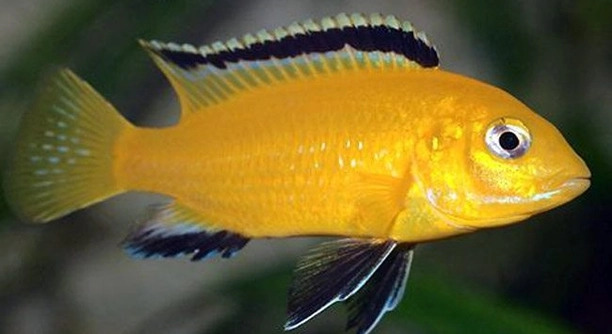
Electric yellow cichlids are known for their bright color and lively behavior in home aquariums. Observing their body language can reveal moods, intentions, and interactions with other fish, even when signs are subtle and easy to miss.
Electric yellow cichlids communicate through subtle body movements such as fin flicks, body tilts, color changes, and positioning. Recognizing these cues allows aquarists to understand stress levels, social hierarchy, and breeding readiness, improving overall care and tank management.
Learning to read these quiet signals enhances your experience as a fish keeper. Observing them carefully can strengthen your understanding of their behavior and environment.
Raised Fins and Flared Gills
When electric yellow cichlids raise their fins or flare their gills, it is usually a sign of alertness or mild aggression. I’ve noticed that in my tank, these movements happen more often during feeding or when a new fish is introduced. Raised fins make the fish appear larger and more dominant, while gill flaring shows readiness to defend territory. It’s important to observe the context, as these signals can also indicate excitement rather than aggression. Watching closely allows you to respond appropriately, such as adjusting tank space or monitoring interactions between fish. Over time, you learn to distinguish playful displays from serious territorial disputes. This understanding helps maintain harmony in the tank. Some cichlids may flare briefly and settle, while others persist, signaling the need for closer supervision. Observing these behaviors regularly improves not only your knowledge but also the comfort and safety of your fish.
Recognizing these signs early helps prevent fights and reduces stress in the aquarium environment.
Consistent observation is key to interpreting fin and gill displays. If a fish flares regularly at the same tank area, it may indicate a preferred territory or a spot where food is usually placed. Occasionally, multiple fish will flare together, showing a hierarchy forming among them. Providing hiding spaces or rearranging decorations can minimize conflicts. Over time, fish adjust to each other, and displays may become shorter or less frequent. Understanding these movements allows better management of feeding routines, tank layout, and overall fish health, creating a more balanced environment for everyone.
Body Tilt and Posture
Body tilts can show submission or interest, depending on the angle. Observing these angles can tell a lot about social interactions.
Electric yellow cichlids often tilt their bodies when approaching other fish or objects. A slight downward tilt can signal caution or deference, while a forward tilt may show curiosity or readiness to engage. In my experience, tilts often accompany slow, deliberate movements that indicate the fish is assessing its surroundings. This posture can also appear during feeding, as the fish leans toward a food source, signaling intent without aggression. Watching these subtle shifts over time reveals patterns in behavior, such as which fish tends to dominate a certain area or which prefers hiding spots. Posture changes are also linked to breeding behavior, as tilts can show receptiveness between mates. By noting these small details, it becomes easier to anticipate interactions and adjust tank care to reduce stress. Overlooking them can result in misunderstandings between fish, leading to avoidable squabbles and tension within the tank.
Color Intensity Changes
Color changes often reflect mood or health. Electric yellow cichlids may darken when stressed or pale when relaxed, making it easier to read their current state in the tank.
I’ve seen my cichlids’ color deepen when establishing dominance or defending territory. This change can be sudden, especially when new fish are introduced, or when the tank environment shifts. Stressful conditions, like poor water quality or overcrowding, also cause noticeable fading. Bright, consistent coloration usually indicates content and healthy fish. By watching these shifts, I can respond quickly to prevent conflict or discomfort. Adjusting tank temperature, cleaning regularly, and monitoring diet helps maintain vibrant colors.
Color changes can also signal readiness to breed. Males often show brighter shades to attract females or signal fitness. Tracking these variations over time helps understand individual personalities and social dynamics. Recognizing patterns improves daily care, allowing me to anticipate behavior, reduce stress, and foster a more harmonious tank environment.
Fin Quivering and Trembling
Fin quivering can show excitement, stress, or preparation for movement. Observing the speed and duration reveals the fish’s immediate reaction.
I often notice my cichlids quiver during feeding or when encountering reflections in the tank glass. Short, occasional trembles usually indicate alertness or mild curiosity, while prolonged quivering may point to irritation or nervousness. In some cases, trembling accompanies displays of courtship, showing readiness to interact with a mate. Recognizing the difference between stress-induced quivering and natural behavior is important for tank management. Adjustments like rearranging decorations, providing hiding spots, or reducing sudden movements near the tank often calm the fish and prevent escalation.
Quivering also communicates subtle social cues. Dominant fish may quiver to assert presence, while subordinate fish respond by retreating or flattening fins. Monitoring these interactions allows me to identify potential conflicts and manage space to minimize aggression. Over time, I can anticipate reactions and maintain balance within the group. Fin trembling is a small gesture, but it speaks volumes about mood, social standing, and overall well-being in the aquarium.
Tail Flicks
Tail flicks often signal agitation or warning to other fish. They can be subtle or rapid, depending on the situation and the fish’s mood.
I notice my cichlids flick their tails when a new fish approaches their territory or during feeding. These movements are usually brief, but repeated flicks indicate heightened alertness or mild irritation. Watching for this behavior helps me gauge when to give the fish more space or adjust tank arrangements. Tail flicks are a simple, clear signal that communicates intent without aggression, allowing me to respond appropriately and maintain a calmer tank environment.
Head Shakes
Head shakes can indicate irritation or attempts to remove debris. Observing frequency and context reveals the underlying cause.
When my cichlids shake their heads, it’s often to clear food particles or tiny irritants from their mouths. Sometimes the behavior occurs near other fish, showing minor frustration or asserting presence. Repeated head shaking can also indicate water quality issues or mild stress. Monitoring this behavior helps me adjust feeding routines, clean the tank more thoroughly, or provide extra hiding spaces. Understanding these subtle signs ensures the fish remain healthy and comfortable, reducing potential conflicts and maintaining a balanced environment.
Slow Circling
Slow circling is often a territorial or mating-related behavior. It allows fish to examine their surroundings or signal intentions.
Pectoral Fin Spreading
Pectoral fin spreading signals confidence, curiosity, or mild dominance. Observing these displays helps interpret interactions within the tank.
How can I tell if my electric yellow cichlid is stressed?
Stress in electric yellow cichlids shows through color fading, clamped fins, rapid breathing, and hiding more than usual. I’ve noticed that when water quality drops or tank conditions change, my fish exhibit these behaviors quickly. Observing these subtle shifts daily helps me catch stress early. Reducing sudden changes, keeping water clean, and maintaining proper temperature usually calms them.
Why does my cichlid flare its gills and raise its fins?
Gills flaring and fin raising are common signs of alertness, territorial defense, or mild aggression. I often see my cichlids do this when a new fish enters the tank or during feeding. Short displays usually signal curiosity or mild dominance, while prolonged displays can indicate serious territorial behavior. Responding by monitoring interactions and giving each fish enough space prevents fights.
What does tail flicking mean?
Tail flicks are quick signals of irritation, alertness, or a warning to other fish. In my tank, they appear when one fish comes too close to another’s territory. Subtle, occasional flicks indicate minor agitation, while repeated flicks suggest heightened stress. Watching these movements allows me to adjust tank layout or feeding routines to reduce tension.
Why is my cichlid’s color fading?
Color fading usually reflects stress, illness, or changes in mood. I’ve noticed that poor water quality, overcrowding, or aggressive tankmates can cause my cichlids to lose brightness. Vibrant, consistent coloration is a sign of health. Regular water testing, proper feeding, and keeping stress low help maintain their striking yellow hue.
Is fin quivering normal?
Yes, fin quivering can indicate excitement, stress, or courtship. I often see brief quivers during feeding or when a fish approaches a reflection. Prolonged trembling may signal irritation or environmental discomfort. Observing the context helps me distinguish natural behavior from stress. Adjusting surroundings, like adding hiding spaces, usually reduces excessive quivering.
What does body tilting mean in electric yellow cichlids?
Body tilts are subtle signals showing curiosity, submission, or interest. A slight downward tilt often signals caution, while a forward tilt shows readiness to engage. I’ve noticed tilting during feeding, territory assessment, and courtship. Recognizing these angles helps me anticipate interactions and maintain harmony in the tank.
How can I prevent aggressive behavior in my cichlids?
Aggression often arises from overcrowding, limited hiding spots, or territorial disputes. I make sure my tank has enough space and decorations to allow fish to establish territories without constant conflict. Introducing new fish gradually and monitoring interactions reduces stress. Understanding body language, like fin raising or tail flicks, helps me intervene before fights escalate.
Why does my cichlid shake its head?
Head shaking usually removes debris, but repeated shaking can indicate stress or irritation. I’ve observed that changes in water quality or interactions with more dominant fish often trigger this behavior. Providing clean water and adequate space reduces frequent head shaking and helps maintain fish comfort.
How do I know if my cichlid is ready to breed?
Breeding readiness shows through brighter coloration, body tilting, fin spreading, and occasional quivering. I often notice males displaying these behaviors near females or in specific tank areas. Observing patterns over time helps me identify suitable pairs and prepare the tank for breeding without causing stress to other fish.
What should I do if my cichlids are constantly showing stress signals?
Constant signs like faded colors, clamped fins, or tail flicking mean the environment needs attention. I check water quality, rearrange territories, and ensure enough space. Reducing sudden disturbances and providing hiding spots calms the fish. Regular observation and quick adjustments prevent long-term stress and maintain a healthy, balanced tank environment.
How can I improve communication and understanding of my cichlids’ behavior?
Watching daily interactions, noting color changes, fin movements, and body postures improves understanding. I record patterns in behavior, like when quivering occurs or which fish dominates a territory. This awareness allows me to adjust feeding routines, tank layout, and social arrangements, ensuring all fish remain healthy and stress-free.
Can environmental changes affect subtle body language?
Yes, changes like water temperature shifts, new decorations, or added fish can alter behavior. I’ve seen subtle cues, like tilting or quivering, intensify when conditions change. Monitoring these behaviors helps me respond quickly, maintaining balance and reducing aggression or stress within the aquarium.
How often should I observe my cichlids for subtle signs?
Daily observation is ideal. Short, consistent checks allow me to notice shifts in color, fin movements, and posture. This practice helps catch early signs of stress, illness, or aggression, ensuring interventions are timely and fish remain comfortable in their environment.
Are some cichlids more expressive than others?
Yes, individual temperament affects body language. Some fish are naturally bold, frequently displaying raised fins or color changes, while others are shy and subtle. Recognizing personality differences helps me manage interactions, provide proper space, and prevent conflicts, creating a calmer, healthier aquarium overall.
This FAQ section covers the most common subtle signs and behaviors I’ve noticed in electric yellow cichlids. Understanding these cues improves fish care and enhances observation skills, making tank management more effective and rewarding.
Observing electric yellow cichlids closely reveals that much of their communication is subtle. Their body language, from raised fins to tail flicks, tells a story about mood, stress, or social interactions. I have spent countless hours watching my own fish, noticing how even a small fin movement or color change can indicate confidence, curiosity, or tension. Understanding these cues allows me to respond appropriately, whether that means giving a fish space, adjusting tank decorations, or monitoring water quality. Over time, these small observations build a clearer picture of the relationships and personalities within the tank. It is easy to overlook these details at first, but paying attention consistently makes caring for the fish more rewarding and helps maintain a peaceful environment.
One of the most important lessons I’ve learned is that context matters. A single behavior, like a fin quiver or body tilt, may not mean much on its own. However, observing patterns over time reveals the meaning behind each gesture. For example, repeated gill flaring often signals territorial behavior, while a sudden color darkening may indicate stress or illness. Providing adequate space, hiding spots, and monitoring the water environment reduces conflicts and keeps the fish comfortable. I have also noticed that certain behaviors, like slow circling or pectoral fin spreading, can indicate readiness to breed or assert dominance. Recognizing these subtle signals makes it easier to manage tank dynamics, prevent unnecessary stress, and support healthy growth.
Ultimately, understanding electric yellow cichlids’ body language enhances the experience of keeping them. It requires patience and attention to detail, but the payoff is significant. By learning to read these subtle signs, I can anticipate potential issues, improve tank conditions, and ensure each fish feels safe. Observing daily behavior, noting individual personalities, and responding thoughtfully creates a balanced environment that encourages natural behavior. Subtle cues, while small, carry important information about health, social structure, and mood. Paying attention to these details not only helps the fish thrive but also deepens the connection between caretaker and pet, making the aquarium more engaging, enjoyable, and harmonious.

Hello,
If you enjoy the content that we create, please consider saying a "Thank You!" by leaving a tip.
Every little bit helps us continue crafting quality advice that supports the health, happiness, and well-being of pets around the world, for pets of all shapes, sizes, and species.
We really appreciate the kindness and support that you show us!