
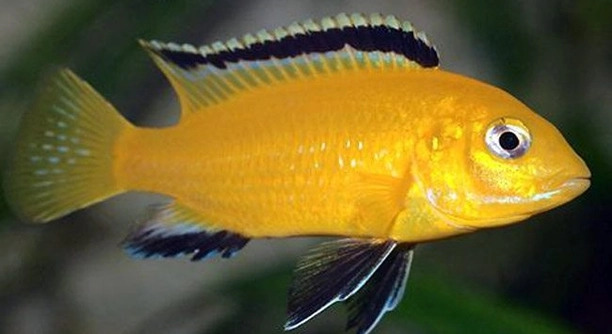
Many aquarists enjoy keeping cichlids but often face challenges setting up their tanks correctly. Even with the best intentions, small mistakes in preparation can lead to stress and health issues for the fish.
Common overlooked tank setup mistakes include improper water parameters, inadequate filtration, insufficient hiding spaces, wrong substrate choices, overstocking, incompatible tank mates, and ignoring regular maintenance schedules. Addressing these issues ensures a healthier and more stable environment for cichlids.
Learning to spot and fix these mistakes early can prevent long-term problems and help cichlids thrive. Simple adjustments often make a significant difference in their wellbeing.
Ignoring Water Parameters
Water quality is one of the most critical factors for cichlids. Many aquarists focus on aesthetics and forget that cichlids are sensitive to pH, hardness, and temperature. Keeping a tank without monitoring these parameters can lead to stress, poor growth, and disease. Even small fluctuations in pH or ammonia can weaken fish over time. Cichlids from African rift lakes, like Mbunas, need hard, alkaline water, while South American species, such as Angelfish, prefer softer, slightly acidic conditions. Using a reliable test kit and adjusting water chemistry gradually is essential. Temperature is equally important; most cichlids thrive between 24-28°C (75-82°F). Sudden drops or spikes can trigger immune issues and unusual behavior. Establishing consistent water quality before adding fish reduces long-term problems. Conditioning tap water with appropriate treatments to remove chlorine or heavy metals also helps maintain a safe environment. Overall, attention to water parameters is not optional—it is fundamental to successful cichlid keeping.
Monitoring water parameters consistently allows fish to stay healthy and reduces stress-related issues.
Even minor changes in water quality can significantly impact cichlids’ behavior, appetite, and lifespan. Regular testing and adjustments prevent long-term health problems and help maintain a stable, thriving tank. Small daily or weekly routines, like checking pH and ammonia, can make a huge difference in their overall wellbeing. Keeping water within ideal ranges ensures cichlids display natural colors, breed successfully, and interact normally. Neglecting these details often results in recurring illnesses that are harder to treat. By understanding the specific needs of each species, aquarists can create a more predictable environment, which reduces stress for the fish. Using water conditioners, filters, and regular partial water changes supports a balanced ecosystem. Patience and observation are key; watching how fish respond to water conditions provides valuable feedback. In combination with proper diet and tank setup, controlling water parameters forms the foundation for a stable cichlid tank and long-term fish health.
Overcrowding the Tank
Overcrowding seems harmless at first but can create ongoing problems.
Too many cichlids in one tank lead to aggression, poor water quality, and stunted growth. Territorial species need space to establish dominance.
Cichlids are naturally territorial, and placing too many in a confined space intensifies fights, stress, and injuries. Overcrowding also increases ammonia and nitrate levels, even with strong filtration. This worsens water quality and weakens fish immunity. When space is limited, shy species may hide constantly, refusing to feed. To avoid overcrowding, calculate the adult size of each species and provide adequate swimming and hiding areas. Rocks, caves, and driftwood can help, but cannot replace space. For mixed-species tanks, consider compatibility and the number of individuals per species. Overstocked tanks require more frequent maintenance, which can be exhausting and still may not prevent long-term health issues. Balancing the number of fish with tank size ensures peaceful interactions and a more natural environment. Learning the correct stocking levels improves fish wellbeing and reduces constant stress in the aquarium.
Inadequate Filtration
Filtration is often underestimated, but cichlids produce a lot of waste. Poor filtration can quickly lead to toxic water, stressing fish and encouraging algae growth.
Choosing the right filter means considering tank size, fish load, and water flow. Mechanical filtration removes debris, biological filtration supports beneficial bacteria, and chemical filtration helps control toxins. Overpowered flow can stress some cichlid species, while too weak a filter won’t handle waste properly. Regular maintenance, like rinsing media in tank water, keeps the system effective. Skipping filter upkeep can undo all other tank preparations, making water conditions unstable and harmful over time. Filters are the backbone of a healthy aquarium, especially for larger, messy species.
Even with frequent water changes, an underperforming filter cannot maintain long-term stability. Cichlids thrive in clean, well-oxygenated water, and a strong, well-maintained filter is critical. Without it, ammonia spikes, cloudy water, and bacterial issues become constant problems. Observing fish behavior, like gasping at the surface or lethargy, often signals filtration problems. A proper filter ensures water stays clear, reduces maintenance effort, and allows cichlids to grow and behave naturally. Investing in a reliable system pays off with healthier, more vibrant fish over time.
Filters also influence tank balance beyond waste removal. They support nitrifying bacteria that convert harmful ammonia into less toxic compounds, stabilizing the environment. Placement matters too—ensuring proper circulation without stressing fish encourages even distribution of heat and oxygen. Using sponge pre-filters prevents small fish or fry from being sucked in. Over time, adjusting filter media to match changing bioload keeps efficiency high. Skipping these details can cause chronic stress, disease outbreaks, and shorter lifespans. Cichlids respond noticeably to improved filtration, showing brighter colors, active behavior, and successful breeding. A thoughtfully set up and maintained filter supports the entire ecosystem, making every other aspect of tank care easier.
Ignoring Hiding Spaces
Hiding spaces reduce stress and aggression among cichlids, allowing shy fish to feel secure. Without them, fights and injuries increase.
Cichlids are territorial and need places to retreat. Rocks, caves, plants, or driftwood create boundaries and visual breaks, reducing stress and dominance disputes. Even a few simple hiding spots can dramatically improve fish interactions. Lack of shelter can lead to constant chasing, poor feeding, and weaker immunity. Providing multiple retreats ensures all fish have a safe area and encourages natural behavior.
Well-placed hiding spots influence breeding success and overall health. For breeding pairs, caves or enclosed spaces provide secure sites for egg-laying and fry protection. Territorial species, like Mbunas, benefit from multiple rock piles to reduce constant aggression. Dense plant clusters help South American cichlids feel safe. Hiding spaces also help manage aggression by giving subordinate fish areas to escape. Even small decorations or rearranged rocks can break line-of-sight, calming stressed fish. Over time, observing which areas fish prefer informs future tank adjustments. Properly structured spaces maintain a peaceful environment, support natural behavior, and enhance visual appeal, making the tank healthier for everyone.
Wrong Substrate Choice
Substrate affects cichlid behavior, breeding, and water chemistry. Choosing the wrong type can stress fish or alter tank pH.
Sand or fine gravel is ideal for digging species, while sharp gravel can harm delicate mouths. Matching substrate to species needs improves comfort and natural activity.
Overlooking Tank Maintenance
Regular maintenance keeps cichlids healthy. Skipping water changes or cleaning leads to toxin buildup, algae growth, and disease. Consistent schedules for partial water changes, filter cleaning, and substrate vacuuming stabilize the environment. Even small, routine efforts prevent long-term problems and make the tank easier to manage.
Incompatible Tank Mates
Some cichlid species cannot coexist peacefully. Aggressive or territorial fish can harm others, causing injuries or stress. Researching compatibility before adding new fish prevents conflict. Matching temperament, size, and territory needs ensures a balanced and stable aquarium environment.
Improper Feeding
Overfeeding or using the wrong diet weakens fish health and pollutes water. Providing species-specific food in controlled amounts supports growth, immunity, and natural behavior. Consistency and variety in feeding routines are key to keeping cichlids thriving.
FAQ
What is the best way to test water parameters for cichlids?
Using reliable test kits is essential. Test pH, ammonia, nitrites, and nitrates regularly. Digital meters or liquid test kits provide accurate readings. Take measurements at the same time each week for consistency. Adjust water slowly when levels are outside the ideal range.
How often should I perform water changes?
Partial water changes of 20-30% weekly are generally recommended. Overcrowded tanks or heavily stocked aquariums may need more frequent changes. Clean water supports fish health, reduces toxins, and helps maintain stable pH and hardness levels. Always treat tap water before adding it to the tank.
Which filtration system works best for cichlids?
A combination of mechanical, biological, and chemical filtration works well. Canister filters are strong for larger tanks, while hang-on-back filters suit smaller setups. Ensure the filter is rated for your tank size. Regular maintenance keeps it efficient and prevents water quality issues.
How can I reduce aggression among cichlids?
Provide plenty of hiding spaces and territorial markers. Rock formations, caves, and plants help break line-of-sight. Avoid overcrowding, and choose compatible species. Introducing new fish carefully and monitoring behavior can prevent fights. Rearranging decorations occasionally can also help reset territories.
What type of substrate is best for digging species?
Fine sand or smooth gravel is ideal. It allows fish to dig without injuring themselves. Avoid sharp gravel that can damage delicate mouths. Substrate should also support plant growth if you include live plants. Depth should match the species’ digging habits.
How do I know if my tank is overstocked?
Signs include constant aggression, poor water quality, and stressed fish. Overstocking increases ammonia and nitrate levels even with strong filtration. Research adult size and space needs for each species. Providing adequate swimming room and hiding spots reduces stress and improves overall health.
What should I feed my cichlids?
Feed a balanced, species-appropriate diet. Include pellets, flakes, and occasional frozen or live foods. Avoid overfeeding, as leftover food pollutes the water. Monitor fish appetite and adjust portions. Variety supports growth, color, and immune health. Some herbivorous species need more vegetable matter.
Can I keep different cichlid species together?
Compatibility depends on temperament, size, and territorial behavior. Aggressive species may harm smaller or shy fish. Research each species’ needs before mixing. Provide ample hiding spaces and visual breaks to reduce conflict. Observing fish closely helps catch issues early.
How do I maintain stable water temperature?
Use a reliable heater and thermometer. Most cichlids prefer 24-28°C (75-82°F). Avoid sudden temperature swings, which stress fish and lower immunity. Insulate the tank from drafts and direct sunlight when possible. Consistency is more important than precise numbers.
What are common signs of stress in cichlids?
Stress manifests as color fading, hiding, loss of appetite, and unusual swimming patterns. Aggression or lethargy can also indicate problems. Check water parameters, tank mates, and feeding routines. Correcting environmental issues quickly prevents long-term health problems.
How often should I clean the substrate?
Vacuuming the substrate during water changes removes detritus and leftover food. Focus on areas where fish feed heavily or dig. Avoid disturbing beneficial bacteria too much; gentle cleaning preserves tank balance. Frequency depends on tank size and fish load.
Do decorations affect cichlid behavior?
Yes, rocks, caves, and plants shape territories and reduce aggression. Rearranging structures occasionally helps reset dominance hierarchies. Avoid overcrowding decorations, which can limit swimming space. Properly placed decorations support natural behaviors, breeding, and hiding needs.
How can I prevent algae growth in a cichlid tank?
Control lighting duration and intensity, avoid overfeeding, and maintain water quality. Fast-growing plants can outcompete algae. Regular water changes and cleaning surfaces help. Algae-eating species can assist but should complement, not replace, good tank maintenance practices.
What is the ideal pH for African versus South American cichlids?
African cichlids usually prefer alkaline water, pH 7.8-8.6, with moderate hardness. South American species often thrive in softer, slightly acidic water, pH 6.5-7.2. Adjust slowly to prevent stress. Testing regularly ensures stability for optimal health.
How do I encourage breeding in cichlids?
Provide species-specific hiding spaces and optimal water conditions. Separate breeding pairs if needed and ensure proper diet. Stable water parameters, clean environment, and reduced stress increase the likelihood of successful spawning. Observing natural behaviors helps determine readiness.
Can cichlids live in community tanks?
Some can, depending on temperament. Choose species with compatible aggression levels, size, and water requirements. Avoid mixing overly aggressive or territorial fish. Provide sufficient space and hiding spots to maintain balance. Continuous monitoring is crucial to prevent injuries or stress.
How do I prevent overfeeding?
Feed small portions that fish can consume within 2-3 minutes, 1-2 times daily. Remove leftover food immediately. Overfeeding leads to poor water quality, obesity, and disease. Adjust portions based on activity, species, and tank conditions.
What’s the best way to acclimate new cichlids?
Float the bag in the tank to equalize temperature, then gradually mix tank water with bag water over 30-60 minutes. This reduces shock from temperature and water chemistry differences. Slowly introducing fish minimizes stress and increases survival rates.
How can I spot early signs of disease?
Look for color changes, frayed fins, abnormal swimming, or rapid gill movement. Early detection allows treatment before widespread infection. Isolate affected fish if necessary and check water conditions. Prompt action improves recovery chances and protects the tank.
Why do cichlids dig or move substrate?
Digging is natural behavior for territory establishment, breeding, and searching for food. It’s normal and healthy if substrate is safe. Observing digging patterns can indicate comfort or stress levels and help in designing hiding spaces.
How important is tank size for cichlids?
Tank size directly affects behavior, aggression, and water quality. Larger tanks reduce stress and allow natural activity. Always research adult size and social needs of each species. Proper space improves health, color, and longevity.
Can I mix plant types with cichlids?
Yes, but select hardy species. Cichlids may uproot or nibble on delicate plants. Fast-growing or anchored plants survive better. Strategic placement provides shelter while withstanding digging and territorial behavior.
How do I maintain stable nitrate levels?
Regular water changes, proper filtration, and avoiding overfeeding reduce nitrate buildup. Nitrates above safe limits weaken fish immunity and promote algae. Monitoring and maintaining balance ensures long-term tank health.
Is it necessary to quarantine new cichlids?
Yes, quarantining for 2-4 weeks prevents introducing diseases. Observe behavior, check for parasites, and treat if necessary. Quarantine protects the main tank and reduces stress on existing fish.
How do I encourage natural behavior in cichlids?
Provide appropriate substrate, hiding spots, compatible tank mates, and proper diet. Observing their interactions and mimicking natural environments encourages digging, foraging, and breeding behaviors. A balanced environment improves wellbeing and reduces stress.
What common mistakes reduce cichlid lifespan?
Ignoring water parameters, overstocking, poor filtration, improper diet, lack of hiding spaces, and skipping maintenance all shorten lifespan. Addressing these areas ensures healthier, longer-living fish. Consistency and observation are key to preventing these issues.
How can I improve water circulation without stressing fish?
Use adjustable filters or multiple outlets to create gentle flow. Avoid direct strong currents in areas where fish rest. Proper circulation supports oxygenation, reduces dead zones, and maintains stable water chemistry.
What is the best approach for feeding fry?
Offer finely crushed flakes, powdered food, or specialized fry diets. Feed small amounts frequently to encourage growth. Maintain water quality with careful portioning and regular cleaning. Provide hiding spots to protect fry from adult aggression.
How do I balance tank decoration and swimming space?
Include enough rocks, caves, or plants for hiding without restricting open swimming areas. Rearrange decorations if needed. Fish need both territory and free space to reduce aggression and encourage natural movement.
Can cichlids adapt to gradual water changes?
Yes, slow adjustments prevent stress. Sudden changes in pH, hardness, or temperature can harm immunity and behavior. Gradually altering water conditions over days or weeks allows safe adaptation.
What role does lighting play in cichlid tanks?
Lighting affects plant growth, algae, and fish behavior. Moderate, consistent light cycles support natural patterns. Avoid excessive brightness or prolonged periods to reduce stress and algae overgrowth. Balanced lighting highlights colors and encourages healthy activity.
How do I prevent fungal infections?
Maintain clean water, avoid injuries, and provide a stress-free environment. Quarantine new fish and treat promptly if infections appear. Healthy water parameters and minimal stress reduce fungal risks.
Why do some cichlids hide constantly?
Constant hiding usually indicates stress, poor water quality, aggression, or incompatible tank mates. Adjust hiding spaces, check parameters, and monitor social interactions to identify the cause. Providing safe retreats helps them feel secure.
Can I breed cichlids in a community tank?
Yes, but only certain species with proper hiding spots and minimal aggression. Breeding pairs may require isolation to protect eggs or fry. Observing behavior ensures success without conflict.
How important is consistency in tank care?
Consistency in feeding, water changes, and observation reduces stress and supports stable water conditions. Inconsistent care often leads to disease, aggression, and poor growth. Routine habits ensure long-term health and wellbeing.
What’s the best way to introduce new fish?
Acclimate slowly to water parameters, use quarantine when possible, and observe behavior closely. Introducing fish gradually prevents stress, aggression, and disease spread. Proper timing and method improve survival rates and reduce conflict.
How can I reduce nitrate spikes after feeding?
Feed small portions that are consumed quickly, vacuum uneaten food, and maintain efficient filtration. Frequent partial water changes help maintain balance. Avoid overstocking to minimize waste accumulation.
How do I handle aggressive outbreaks?
Separate or rearrange fish when fights occur. Provide additional hiding spots or visual barriers. Monitor tank dynamics and adjust stocking or décor as needed to reduce territorial conflicts.
Why do cichlids change color suddenly?
Color changes often signal stress, illness, aggression, or breeding readiness. Observing environmental factors, tank mates, and water quality helps determine the cause. Correcting issues restores natural coloration.
How do I prevent overgrowth of plants or algae?
Balance light, nutrients, and water flow. Trim plants regularly and control feeding. Fast-growing plants compete with algae, while maintaining water quality reduces nutrient spikes that fuel growth.
Can I keep fry with adult cichlids?
Usually not, as adults may eat fry. Provide separate rearing tanks or secure breeding caves. Observing species-specific behavior ensures fry survival. Safe hiding spaces and careful tank management improve outcomes.
How can I reduce stress during tank cleaning?
Perform partial water changes slowly, avoid sudden decoration moves, and handle fish minimally. Keep filtration running and maintain stable temperature. Calm routines prevent panic and health issues.
What is the ideal diet for herbivorous cichlids?
Focus on vegetable matter, spirulina, and plant-based flakes. Supplement with occasional protein sources if needed. Avoid overfeeding and provide variety to maintain growth, coloration, and digestive health.
How do I identify water-borne parasites?
Look for flashing, clamped fins, white spots, or abnormal swimming. Quarantine suspected fish and treat promptly. Maintaining clean water reduces parasite outbreaks. Observation and early intervention prevent spread.
How can I optimize breeding conditions?
Stabilize water parameters, provide secure hiding spaces, and feed high-quality, varied diets. Reduce stress and monitor interactions. Observing signs of readiness and adjusting the environment supports successful spawning.
What precautions should I take when moving cichlids?
Use temperature-controlled bags, minimize transit time, and acclimate slowly. Avoid overcrowding and sudden water changes. Proper handling prevents stress, injury, and immune suppression.
How do I prevent fin nipping?
Provide ample space, compatible tank mates, and hiding spots. Avoid overcrowding. Monitor aggression and separate persistent nippers. Stress-free environments reduce fin damage.
Can cichlids thrive without live plants?
Yes, if hiding spaces, water quality, and diet are maintained. Live plants add enrichment and natural aesthetics but are not strictly necessary for fish health.
How do I measure fish growth and health?
Observe size, coloration, behavior, and appetite. Healthy growth is gradual and consistent. Deviations indicate stress, poor nutrition, or water issues. Regular monitoring helps catch problems early.
What’s the best way to treat minor injuries?
Isolate injured fish, maintain clean water, and use appropriate aquarium-safe treatments. Monitor recovery and prevent further aggression. Quick care prevents infection and long-term damage.
How can I balance community dynamics in a mixed cichlid tank?
Match species by size, temperament, and territory needs. Provide sufficient hiding spots, visual breaks, and space. Observe interactions and adjust stocking or décor to reduce conflicts. Proper planning fosters stable coexistence.
Why do cichlids sometimes dig up plants?
Digging is natural and part of territory establishment. Anchoring plants, using heavier substrate, or choosing hardy species minimizes damage while allowing natural behavior.
How do I maintain a visually appealing tank while supporting fish health?
Balance décor, substrate, and plants to create hiding spots without overcrowding. Stable water, proper feeding, and attention to behavior maintain both aesthetics and wellbeing. Natural layouts reduce stress and encourage activity.
What are signs of overfeeding in cichlids?
Cloudy water, uneaten food, weight gain, and increased waste indicate overfeeding. Adjust portions and feeding frequency to prevent water quality issues and maintain fish health.
How important is observation in cichlid care?
Daily observation helps identify illness, stress, or aggression early. Noticing subtle changes in behavior or appearance allows timely intervention, preventing bigger problems. Consistent monitoring is critical for a healthy tank.
How do I prevent sudden water parameter changes?
Introduce changes gradually, monitor parameters frequently, and use stable water sources. Avoid mixing untreated tap water directly into the tank. Consistency protects fish from stress and disease.
How can I encourage social interaction without aggression?
Provide adequate space, hiding spots, and compatible species. Rearrange décor periodically to break established dominance lines. Observing fish ensures balance while allowing natural behaviors.
What’s the most common mistake new cichlid keepers make?
Neglecting water quality, overstocking, and ignoring species-specific needs are frequent errors. Proper planning, observation, and consistent care prevent these mistakes and support long-term fish health.
How do I know when a cichlid is ready to breed?
Pairs display courtship behaviors, color intensification, and territory defense. Observing nesting or digging activity indicates readiness. Ensuring optimal water conditions and hiding spaces encourages spawning success.
How should I adjust feeding during breeding?
Increase nutrient-rich, high-protein foods while monitoring water quality. Feed small, frequent portions to support energy needs without polluting the tank. Proper diet encourages successful egg development and fry growth.
How do I prevent fish stress during social hierarchy changes?
Provide visual barriers, hiding spots, and gradual introductions for new fish. Avoid sudden rearrangements or overcrowding. Monitoring interactions and separating aggressive individuals minimizes injuries and stress.
What’s the ideal lighting schedule for cichlids?
Around 8-10 hours daily promotes natural activity and plant growth. Gradual transitions help reduce stress, maintain circadian rhythms, and prevent algae overgrowth. Adjust according to tank conditions.
How do I maintain stable water hardness?
Use substrates, additives, or buffers appropriate for the species. Test regularly and make slow adjustments. Hardness affects pH stability and overall fish health, particularly for African cichlids.
Can cichlids live in brackish water?
Most prefer freshwater, but a few tolerate slightly brackish conditions. Research species requirements carefully. Sudden salinity changes can harm or kill freshwater cichlids. Gradual adaptation is essential if needed.
How do I prevent nutrient deficiencies in cichlids?
Feed a balanced, species-specific diet with variety. Supplement with vegetables, protein, or fortified foods as needed. Monitor growth, color, and behavior to adjust diet appropriately.
What is the best method for cleaning tank decorations?
Rinse in tank water or use a soft brush. Avoid chemicals that can harm fish. Regular cleaning prevents algae buildup and preserves aesthetic appeal while maintaining safety.
How do I handle sudden aggression outbreaks?
Isolate aggressive individuals, provide additional hiding spots, and rearrange territories. Observe social dynamics and adjust stocking levels or décor as needed to restore balance.
How can I keep cichlids healthy long-term?
Maintain stable water conditions, proper diet, adequate space, and regular observation. Address issues promptly, provide hiding spots, and avoid overcrowding. Consistency ensures vitality, natural behavior, and long lifespans.
How do I choose compatible species for a tank?
Consider temperament, adult size, territorial behavior, and environmental needs. Provide enough space, hiding spots, and visual breaks. Monitoring interactions ensures harmony and reduces stress.
Can I use artificial plants with cichlids?
Yes, they provide hiding spaces without risk of being uprooted. Choose durable materials to withstand digging and aggressive behavior. Artificial plants supplement décor while supporting natural habits.
What’s the role of diet variety in cichlid health?
Variety ensures proper nutrition, supports coloration, and boosts immunity. Mixing flakes, pellets, and occasional live or frozen foods meets species-specific needs. Limited diets can cause deficiencies and weakened health.
How do I prevent fungal infections during breeding?
Maintain clean water, provide secure nesting sites, and avoid overcrowding. Quarantine new fish and treat eggs if necessary. Stress reduction and stable water parameters prevent outbreaks.
How can I tell if a fish is stressed from tank mates?
Signs include hiding, reduced feeding, color fading, or erratic swimming. Adjust stocking, provide hiding spots, or separate aggressive fish to alleviate stress. Observation helps maintain harmony.
How often should I test water parameters?
Weekly testing is ideal, with more frequent checks for new setups or high bioload tanks. Monitoring ammonia, nitrite, nitrate, pH, and hardness ensures stability. Prompt adjustments prevent stress and illness.
What is the most effective way to prevent overpopulation?
Separate sexes, manage breeding pairs carefully, and remove or
Setting up a cichlid tank is more than just filling it with water and adding fish. Every detail matters, from water quality to tank mates, substrate, and decorations. Overlooking these small aspects can lead to stress, illness, or even shortened lifespans. Cichlids are sensitive creatures, and they respond to changes in their environment in visible ways. Paying attention to water parameters, filtration, and temperature creates a stable foundation. Even small mistakes, like improper pH or overfeeding, can cause ongoing issues that are harder to correct later. Regular testing and monitoring allow you to catch potential problems before they escalate, giving the fish a safer and more comfortable home. Taking time to understand the needs of each species ensures that they can display natural behaviors, grow properly, and interact without constant stress.
Equally important is tank structure and stocking. Overcrowding is a frequent problem that many people do not notice until fish begin showing signs of aggression or hiding constantly. Providing adequate space, hiding spots, and compatible tank mates helps reduce conflicts and supports healthy social interactions. Decorations, caves, and plants are not just for looks—they allow fish to claim territory and retreat when stressed. Even substrate choice plays a role in behavior, particularly for digging or breeding species. Cichlids engage with their environment, and when their surroundings match their natural preferences, it improves wellbeing. Filtration and regular maintenance are equally crucial. A well-maintained filter and frequent water changes reduce toxins, control algae growth, and support beneficial bacteria. Consistency in these routines prevents fluctuations that could negatively impact fish health.
Feeding practices and observation are the final pieces of maintaining a successful tank. Overfeeding, inappropriate diets, or irregular feeding schedules can lead to water quality issues and nutritional deficiencies. Providing a balanced diet suited to each species helps fish grow, maintain color, and stay immune to disease. Daily observation allows you to notice early signs of stress, illness, or aggression, which can be addressed before they become serious problems. Small adjustments, whether to diet, décor, or stocking, often have significant effects. Caring for cichlids requires patience, attention to detail, and regular effort, but the results are rewarding. Healthy, vibrant fish that display natural behaviors create a more enjoyable and dynamic aquarium. By focusing on proper water management, compatible tank mates, suitable environments, and balanced feeding, it is possible to maintain a stable, thriving tank for years. This approach not only benefits the fish but also makes the experience of keeping them more satisfying and manageable.

Hello,
If you enjoy the content that we create, please consider saying a "Thank You!" by leaving a tip.
Every little bit helps us continue crafting quality advice that supports the health, happiness, and well-being of pets around the world, for pets of all shapes, sizes, and species.
We really appreciate the kindness and support that you show us!