
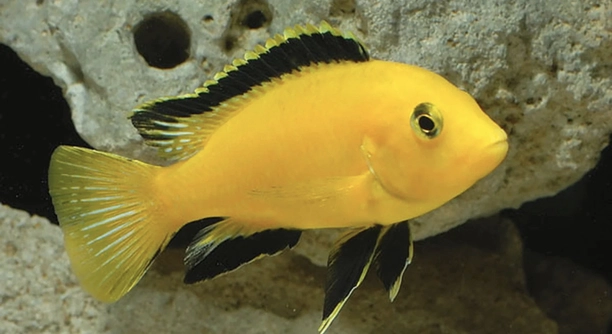
Do you enjoy keeping vibrant aquariums but find yourself wondering how to provide the healthiest diet for your electric yellow cichlids? Feeding them natural foods can improve their color, behavior, and overall well-being in subtle ways.
Electric yellow cichlids benefit from natural foods that can be grown at home, including leafy greens, spirulina, peas, zucchini, cucumber, dandelion, and blanched vegetables. These foods provide essential nutrients, promote growth, enhance coloration, and support digestive health.
Understanding the types of foods that thrive in your garden can help you consistently nourish your cichlids. Incorporating homegrown options simplifies feeding while boosting fish vitality naturally.
Leafy Greens
Leafy greens are an excellent addition to an electric yellow cichlid’s diet. Spinach, kale, and romaine lettuce are easy to grow and provide essential vitamins such as A, C, and K. These nutrients support immune health, improve digestion, and enhance coloration. Before feeding, rinse the leaves thoroughly to remove any pesticides or residues. Blanching or lightly steaming the greens can make them easier for your cichlids to digest, particularly for younger or smaller fish. Incorporating leafy greens two to three times a week ensures a balanced intake of nutrients without overloading their digestive system. Additionally, greens can be frozen for later use, which helps maintain a steady supply even when fresh leaves are limited. Using a variety of greens also prevents monotony in the diet, encouraging more active feeding behavior. Observing how your cichlids interact with different greens can help you determine which types they prefer, ensuring they receive proper nutrition consistently.
Leafy greens contribute essential fiber and vitamins that improve digestive function and overall health in electric yellow cichlids, making them a practical dietary choice.
Introducing leafy greens to your aquarium routine is simple. Cut them into small, manageable pieces or tie larger leaves to a feeding clip to prevent waste. Rotate different types each week to maintain variety and nutrient balance. Regular observation helps you gauge intake and adjust portion sizes, preventing uneaten food from polluting the tank. Growing your own greens ensures they are fresh and chemical-free, reducing health risks. Over time, these small dietary changes lead to stronger, more vibrant cichlids with improved behavior and vitality, while also providing a sustainable, cost-effective feeding solution.
Spirulina
Spirulina is a highly nutritious algae that supports color enhancement and growth in electric yellow cichlids.
Spirulina can be grown in shallow tanks or purchased in dried form and added to flakes or pellets. It is rich in protein, vitamins, and minerals, promoting strong immune systems and vibrant yellow coloration. Feeding small amounts regularly prevents overfeeding and maintains water quality. Its natural pigments enhance the fish’s appearance, making them more visually striking. Spirulina also supports gut health due to its digestible proteins and nutrient density. It is particularly beneficial for juvenile cichlids, providing essential nutrients for early development. While some cichlids may initially be hesitant, mixing spirulina with familiar foods encourages acceptance. Over time, it becomes a regular part of their diet, supporting long-term health and vitality. Consistent use of spirulina helps reduce nutritional deficiencies that might occur from relying solely on commercial feeds, ensuring balanced growth and sustained vibrancy in electric yellow cichlids. Proper preparation and portioning are essential to avoid water contamination and maintain a healthy aquarium environment.
Peas
Peas are a simple, nutrient-rich food that electric yellow cichlids enjoy. Removing the outer shell and lightly boiling them makes them easier to digest and prevents digestive blockages, especially in younger fish or those with smaller mouths.
After shelling and boiling peas, mash them slightly before feeding to ensure small portions are accessible. Peas are high in fiber and promote healthy digestion while also providing essential vitamins and minerals. Regular inclusion of peas in the diet can help reduce constipation and improve overall gut health. Feeding in moderation is key to preventing water contamination, as uneaten peas can decay quickly. Observing the cichlids’ reaction helps determine the right portion size and frequency. Combined with other natural foods, peas contribute to a balanced, varied diet that supports growth, coloration, and energy levels consistently.
Using peas as part of a weekly feeding routine ensures a reliable source of digestible fiber. Freezing extra peas allows for easy access and reduces waste, making them a practical addition to your cichlid’s diet. Gradual introduction helps fish adapt, while consistent use supports digestive efficiency and prevents common dietary issues.
Zucchini
Zucchini is easy to grow and provides essential vitamins and hydration for electric yellow cichlids.
Slicing zucchini into thin, manageable pieces makes it simple for cichlids to consume without leaving large leftovers. Lightly steaming or blanching enhances digestibility and maintains nutrient content. Zucchini is rich in vitamin C, antioxidants, and water, supporting immune function and overall health. Regular feeding helps prevent constipation, especially when combined with peas or leafy greens. Observing how your cichlids respond ensures portions are appropriate and reduces the risk of overfeeding. Zucchini also encourages natural foraging behavior, keeping fish active and engaged in the tank environment.
Incorporating zucchini into your feeding schedule adds variety and essential nutrients that improve color vibrancy. Offering it two to three times per week balances diet while maintaining water quality. Combining zucchini with other vegetables like peas and spinach creates a comprehensive, natural feeding plan. Over time, this approach promotes healthy growth, strengthens immunity, and supports sustained energy levels. Preparing extra zucchini for freezing or short-term storage ensures availability and convenience. Tracking fish behavior and consumption helps adjust portions for optimal health.
Cucumber
Cucumber provides hydration and mild nutrients that electric yellow cichlids can easily digest. Slicing it thinly ensures fish can consume it without leaving large pieces in the tank. Regular feeding supports overall health and prevents boredom with the diet.
Offering cucumber occasionally adds variety and moisture. Lightly blanching slices can improve digestibility and encourage more consistent feeding behavior among the cichlids.
Dandelion
Dandelion leaves are rich in vitamins and minerals that aid in digestion and immune function. They can be grown in small garden patches or pots, providing a fresh, natural food source for electric yellow cichlids.
Dandelion leaves can be rinsed thoroughly and lightly blanched before feeding to remove bitterness and soften them. Their high nutrient content supports growth, coloration, and overall vitality. Regular inclusion in the diet ensures cichlids receive essential elements that commercial feeds may lack. Observing consumption helps prevent waste and maintains water quality, making dandelion a practical addition to a balanced feeding plan.
Blanched Vegetables
Blanched vegetables are an easy way to provide soft, digestible nutrients. Vegetables like carrots, squash, and green beans support digestive health and color enhancement in electric yellow cichlids.
What are the best natural foods to grow for electric yellow cichlids?
The best natural foods include leafy greens, spirulina, peas, zucchini, cucumber, dandelion leaves, and other blanched vegetables. These foods provide essential vitamins, minerals, and fiber while promoting growth, coloration, and digestive health. Growing your own ensures freshness and reduces exposure to chemicals.
How should I prepare leafy greens for cichlids?
Rinse greens thoroughly to remove dirt or chemicals. Blanching or lightly steaming them makes digestion easier, especially for young fish. Cut them into small, manageable pieces or attach them to a feeding clip to prevent uneaten leaves from sinking and decomposing in the tank. Rotate different types of greens for nutrient balance.
Is spirulina necessary in a cichlid diet?
Spirulina is highly beneficial but not strictly necessary. It supports vibrant coloration and provides digestible protein and vitamins. Small, consistent portions mixed with regular flakes or pellets encourage acceptance. Overfeeding should be avoided to prevent water contamination and maintain tank health.
Can I feed peas to my cichlids regularly?
Yes, peas can be included two to three times per week. Removing the outer shell and lightly boiling them makes them easier to digest. Peas are high in fiber, which helps prevent constipation. Mash them slightly to ensure all fish can access the food.
How often should I offer zucchini and cucumber?
Offer zucchini and cucumber two to three times a week in thin slices. Light blanching improves digestibility, and rotating them with other vegetables ensures variety. Observing consumption is important to prevent leftovers from polluting the tank and to maintain water quality.
Are dandelion leaves safe for electric yellow cichlids?
Yes, dandelion leaves are safe and highly nutritious. Rinse thoroughly and blanch lightly to remove bitterness. They provide vitamins and minerals that support immunity, digestion, and coloration. Feeding them regularly in moderation adds variety and promotes overall health.
How should blanched vegetables be prepared?
Select vegetables like carrots, squash, or green beans. Wash and cut into small pieces, then blanch briefly in boiling water. This softens them without removing nutrients. Cool before feeding. Blanched vegetables are easier for cichlids to eat and digest, reducing leftover waste in the aquarium.
Can I grow these foods at home easily?
Most of these foods are easy to grow in pots, small garden plots, or shallow containers. Leafy greens and dandelion thrive in moderate sunlight. Spirulina can grow in shallow tanks with proper care. Zucchini, peas, and cucumbers require basic garden space but are manageable for home growers.
How do I know the right portion size?
Observe how quickly your cichlids consume the food. Feed small amounts that can be eaten within a few minutes to prevent leftover decay. Adjust portions gradually based on tank size, fish number, and appetite. Balanced feeding ensures nutrients are absorbed and water quality remains stable.
Can these natural foods replace commercial pellets entirely?
While natural foods are highly beneficial, they should complement rather than fully replace commercial pellets. Pellets provide balanced nutrients consistently, while natural foods enhance color, health, and digestion. Combining both supports overall well-being and provides variety that keeps cichlids active and healthy.
What precautions should I take when feeding homegrown foods?
Always wash vegetables thoroughly to remove dirt or potential chemicals. Blanch tougher foods for easier digestion. Introduce new foods gradually to monitor acceptance and prevent digestive upset. Remove any uneaten portions promptly to avoid water quality issues and potential algae growth.
How can I ensure my cichlids enjoy these foods consistently?
Rotate different types of vegetables and greens to prevent boredom. Mixing small portions with familiar foods encourages acceptance. Observing feeding behavior allows adjustment of type, portion, and frequency. Over time, natural foods become a regular, appreciated part of their diet, improving health and vibrancy.
These frequently asked questions provide practical guidance for integrating natural, homegrown foods into an electric yellow cichlid’s diet. Proper preparation, portion control, and variety ensure optimal health, coloration, and digestive function while maintaining a clean and balanced aquarium environment.
Providing natural foods for electric yellow cichlids is a practical way to improve their health and overall well-being. Growing and preparing your own vegetables, greens, and algae ensures they receive fresh, chemical-free nutrition. Leafy greens like spinach and kale supply essential vitamins and fiber, supporting digestion and immunity. Foods such as peas and blanched vegetables offer additional nutrients that help prevent digestive issues while encouraging natural foraging behaviors. Even small adjustments in diet, like incorporating cucumber or zucchini, contribute to hydration and variety, which keep the fish engaged and active in the tank. Consistent use of natural foods alongside regular pellets ensures a balanced diet, promoting vibrant coloration and steady growth. Observing how your cichlids respond to different foods is important for adjusting portion sizes and selecting their preferred options, ensuring they benefit from a well-rounded diet without creating water quality problems.
Preparing these foods correctly is crucial for maximizing their benefits. Rinsing, blanching, or lightly steaming vegetables softens them, making digestion easier and preventing potential blockages. Breaking leaves or vegetables into manageable portions reduces waste and ensures all fish can access their share. Spirulina, whether grown at home or purchased in dried form, adds protein, vitamins, and natural pigments that enhance coloration. Introducing new foods gradually allows fish to adapt while preventing digestive upset. Maintaining a clean feeding routine, removing uneaten portions promptly, and monitoring consumption are practical steps to keep the aquarium healthy. By combining homegrown options with commercial pellets, you can create a consistent, nutrient-rich feeding plan that meets the dietary needs of electric yellow cichlids while minimizing stress and maximizing vitality.
Integrating natural foods into your aquarium routine can have lasting effects on the health and appearance of electric yellow cichlids. Regularly rotating vegetables, greens, and algae prevents monotony and ensures a broader range of nutrients. Small changes, like alternating peas, zucchini, or dandelion leaves, contribute to better digestion, stronger immunity, and improved coloration over time. These additions are simple to grow and prepare at home, making them both convenient and cost-effective. Observing your fish’s behavior and dietary preferences allows you to refine the feeding routine, supporting active, healthy, and visually vibrant cichlids. Overall, incorporating natural foods fosters a balanced diet, strengthens health, and maintains a clean, sustainable aquarium environment, benefiting both the fish and the care routine you manage.

Hello,
If you enjoy the content that we create, please consider saying a "Thank You!" by leaving a tip.
Every little bit helps us continue crafting quality advice that supports the health, happiness, and well-being of pets around the world, for pets of all shapes, sizes, and species.
We really appreciate the kindness and support that you show us!