
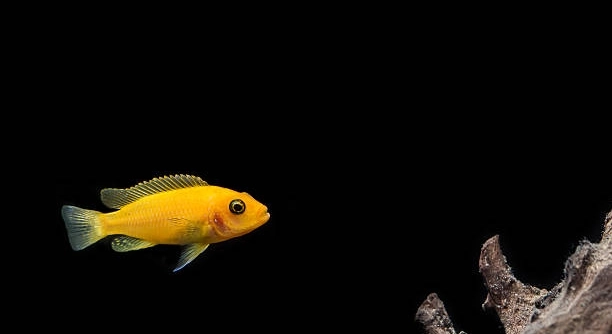
Do you enjoy keeping vibrant fish in your aquarium but notice their behavior seems to shift over time? Electric Yellow Cichlids are known for their bright colors and lively personalities. Observing them as they grow can be fascinating.
Electric Yellow Cichlids do exhibit changes in behavior as they age. Juveniles tend to be more timid and skittish, while adults display increased territoriality and assertiveness, reflecting both environmental adaptation and natural developmental stages within their lifespan.
Watching these changes unfold provides insight into their care and social interactions. Understanding their personality shifts can enhance your experience as an aquarist.
Early Behavior and Juvenile Traits
Young Electric Yellow Cichlids are often shy and cautious. They spend much of their time exploring their environment carefully, avoiding confrontation with other fish. Their colors may be less intense, making them appear less dominant in the tank. During this stage, they rely on hiding spots and plants for security, often darting quickly when startled. Social interactions are limited, and aggression is rare, as their main focus is survival and growth. Feeding habits are simple, and they respond well to basic diets. They are curious but easily stressed, which can affect their overall health if the tank environment is not stable. Proper water conditions and gentle handling are essential to help them thrive. Observing these juvenile behaviors gives insight into their natural instincts. Over time, these traits gradually evolve, influenced by both age and the dynamics of the tank’s community.
Juveniles benefit from calm tankmates and minimal disturbance. This reduces stress and encourages healthy growth.
Early socialization affects adult behavior. Tanks with structured hiding places help juveniles gain confidence while limiting aggressive encounters, preparing them for adulthood.
Adult Personality Shifts
Adult Electric Yellow Cichlids display more confidence and territorial behaviors.
As they mature, their personality becomes more defined. Adults claim specific areas of the tank, defending them from intruders and establishing clear boundaries. Their colors intensify, signaling dominance to other fish, and feeding becomes more assertive. Interactions with other fish shift from avoidance to occasional displays of aggression, especially toward similar species. Adults are more predictable in behavior, yet still require attention to tank conditions, as sudden changes can trigger stress responses. Social hierarchy plays a key role in their development, and understanding these patterns is important for maintaining a balanced aquarium.
Territorial tendencies may increase, particularly during breeding or changes in the tank environment.
Adult Electric Yellow Cichlids can be fascinating to observe. Their evolution from timid juveniles to assertive adults shows a clear pattern of growth and adaptation. Watching their interactions and changes over time helps identify health issues early. Providing proper care, including diet, space, and water quality, supports their natural behaviors and prevents conflicts. Recognizing their evolving personality traits allows for a more harmonious tank and a deeper appreciation for their distinct characteristics. By noting these changes, aquarists can tailor care to meet both the physical and behavioral needs of each fish.
Feeding Habits and Personality
Electric Yellow Cichlids become more selective eaters as they age. Juveniles readily accept flakes and pellets, while adults often prefer a varied diet that includes live or frozen foods.
As they mature, their feeding behavior reflects confidence and territory. Adults may chase other fish away from food or quickly establish dominance during feeding times. They develop routines, often recognizing feeding schedules and becoming more responsive to their owners. Younger fish eat cautiously, nibbling at small portions, whereas adults approach food with more assertiveness. Tank hierarchy can influence how each fish accesses food, and observing these patterns helps maintain balance. Diet variety supports health, coloration, and activity levels, while consistent feeding practices reduce stress and aggression.
Monitoring these habits over time highlights personality changes and helps anticipate behavioral issues. Consistency in feeding and attention to preferences strengthens both health and social stability within the tank.
Breeding Behavior and Social Dynamics
Adult Electric Yellow Cichlids often show increased aggression during breeding periods. Territorial instincts become more pronounced, and pairs may defend chosen areas rigorously.
Mature cichlids engage in clear social hierarchies. Dominant fish maintain prime territories, while subordinate fish avoid confrontation. Breeding pairs establish nests, guarding eggs and fry with heightened vigilance. Interactions are influenced by tank size, population density, and environmental enrichment. Conflicts can arise when territories overlap, but structured environments reduce stress and support natural behaviors. Observing these dynamics offers insight into their evolving personality, highlighting differences between juveniles and adults. Social behavior directly affects feeding, growth, and overall well-being.
Understanding their social interactions allows careful management of tank composition and placement. Adults respond to both environmental cues and the behavior of other fish, making attentive observation essential. Maintaining proper tank structure, hiding spots, and consistent conditions minimizes stress and ensures healthy social balance, supporting breeding success and personality expression. Monitoring these behaviors over time reveals patterns that reflect both age and individual temperament.
Tank Environment and Behavior
Electric Yellow Cichlids react strongly to their surroundings. A well-structured tank with hiding spots and clear boundaries reduces stress and encourages natural behaviors.
Changes in the tank layout can temporarily alter their personality. They may become more cautious or display increased territoriality until they adjust to new conditions.
Interaction With Other Fish
Adult cichlids show selective social behavior. They often form hierarchies, recognizing which tankmates are dominant or submissive. Aggression can emerge if boundaries are challenged. Careful observation and proper tank management help maintain harmony, reducing conflicts and ensuring all fish can coexist safely.
Signs of Stress in Electric Yellow Cichlids
Stress affects both behavior and health. Rapid swimming, loss of color, hiding for long periods, or aggression beyond normal levels often indicate discomfort.
Personality Consistency Over Time
While personalities evolve with age, many traits remain consistent. Timid juveniles may grow confident, yet some individuals retain cautious or reserved tendencies throughout adulthood, influenced by genetics, environment, and social experiences within the tank.
What age do Electric Yellow Cichlids start showing personality changes?
Personality changes can begin as early as a few months old, typically when juveniles become more confident in their environment. Initial timid behavior gradually shifts into curiosity and assertiveness. By six to nine months, many fish show noticeable differences in territorial behavior and social interaction, signaling the start of adult traits.
Do their personalities continue changing throughout life?
Yes, changes are gradual and occur throughout their lifespan. While the most noticeable shifts happen during juvenile to adult transition, adults can still develop new behaviors in response to environmental changes, tankmates, or breeding cycles. Adjustments are slower and often less dramatic than in juveniles but still significant.
How does tank size affect their behavior?
Smaller tanks can increase stress and aggression due to limited space and territorial conflicts. Larger tanks provide room for territories, hiding spots, and escape routes, which helps reduce conflicts. A properly sized tank allows fish to display natural behaviors, making personality traits easier to observe.
Can social interactions influence personality?
Absolutely. Fish in well-balanced social groups tend to develop confidence and assertiveness, while overcrowded or poorly matched tanks can trigger stress, excessive hiding, or aggression. Observing interactions helps determine which individuals are dominant or submissive and whether adjustments to tank composition are needed.
Do males and females behave differently?
Males are generally more territorial and assertive, particularly during breeding periods. Females may also become protective when caring for eggs or fry but usually display less aggressive behavior overall. Gender differences become more pronounced as they mature, affecting how they interact with tankmates.
How can I encourage positive personality development?
Provide a stable environment with clean water, consistent feeding, and structured territories. Introduce tankmates gradually and maintain hiding spots. Encouraging natural behaviors through proper nutrition and environmental enrichment helps them develop confidence, reduces stress, and allows their personalities to emerge fully.
What are the signs of a well-adjusted Electric Yellow Cichlid?
A confident, well-adjusted fish displays bright colors, regular feeding habits, and active exploration. They establish territories without constant aggression and interact appropriately with tankmates. Predictable routines and calm responses to environmental changes also indicate a healthy personality.
Can stress permanently affect behavior?
Chronic stress can have long-term effects on behavior and health. Prolonged hiding, aggression, or loss of appetite may persist even after conditions improve. Addressing stress sources promptly is essential to prevent lasting negative impacts on personality and overall well-being.
Does diet influence personality?
Yes, a nutritious and varied diet supports energy, coloration, and activity levels, all of which contribute to behavior. Undernourished or poorly fed fish may become lethargic, less confident, or overly aggressive. Providing consistent and appropriate nutrition promotes natural personality expression.
How do breeding cycles change behavior?
Breeding periods intensify territorial instincts and aggression. Adults may guard nests vigorously and display heightened assertiveness toward other fish. Personality shifts during this time are natural and temporary, returning to baseline once breeding concludes. Proper tank structure and monitoring help manage these changes safely.
Are personality traits hereditary?
Some traits, such as aggression levels, curiosity, or timidity, can be influenced by genetics. Breeding pairs with known temperaments may produce offspring exhibiting similar tendencies. Environmental factors, however, play an equally important role in shaping behavior over time.
How can I safely observe personality changes?
Regular observation is key. Watch for patterns in feeding, territorial behavior, and social interactions. Keeping notes on behavior changes helps identify trends, recognize stress, and understand individual personalities. Structured observation supports better care and informed adjustments to the tank.
What adjustments help shy or aggressive fish?
Shy fish benefit from additional hiding spots, low-traffic areas, and calm tankmates. Aggressive fish may need more space, visual barriers, or selective pairing to prevent conflicts. Tailoring the environment to individual needs promotes healthier interactions and balanced personalities.
Can personality changes indicate health issues?
Yes, sudden or extreme changes in behavior may signal illness, water quality problems, or nutritional deficiencies. Persistent hiding, erratic swimming, or loss of appetite should prompt a review of care practices and possibly consultation with an aquatic health professional.
How long does it take to notice personality changes?
Juveniles can show initial changes within weeks of settling into a stable tank. More pronounced adult behaviors may develop over several months. Continuous observation is necessary to track gradual shifts and understand each fish’s unique character.
Are personality differences between individual fish common?
Yes, even within the same tank, some cichlids are naturally more confident, bold, or curious, while others remain reserved. These differences can influence feeding, social hierarchy, and compatibility with other fish. Recognizing individual traits allows tailored care and healthier tank dynamics.
Do environmental enrichments make a difference?
Adding plants, rocks, caves, and other structures encourages exploration, hiding, and territorial behavior. Environmental enrichment stimulates natural instincts, reduces stress, and can accelerate the development of confident, well-adjusted personalities. Observing how fish interact with their environment highlights personality traits.
How can I manage multiple cichlids with different personalities?
Provide adequate space and distinct territories to reduce conflicts. Monitor interactions closely and separate fish if aggression becomes excessive. Balancing tankmates based on size, temperament, and maturity helps maintain harmony while allowing individual personalities to flourish.
What is the long-term benefit of understanding their personalities?
Recognizing personality traits improves care, reduces conflicts, and enhances enjoyment of the aquarium. By tailoring environment, diet, and social arrangements, aquarists can support both physical health and behavioral well-being, ensuring Electric Yellow Cichlids thrive throughout their lifespan.
Electric Yellow Cichlids are fascinating fish to keep because their personalities develop and change as they age. From the moment they are juveniles, they display curiosity and caution, exploring their surroundings carefully. Young fish often rely on hiding spots, plants, and decorations to feel secure. As they grow, these cautious tendencies gradually give way to more confident and assertive behavior. Observing these shifts is rewarding, as it provides a clear window into their natural instincts and developmental stages. Understanding their changing personalities helps aquarists anticipate their needs, such as appropriate tank space, diet, and social interactions. Early attention to their environment and social setup can prevent stress and aggression later, allowing fish to thrive in a stable, structured aquarium.
Adults are more territorial and socially aware than juveniles. They claim areas of the tank, guard spaces during feeding times, and establish clear hierarchies with other fish. These behaviors are natural and reflect their need to protect resources and interact with other cichlids safely. Breeding periods can further intensify territoriality and assertiveness, with fish becoming more focused on defending nests and fry. By maintaining proper tank structure, providing adequate hiding spots, and monitoring interactions, aquarists can manage these changes and ensure all fish coexist with minimal conflict. Diet also influences personality. Well-fed fish are more active, confident, and colorful, while poor nutrition can lead to lethargy, stress, and unpredictable behavior. Observing feeding patterns and responding to individual preferences supports healthy personality development and overall well-being.
Recognizing personality traits and changes in Electric Yellow Cichlids makes caring for them more effective and satisfying. Each fish has unique tendencies, from shy and reserved to bold and assertive, and these traits persist even as they grow. Environmental factors, social interactions, diet, and genetics all contribute to how their personalities evolve over time. Consistent observation allows aquarists to detect stress, illness, or behavioral issues early and make necessary adjustments. By providing a stable environment, structured tank setup, and proper care, aquarists can support the physical health and behavioral growth of these cichlids. Understanding how Electric Yellow Cichlids change and develop over time not only enhances the enjoyment of keeping them but also ensures a thriving, balanced aquarium where fish can express their natural behaviors confidently and safely.

Hello,
If you enjoy the content that we create, please consider saying a "Thank You!" by leaving a tip.
Every little bit helps us continue crafting quality advice that supports the health, happiness, and well-being of pets around the world, for pets of all shapes, sizes, and species.
We really appreciate the kindness and support that you show us!