
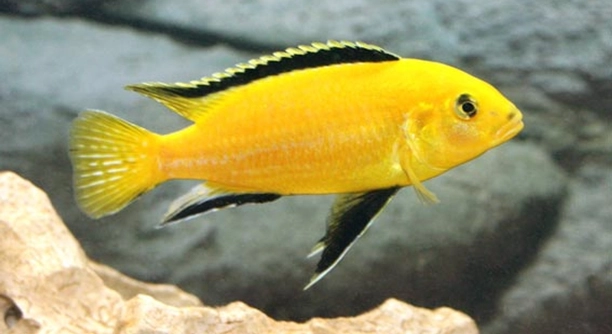
Electric Yellow Cichlids are known for their vibrant colors and lively personalities. Many fish keepers enjoy watching them swim gracefully, but feeding time often brings a noticeable shift in behavior, surprising even experienced hobbyists.
Electric Yellow Cichlids display aggression at feeding due to territorial instincts and competition for food. Their natural behavior drives them to assert dominance, ensuring access to resources, which can result in chasing, nipping, and heightened activity during mealtimes.
Understanding their feeding behavior can help manage tank dynamics and maintain a peaceful environment for all fish in your aquarium.
Understanding Territorial Behavior
Electric Yellow Cichlids naturally claim spaces in the tank as their own. This behavior is stronger during feeding because they feel the need to protect their resources. Even in a well-decorated aquarium, these fish will establish clear boundaries, often chasing others away to assert control. Their aggressive displays can include flaring fins, quick lunges, and rapid darting movements, which may seem alarming but are normal. Recognizing these actions as instinctual helps in managing their environment better. Providing multiple hiding spots, visual barriers, and sufficient swimming space can reduce stress and prevent fights. Observing the fish closely during mealtime allows you to understand which individuals are more dominant and which are submissive. Adjusting feeding locations or using feeding rings can help disperse the food more evenly, ensuring all fish get access. These small adjustments can significantly lower aggression and improve harmony in the aquarium. Careful planning around tank layout and feeding routines supports both the fish’s instincts and your enjoyment of them.
Aggression is not necessarily harmful if the fish have room to escape and boundaries are clear.
Creating a balanced environment means considering the size of the tank, number of fish, and arrangement of decorations. When spaces are too tight, dominance fights increase. Providing visual barriers and separating aggressive individuals temporarily can prevent injuries. Consistent feeding routines reduce stress, and feeding multiple spots allows all fish to eat without constant conflict. Monitoring fish behavior regularly helps identify early signs of excessive aggression, enabling timely adjustments.
Managing Feeding Time
Adjusting feeding methods can make a noticeable difference in aggression levels. Offering smaller portions in several locations reduces competition.
Feeding Electric Yellow Cichlids requires strategy. Overcrowded tanks heighten aggression, so maintaining an appropriate number of fish per tank size is essential. Using tools like feeding rings or scatter feeding helps distribute food evenly, allowing less dominant fish to access it safely. Offering a mix of pellets, flakes, and occasional live or frozen foods keeps the fish healthy and engaged, but timing and portion control are crucial. Feeding at consistent times each day helps the fish anticipate meals, which can reduce sudden outbursts of aggression. Observing interactions during feeding allows you to notice patterns and adjust strategies accordingly. Sometimes separating highly aggressive fish temporarily can prevent stress or injury. Balancing social dynamics with diet and environment ensures a healthier, calmer tank.
Common Triggers of Aggression
Feeding location and timing often trigger aggression in Electric Yellow Cichlids. They react strongly to sudden movements or large portions of food appearing in the tank, causing dominant individuals to chase others.
Aggression increases when food is limited or concentrated in one spot. Fish instinctively compete to secure their share, and the fastest or strongest usually claim the majority. Overcrowding amplifies this behavior, as more fish try to access the same resource. Tank decorations or hiding spaces can help diffuse tension, but careful monitoring remains essential. Changes in routine, such as introducing new foods or moving the feeding area, can temporarily heighten aggression until the fish adjust.
Individual personality also affects behavior. Some Electric Yellow Cichlids are naturally more assertive and will dominate feeding areas consistently. Observing these tendencies allows for strategic adjustments, such as feeding smaller portions or placing food in multiple zones. Separating highly aggressive individuals or rotating feeding spots can maintain balance and reduce injuries. Understanding both environmental and behavioral triggers helps create a calmer feeding environment for all fish.
Strategies to Reduce Aggression
Feeding multiple locations at once can help disperse fish and reduce competition. Introducing barriers or plants also limits direct confrontations.
Adjusting feeding schedules ensures less dominant fish get access to food without constant chasing. Smaller, frequent meals help prevent overexcited behavior and reduce stress. Using slow-sinking pellets or distributing food across the tank allows all fish to participate without triggering excessive aggression. Observing fish interactions over time can reveal which individuals are most dominant and which need more space or separation during meals.
Combining environmental adjustments with feeding strategies creates a more balanced tank. Adding visual barriers like rocks or plants allows submissive fish to retreat and reduces constant chasing. Feeding at predictable times helps fish anticipate meals, lowering anxiety and sudden bursts of aggression. Smaller, evenly distributed portions encourage fair access and reduce conflicts. Regularly monitoring behavior ensures timely interventions if fights escalate. These approaches improve the overall health and well-being of Electric Yellow Cichlids while maintaining a peaceful, manageable tank environment.
Feeding Frequency and Portions
Smaller, more frequent meals help reduce competition and prevent dominant fish from hoarding food. Consistency in timing also calms fish, as they learn when to expect food.
Overfeeding can increase aggression because fish become more excited and territorial around abundant resources. Controlling portion sizes ensures all fish can eat without constant chasing.
Tank Layout Adjustments
Adding rocks, caves, and plants creates hiding spots and visual breaks. These barriers reduce direct confrontations and allow less dominant fish to eat safely. A well-thought-out layout balances territory and swimming space, promoting calmer interactions during feeding times.
Observing Individual Behavior
Tracking which fish are most aggressive helps in adjusting feeding methods and tank setup. Subtle changes in environment can prevent injuries and maintain harmony.
FAQ
Why do Electric Yellow Cichlids fight more during feeding time?
Electric Yellow Cichlids are naturally territorial, and feeding time highlights their instincts. When food is introduced, dominant individuals compete to secure the largest share. This behavior includes chasing, nipping, and flaring fins. Limited food or concentrated feeding areas intensify the competition. Providing multiple feeding spots and hiding spaces can help minimize conflicts.
How can I prevent injuries during aggressive feeding?
Observing the tank closely is key. Separate highly aggressive fish temporarily if fights escalate. Adding rocks, plants, and caves gives less dominant fish areas to retreat. Feeding smaller, frequent portions rather than one large meal reduces excitement. Ensuring enough space for each fish also lowers the risk of injuries.
Is aggression at feeding time normal behavior?
Yes, it is instinctual. In the wild, these fish compete for resources, and similar behavior appears in aquariums. Aggression at feeding does not indicate poor care but reflects natural instincts. Maintaining balanced tank conditions helps manage this behavior safely.
Can tank size affect feeding aggression?
Absolutely. Smaller tanks limit space, making territorial disputes more frequent. Larger tanks provide room for multiple territories, allowing submissive fish to escape dominant individuals. Rearranging decorations to create zones or hiding spots further reduces stress and aggression during feeding.
Does the type of food impact aggression?
Yes. High-value foods like live or frozen treats can trigger stronger competition than standard flakes or pellets. Mixing food types and distributing it across the tank can reduce intense fights. Slow-sinking foods also allow more fish to access them safely.
How often should I feed Electric Yellow Cichlids to reduce aggression?
Smaller, more frequent feedings are ideal. Feeding two to three times a day in controlled portions prevents overexcitement and hoarding by dominant fish. Consistent timing helps fish anticipate meals, lowering sudden bursts of aggression.
Can adding more fish help balance aggression?
Adding fish can sometimes dilute aggression, but overcrowding may worsen fights. Choose compatible species and monitor interactions carefully. Introducing new fish gradually and ensuring sufficient territory and hiding spots keeps the tank harmonious.
What signs indicate aggression is becoming a problem?
Watch for injuries like torn fins, constant chasing, or hiding. Excessive stress may also appear in pale coloring or decreased appetite. Promptly adjusting feeding routines, tank layout, or separating aggressive individuals helps prevent serious issues.
Does rearranging the tank reduce aggression?
Yes. Moving decorations, adding visual barriers, or creating zones disrupts established territories temporarily. This allows less dominant fish to find safe spaces and reduces direct confrontations during feeding. Changes should be gradual to minimize stress.
Are some Electric Yellow Cichlids naturally more aggressive?
Individual personality plays a role. Some fish consistently dominate feeding areas. Observing these tendencies allows you to adjust feeding methods or temporarily separate highly aggressive individuals. Recognizing personality differences helps maintain a balanced, peaceful tank.
Can feeding in multiple locations help?
Distributing food across the tank reduces competition at a single spot. Using feeding rings or scattering pellets ensures all fish can access food without constant chasing. This method supports calmer interactions and allows less dominant fish to feed safely.
Should I intervene during every fight?
Not always. Mild displays of aggression are normal and rarely harmful. Intervention is necessary only if fights result in injuries or stress. Temporary separation or adjustments to feeding routines often resolve ongoing conflicts.
Does water quality affect aggression?
Poor water conditions increase stress, which can worsen aggressive behavior. Maintaining proper filtration, regular water changes, and stable temperature ensures fish remain healthy and less prone to heightened aggression during feeding.
Is it necessary to use barriers for every tank?
Not every tank requires barriers, but they help in controlling aggressive interactions. Rocks, caves, and plants provide retreats for less dominant fish, creating a safer environment during feeding and reducing overall stress in the tank.
How long does it take for fish to settle after changes?
Fish generally adjust within days to weeks, depending on the severity of territorial shifts. Frequent observation helps determine if aggression decreases or if further interventions are needed. Gradual adjustments are more effective than sudden, drastic changes.
Can social dynamics change over time?
Yes. Dominance hierarchies evolve as fish grow or new individuals are introduced. Monitoring interactions helps you adapt feeding strategies, tank layout, or separation methods to maintain a balanced environment.
Are there foods that calm aggressive behavior?
No food will completely eliminate aggression, but distributing meals and avoiding highly competitive treats during a single feeding session reduces intensity. Consistency in diet and portion sizes supports calmer interactions.
Is separating aggressive fish permanent?
Temporary separation is usually sufficient. Once fish have acclimated to new feeding methods or tank arrangements, they can often return without issues. Long-term separation may be needed only for persistently aggressive individuals.
How do I know if a fish is stressed from aggression?
Signs include hiding, reduced appetite, pale coloration, or rapid swimming. Observing these behaviors indicates adjustments are needed, such as more hiding spots, multiple feeding areas, or temporary separation from aggressive tank mates.
Can tank mates influence feeding aggression?
Yes. Choosing compatible species reduces conflicts. Aggressive or territorial fish may intensify disputes. Selecting fish with similar temperaments and maintaining adequate space helps ensure a calmer feeding environment.
Do dominant fish always get the most food?
Usually, but not always. Adjusting feeding locations, portion sizes, and distribution methods allows submissive fish to access food safely. Careful monitoring ensures that all fish maintain proper nutrition while minimizing conflicts.
Will feeding at night reduce aggression?
Feeding schedules influence behavior. Fish often respond strongly to sudden movements during the day. Consistent timing, whether day or night, is more important than the time itself. Multiple, evenly spaced meals help reduce competition regardless of feeding hour.
Can stress from aggression affect health?
Yes. Prolonged aggression can weaken the immune system, reduce appetite, and lead to injuries. Addressing environmental factors, feeding strategies, and social dynamics is essential for the long-term health of Electric Yellow Cichlids.
Are some tank setups better for aggression management?
Yes. Tanks with multiple zones, hiding spots, and open swimming areas allow fish to establish territories without constant conflict. Proper arrangement of decorations and plants balances social dynamics and supports calmer feeding sessions.
Does the number of dominant fish matter?
Yes. Having multiple dominant individuals increases the likelihood of disputes. Careful observation and strategic adjustments in feeding methods or temporary separation help maintain harmony and prevent serious injuries.
Can aggression affect breeding behavior?
Aggressive interactions may influence breeding if dominant fish monopolize resources or stress potential mates. Providing adequate space, hiding spots, and multiple feeding locations supports both feeding and breeding activities in the tank.
Is it normal for aggression to peak during growth phases?
Yes. As fish grow, they reestablish territories and dominance hierarchies. Temporary spikes in aggression are expected, but proper tank management and feeding strategies help keep interactions under control.
How do I keep less dominant fish healthy?
Distribute food evenly, provide hiding spaces, and observe interactions. Ensuring all fish have access to nutrients and feel safe reduces stress and supports growth and overall well-being.
Are there signs of successful aggression management?
Yes. Fish feed calmly, chase less frequently, and all individuals get access to food. Reduced injuries and less stress indicate that feeding routines, tank layout, and social balance are effective.
Does tank decoration style impact aggression?
Yes. Open tanks with few hiding spots encourage dominance disputes, while a well-decorated tank with caves, rocks, and plants allows for natural retreats. Strategic placement of decorations helps control aggression during feeding.
Can diet variety affect aggression levels?
While diet variety doesn’t eliminate aggression, it keeps fish engaged and reduces competition for a single preferred food. Offering flakes, pellets, and occasional live or frozen food supports both nutrition and calmer feeding behavior.
Should I monitor fish after introducing new food?
Yes. New foods can trigger stronger competition. Observing interactions helps you adjust portion sizes, feeding locations, or distribution methods to prevent escalated aggression and ensure all fish get sufficient nutrition.
How do I balance dominant and submissive fish?
Observe feeding behavior and adjust routines accordingly. Providing multiple feeding zones, hiding spaces, and evenly distributed food allows both dominant and submissive fish to coexist with minimal stress.
Can environmental stress worsen feeding aggression?
Yes. Poor water quality, sudden temperature changes, or overcrowding can heighten territorial behavior. Maintaining stable conditions reduces stress and helps keep aggression at manageable levels.
Is temporary removal of aggressive fish stressful for them?
Short-term separation is generally not harmful. It allows the tank to reset social dynamics and reduces injuries. Reintroducing fish gradually after adjustments ensures a smoother transition and calmer feeding behavior.
Does personality change with age?
Somewhat. Fish may become more or less dominant over time as hierarchies stabilize. Observing these changes helps adapt feeding strategies and maintain tank harmony.
Can aggression be completely eliminated?
No. Aggression is a natural instinct, especially during feeding. The goal is to manage it effectively through tank layout, feeding strategies, and careful observation to minimize conflicts and stress.
Is feeding method more important than food type?
Yes. Distribution, portion size, and timing influence aggression more than specific foods. Proper feeding techniques ensure all fish can access food safely while reducing dominance disputes.
Do plants help reduce feeding aggression?
Yes. Live or artificial plants create visual barriers and retreats. They allow submissive fish to access food without constant harassment, improving overall tank harmony.
How long does it take to see improvement after adjustments?
Typically a few days to weeks. Gradual changes to feeding routines, tank layout, or separation strategies allow fish to adapt while reducing aggressive behavior.
Can observation alone prevent aggression?
Observation is essential but not sufficient. Active adjustments to feeding, tank structure, and social dynamics are required to manage aggression effectively and maintain a healthy environment.
What’s the first step in managing aggression?
Assess tank size, layout, feeding routines, and fish behavior. Identifying triggers and dominant individuals allows targeted strategies to reduce conflict and ensure all fish thrive.
How do I handle sudden spikes in aggression?
Temporarily separate aggressive fish, add visual barriers, or distribute food more widely. Monitoring interactions closely and making gradual adjustments stabilizes the tank environment.
Is it necessary to track feeding behavior daily?
Daily observation helps catch problems early. Monitoring ensures that all fish access food safely, aggression remains manageable, and interventions can be applied promptly if needed.
Can overcrowding cause permanent stress?
Yes. Chronic overcrowding leads to repeated conflicts, injuries, and stress-related health issues. Maintaining proper stocking levels and enough territory is critical for long-term well-being.
Do hiding spots alone stop aggression?
They help but do not eliminate it. Hiding spots reduce direct conflict and allow submissive fish to eat safely, but feeding strategies and social monitoring are also necessary to manage aggression effectively.
How can I keep feeding time calm long-term?
Combine proper tank size, layout, feeding distribution, and observation. Gradual adjustments and attention to dominant individuals ensure balanced interactions and a peaceful environment.
Can sudden changes in food type spike aggression?
Yes. Introducing a highly preferred food can increase competition temporarily. Distributing the food evenly and monitoring fish behavior prevents excessive chasing and ensures fair access.
Does lighting affect feeding aggression?
Indirectly. Bright lights can stress some fish, increasing irritability. Maintaining consistent, moderate lighting helps fish feel secure and reduces sudden aggressive outbursts during feeding.
How important is social hierarchy for feeding behavior?
Very important. Dominance hierarchies dictate access to food. Understanding these relationships allows for strategic feeding placement, multiple zones, and temporary separation to maintain balance.
Can changing tank mates reduce aggression?
Yes. Introducing compatible species or removing highly aggressive individuals can lower overall conflict. Gradual introductions and sufficient space are essential to prevent additional stress.
Are slow feeders more at risk during feeding?
Yes. Less assertive fish may struggle to get food if dominant individuals monopolize resources. Multiple feeding locations and portion control help ensure all fish are fed adequately.
Is aggression always visible?
Not always. Subtle signs like chasing, fin flaring, or cornering indicate tension. Observing fish carefully during feeding helps detect problems before serious injuries occur.
Can rotating feeding zones help?
Yes. Changing feeding locations prevents dominance patterns from becoming fixed, giving less dominant fish better access and reducing conflict over time.
Do electric yellow cichlids calm down with age?
Somewhat. Territorial instincts remain, but hierarchies stabilize. Older fish may display less frequent aggression if social balance is maintained and feeding strategies are effective.
What role does water flow play?
Moderate flow ensures oxygenation without stressing fish. Strong currents may increase stress or territorial disputes. Balanced water movement supports calmer feeding and overall health.
Are there signs that feeding adjustments are working?
Yes. Less chasing, calmer interactions, and all fish accessing food indicate success. Observing these behaviors helps confirm that tank management strategies are effective.
Is temporary isolation stressful for shy fish?
Shy fish often benefit from temporary isolation of aggressive individuals. They eat safely and recover from stress. Gradual reintegration ensures balanced social interactions and reduces future aggression.
Can using multiple feeders reduce aggression?
Yes. Multiple feeders distribute food evenly, reducing competition and allowing all fish to feed without constant chasing. This method supports calmer interactions during feeding times.
Do dominant fish adapt to changes?
Yes. With consistent feeding routines, barriers, and distribution strategies, dominant fish learn to share space more effectively while maintaining natural hierarchy.
Is aggression more common in mixed-species tanks?
It depends on compatibility. Mixing aggressive or territorial species increases conflicts. Selecting compatible fish and monitoring interactions helps reduce feeding aggression.
Can aggressive fish affect the entire tank’s health?
Yes. Constant chasing and stress can weaken all fish, reduce appetite, and increase susceptibility to disease. Managing aggression preserves overall tank health and reduces injuries.
Should I record feeding behavior patterns?
Recording observations helps identify triggers, dominant individuals, and effective strategies. Keeping notes supports long-term management of aggression in the tank.
Does temperature influence feeding behavior?
Yes. Fish are more active in optimal temperatures. Too high or low temperatures can increase stress, irritability, and aggression during feeding.
Can slow-release feeders help?
They can reduce sudden competition by dispersing food gradually, allowing all fish to feed safely and lowering aggressive bursts.
Is aggression always a sign of poor care?
No. Feeding aggression is normal behavior. Proper tank management ensures it remains controlled and does not harm fish.
How do I maintain harmony long-term?
Regular observation, consistent feeding routines, proper tank layout, and attention to dominant individuals help maintain balance, reduce aggression, and support healthy, peaceful fish interactions.
Can aggression lead to permanent injuries?
If unchecked, yes. Proper tank management, distribution of food, and temporary separation prevent serious injuries and support long-term health.
Is it necessary to intervene every time?
No. Minor displays of aggression are normal. Intervene only if fights cause stress or injury. Careful observation guides appropriate action.
Do hiding spots affect feeding speed?
Yes. They allow submissive fish to feed safely, which may slow overall feeding slightly but reduces stress and aggression effectively.
Can tank lighting adjustments reduce aggression?
Moderate, consistent lighting helps fish feel secure and can indirectly lower stress-induced aggression during feeding.
Do personality differences influence feeding order?
Yes. Dominant fish typically eat first, but strategic feeding placement and distribution give all fish access and reduce conflict.
Are visual barriers better than physical separation?
Both help. Visual barriers reduce direct confrontations, while temporary separation addresses extreme aggression. Combining methods often works best.
Can stress from aggression affect growth?
Yes. Chronic stress reduces appetite and growth rates. Proper feeding management, hiding spots, and social monitoring support healthy development.
Is monitoring feeding behavior a daily task?
Yes. Daily observation ensures all fish feed properly, aggression remains manageable, and interventions can be applied promptly if needed.
Can dominant fish monopolize multiple feeding spots?
Sometimes. Monitoring distribution and using multiple feeding zones prevents a single fish from controlling all food, ensuring fair access.
Does aggression peak during breeding?
Yes. Territorial instincts intensify, and dominant fish may guard food more aggressively. Managing space and feeding helps reduce conflict during this period.
Are some foods less likely to trigger aggression?
Standard flakes or pellets often cause less competition than high-value treats. Distributing all food types across the tank minimizes fighting.
Can aggression affect shy fish long-term?
Yes. Chronic harassment may stress shy fish, reduce appetite, and impact health. Providing retreats and multiple feeding zones helps mitigate these effects.
Does water quality influence behavior?
Yes. Poor water conditions increase stress and aggression. Maintaining proper filtration, regular changes, and stable parameters supports calmer feeding behavior.
Can tank mates calm dominant fish?
Compatible, evenly matched fish can balance social dynamics, reducing excessive dominance. Careful observation ensures harmony without introducing new conflicts.
Is temporary separation stressful for aggressive fish?
Short-term separation allows them to reset social behavior without harm. Gradual reintegration helps maintain hierarchy while reducing conflict.
Do seasonal changes affect feeding aggression?
Slightly. Variations in temperature or light can influence activity levels, but consistent feeding routines minimize the impact on aggression.
Can behavioral training help?
Indirectly. Consistent routines, predictable feeding, and controlled portions train fish to feed calmly, reducing spikes in aggressive behavior.
Are highly active fish more aggressive?
Often. Active individuals tend to assert dominance more strongly, but proper feeding distribution and hiding spots help manage conflicts effectively.
Do age and size differences matter?
Yes. Larger, older fish may dominate smaller, younger ones. Adjusting feeding strategies and providing retreats ensures fair access for all fish.
Can aggression be predicted?
Partially. Observing personality, past behavior, and tank dynamics allows anticipation of potential conflicts and informed adjustments.
Is frequent water testing necessary?
Yes. Stable water conditions reduce stress and aggressive behavior, supporting a calmer feeding environment and overall fish health.
Do aggressive fish adapt to new tankmates?
Gradually. With monitoring and proper introductions, dominant fish can coexist with new tankmates, though adjustments in feeding strategies may be required.
Are hiding spots effective for all fish?
Mostly. They benefit submissive and shy fish by providing safety during feeding, though dominant fish may still display territorial behavior nearby.
How can I track improvement?
Monitor chasing frequency, injuries, and feeding access. Reduced aggression and calmer interactions indicate successful management strategies.
Do changes in feeding routine require adjustment time?
Yes. Fish adapt over days to weeks. Gradual implementation ensures reduced stress and maintains balanced interactions during feeding.
Can aggression be redirected?
Yes.
Electric Yellow Cichlids are naturally vibrant and active fish, but their aggression during feeding time can be challenging for tank owners. Understanding that this behavior is instinctual helps frame it as normal rather than problematic. These fish compete for resources in a way that mirrors their natural environment. Dominant individuals will often chase others, flare fins, and dart quickly toward food. Less dominant fish may retreat or hide to avoid conflict. Observing these behaviors allows tank owners to anticipate interactions and take steps to manage aggression effectively. Recognizing aggression as a part of their natural instincts is the first step toward creating a balanced and healthy aquarium environment.
Proper tank management is key to minimizing conflicts during feeding. The size of the tank, number of fish, and layout all influence how aggressive fish behave. Providing ample swimming space, visual barriers, and multiple feeding zones helps reduce territorial disputes. Hiding spots, plants, and rocks allow submissive fish to retreat and feed safely. Feeding smaller, more frequent portions distributes food more evenly and reduces competition. Consistent feeding times allow fish to anticipate meals, which can lower stress and aggressive outbursts. Overcrowding or insufficient hiding spaces can intensify conflicts, so careful planning and observation are essential for maintaining peace in the tank.
Adjusting feeding routines and tank setup over time ensures long-term harmony among Electric Yellow Cichlids. Watching individual fish behavior helps identify the most dominant and the most submissive, which allows for targeted strategies to reduce stress. Temporary separation of aggressive fish can prevent injuries and restore balance. Using multiple feeding locations, scattering food, and providing various types of nutrition ensures all fish are fed adequately. Maintaining good water quality and stable environmental conditions also reduces tension. By combining observation, proper feeding practices, and thoughtful tank design, you can create a calmer and healthier habitat. Over time, these steps allow all fish to thrive while maintaining their natural behaviors without constant conflict, supporting both the well-being of the fish and the enjoyment of the aquarium experience.

Hello,
If you enjoy the content that we create, please consider saying a "Thank You!" by leaving a tip.
Every little bit helps us continue crafting quality advice that supports the health, happiness, and well-being of pets around the world, for pets of all shapes, sizes, and species.
We really appreciate the kindness and support that you show us!