
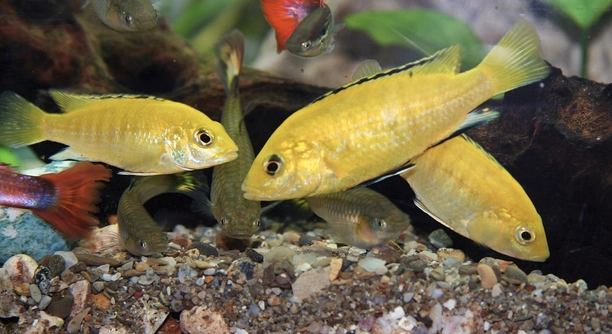
New cichlid owners often find themselves adjusting to the dynamics of a fresh aquarium. Observing behaviors early helps identify changes in hierarchy and prevents conflicts that could stress other fish or disrupt the tank’s balance.
A new dominant cichlid often displays territorial behavior, increased aggression, and changes in feeding patterns. These behaviors signal the fish asserting control, establishing social hierarchy, and influencing the interactions and positioning of other tank inhabitants.
Recognizing these signs early can help you maintain harmony in your aquarium and protect all fish from unnecessary stress or injury.
Increased Territorial Behavior
When a new dominant cichlid enters your aquarium, one of the first noticeable changes is a sharp increase in territorial behavior. This fish may claim certain areas, such as caves, plants, or decorations, as its own and actively guard them. Other cichlids in the tank may find their usual spots suddenly off-limits, leading to brief skirmishes or subtle posturing displays. Observing how the dominant cichlid interacts with its environment and tank mates helps in understanding its hierarchy position. Territoriality also often comes with frequent patrolling, chasing intruders, and sometimes nudging or pushing smaller fish. Recognizing these patterns early allows you to provide enough hiding spaces and territorial boundaries to minimize stress. Regular monitoring and maintaining proper tank size can ensure that the new dominant cichlid establishes its presence without causing serious injuries to other fish. This behavior is natural and shows the fish’s attempt to assert control within its environment.
Territorial dominance can be identified by patrolling, chasing, and guarding specific areas within the aquarium.
Properly arranging decorations, plants, and hiding spots can reduce aggression and help other fish adapt to the new hierarchy without constant conflict.
Changes in Feeding Patterns
Dominant cichlids often adjust their feeding behavior to assert control over food sources. They may rush to the food first, block access for others, or eat more aggressively than usual.
Monitoring feeding interactions is important because these patterns reveal the fish’s social ranking. Subordinate cichlids may hesitate or retreat, allowing the new dominant fish to consume more. Over time, this can affect the growth and health of less assertive fish if not managed. Providing multiple feeding areas or spreading food across the tank encourages fair access and reduces stress during mealtimes. Observing how your cichlids feed together can also indicate whether the dominant fish is overly aggressive or if the rest are adjusting. Maintaining a balanced diet and consistent feeding schedule ensures all fish receive adequate nutrition. These strategies help maintain harmony and support the overall well-being of your aquarium’s inhabitants. Understanding feeding dynamics is essential for a stable social environment.
Aggressive Chasing
New dominant cichlids often chase other fish more frequently, showing their position in the tank hierarchy. This chasing is usually brief but repeated, targeting smaller or weaker fish to establish control over space and resources.
Chasing behavior is one of the clearest signs of dominance. The dominant fish will swim quickly after others, nudge them, or corner them against tank walls or decorations. These interactions are mostly about showing power rather than causing serious harm, though injuries can happen if the tank is too small or crowded. Subordinate fish will often change their swimming patterns, avoid certain areas, or hide more frequently. Observing these behaviors helps you understand which fish are adapting and which may need extra hiding spaces. Managing tank layout and providing multiple territories can reduce stress and prevent prolonged confrontations.
Repeated chasing can affect the health of timid fish if left unchecked. Providing enough space and cover allows the tank to stay balanced and minimizes injury risks among all cichlids.
Color Changes
Dominant cichlids often display more vivid or intensified coloration to signal authority and health. This change is subtle at first but becomes noticeable as the fish asserts control over the tank environment.
Color changes are closely tied to mood, stress levels, and social rank. A dominant cichlid may darken certain patterns or brighten fins, making them stand out to other fish. Subordinate cichlids often appear paler in comparison, visually reinforcing the hierarchy. Environmental factors like lighting, water quality, and diet also influence these color shifts. Observing these changes over time helps identify which fish are rising in rank and which are adjusting to new social dynamics. Proper nutrition and stable water conditions enhance natural coloration and prevent stress-induced fading, keeping the tank visually healthy and balanced.
Bright coloration also serves as a communication tool, helping dominant cichlids assert their presence without constant physical confrontation, reducing the risk of injuries and long-term stress in the aquarium.
Flared Fins
A new dominant cichlid often flares its fins to appear larger and more intimidating. This display is usually directed toward other fish, emphasizing its presence and control in the aquarium.
Fin flaring is a visual signal of dominance. It can occur during feeding, chasing, or territorial disputes. Flaring communicates strength without physical contact, helping the dominant fish maintain hierarchy efficiently.
Increased Digging
Dominant cichlids may dig in substrate more frequently to mark territory or rearrange the tank. This behavior can disturb decorations but is part of establishing control. Digging also allows the fish to create hiding spots and nesting areas, asserting dominance over space.
Frequent Head-Butting
Head-butting between a dominant cichlid and others is common. This behavior reinforces hierarchy, often brief but repeated, signaling strength and testing boundaries within the group.
Reduced Social Interaction
Subordinate fish often reduce interaction when a new dominant cichlid is present. They may stay near hiding spots, avoid open areas, or limit engagement, giving the dominant fish control over movement and resources in the tank.
FAQ
How can I tell if my cichlid is becoming dominant?
A cichlid shows dominance through behavior such as chasing, flaring fins, and guarding certain areas. Increased aggression, territorial displays, and changes in feeding order are key indicators. Subordinate fish may hide more, swim cautiously, or avoid certain tank zones. Observing interactions over time clarifies hierarchy.
Will a dominant cichlid harm other fish?
Dominance doesn’t always lead to serious harm. Most chasing and flaring are about asserting control rather than attacking. However, if the tank is too small, overcrowded, or lacking hiding spaces, subordinate fish can get stressed or injured. Providing enough space and multiple territories reduces risks.
How should I rearrange my tank for a dominant cichlid?
Rearranging decorations, adding rocks, caves, or plants helps create boundaries. Multiple hiding spots allow subordinate fish to retreat safely, reducing conflict. Spreading food in different areas prevents one fish from monopolizing meals and ensures all tank inhabitants receive proper nutrition.
Do dominant cichlids eat more than others?
Often, yes. Dominant fish may rush to food first or block access for smaller fish. This behavior reinforces hierarchy but can cause nutritional imbalance if left unmanaged. Offering food at several points in the tank encourages fair feeding and helps maintain health.
Can I reduce aggression in a dominant cichlid?
Yes, by increasing tank size, adding hiding spots, and ensuring proper spacing between fish. Introducing distractions like floating plants or rearranged décor can redirect attention and reduce constant chasing. Maintaining clean water and a balanced diet also supports calmer behavior.
Is color change a sign of stress or dominance?
Color changes often indicate dominance or mood rather than stress. Brightened fins and intensified patterns signal authority, while paler fish tend to be subordinate. Consistent water conditions, good diet, and minimal overcrowding prevent stress-related fading. Observing color shifts helps track social hierarchy in the tank.
How long does it take for a cichlid to establish dominance?
It can take days to weeks, depending on tank size, fish personalities, and number of inhabitants. Early signs include chasing, fin flaring, and food guarding. Patience and observation are important, as social dynamics gradually stabilize over time.
Should I separate fish if one becomes too dominant?
Separation is sometimes necessary if injuries occur or subordinate fish show signs of stress. Providing larger tank space or additional hiding spots can often resolve conflicts without removal. Temporary separation during feeding or introducing barriers can help maintain harmony.
Do dominant cichlids ever lose their status?
Yes, hierarchy can shift, especially when a stronger or more aggressive fish is introduced. Age, size, and health also affect rank. Observing interactions and adjusting the environment as needed ensures smooth transitions and reduces prolonged conflict.
Can environmental changes influence dominance?
Absolutely. Changes in lighting, decorations, or tank layout can affect territory and interactions. Sudden modifications may temporarily increase aggression, while gradual adjustments help fish adapt. Stable conditions and thoughtful planning reduce stress and support a balanced social structure.
How do I monitor tank harmony effectively?
Regular observation of swimming patterns, feeding behavior, and interactions is key. Look for signs of stress such as hiding, fin damage, or pale coloration. Noting patterns daily allows early intervention and helps maintain a healthy social balance among all fish.
Is it normal for subordinate fish to hide constantly?
Yes, subordinate fish often stay near shelters or avoid open areas. While this is a natural response to a dominant fish, prolonged hiding can indicate excessive stress. Ensuring multiple hiding spots and adequate space helps all fish feel secure and reduces chronic stress.
Can diet influence aggression in dominant cichlids?
Nutrition plays a role in energy levels and behavior. Poor diet can increase irritability, while a balanced, protein-rich diet supports health and helps maintain controlled aggression. Offering food in multiple areas prevents competition from becoming excessive.
Are all cichlids territorial?
Most cichlids show territorial tendencies, especially when establishing dominance. The intensity varies by species, tank size, and population density. Providing enough territory and hiding places allows natural behaviors without excessive conflict.
What signs indicate that a dominant cichlid is healthy?
Bright coloration, alert swimming, regular feeding, and controlled aggression signal a healthy dominant fish. Avoiding lethargy, faded color, or excessive fin damage shows that both the dominant and subordinate fish are adjusting well within the tank environment.
Final Thoughts
Observing a new dominant cichlid in your aquarium is an important part of maintaining a healthy and balanced tank. These fish naturally assert themselves through behaviors such as chasing, flaring fins, and guarding certain areas. While these actions can seem aggressive, they are mostly ways for the cichlid to establish social hierarchy and communicate its position to other fish. Understanding these behaviors helps prevent unnecessary stress and injuries among all tank inhabitants. Providing ample space, hiding spots, and a well-thought-out tank layout allows both dominant and subordinate fish to coexist more comfortably. Over time, you will notice patterns in their interactions, such as which areas are most frequently guarded or how subordinate fish adjust their movement. Paying attention to these details allows for better management of the aquarium environment and ensures the well-being of every fish.
Feeding behavior is another area where dominance becomes apparent. A dominant cichlid may rush to food first or block access for others, which can sometimes lead to unequal nutrition if not addressed. Spreading food across different points in the tank or using multiple feeding areas encourages fair access and reduces conflict. Observing how your cichlids feed together provides insights into the social dynamics and helps you intervene if necessary. Nutritional balance is crucial for all fish, especially in a tank where one cichlid holds a stronger position. In addition, color changes often accompany dominant behavior, with the more dominant fish displaying brighter and more intense patterns. These visual cues not only reflect the fish’s status but also serve as a form of communication, helping reduce constant physical confrontations. Maintaining stable water conditions and providing a quality diet supports healthy coloration and overall fish vitality.
It is also important to understand that social hierarchies in cichlid tanks can shift over time. Age, size, health, and the introduction of new fish can all influence which cichlid becomes dominant. Observing interactions over days or weeks gives you a clearer picture of the natural social order. Subordinate fish may need extra hiding spots or more space to reduce stress, while dominant fish benefit from adequate territory to patrol without constant interference. By monitoring behaviors like chasing, digging, fin flaring, and head-butting, you can manage the tank more effectively and maintain a peaceful environment. In the end, recognizing and responding to these behavioral clues allows you to support the health and well-being of every fish, ensuring a stable and harmonious aquarium.

Hello,
If you enjoy the content that we create, please consider saying a "Thank You!" by leaving a tip.
Every little bit helps us continue crafting quality advice that supports the health, happiness, and well-being of pets around the world, for pets of all shapes, sizes, and species.
We really appreciate the kindness and support that you show us!