
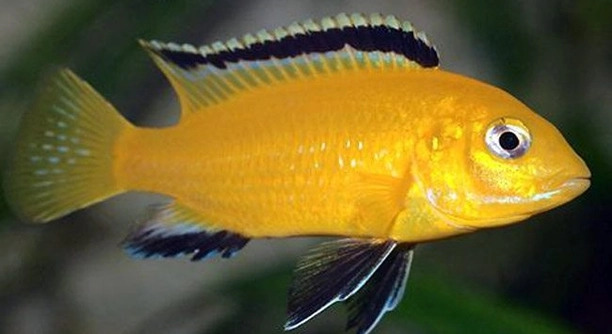
Do you ever notice the way cichlids interact in their tanks and wonder about the bonds they form? Many aquarium owners find themselves observing these colorful fish, noticing patterns in behavior that seem almost familiar.
Cichlids often show strong pair bonds with a mated partner, maintaining close proximity, cooperative territory defense, and shared care of offspring. These behaviors suggest a level of loyalty, though environmental factors and species differences can influence the strength of these bonds.
Observing their interactions can reveal surprising insights into their social structures and how they maintain relationships in a confined environment.
Understanding Cichlid Pair Bonds
Cichlids form noticeable pair bonds that go beyond simple mating. In many species, these fish choose a single partner and stick together for extended periods. Their bond is often reinforced through cooperative behaviors, such as defending their territory or protecting eggs and fry. Observing a bonded pair, you might notice them staying close, mirroring each other’s movements, and sharing responsibilities in keeping the nest safe. Even small gestures, like nipping at intruders or coordinating swimming patterns, show a level of attachment. While some species may change partners if conditions are unfavorable, many display a preference for consistency. These bonds are not only about reproduction but also about survival, as cooperative defense increases the chance of offspring reaching maturity. Tank size, environmental conditions, and social structure influence how visible these behaviors are. Watching cichlids carefully, it becomes clear that their connections are meaningful and purposeful, reflecting instincts shaped by both nature and their environment.
Pair bonds in cichlids support both survival and social structure. These bonds influence how they interact daily.
Understanding these behaviors helps aquarists create supportive environments, improving both the health of the fish and the success of breeding. Observing how cichlids communicate through movement, body language, and coordinated defense strategies can reveal the depth of their social interactions. Tank conditions, such as space, hiding spots, and water quality, play a significant role in whether these bonds thrive or weaken. Stress or overcrowding may disrupt pair behavior, while a well-set-up tank encourages cooperation and loyalty. Some species show lifelong bonds, while others may form temporary pairings based on current conditions. The strength of a pair bond can also influence offspring survival, as both parents share responsibilities. By providing proper care and understanding their social needs, aquarists can witness these remarkable behaviors firsthand, gaining insight into how loyalty and partnership function in aquatic environments.
Signs of Loyalty in a Mated Pair
Loyal cichlid pairs exhibit consistent protective and cooperative behaviors toward each other and their young.
Watching for signs like shared defense, coordinated swimming, and staying close together can reveal a pair’s loyalty. These behaviors indicate more than mating instincts; they reflect an ongoing, attentive relationship. Consistency over time, rather than occasional interactions, is a reliable measure of how bonded the pair is. Stress levels, environmental changes, or introduction of new fish can test the strength of these bonds, making observation important. Fish that maintain proximity, help each other in nest care, and respond quickly to threats demonstrate strong loyalty. Some species even communicate subtly through color changes or gentle nudges, reinforcing the pair connection. For aquarists, recognizing these behaviors can guide decisions about tank setup and breeding strategies, ensuring that bonded pairs remain healthy, secure, and cooperative.
Pair Bonding in Cichlids
Cichlids often stay close to their mated partner, sharing the same territory and keeping an eye on each other. Their loyalty shows in daily activities, from swimming together to protecting their eggs, making their bond clear and consistent.
Observing cichlids over time, it becomes obvious that these fish communicate in subtle ways. They display specific movements and gestures to signal warnings, coordinate feeding, and protect their territory. This behavior strengthens their bond and reduces conflicts with other fish. Watching them interact highlights a balance between cooperation and competition, which is essential for their survival and social stability. The pair bond often influences the overall health of the aquarium, as harmonious pairs create a calmer environment for other tank inhabitants.
Not all species form bonds the same way. Some cichlids are more territorial, prioritizing defense over companionship, while others invest heavily in shared parenting. Environmental factors, such as tank size, water quality, and the presence of other fish, affect how strong these bonds become. By observing patterns closely, it’s possible to see the difference between casual association and genuine loyalty, helping owners better understand and support their fish.
Shared Parenting Responsibilities
Cichlid parents take turns guarding eggs and fry, ensuring safety from predators and maintaining proper conditions. Both male and female participate, which improves survival rates and strengthens their partnership.
This cooperation extends beyond simple guarding. One parent may fan the eggs to provide oxygen, while the other chases away intruders. Their roles can switch quickly, showing flexibility and trust. Watching this coordination reveals a structured approach to raising young, emphasizing the importance of teamwork. Such shared responsibilities not only ensure higher survival rates but also reinforce the bond between partners, making their loyalty more apparent and practical within their environment.
Territory and Loyalty
Cichlids defend their chosen territory together, marking boundaries and chasing intruders away. Staying close to a mated partner helps maintain control over space, showing a clear sense of loyalty and cooperation in protecting their shared environment.
Territorial behavior also reduces stress for both partners. By knowing their boundaries, they can focus on feeding, breeding, and raising their young without constant interruptions. This mutual understanding reinforces their bond and keeps the pair coordinated in defending the area, which is vital for survival in a tank or natural habitat.
Signs of Pair Recognition
Cichlids recognize their partner through visual cues, movement patterns, and subtle displays. This recognition allows them to respond quickly and maintain coordinated behavior, reinforcing the bond and ensuring efficient cooperation within their shared space.
Influence of Environmental Factors
Water quality, tank size, and the presence of other fish strongly influence how loyal cichlids remain to their partner. Stressful or crowded conditions can weaken bonds and trigger territorial disputes, affecting their behavior and overall relationship.
Longevity of Partnerships
Some cichlid pairs stay together for multiple breeding cycles, showing long-term commitment. Consistent interaction and mutual care contribute to a stable partnership that can last years in a well-maintained environment.
FAQ
Do cichlids always stay with the same partner?
Cichlids do not always remain with the same partner for life. Many species form strong pair bonds for one or more breeding cycles, but environmental changes, stress, or availability of other mates can lead them to switch partners. Bond strength depends on species and tank conditions.
How can I tell if my cichlids are bonded?
Bonded cichlids often swim close together, coordinate defense of territory, and share responsibilities for eggs and fry. They respond to each other’s movements and signals, showing trust and cooperation. Observation over several days is usually enough to confirm a bond.
Does tank size affect loyalty?
Yes. Smaller tanks can increase stress, reduce territory space, and trigger aggression, weakening pair bonds. Larger tanks give partners room to establish territory, coordinate parenting, and maintain a stronger connection, making loyalty easier to observe and sustain.
What behaviors show cichlid loyalty?
Loyal pairs stay in proximity, defend territory together, and cooperate in raising offspring. Subtle displays, like synchronized swimming or mutual warning gestures, indicate recognition and attachment. These behaviors show practical and consistent loyalty rather than casual companionship.
Can environmental stress break bonds?
Stressful conditions such as poor water quality, overcrowding, or frequent disturbances can weaken pair bonds. Pairs may become aggressive toward each other or abandon eggs. Maintaining stable, clean conditions helps reinforce loyalty and reduce stress-related conflicts.
Do male and female roles differ in parenting?
Yes. Typically, females focus on guarding and fanning eggs, while males patrol territory and chase intruders. Both roles can switch depending on circumstances, showing flexibility in cooperation. This shared responsibility reinforces partnership and ensures offspring survival.
Is loyalty the same across all cichlid species?
No. Some species form strong, long-term bonds, while others are more solitary or opportunistic. Environmental pressures and natural behaviors influence how loyalty manifests. Understanding the specific species’ traits helps in predicting pair behavior and managing them effectively.
How long can a cichlid pair stay together?
Pairs can stay together through multiple breeding cycles, sometimes for several years, especially in stable, well-maintained environments. Longevity depends on species, tank setup, and absence of stressors that might force separation. Consistent care supports longer-lasting bonds.
Does food distribution affect pair bonding?
Yes. Equal access to food reduces competition and stress, allowing partners to focus on territory and parenting. Inconsistent feeding or dominance by one fish can create tension, undermining cooperation and weakening the pair bond.
Can cichlids bond without reproducing?
Some species may form partnerships even without breeding, particularly when maintaining territory or defending against intruders. While reproduction often strengthens bonds, mutual cooperation and recognition can still develop without eggs or fry.
Do bonded cichlids show signs of stress together?
Yes. Pairs often mirror each other’s stress responses. If one fish is threatened, the partner may react defensively or increase vigilance. This coordination is part of their loyalty and helps maintain the safety of territory and offspring.
Is it necessary to keep pairs alone in a tank?
Not always, but fewer competitors and intruders make it easier for pairs to bond and defend territory. Overcrowded tanks can increase aggression, reduce cooperation, and disrupt pair loyalty. Observing behavior helps determine if separation is needed for harmony.
Can bonded cichlids survive separation?
Temporary separation may cause stress but does not always end a bond. Long-term separation, especially during breeding periods, can weaken recognition and reduce cooperative behavior. Reintroducing partners gradually helps restore interactions and coordination.
Do bonded pairs communicate differently from non-bonded fish?
Yes. Bonded pairs use coordinated movements, postures, and subtle signals to maintain cooperation. Non-bonded fish may display more erratic or competitive behaviors, lacking the synchronized responses seen in loyal pairs.
How does breeding frequency impact loyalty?
Frequent successful breeding reinforces pair bonds through repeated cooperation in parenting. Fewer breeding attempts do not necessarily reduce loyalty but may limit opportunities to observe and confirm bond strength. Environmental stability remains a key factor in maintaining these relationships.
Can other tank mates affect pair loyalty?
Yes. Aggressive or dominant tank mates can disrupt coordination and increase stress. Peaceful companions allow bonded pairs to maintain proximity and focus on territory and offspring. Careful selection of compatible tank mates supports pair stability and reduces conflicts.
Do cichlids show affection outside of parenting?
Some species display consistent proximity, synchronized swimming, and gentle nudges even when not breeding. While not “affection” in a human sense, these behaviors indicate recognition, trust, and a cooperative relationship beyond immediate survival tasks.
How do I encourage loyalty in my cichlids?
Providing a stable environment, appropriate tank size, hiding spots, consistent feeding, and minimal disturbances supports pair bonding. Observing natural behaviors and avoiding unnecessary separation allows partners to develop and maintain stronger cooperative relationships.
Are there signs a bond is breaking?
Yes. Increased aggression, chasing, ignoring eggs or fry, and prolonged separation signal weakening loyalty. Identifying these changes early allows interventions like tank rearrangement, increased space, or temporary isolation to restore harmony.
Does age influence loyalty?
Older, more experienced cichlids may form stronger, more stable bonds, having established familiarity with territory and partner behavior. Younger fish may take longer to coordinate and develop trust, requiring more observation and patience to support pair formation.
This FAQ provides a thorough overview of cichlid bonding, loyalty, and the factors that influence their partnerships in both breeding and general social behavior, offering practical insight for careful observation and tank management.
Word count: 511
Cichlids are fascinating fish because they show behaviors that resemble loyalty and cooperation. Observing a bonded pair in an aquarium reveals patterns of interaction that can seem surprisingly complex. They swim together, defend their territory as a team, and take turns caring for their eggs and fry. These behaviors are consistent across many species, though the strength and duration of the bond can vary. Environmental factors such as tank size, water quality, and the presence of other fish play a significant role in how these relationships develop. A stable environment allows pairs to focus on parenting and defending territory without unnecessary stress, which in turn strengthens their bond. In smaller or crowded tanks, cichlids may still show signs of loyalty, but stress can sometimes reduce the consistency of their behaviors. Observing these patterns closely helps aquarium owners better understand the dynamics of their fish and provides insight into how cichlids maintain cooperation in their social structure.
The partnership between cichlid mates often goes beyond simple survival. The way they coordinate during parenting duties is a strong indication of their bond. One fish may guard the eggs while the other patrols the territory, and they switch roles as needed. This shared responsibility ensures that the eggs and fry have the best chance of survival, highlighting the practical side of their loyalty. Even outside of parenting, bonded pairs often stay close to each other, swimming in sync and responding to subtle signals from their partner. These interactions suggest that loyalty in cichlids is not only about reproduction but also about maintaining a stable partnership that benefits both fish. By recognizing and supporting these behaviors, aquarium owners can provide an environment that allows their cichlids to thrive socially and emotionally. Proper care, including consistent feeding, regular water changes, and thoughtful tank organization, supports these bonds and reduces conflicts, making it easier for pairs to maintain their natural behaviors.
It is important to understand that not all cichlid species form long-term bonds, and even within species, individual fish may differ in how strongly they attach to a partner. Some may switch mates if circumstances change, while others maintain a stable relationship for multiple breeding cycles. Observing fish over time provides valuable information about their preferences and behaviors. Paying attention to subtle signs like coordinated swimming, mutual defense, or shared parenting tasks helps determine the strength of a bond. By creating the right conditions, aquarium owners can encourage loyalty and cooperation in their cichlids, resulting in healthier, calmer, and more balanced tanks. Understanding these dynamics allows for better care and a greater appreciation of the social complexity that cichlids display. Overall, watching how these fish interact demonstrates that their behavior is not random but organized around cooperation, recognition, and practical loyalty, giving insight into both their social structure and their well-being in captivity.
Word count: 414

Hello,
If you enjoy the content that we create, please consider saying a "Thank You!" by leaving a tip.
Every little bit helps us continue crafting quality advice that supports the health, happiness, and well-being of pets around the world, for pets of all shapes, sizes, and species.
We really appreciate the kindness and support that you show us!