
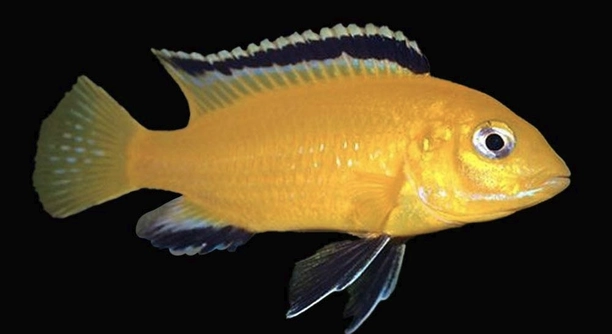
Cichlids are lively and intelligent fish that often interact with their aquarium environment in surprising ways. One common behavior many owners notice is their fascination with the air stone bubbles, which can seem playful or puzzling.
Cichlids bite the bubbles from the air stone mainly out of instinctive behavior and curiosity. They may mistake the bubbles for food, explore their surroundings, or engage in a natural activity that stimulates their hunting and foraging instincts.
Observing this behavior can provide insight into their environment and help ensure their tank remains engaging and healthy.
Reasons Cichlids Bite Air Stone Bubbles
Cichlids often bite air stone bubbles as a form of exploration and play. These fish are naturally curious, and the rising bubbles provide a moving target that catches their attention. In some cases, they may even see the bubbles as potential food, trying to catch and pop them. This behavior is more common in younger cichlids, who are more active and interested in their surroundings. Biting the bubbles can also serve as a way to release energy, especially if the tank is small or lacks enough enrichment items. Observing this activity can reveal patterns in their behavior, such as times of day when they are more active or how they interact with other tank mates. Tank setup, lighting, and water flow can all influence the frequency of bubble-biting. Understanding these factors helps create a stimulating and balanced environment for the fish, reducing stress and encouraging healthy activity.
Regularly biting the bubbles is generally harmless and often indicates healthy engagement with their environment.
Providing appropriate tank decorations and hiding spots can redirect attention and enhance mental stimulation.
Managing Bubble-Biting Behavior
Monitoring your cichlids’ behavior allows you to identify patterns and potential triggers for bubble-biting.
Offering a variety of enrichment items like plants, rocks, and floating decorations can reduce repetitive bubble-biting. Cichlids are intelligent and benefit from challenges that mimic natural foraging behaviors. Interactive feeding techniques, such as scattering food or using feeding rings, can redirect their focus and make mealtime more engaging. Adjusting water flow and air stone placement may also influence their interest, as overly strong currents or poorly positioned bubbles can encourage persistent biting. Regular observation and minor adjustments ensure that the tank remains stimulating without causing stress or frustration. By providing a balanced environment that encourages exploration, cichlids can maintain healthy activity levels, reduce repetitive behaviors, and enjoy a more enriched habitat. This approach not only addresses bubble-biting but also promotes overall well-being, supporting both physical health and natural instincts within the aquarium setting.
Observing Cichlids’ Bubble Interaction
Watching cichlids interact with bubbles can reveal patterns in their behavior. They may bite more frequently when excited, during feeding, or when the tank environment changes, showing their responsiveness to stimuli and overall curiosity.
Consistent bubble-biting often indicates active engagement. Some cichlids focus on the bubbles out of playfulness, while others may see them as targets to practice hunting instincts. This behavior is normal and can vary depending on the species, age, and tank conditions. Observing the frequency and intensity of biting helps determine whether the activity is purely playful or a sign of boredom or insufficient enrichment. Environmental factors, such as lighting and tank layout, also influence how often they interact with bubbles.
Recording these behaviors over time can help adjust tank setup. Tracking patterns allows for better understanding of cichlids’ needs, helping maintain a balanced and stimulating environment. Observations also help identify if modifications, like repositioning the air stone or adding decorations, could reduce repetitive behaviors and encourage natural exploration.
Adjusting Tank Setup
Proper tank setup can reduce obsessive bubble-biting while supporting cichlids’ natural instincts.
Placement of the air stone affects bubble-biting frequency. Adjusting water flow and positioning can make the bubbles less of a target. Adding plants, rocks, and hiding spots provides enrichment that diverts attention and encourages exploration. Using feeding techniques like scattered food or floating rings engages their hunting instincts, keeping them active and stimulated. Tank lighting and current levels also influence interaction with bubbles, as overly bright lights or strong currents can increase interest in popping bubbles. A well-balanced tank layout ensures that cichlids remain mentally and physically active.
Balancing enrichment and environmental factors helps maintain healthy activity levels. Providing variety and challenges prevents repetitive behaviors while keeping the tank engaging. Observing responses to changes allows fine-tuning of the setup to support both natural instincts and well-being. Over time, these adjustments help reduce unnecessary bubble-biting while keeping cichlids curious and active, improving their overall quality of life.
Common Misconceptions About Bubble-Biting
Many believe cichlids bite bubbles because they are hungry. While food may trigger interest, biting is often more about exploration and mental stimulation rather than actual hunger.
Another misconception is that bubble-biting harms the fish. In most cases, this behavior is harmless and part of their natural curiosity.
Signs of Stress or Boredom
If bubble-biting becomes excessive or is paired with other behaviors like aggression or hiding, it may indicate stress or boredom. Providing additional enrichment, rearranging tank decorations, or increasing interaction through feeding methods can help alleviate these issues and restore balance in the tank.
Encouraging Natural Behavior
Offering objects that mimic natural habitats helps cichlids stay engaged. Rocks, plants, and textured surfaces encourage foraging and exploration, reducing the need to focus solely on air stone bubbles.
FAQ
Why do cichlids bite air stone bubbles so often?
Cichlids are naturally curious and intelligent fish. They explore their environment using sight and touch, and the rising bubbles provide a moving target that draws their attention. Younger or more active fish are usually more engaged, and this behavior can be a way to practice hunting instincts or release energy.
Is bubble-biting harmful to cichlids?
For the most part, bubble-biting is harmless. It does not damage their mouths or fins and is generally a form of play or mental stimulation. However, if a fish becomes obsessive or aggressive while interacting with bubbles, it could indicate stress or boredom, which may require adjustments to the tank environment.
Can bubble-biting indicate hunger?
Sometimes, cichlids may associate bubbles with feeding times, especially if they are used to floating or scattered food. While hunger can increase interest, the behavior is primarily exploratory rather than a direct response to food. Offering a balanced feeding routine helps manage this behavior.
How can I reduce excessive bubble-biting?
Providing more enrichment is key. Adding rocks, plants, or floating objects gives the fish alternative targets to explore. Changing the air stone’s placement, adjusting water flow, or varying feeding methods can redirect their attention, making the tank more stimulating and reducing repetitive bubble-biting.
Do all cichlids bite bubbles?
Not every cichlid exhibits this behavior. Bubble-biting depends on the species, age, temperament, and tank conditions. Some are naturally more active or curious, while others may ignore bubbles entirely. Observing individual behavior helps identify patterns and tailor the tank setup.
Can bubble-biting indicate stress?
Occasionally, excessive or obsessive bubble-biting may signal stress or lack of stimulation. Signs to watch for include hiding, aggression, or lethargy. Adjusting the tank environment, providing more enrichment, and ensuring water quality remains high can help reduce stress-related behaviors.
Does tank size affect bubble-biting?
Yes, smaller tanks can increase repetitive behaviors like bubble-biting because there is less space to explore. Larger, well-decorated tanks offer more opportunities for activity, allowing fish to distribute their energy across multiple stimuli rather than focusing solely on the bubbles.
Will changing air stone placement help?
Adjusting the air stone can influence how often cichlids bite bubbles. Moving it to a different area or changing the flow strength can make bubbles less of a target or encourage interaction in a more controlled way, which helps manage repetitive behavior.
Can bubble-biting be a sign of boredom?
Yes, when other enrichment is limited, cichlids may focus on bubbles out of boredom. Providing plants, rocks, hiding spots, and varying feeding techniques encourages natural foraging behavior and reduces reliance on air stone interaction.
Should I be concerned about tankmates when bubbles are bitten?
Occasionally, bubble-biting can trigger aggression if other fish compete for attention or food. Observing interactions and arranging decorations to create multiple activity zones can minimize conflicts and ensure all tank inhabitants remain comfortable and stimulated.
How do I encourage natural behaviors besides bubble-biting?
Offering varied decorations, hiding spots, and enrichment items mimics natural habitats. Scattering food, using floating feeding rings, and providing textured surfaces encourage exploration and foraging. Engaging their instincts reduces repetitive behaviors and keeps cichlids mentally and physically active.
Does water quality affect bubble-biting?
Water conditions impact all behaviors. Poor water quality can increase stress, which may intensify repetitive bubble-biting or aggression. Regular maintenance, proper filtration, and monitoring parameters like temperature, pH, and ammonia levels support overall health and reduce behavior linked to stress.
Can I use this behavior to gauge fish health?
Bubble-biting can provide insight into activity levels and engagement. Healthy, curious cichlids are more likely to interact with their environment. A sudden decrease in interest or excessive fixation can indicate stress, illness, or environmental issues that need attention.
What is the best long-term approach to managing bubble-biting?
Focus on creating a stimulating, well-balanced environment. Provide enrichment, monitor tank conditions, vary feeding routines, and observe individual behaviors. Adjustments should prioritize natural instincts and well-being, which reduces repetitive behaviors and ensures cichlids remain healthy, active, and engaged.
Cichlids biting air stone bubbles is a common behavior that reflects their natural curiosity and intelligence. This activity is usually harmless and serves as a way for the fish to explore their environment, release energy, and engage their instincts. Observing this behavior provides insight into how cichlids interact with their surroundings and can help owners understand their personalities and needs. Each fish may approach the bubbles differently depending on species, age, and temperament, making it interesting to watch over time. While some cichlids may ignore bubbles entirely, others can spend considerable time interacting with them, using the movement as a form of mental stimulation and engagement. Recognizing that bubble-biting is generally a normal activity allows owners to respond appropriately without unnecessary worry, focusing instead on maintaining a healthy and stimulating tank environment that meets the fish’s natural behaviors and instincts.
Managing this behavior effectively involves providing a balanced and enriching environment. Proper tank setup is crucial, as the size, layout, and placement of decorations can influence how much attention cichlids give to the air stone. Adding plants, rocks, and other hiding spots offers alternative stimuli, encouraging exploration and reducing repetitive behaviors. Adjusting water flow or repositioning the air stone can also help direct attention to different areas of the tank. Feeding techniques such as scattering food or using floating rings can simulate natural foraging, keeping the fish engaged and mentally active. Monitoring behavior over time allows owners to identify patterns, such as increased activity during feeding or at certain times of day, and make small adjustments to maintain a balanced environment. A focus on enrichment, proper layout, and consistent care ensures that bubble-biting remains a playful and harmless behavior rather than a sign of stress or boredom.
Observing and supporting cichlids in their natural behaviors contributes to their overall health and well-being. Recognizing the reasons behind bubble-biting, such as curiosity, playfulness, or instinctive hunting behaviors, allows for a more thoughtful approach to care. By providing adequate stimulation, maintaining water quality, and arranging a visually interesting tank, owners can create an environment where cichlids thrive. Adjustments should aim to support mental and physical activity, offering opportunities for engagement beyond the air stone. Tracking changes in behavior, noting excessive or obsessive interactions, and responding with appropriate enrichment or environmental modifications helps maintain a healthy balance. In the long term, understanding these behaviors and taking small, deliberate steps to encourage natural activity ensures that cichlids remain happy, active, and healthy while reducing unnecessary stress or repetitive actions. A well-planned environment ultimately allows the fish to display their natural intelligence and curiosity in a safe and stimulating way.

Hello,
If you enjoy the content that we create, please consider saying a "Thank You!" by leaving a tip.
Every little bit helps us continue crafting quality advice that supports the health, happiness, and well-being of pets around the world, for pets of all shapes, sizes, and species.
We really appreciate the kindness and support that you show us!