
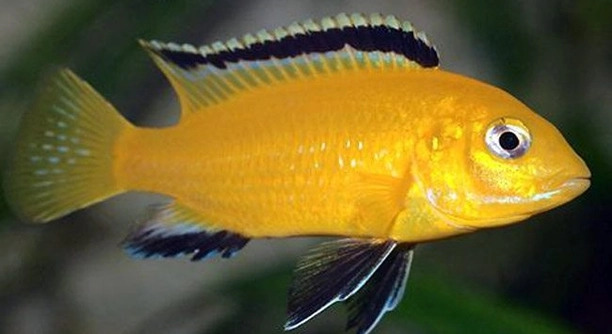
Cichlids are fascinating fish with bright colors and lively personalities. Watching them interact in a tank can be entertaining, but sometimes they peck at empty spots for no obvious reason. This behavior can be confusing for many fish owners.
Cichlids sometimes peck at empty spots due to territorial instincts, feeding habits, or environmental cues. They may mistake reflections, shadows, or previously occupied areas as objects or competitors, prompting this behavior even when no food or fish are present.
Learning more about these behaviors can help you create a calmer, healthier tank environment and better understand the natural instincts of your cichlids.
Understanding Territorial Behavior
Cichlids are naturally territorial. In a tank, they often claim certain rocks, caves, or patches of substrate as their own. When they peck at empty spots, it can be a way of marking or defending these areas. Even if no other fish are present, the spots may hold significance from previous interactions or feeding times. Over time, certain areas of the tank can become “hot spots” where your fish frequently peck, dig, or rearrange the substrate. This behavior is more noticeable in species known for strong territorial instincts. Observing which spots your cichlid targets can reveal patterns related to feeding, hiding, or establishing dominance. Adjusting tank layout and providing ample hiding spaces can reduce stress and repetitive pecking. Offering enrichment, such as plants or décor, can redirect this behavior toward safe targets, helping maintain a calmer environment and protecting your tank’s decorations from constant rearrangement.
Territorial pecking is usually harmless if the tank is large enough and well-structured. It’s a normal part of their instinct.
Watching your cichlid interact with empty spots over days helps you notice triggers, whether it’s the location, nearby objects, or timing related to feeding. Adjusting the environment can make a difference, and sometimes even small changes, like moving a decoration or adding a plant, can reduce excessive pecking. Observing their behavior closely also gives insight into their personality and preferences.
Feeding Instincts and Empty Spots
Pecking can also relate to feeding instincts. Fish may explore areas where food was previously placed, even if nothing is currently there.
When cichlids see areas they associate with feeding, they instinctively check those spots. This behavior is common in tanks where food is sprinkled in specific locations, creating strong associations. Over time, the fish may continue pecking at these spots out of habit. The behavior can appear repetitive, but it is a natural response rather than a sign of hunger. Adjusting feeding methods, like scattering food more evenly or varying feeding locations, can help reduce this pecking. Additionally, ensuring your cichlids receive the right type and amount of food supports overall health, making them less likely to obsess over empty spots. Monitoring how often and where they peck provides clues about their habits and can guide adjustments to feeding schedules and tank layout, creating a more balanced and peaceful environment. Observing these behaviors carefully allows you to respond appropriately, promoting the fish’s wellbeing.
Environmental Triggers
Empty spots can attract cichlids due to changes in lighting, reflections, or shadows. These visual cues may make the fish believe something is present, prompting pecking and exploration.
Cichlids are sensitive to their surroundings. A shiny rock, a sudden beam of light, or a reflection from a glass wall can catch their attention and trigger pecking. Even minor movements outside the tank, like someone walking by or sunlight hitting the water at a certain angle, can create perceived threats or opportunities. This behavior is instinctive, helping them react quickly to potential food or intruders. Adjusting tank lighting and reducing reflective surfaces can help minimize unnecessary pecking at empty spots, creating a more predictable and comfortable environment for the fish. Over time, these adjustments often reduce repetitive behavior.
Tank decorations and substrate changes can also provoke pecking. Moving rocks or plants can make the fish think a new competitor or food source has appeared. Watching how cichlids respond to these changes helps in arranging the tank effectively.
Stress and Social Dynamics
Stress or social tension within the tank can increase empty spot pecking. Dominant fish often mark areas or intimidate others through repeated pecking.
In tanks with multiple cichlids, hierarchical dynamics strongly influence behavior. Lower-ranking fish may peck at empty spots to avoid conflict while still asserting presence, or dominant individuals may patrol and peck at vacant areas as a display of authority. Environmental stressors, such as overcrowding, sudden temperature shifts, or poor water quality, can also amplify this behavior. Providing enough hiding spaces and carefully observing interactions helps reduce tension and prevents repetitive pecking. Adjusting tank population and ensuring compatible species coexist peacefully supports a healthier social structure, minimizing stress-related behaviors and promoting natural interactions without constant territorial displays.
Mistaken Reflections
Reflections in the tank can confuse cichlids, making them think another fish is present. They may peck at these empty spots repeatedly.
Glass walls and shiny decorations often create mirrored images. Cichlids may perceive these as rivals, prompting defensive or territorial behavior, even when no other fish exist.
Substrate Preferences
Cichlids often dig or peck at certain substrate types. Sandy or loose gravel areas are more likely to attract pecking and rearranging behaviors as they search for food or create hiding spots.
Feeding Patterns
Fish quickly learn where food usually appears. Even after meals, they may return to those spots, expecting more, which explains repeated pecking at empty areas.
Tank Size
Smaller tanks can increase pecking behaviors. Limited space intensifies territorial instincts and makes empty spots more noticeable, leading to frequent interactions.
Why do my cichlids keep pecking at empty spots even after feeding?
Cichlids often associate specific areas with food. Even after a meal, they may return to these spots out of habit or expectation. This behavior is linked to their natural foraging instincts. If food was regularly placed in one location, the fish learn to check that spot repeatedly. Over time, the pecking can appear excessive, but it is simply their way of making sure they don’t miss any leftover food. Adjusting feeding locations or scattering food across the tank can reduce this repetitive behavior and help keep the fish engaged in healthier, exploratory activities rather than fixating on empty areas.
Is empty spot pecking a sign of stress or illness?
Not necessarily. Pecking at empty spots is usually a natural behavior related to territoriality, social interaction, or feeding patterns. However, stress can amplify the behavior. Overcrowded tanks, poor water quality, or aggressive tankmates may increase pecking as fish try to assert dominance or cope with tension. Watching your cichlids for additional signs, like changes in appetite, color, or activity levels, can help determine if stress or illness is involved. Addressing environmental conditions and maintaining a clean, well-structured tank will reduce unnecessary pecking while supporting overall fish health.
How can I prevent my cichlids from pecking at empty spots?
Reducing empty spot pecking involves addressing environmental triggers, feeding habits, and social dynamics. Adding hiding spaces, plants, or rocks can give fish areas to explore, redirecting their attention. Scattering food instead of placing it in one location minimizes habitual pecking at specific spots. Observing tank interactions helps you identify dominant or stressed fish, allowing adjustments to population, species compatibility, or décor layout. Slight changes in lighting or removing reflective surfaces can also reduce visual triggers. By combining these strategies, the behavior typically decreases without restricting natural instincts, creating a calmer and more balanced environment for your cichlids.
Do all cichlid species peck at empty spots the same way?
No, behavior varies by species. Some cichlids are more territorial and may peck frequently at empty areas to assert dominance. Others are less aggressive and may only peck occasionally or during feeding. Knowing your species’ typical behavior helps predict and manage pecking tendencies. Researching species-specific habits and environmental needs ensures you can provide the right tank setup and enrichment. Some species prefer sandy substrates for digging, while others enjoy rocky areas. Matching tank conditions to natural preferences reduces unnecessary pecking and supports the fish’s wellbeing, while still allowing them to display normal behaviors safely.
Can changing the tank layout help reduce empty spot pecking?
Yes, rearranging décor, plants, or substrate can redirect attention. Introducing new hiding spots or altering the placement of rocks can create fresh areas to explore. Avoid moving items too often, as sudden changes may temporarily increase pecking while fish adjust. Observing their response after changes helps determine which areas trigger repeated pecking. Combining layout adjustments with proper feeding techniques and sufficient space usually minimizes unnecessary pecking, while maintaining the fish’s natural behaviors. Providing visual barriers and varied textures can keep the environment stimulating, reducing boredom-driven pecking without limiting the fish’s instincts or curiosity.
Is pecking harmful to my cichlids?
In most cases, pecking at empty spots is harmless. It becomes a concern only if it leads to injury, stress, or disrupted social dynamics. Constant pecking may damage delicate fins, substrate, or decorations. Monitoring behavior and providing enrichment ensures fish remain active and healthy without repetitive, harmful actions. Proper tank maintenance and attention to environmental factors keep this behavior safe.
When should I consult a vet about pecking behavior?
If pecking is accompanied by signs of illness, injury, or extreme aggression, consultation is advised. Look for abnormal swimming, loss of appetite, discoloration, or wounds. A professional can rule out health issues and offer guidance on tank conditions, diet, or social adjustments. Early intervention prevents stress-related complications and supports long-term wellbeing.
Cichlids are naturally curious and active fish, and pecking at empty spots is a normal part of their behavior. This action can stem from a variety of instincts, including territoriality, feeding habits, and environmental awareness. Even when no food or other fish are present, they may return to familiar locations, checking for potential opportunities or threats. Understanding that this behavior is typical for many species can help reduce concern. Observing which spots are targeted most frequently allows you to recognize patterns related to their daily routines or preferences, making it easier to manage the tank environment effectively.
The environment you provide plays a big role in how often cichlids peck at empty areas. Tank size, decorations, substrate, and hiding spaces all influence behavior. Smaller tanks or limited hiding areas can increase territorial instincts and make empty spots seem more important. Adding plants, rocks, or varied substrate gives fish new areas to explore and can redirect pecking toward safe targets. Lighting and reflections also matter, as fish may respond to shadows or mirrored surfaces. Small adjustments in these factors often reduce repetitive behavior while still allowing cichlids to express natural instincts safely. Feeding routines are equally important. Cichlids quickly learn where food appears, and habitual pecking at those spots is common. Scattering food or varying locations can reduce fixation and encourage a more balanced, exploratory feeding pattern.
Social interactions between fish are another important factor. Dominant individuals may peck at empty spots to assert authority, while less dominant fish may do so to mark territory or avoid conflict. Overcrowding, incompatible species, or stressful conditions can amplify pecking. Observing how your cichlids interact helps identify triggers and determine whether changes in population, tank layout, or environmental enrichment are needed. Providing enough space and hiding areas promotes a calmer environment, allowing natural behaviors without unnecessary stress. With attention to habitat, feeding, and social dynamics, most cichlids will continue their active exploration without harm, and their pecking at empty spots becomes an understandable and manageable part of their behavior.

Hello,
If you enjoy the content that we create, please consider saying a "Thank You!" by leaving a tip.
Every little bit helps us continue crafting quality advice that supports the health, happiness, and well-being of pets around the world, for pets of all shapes, sizes, and species.
We really appreciate the kindness and support that you show us!