
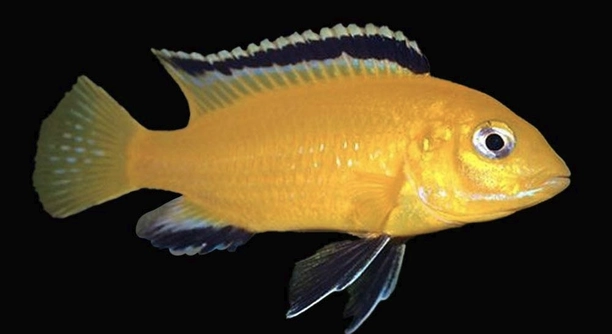
Have you ever noticed your electric yellow cichlid acting in ways that seem completely random or confusing? These bright, energetic fish often display behaviors that leave even experienced owners scratching their heads. Understanding them can feel tricky at first.
Electric yellow cichlid behavior can be influenced by many environmental, social, and biological factors. These include territorial instincts, stress levels, water conditions, diet, breeding cycles, and interactions with other fish, all of which can shape how these fish act in captivity.
Learning about these influences can make caring for your cichlid easier. Observing their habits closely often reveals patterns that explain what seemed like random behavior.
Aggressive Territorial Behavior
Electric yellow cichlids are known for staking out their territory in the tank. They may chase or nip at other fish that come too close, especially during breeding. This behavior is natural, as it helps them feel secure and protects their space. Even in a well-planted or spacious tank, these fish may still display bursts of aggression. Understanding that this is instinctual makes it easier to manage and prevent stress in the tank. Adjusting the layout with hiding spots or dividing the tank can reduce confrontations. Observing how different fish interact helps identify which individuals may need extra space or separation. Sometimes, aggression is not constant but appears in waves tied to mood, dominance, or environmental changes. Tankmates that are too passive or too small can be targets, while similarly sized fish tend to balance the aggression. Maintaining stable water conditions also minimizes stress-driven fights.
Aggression usually spikes when new fish are introduced or during breeding periods.
Managing territory issues often involves careful tank design. Rocks, plants, and caves allow cichlids to claim areas without constant conflict. Providing multiple hiding spots helps reduce stress, while monitoring interactions ensures no fish is overly harassed. Separating overly aggressive individuals may be necessary in smaller tanks. Observing patterns over time shows when aggression is temporary or persistent. Adjusting feeding times and locations can also reduce competition. Sometimes, simply increasing tank size or rearranging decor helps reset territorial boundaries. Recognizing natural instincts rather than overreacting makes handling aggression easier. Consistency in care, diet, and environment ensures the fish remain healthy and less prone to unnecessary fighting.
Unpredictable Feeding Behavior
Electric yellow cichlids can suddenly refuse food or eat more aggressively than usual. This change is often linked to stress, water quality, or social dynamics.
Feeding habits vary based on the fish’s mood, health, or interactions with tankmates.
It is common to see them suddenly lose interest in food or become competitive during feeding times. Changes in water temperature, pH, or ammonia levels can reduce appetite. Stress from aggressive tankmates or overcrowding can also impact feeding behavior. Overfeeding or inconsistent feeding schedules may cause irregular eating patterns. Some fish may hoard food or chase others away, while others hide and eat later. Observing their feeding patterns can help adjust portions, timing, or tank setup. A varied diet with high-quality pellets, frozen, or live foods encourages proper nutrition. Monitoring for illness, such as signs of swelling or lethargy, ensures feeding changes are not health-related. Small adjustments in the environment, like adding more hiding spots, can also improve confidence during feeding. Consistent water testing and observation often reveal the underlying reasons for unusual feeding behaviors.
Hiding and Shy Behavior
Electric yellow cichlids sometimes retreat and hide even in a well-set tank. This can occur when they feel stressed, threatened, or unsure of new surroundings.
Shyness often happens when tankmates are aggressive or the environment lacks enough hiding spaces. Fish may use caves, plants, or decorations to feel safe. Stress from sudden water changes, loud noises, or overcrowding can increase hiding tendencies. Over time, shy fish may adjust if the tank is calm and stable, gradually exploring more. Observing these patterns helps identify stress sources. Adjusting tank decor or separating aggressive fish can reduce hiding.
Some cichlids may spend most of the day in their hiding spots and only emerge during feeding or quiet periods. Patience and consistency in care help them feel secure, while small improvements in environment encourage confident behavior.
Color Changes and Mood
Electric yellow cichlids may change colors slightly depending on mood, health, or environment. Stress, dominance, or excitement can trigger darker or lighter shades.
Color shifts are often linked to social hierarchy, breeding readiness, or stress. Fish may darken when threatened or when establishing dominance, and become brighter when comfortable or healthy. Environmental factors, like lighting and water quality, also influence coloration. Inconsistent diet or illness can dull colors over time. Paying attention to these changes provides clues about well-being and social dynamics. Regular observation and maintaining stable conditions support consistent and vibrant coloring.
Gradual or sudden color changes can signal health issues or social tension. Adjusting tank setup, providing hiding spots, and ensuring proper diet improves mood and coloration. Dominant individuals may exhibit darker shades, while submissive fish lighten temporarily. Tracking these patterns helps anticipate conflicts or stress. Consistent water parameters, varied diet, and proper tank space reduce extreme color fluctuations and support overall well-being.
Restless Swimming
Electric yellow cichlids often swim rapidly or in circles for no obvious reason. This behavior can indicate excitement, stress, or territorial patrolling.
Restless swimming may also occur when the tank is too small or lacks hiding spots. Adjusting space and decor can reduce stress.
Interaction with Tankmates
Cichlids show complex social behaviors with other fish. Aggression, submission, or curiosity can all appear depending on hierarchy. Observing interactions helps identify which fish are compatible.
Breeding Behavior
During breeding periods, electric yellow cichlids may clean surfaces, guard areas, or display brighter colors to attract mates and protect eggs.
Why does my electric yellow cichlid suddenly hide for long periods?
Hiding is often a response to stress or perceived threats. Even in a calm tank, changes such as new tankmates, rearranged decorations, or water parameter shifts can make a fish feel insecure. Providing multiple hiding spots like caves or dense plants allows the fish to retreat safely without feeling constantly threatened. Observing how often and when your cichlid hides can reveal patterns linked to tank conditions or social dynamics. Gradually, a stable environment encourages exploration and reduces prolonged hiding behavior.
Why does my cichlid chase other fish aggressively?
Chasing is mostly territorial behavior. Electric yellow cichlids naturally defend their space and assert dominance, especially during breeding or when establishing hierarchy. Aggression can be intensified if the tank is overcrowded or lacks adequate visual barriers. Creating defined spaces with rocks, plants, and decorations allows the fish to patrol their area without constant conflict. Monitoring interactions helps determine if aggression is temporary or persistent. Separating overly dominant fish may be necessary in smaller tanks. Consistent water quality and balanced diet reduce stress-driven aggression.
Why does my cichlid refuse food sometimes?
Appetite changes are common and often linked to stress, water conditions, or social pressure. Aggressive tankmates may intimidate the fish during feeding, while sudden water parameter shifts can reduce interest in food. Offering food at different times or using multiple feeding spots helps ensure all fish eat. Nutritional variety, including high-quality pellets, frozen, or live foods, encourages consistent eating. Sudden refusal could also indicate illness, so monitoring for other signs like lethargy, color changes, or bloating is important.
Why does my electric yellow cichlid change color frequently?
Color changes usually reflect mood, health, or social standing. Darkening can signal stress or territorial dominance, while brighter colors indicate comfort and well-being. Environmental factors like lighting, water quality, and diet influence coloration. Sudden or dramatic shifts may signal illness or poor conditions. Tracking these changes helps identify underlying issues, whether social stress, nutritional deficiencies, or water imbalance. Gradual adjustment of tank conditions, providing hiding spots, and maintaining stable water parameters support consistent, healthy coloration over time.
Why is my cichlid restless and swimming in circles?
Restless swimming often indicates excitement, stress, or territorial patrolling. Fish may swim rapidly when they feel confined, anxious, or are trying to establish dominance. Ensuring enough space, reducing overcrowding, and providing visual barriers help calm these behaviors. Regular observation helps distinguish between normal energy bursts and stress-induced agitation. Environmental stability, including temperature, filtration, and consistent feeding, also plays a role in reducing restless swimming.
Why does my cichlid behave differently during breeding periods?
Breeding triggers instinctive behaviors like surface cleaning, guarding territory, and displaying bright colors. These behaviors are natural and should be expected if the fish are healthy. Providing flat surfaces for egg-laying, separating overly aggressive individuals, and monitoring water quality ensures safe breeding. Understanding these behaviors helps prevent misinterpretation as aggression or illness. Breeding periods can also temporarily intensify interactions with other fish, making proper tank design and space essential for maintaining peace.
Why does my cichlid interact strangely with certain tankmates?
Electric yellow cichlids have complex social dynamics. They may show curiosity, submission, or aggression depending on hierarchy and compatibility. Monitoring interactions identifies which fish coexist well and which need separation. Incompatible tankmates may trigger stress behaviors, hiding, or aggression. Adjusting population, tank layout, and hiding spots reduces conflict. Observing behavior patterns over time allows better management of social balance, ensuring each fish maintains confidence and well-being within the community.
Why does my cichlid sometimes ignore humans?
Ignoring human presence is normal and often linked to personality, comfort, or tank routine. Some cichlids are naturally shy or focused on territorial defense. Consistent feeding, calm observation, and minimal sudden disturbances help build trust over time. Patience and understanding that not all fish respond actively to humans ensures a less stressful interaction for both the fish and owner.
Why does my cichlid sometimes appear lethargic?
Lethargy can be caused by stress, poor water quality, insufficient oxygen, or illness. Checking temperature, pH, ammonia, and nitrite levels is crucial. A balanced diet and proper tank size improve energy levels. Observing the fish for other signs of disease, such as color changes or unusual swimming, helps determine if intervention is needed. Gradual adjustments and consistent care support recovery and prevent recurring lethargy.
Why does my cichlid display sudden bursts of energy?
Sudden bursts of energy often occur during feeding, territorial defense, or exploration. These short-lived behaviors are normal unless combined with other stress signs. Ensuring adequate tank space, environmental enrichment, and stable water conditions helps regulate activity levels. Observing when these bursts occur allows better understanding of triggers, whether social interactions, feeding routines, or environmental changes.
Electric yellow cichlids are fascinating fish with personalities that can surprise even experienced owners. Their behaviors can seem confusing at first, from sudden hiding to bursts of energy, color changes, or territorial aggression. Each action has a reason, whether it is linked to instinct, environment, social interaction, or health. Observing them closely over time reveals patterns that make their behavior easier to understand. Even subtle changes, like slight shifts in color or appetite, can provide important clues about their well-being. By paying attention and responding thoughtfully, caring for these fish becomes more predictable and rewarding.
Maintaining a stable and well-structured environment is key to supporting healthy behavior in electric yellow cichlids. Proper tank size, water quality, hiding spots, and visual barriers reduce stress and prevent conflicts. Providing a balanced diet and consistent feeding schedule helps manage both energy levels and aggression. It is also important to carefully choose tankmates, as social dynamics strongly influence behavior. Some aggression, chasing, or dominance displays are normal, but persistent fighting or hiding can signal environmental problems or overcrowding. Small adjustments, like rearranging decorations, adding plants, or creating separate zones, often make a big difference in how comfortable and confident your cichlids feel.
Understanding these fish requires patience and careful observation. Behavioral changes are rarely random; they reflect underlying needs or conditions. By learning to interpret signs of stress, excitement, or health issues, owners can respond in ways that support the fish’s natural instincts while maintaining a harmonious tank environment. Over time, electric yellow cichlids develop more predictable routines, and owners become more confident in managing their behaviors. Consistent care, attention to water parameters, and thoughtful tank design allow these fish to thrive, showing off their bright colors, personality, and fascinating behaviors. Caring for them can be a fulfilling experience, rewarding those who take the time to understand their unique ways.

Hello,
If you enjoy the content that we create, please consider saying a "Thank You!" by leaving a tip.
Every little bit helps us continue crafting quality advice that supports the health, happiness, and well-being of pets around the world, for pets of all shapes, sizes, and species.
We really appreciate the kindness and support that you show us!