
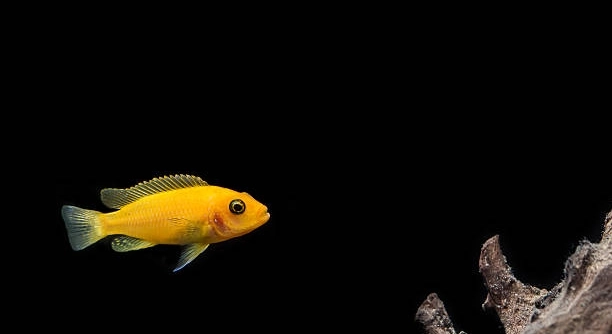
Are your cichlids acting nervous or hiding more than usual in their tank? Many owners notice their fish flinch or dart around when startled, making it hard to enjoy their natural beauty and peaceful presence.
Using rock structures in a cichlid’s aquarium can significantly reduce stress. Properly placed rocks provide hiding spots and territorial boundaries, allowing fish to feel secure while maintaining normal behavior. This setup supports mental well-being and reduces aggression among tank mates.
Providing these calm spaces with rocks can create a more stable environment. Small changes in layout often make a big difference for your cichlid’s comfort.
Choosing the Right Rocks for Your Cichlid Tank
Not all rocks are safe for cichlids. Some types can alter the water’s pH or release harmful substances. It is important to select rocks that are stable and non-toxic. Popular choices include slate, lava rock, and smooth river stones. These rocks are durable and unlikely to change water chemistry. Avoid limestone or marble unless your species prefers harder water, as these can raise pH unexpectedly. Before placing any rock, rinse it thoroughly to remove dust or dirt that may cloud the water. Consider the size of your cichlid when picking rocks. Smaller fish may need hiding spaces between tighter gaps, while larger species require sturdier, more spacious structures to explore without risk of injury. A mix of flat rocks and caves can mimic a natural habitat. Position rocks in clusters to create territories and visual breaks, which helps reduce stress and aggression among tank mates. The more secure the environment feels, the calmer your cichlid will be.
Rocks should be arranged to prevent toppling. Stability is more important than decoration.
Layering rocks from largest to smallest provides a natural feel and safer environment. This also allows your cichlid to establish territories and retreat when needed, reducing nervous behavior while keeping the tank visually interesting.
Placing Rocks to Reduce Stress
Rocks should be spread evenly to provide multiple hiding spots and resting areas for cichlids.
Place rocks in a way that balances open swimming space and shelter. Avoid crowding the tank; give your fish clear pathways to move freely. Create caves and overhangs to help shy or stressed fish feel secure. Changing the layout periodically can help stimulate curiosity without causing anxiety. Observe how your cichlid reacts to each arrangement and adjust accordingly. Some fish prefer solitary spots, while others enjoy social clusters. A calm fish is more likely to explore, feed well, and interact normally with tank mates. By thoughtfully placing rocks, you are not only improving aesthetics but directly supporting your cichlid’s mental and physical health. Small adjustments, like angling a flat rock or widening a crevice, can make a big difference in their comfort and reduce hiding or frantic swimming behavior. Monitoring your fish after each change ensures the arrangement continues to meet their needs while promoting a peaceful tank environment.
Adjusting Rock Layout Over Time
Rocks can be rearranged gradually to observe how your cichlid responds. Small changes help maintain comfort while encouraging exploration and reducing boredom.
Start with minor shifts, like moving a single rock or opening a new hiding spot. Monitor how your cichlid reacts, watching for signs of stress such as rapid swimming or hiding. Some fish adjust quickly, while others need several days to feel secure in the new layout. Avoid major changes all at once, as this can trigger anxiety and territorial disputes. Over time, small adjustments can keep your tank dynamic while supporting a calm, confident cichlid that feels safe in its environment.
Rearranging rocks also encourages natural behaviors like digging, hiding, and exploring. Providing varied spaces can reduce aggression between tank mates. Watching your cichlid navigate these changes gives insight into its preferences and personality.
Changing rock positions periodically prevents your cichlid from becoming bored with a static environment. It stimulates curiosity without causing stress, as long as adjustments are gradual. Fish respond well to stable but varied surroundings, which can help reduce nervousness and improve overall well-being. Observing their reactions ensures the tank remains comfortable and safe while keeping their habitat interesting.
Combining Rocks with Plants
Plants complement rocks by offering additional shelter and softening the tank’s layout. They create shaded areas and more hiding spots for shy cichlids.
Using plants with rocks enhances security and natural behavior. Tall or bushy plants near rock clusters can form visual barriers, giving fish private zones. Floating plants also reduce light intensity, calming fish prone to stress. Plant roots can stabilize smaller rocks, preventing accidental shifts. Some species enjoy digging around plant bases, which mimics natural environments. Choosing hardy plants that withstand digging and occasional nibbling is essential. This combination allows cichlids to establish territories and move freely, reducing aggression and nervous behavior. A balanced mix of rocks and plants supports both physical activity and mental stimulation.
Strategically pairing rocks with plants creates multiple layers in the tank, improving aesthetics and function. Plants provide texture and contrast against hard surfaces, while rocks offer solid hiding spots. This layered environment encourages natural interaction, exploration, and territorial behaviors, making your cichlid more comfortable. By observing how fish use both elements, you can adjust placement for optimal safety and enrichment. Over time, this combination can reduce stress, promote healthy activity levels, and create a visually pleasing tank that meets the needs of both shy and more assertive cichlids.
Monitoring Fish Behavior
Observe how your cichlid interacts with the rocks daily. Notice hiding patterns, swimming routes, and any signs of stress or comfort.
Keep a simple log of changes in behavior after adjusting rock placement. This helps identify which areas make your fish feel secure and which may cause anxiety.
Cleaning and Maintenance
Rocks and surrounding areas should be cleaned regularly to prevent algae buildup or harmful bacteria. Remove debris carefully without disturbing the overall layout. Consistent maintenance ensures the tank remains safe, visually appealing, and supportive of your cichlid’s calm behavior.
Avoiding Sharp or Unstable Rocks
Always check rocks for sharp edges or loose fragments. These can injure your fish or damage fins. Selecting smooth, stable rocks prevents accidents while maintaining a safe, stress-free environment.
FAQ
How many rocks should I use in my cichlid tank?
The number of rocks depends on tank size and fish species. A general approach is to create multiple hiding spots while leaving open swimming areas. Too few rocks can stress shy cichlids, while too many can overcrowd the tank and limit movement. A balanced mix of clusters and open spaces works best.
Can any type of rock be used?
Not all rocks are safe. Avoid rocks that dissolve or change water chemistry, like limestone or marble, unless your cichlid species prefers harder water. Safe options include slate, lava rock, and smooth river stones. Always rinse rocks thoroughly before placing them in the tank.
How should I arrange the rocks for territorial cichlids?
Place rocks in clusters with multiple caves and overhangs. This allows fish to claim small territories and reduces aggression. Ensure that larger fish have stable, spacious areas, while smaller or shy fish can access tight hiding spots. Gradual rearrangements help fish adjust without stress.
Do rocks need to be cleaned often?
Yes, regular cleaning prevents algae buildup and harmful bacteria. Use a gentle brush and avoid harsh chemicals. Cleaning also keeps crevices safe and prevents blockages where waste could accumulate. Rocks should be stable while cleaning to avoid stress or injury.
Can rock layouts affect aggression?
Absolutely. A well-structured rock layout can reduce aggression by providing visual breaks and hiding spots. Territorial cichlids benefit from clearly defined areas. Observing fish behavior after arranging rocks helps identify which areas encourage calm interactions and which trigger disputes.
Should plants be added with rocks?
Adding plants with rocks enhances hiding spots and shading. Tall or bushy plants near rock clusters create privacy zones. Floating plants soften light and calm fish prone to stress. Use hardy plants that withstand digging or nibbling to maintain a stable environment.
Is it okay to change rock placement often?
Minor changes are beneficial, but avoid drastic shifts. Gradually moving a rock or opening a new cave encourages exploration without stress. Watch your cichlid’s reactions and adjust slowly. Frequent, sudden changes can cause anxiety and disrupt established territories.
What size rocks are appropriate?
Rocks should be sized to match your cichlid species. Smaller fish need narrow crevices, while larger fish require spacious, sturdy structures. Avoid rocks that could topple or trap a fish. Proper sizing ensures safety and supports natural behavior like hiding and exploring.
Can rocks help calm nervous cichlids permanently?
Rocks provide long-term comfort if placed thoughtfully. Combined with plants and gradual adjustments, they create secure areas that reduce hiding, frantic swimming, and stress. Monitoring behavior ensures that the tank remains supportive, and small layout tweaks can maintain a calm environment.
How do I know if my cichlid feels secure?
A calm cichlid will explore freely, interact with tank mates without excessive hiding, and feed normally. If it regularly retreats to the same spot or appears tense, adjustments may be needed. Observing body language, swimming patterns, and territory use gives clear insight into comfort levels.
Can rocks impact water quality?
Some rocks can alter pH or hardness, but safe options like slate or lava rock are stable. Rinsing rocks before use removes dust and debris. Regular maintenance, including monitoring water parameters, ensures that rocks contribute to a healthy, stress-free tank.
Is it necessary to provide multiple hiding spots?
Yes, multiple hiding spots prevent stress and reduce aggression. Cichlids feel safer when they can choose their location. Rocks, caves, and plant cover together create layers of security, encouraging natural behavior and minimizing nervous reactions in the aquarium.
How do I prevent rocks from toppling?
Stack rocks from largest to smallest and avoid unstable formations. Anchoring smaller rocks against stable surfaces and using flat bases prevents accidental shifts. This protects your cichlid from injury and maintains a secure environment for exploring and resting.
Do all cichlids benefit equally from rocks?
Most cichlids benefit, but species preferences vary. Some are more territorial, while others are shy and need tighter spaces. Understanding your cichlid’s natural behavior helps determine rock type, layout, and the number of hiding spots needed to reduce stress effectively.
Can rocks replace plants entirely?
Rocks provide shelter and structure, but plants add shading, soft surfaces, and enrichment. Combining both is ideal for mental and physical health. Some shy species use plants for extra cover, while rocks give stable, secure territories. Together, they create a balanced environment that supports calm behavior.
How do I introduce new rocks safely?
Rinse new rocks thoroughly and place them gradually in the tank. Monitor fish reactions and adjust positions slowly. Sudden introduction of large or sharp rocks can cause stress or injury. Observing your cichlid ensures the new additions are both safe and comforting.
What signs indicate rocks are helping?
Fish exploring freely, reduced hiding, calmer swimming, and normal feeding are good indicators. Positive social interactions with tank mates and consistent territorial use also show that rocks are providing comfort. Adjust placement as needed to maintain these benefits.
Are there risks with too many rocks?
Overcrowding limits swimming space and can increase territorial disputes. Fish may become trapped or stressed. Balance is key: enough rocks for security but enough open space for free movement. Observing behavior helps find the right combination for your cichlid species.
Can rock arrangements influence breeding?
Yes, well-placed rocks and caves provide safe spawning sites. Territorial species use secure areas to protect eggs. Combining rocks with plants enhances security and reduces disturbances during breeding, supporting natural reproductive behavior while minimizing stress.
How often should I review rock placement?
Periodic observation is important. Check at least every few weeks, especially after adding fish or rearranging the tank. Small adjustments maintain a calm environment and accommodate changes in behavior, growth, or tank dynamics. Regular review ensures long-term comfort and stability.
Is it necessary to separate aggressive cichlids even with rocks?
Rocks reduce aggression but may not eliminate it. Some species still require separate territories or tank divisions. Observe interactions and intervene if chasing, nipping, or constant hiding occurs. Rocks help, but behavioral monitoring is essential for a peaceful aquarium.
Can I combine different rock types?
Yes, but ensure all are safe for water chemistry. Mixing textures and sizes creates visual interest and multiple hiding options. Stable placement is critical to prevent accidents. Combining rocks thoughtfully provides enrichment while keeping your cichlid secure and calm.
Do rocks need to be replaced over time?
Rocks rarely degrade but may accumulate algae or become unstable. Inspect periodically for sharp edges, cracks, or loose pieces. Replace or reposition as needed to maintain safety, aesthetics, and comfort for your cichlid.
How do I balance rocks and open swimming areas?
Leave at least half the tank clear for swimming. Rocks should create zones rather than block the entire space. Open areas reduce stress, encourage activity, and allow fish to establish territories while maintaining freedom of movement.
Can rocks help new cichlids adjust?
Yes, rocks provide familiar hiding spots for newcomers, reducing stress and helping them settle. Gradual introduction and observing behavior ensures the new fish feel secure and integrates safely with existing tank mates.
What’s the best rock arrangement for shy cichlids?
Provide multiple tight crevices and layered caves. Avoid placing them in high-traffic areas. Use a mix of tall and low structures with plant cover for extra security. Shy fish benefit from stable, sheltered zones where they can observe without being exposed.
Do rocks affect tank temperature?
Rocks themselves have minimal impact on temperature but can slightly absorb heat from lights or heaters. Ensure that lighting and heating are consistent, so the environment remains stable for your cichlid’s comfort. Stable rocks and water conditions together support a calm habitat.
How do I know if rocks are unstable?
Rocks that wobble, shift easily, or lean against other structures are unsafe. Test stability before adding fish. Unstable rocks can injure cichlids or damage decorations. Always stack carefully, and monitor after cleaning or rearranging to maintain a secure environment.
Are caves more effective than flat rocks?
Caves offer enclosed hiding spaces, which are especially calming for nervous cichlids. Flat rocks provide basking and resting areas. Using both types together supports natural behavior, gives options, and reduces stress in the tank.
Can I combine rocks with driftwood?
Yes, driftwood complements rocks by offering softer surfaces, additional cover, and territories. Ensure both are stable and safe for water chemistry. The combination enhances exploration, reduces stress, and creates a more natural, calming environment for cichlids.
How do I prevent algae on rocks?
Regular cleaning, moderate lighting, and controlling nutrients help. Avoid chemicals that harm fish. Algae-free rocks maintain aesthetics, reduce hiding for parasites, and keep the tank environment safe and comfortable.
Can I use rocks to separate aggressive and peaceful cichlids?
Yes, strategic placement creates visual barriers and separate territories. Rocks reduce direct confrontation, giving both aggressive and peaceful fish space to coexist. Observation is necessary to ensure rocks sufficiently prevent disputes.
Should I worry about rock size for fry or juveniles?
Yes, avoid large crevices that can trap small fish. Provide appropriately sized hiding spaces and caves for fry. This ensures safety while supporting natural behavior and reduces stress during early development.
Do rocks affect feeding behavior?
Rocks create secure zones for shy fish to eat without being disturbed. Territorial fish may feed near their claimed area. Proper placement can reduce competition and stress during mealtime, ensuring all fish eat comfortably.
Is it okay to mix natural and artificial rocks?
Yes, if both are safe for water chemistry and stable. Artificial rocks are lightweight and customizable, while natural rocks add texture. Combining both types can enhance hiding spots and provide variety without compromising safety.
How often should I inspect rocks for damage?
Check at least monthly for cracks, sharp edges, or loosened stacks. Damaged rocks pose injury risks and can destabilize the tank. Maintaining rock integrity ensures a secure, calm environment for cichlids.
Can rocks influence water flow?
Yes, large rocks can redirect currents, creating calmer zones or shaded areas. Observing fish movement near rocks helps determine if water flow supports their comfort and reduces stress.
Are stacked rocks safe for all species?
Stacked rocks are safe if stable and matched to fish size. Avoid precarious towers that can collapse. Layering from largest to smallest ensures security, reducing the risk of injury while providing natural hiding spots.
Can rocks affect oxygen levels?
Rocks themselves do not directly alter oxygen but can influence water circulation. Open swimming areas around rocks help maintain proper flow and oxygenation, supporting healthy, calm cichlids.
Do cichlids prefer rocks over plants?
Preferences vary. Most cichlids benefit from both rocks and plants. Rocks provide solid territories, while plants offer soft cover and shade. Combining both maximizes comfort and encourages natural behavior.
Can rocks reduce stress in aggressive species?
Yes, rocks provide barriers and private spaces, lowering confrontation frequency. While aggression may not disappear, well-placed rocks help fish establish territories and feel secure, reducing stress and conflict.
Are there signs that rocks are harming the tank?
Watch for sudden pH changes, cloudiness, or algae buildup. Unstable or reactive rocks may release minerals or trap debris. Inspect regularly to ensure rocks support a safe and calm environment for cichlids.
How do I choose rocks for a specific cichlid species?
Research natural habitats. Species from rocky lakes benefit from caves and flat surfaces, while river cichlids may prefer smooth stones and gentle slopes. Matching rocks to natural behavior supports calm and confident fish.
Can rocks help integrate new fish with existing cichlids?
Yes, rocks provide neutral territories and hiding spaces, reducing stress during introductions. Gradual placement and observation help new fish adjust while minimizing aggression and nervous behavior in established tank mates.
Should I monitor rocks during feeding times?
Yes, rocks influence territorial feeding spots. Ensure shy fish have secure areas to eat without harassment. Observing interactions around rocks helps adjust placement and prevents stress or food deprivation.
Do rocks need to be anchored in larger tanks?
For large tanks, anchoring or stabilizing rocks prevents shifting due to water movement or fish activity. This reduces injury risk and keeps hiding spots consistent for nervous or territorial cichlids.
Can rock placement affect sleep or resting areas?
Yes, rocks create shaded or sheltered zones where cichlids rest comfortably. Proper placement ensures a safe, calm environment for sleep, reducing stress and promoting overall health.
Is it better to have one large rock or several smaller ones?
A mix works best. Large rocks provide solid territories, while smaller rocks create multiple hiding spots. This combination supports natural behavior, reduces stress, and allows fish to choose preferred zones for security or exploration.
How long does it take for cichlids to adjust to new rocks?
Adjustment varies by species and individual temperament. Some fish adapt in days, while others take weeks. Gradual changes, stable placement, and multiple hiding spots speed adaptation and help maintain calm behavior.
Can I use rocks to train cichlids to follow a routine?
Indirectly, yes. Rocks provide consistent landmarks and hiding zones. Fish learn where to retreat, explore, and feed, which can create predictable patterns that reduce anxiety and encourage confident, calm behavior.
How do I maintain a natural look while using rocks?
Stack rocks in clusters, mix sizes, and add plants. Avoid artificial symmetry or overcrowding. Natural layouts mimic wild habitats, making fish feel secure and reducing nervous or aggressive behavior. Observation ensures the arrangement works practically and aesthetically.
Are artificial rocks safe for all cichlids?
Yes, if non-toxic and designed for aquariums. They are lightweight, easy to clean, and customizable. Ensure stability and chemical safety to prevent stress or injury.
Can rocks trap waste or uneaten food?
Yes, crevices can accumulate debris. Regular cleaning prevents bacteria buildup and maintains water quality. Proper placement allows hiding spots without creating traps that could harm fish.
Do rocks help with breeding behavior?
Yes, caves and overhangs provide secure sites for spawning and egg protection. Territorial species benefit from defined areas, reducing stress during reproduction. Combining rocks with plants further enhances safety and success.
How do I prevent rocks from scratching the tank glass?
Use flat bases and avoid sliding rocks across surfaces. Lift or reposition carefully. This protects the tank while keeping structures stable and safe for cichlids.
Can rocks help reduce bullying in community tanks?
Yes, rocks create separate territories and visual barriers. Shy or smaller fish have places to retreat, which lowers stress and decreases the frequency of aggressive interactions.
Is it necessary to use rocks in every cichlid tank?
While not strictly required, rocks significantly improve comfort, security, and natural behavior. Most cichlids respond positively to hiding spots, caves, and structured environments, making rocks a valuable addition to any tank.
How do I combine rocks with substrate effectively?
Place rocks partially embedded in sand or gravel to stabilize them. This prevents shifting, creates natural-looking caves, and maintains safe areas for fish to explore, hide, and interact without risk.
Can rocks affect filtration or water flow?
Large clusters may slow currents or trap debris. Arrange rocks to maintain proper water movement and ensure filters function efficiently. This supports a healthy, calm tank environment for cichlids.
Do cichlids rearrange rocks themselves?
Some species, like African cichlids, may dig or move smaller stones. Observe interactions to prevent unstable formations. Choosing heavier or larger rocks helps maintain stability while allowing natural digging behavior.
Can rocks cause injuries?
Sharp edges, unstable stacks, or falling rocks can injure fins or bodies. Inspect carefully, smooth edges, and stabilize structures to ensure safety while maintaining a calming environment.
Should I avoid certain rock colors or types?
Color itself is not harmful, but rocks that alter water chemistry must be avoided. Stick to safe, non-reactive rocks regardless of color to maintain healthy, calm conditions for your cichlid.
How can I test rocks before adding them to the tank?
Soak rocks in water for a few days and check pH and hardness. Observe for cloudiness or reaction. This ensures rocks are safe and will not stress your cichlid once placed in the tank.
Can rocks encourage exercise or activity?
Yes, structures promote exploration, climbing, and hiding. This supports mental stimulation, reduces boredom, and helps nervous cichlids feel more confident and active within their territory.
Do I need professional advice for rock layouts?
Basic research and observation usually suffice. Understanding species-specific needs, stability, and safety ensures a calm, functional setup. For complex tanks or aggressive species, consulting experienced aquarists can provide guidance.
Are there alternatives to rocks for calming cichlids?
Plants, driftwood, and tank dividers can supplement rocks. However, solid structures remain essential for hiding, territorial boundaries, and mental security. Combining these elements offers the best results for a calm and balanced aquarium.
How do I know when to adjust rocks again?
If fish hide excessively, act nervous, or show aggression, consider small changes. Regular observation and minor adjustments maintain a secure, comfortable environment, keeping your cichlid calm and confident.
Do rocks interfere with lighting?
They can create shaded zones. Proper placement ensures adequate light for plants while providing hiding areas. Balanced lighting supports calm behavior and healthy tank conditions.
Can I use rocks to create multiple territories in one tank?
Yes, clusters of rocks define boundaries. This is especially helpful for territorial species, reducing disputes and stress. Observing interactions ensures territories are respected and effective.
Should rocks touch the glass?
Avoid placing heavy rocks directly against the glass. Use spacers or position them slightly away to prevent pressure, scratches, or cracks while maintaining safe, calm hiding spots.
Do cichlids need visual barriers between rocks?
Yes, visual breaks reduce aggression and create private zones. Rocks, combined with plants or decor, allow fish to feel secure while maintaining open swimming areas for exploration.
Can rocks influence social hierarchy?
Yes, prominent rocks can become claimed territories, affecting dominance. Proper distribution ensures no single fish monopolizes the best spots, promoting balance and reducing stress.
How do I prevent rocks from tipping over during cleaning?
Lift rather than slide, clean one section at a time, and ensure heavy rocks have a flat, stable base. This maintains safety and prevents accidents while keeping the tank calm for cichlids.
Is it okay to introduce rocks gradually or all at once?
Gradual introduction is preferred. Sudden addition can stress fish and trigger territorial disputes. Adding a few rocks at a time allows fish to adapt and explore safely.
**Can rocks help nervous fish adapt to new
Using rocks in a cichlid tank can make a noticeable difference in your fish’s behavior. When arranged thoughtfully, rocks provide hiding spots and safe zones that reduce stress. Cichlids naturally seek shelter when they feel nervous or threatened, and having rocks gives them a secure place to retreat. This security allows them to explore other areas of the tank more freely and reduces frantic swimming or constant hiding. Rocks also create natural boundaries, helping territorial fish feel more comfortable and less aggressive toward their tank mates. A well-planned rock layout mimics the kind of environment many cichlids would experience in the wild, offering both structure and variety. Over time, fish often become calmer, more confident, and more willing to interact with their surroundings when they have reliable places to hide or rest.
It is important to choose rocks carefully. Not all types are suitable for an aquarium. Some can alter water chemistry or release minerals that may be harmful to your cichlid. Safe options, like slate, lava rock, and smooth river stones, are durable and non-reactive, making them ideal for long-term use. The size and shape of the rocks should also match the species you keep. Small or shy fish benefit from narrow crevices and tighter caves, while larger or more active species need stable, spacious areas that allow them to move safely. Combining rocks with plants can further enhance comfort by adding shade and soft cover, creating more layers of security. Regular observation is key to ensuring the rocks continue to meet your fish’s needs. Watching how your cichlids use each hiding spot or swim around rock clusters helps you understand their preferences and adjust the layout as needed.
Maintenance and careful placement are equally important. Rocks should be stable to avoid accidents, and they should be cleaned regularly to prevent algae or debris buildup. Gradual rearrangements can keep the tank interesting for your fish without causing stress. Overcrowding the tank with too many rocks can reduce swimming space, while too few may leave shy fish feeling exposed. By finding a balance, you provide both security and freedom of movement. Even small adjustments, like creating a new crevice or moving a flat rock, can encourage exploration and support natural behavior. Ultimately, incorporating rocks thoughtfully into your cichlid tank is a simple and effective way to reduce stress, improve mental well-being, and create an environment where your fish can thrive. The right combination of structure, hiding spaces, and stable placement helps your cichlids feel safe, active, and healthy.

Hello,
If you enjoy the content that we create, please consider saying a "Thank You!" by leaving a tip.
Every little bit helps us continue crafting quality advice that supports the health, happiness, and well-being of pets around the world, for pets of all shapes, sizes, and species.
We really appreciate the kindness and support that you show us!