
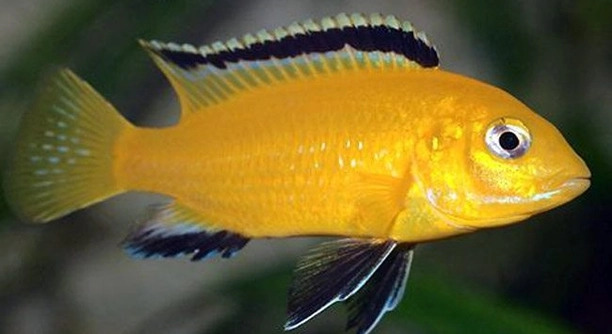
Cichlids are popular aquarium fish known for their bright colors and interesting behaviors. Many hobbyists enjoy feeding them a variety of foods, from flakes to live treats, to keep them healthy and active every day.
Cichlids can catch parasites from food, especially when it is live or improperly prepared. Contaminated prey or unwashed vegetables may carry harmful organisms, which can infect the fish and lead to health issues if preventive measures are not taken.
Knowing which foods are safer and how to handle them properly can protect your cichlids. Simple precautions can prevent many common infections and keep your aquarium thriving for years to come.
How Parasites Reach Cichlids
Parasites can enter a cichlid’s system mainly through contaminated food. Live foods like worms, shrimp, or small fish often carry microscopic organisms. Even frozen or freeze-dried food can be risky if not handled properly. Vegetables and plant-based items can also host harmful bacteria or tiny parasites if they are not thoroughly washed. Many aquarists overlook the risk of leftovers in the tank, which can decompose and attract parasites. Feeding cichlids directly from a contaminated container or source increases their exposure. Parasites may not immediately show symptoms, making it harder to identify the problem before it spreads. Fish kept in crowded tanks are at higher risk because parasites can move quickly from one individual to another. Regular cleaning of the tank, careful selection of food, and quarantining new items can reduce the risk significantly. Observing your fish daily helps detect early signs of infection before serious health issues arise.
Preventing contamination starts with proper food handling and storage.
Careful attention to hygiene and food safety makes a big difference. Quarantining live foods and washing vegetables thoroughly reduces parasite risks. Consistent maintenance of the tank environment ensures healthier fish and limits infection chances.
Signs of Infection
Fish with parasites often show behavioral or physical changes.
Cichlids may scratch against surfaces, lose appetite, or develop spots. Changes in swimming patterns, lethargy, and unusual color fading are common indicators. In some cases, fins may fray, or mucus may increase. These signs often appear gradually, making it important to monitor your fish regularly. Early detection can prevent severe outbreaks, and prompt action can protect the rest of the tank.
Once parasites are identified, treatment options vary depending on the type and severity of the infection. Medications specifically designed for fish can help eliminate internal and external parasites. Salt baths or medicated food may be recommended for certain infections. Maintaining water quality is equally important because parasites thrive in poor conditions. Avoid introducing untreated live foods until the infection is fully cleared. Regular tank cleaning, water changes, and monitoring water parameters like pH and temperature can strengthen fish immunity. Preventive measures such as quarantining new fish and foods, along with careful observation, reduce the chance of reinfection. Long-term management involves combining proper nutrition, environmental care, and timely treatment to ensure cichlids remain healthy and resilient against parasites.
Preventing Parasites in Food
Using frozen or properly cooked food lowers the risk of parasites. Always wash vegetables and avoid feeding spoiled items. Live food should be quarantined before giving it to cichlids to prevent contamination.
Freezing live foods like bloodworms or brine shrimp kills most parasites and bacteria. Even short freezing periods can significantly reduce risk, though longer storage is better. Thaw food safely before feeding, avoiding warm surfaces that may encourage bacterial growth. Rinsing vegetables under running water removes dirt and tiny organisms. Handling food with clean hands and tools prevents accidental contamination. Avoid leaving uneaten food in the tank, as it can decompose and attract parasites, further increasing infection chances for your fish.
Feeding small amounts multiple times a day instead of large portions helps reduce leftover food in the tank. Careful observation of fish behavior during feeding can alert you to early signs of stress or illness. Consistent hygiene and proper food management go a long way in keeping your cichlids safe and healthy, limiting the chances of parasite introduction and spread.
Quarantining New Foods and Fish
Quarantining new fish and live food reduces parasite transmission. Isolate items in a separate tank for observation.
New cichlids or live foods may carry hidden parasites. Keeping them in a quarantine tank for two to four weeks allows monitoring for signs of infection without risking the main tank. During this period, treat foods if needed and observe fish behavior closely. Any unusual swimming, spots, or loss of appetite should be addressed immediately. Proper quarantine also allows fish to adjust to water conditions gradually, reducing stress that makes them more vulnerable to parasites. Clean tanks and change water regularly to maintain optimal conditions.
Quarantine tanks should mimic the main tank environment to reduce stress but remain simple to allow easy cleaning and monitoring. Use separate nets, feeding tools, and containers to avoid cross-contamination. Monitor water quality closely and perform regular partial water changes. Medications can be administered in the quarantine tank if parasites are detected, preventing the infection from reaching the main tank. Maintaining patience and discipline during quarantine ensures healthier fish and significantly lowers the risk of parasite outbreaks, making it a critical step in responsible cichlid care.
Safe Feeding Practices
Feed only the amount your cichlids can finish in a few minutes. Overfeeding leaves leftovers that can attract parasites.
Rotate foods between pellets, flakes, and frozen items to provide nutrition without increasing risk. Avoid feeding wild-caught or unverified live food sources.
Regular Tank Maintenance
Cleaning the tank regularly reduces parasite growth. Remove uneaten food and debris promptly. Maintain proper filtration and perform partial water changes weekly. A clean environment strengthens fish immunity and limits conditions that allow parasites to thrive. Consistent maintenance prevents buildup of harmful bacteria and keeps the tank stable.
Observing Fish Health
Monitor fish daily for unusual behavior. Changes in appetite, color, or movement may indicate parasites. Early observation allows quick intervention before the problem spreads, protecting all the cichlids in your tank.
FAQ
Can cichlids get parasites from frozen food?
Freezing kills most parasites in live food, but it is not always 100% effective. Make sure the food is stored at a proper temperature and fully thawed before feeding. Avoid refreezing thawed items, as it can reduce safety and nutritional quality.
Is it safe to feed live worms or shrimp?
Live foods can carry parasites if they come from uncontrolled sources. Quarantining live food in a separate container or tank for a few days helps reduce the risk. Freezing or lightly cooking live foods also minimizes potential infections.
Can vegetables cause parasite infections?
Yes, vegetables can carry tiny parasites or bacteria. Always rinse them thoroughly under running water, and consider blanching or lightly boiling certain items to reduce risk. Avoid feeding spoiled or moldy vegetables.
How often should I clean the tank to prevent parasites?
Regular maintenance is crucial. Removing uneaten food, changing water weekly, and cleaning filters helps prevent parasite buildup. A clean environment supports fish immunity and reduces stress, which lowers susceptibility to infections.
Do new fish need to be quarantined?
Absolutely. New fish can carry parasites that are not immediately visible. A quarantine period of two to four weeks allows observation and treatment if needed. Quarantining protects the main tank from potential outbreaks and gives new fish time to adjust to water conditions.
What are early signs of parasite infection?
Watch for scratching against tank surfaces, unusual swimming patterns, loss of appetite, or faded colors. Frayed fins, excess mucus, and lethargy are other common indicators. Catching infections early makes treatment more effective and prevents spread to other fish.
Can parasite infections be treated without medication?
Mild infections can sometimes be managed by improving water quality, removing contaminated food, and providing stress-free conditions. However, most internal or severe parasite infections require specific medications. Following treatment instructions and isolating affected fish can ensure successful recovery.
Are certain cichlids more prone to parasites?
Fish that are stressed, overcrowded, or poorly fed are more susceptible. Juveniles and newly introduced fish are particularly vulnerable. Proper nutrition, tank space, and stable water parameters help strengthen immunity and reduce risk.
How long can parasites survive in the tank?
Parasites can survive in water or on leftover food for days to weeks, depending on type and conditions. Regular cleaning and removing uneaten food minimize their ability to persist and infect fish. Quarantining new foods or fish further limits exposure.
Can parasite infections spread quickly in a tank?
Yes, some parasites are highly contagious. Once one fish is infected, others may quickly follow, especially in crowded or poorly maintained tanks. Observing behavior, separating sick fish, and maintaining good hygiene are essential to prevent outbreaks.
Is it safe to feed wild-caught live food?
Wild-caught items carry the highest risk of parasites and should generally be avoided. If used, they must be quarantined and inspected carefully. Freezing or cooking before feeding is strongly recommended to protect your cichlids.
Can tank decorations harbor parasites?
Yes, parasites and bacteria can cling to decorations, plants, or substrate. Cleaning or sterilizing new decorations before adding them and maintaining routine tank hygiene reduces this risk. Avoid placing items directly from natural water sources into the aquarium without proper treatment.
Do parasites affect fish behavior immediately?
Not always. Some parasites take days or weeks to show visible effects. Subtle changes in swimming, feeding, or social interactions may be early indicators. Daily observation helps catch problems before they become severe.
Can multiple prevention methods be combined?
Yes, combining food quarantine, proper cleaning, careful feeding, and observation is the most effective strategy. Each step reduces risk, and together they create a strong defense against parasites while keeping cichlids healthy and active.
Is medication always necessary for treatment?
Not always. Mild external infections can sometimes improve with water quality and care alone. Internal parasites or severe infections almost always require targeted medications. Following dosage instructions and completing treatment is crucial to prevent recurrence.
How can I avoid future parasite infections?
Stick to safe feeding practices, quarantine new foods and fish, maintain clean water, and watch your fish daily. Combining these habits reduces stress and exposure, creating a healthier environment and minimizing the risk of future infections.
Caring for cichlids involves more than just feeding them regularly and keeping their tank clean. One of the biggest challenges fish owners face is preventing parasites from entering the aquarium. Parasites can come from many sources, including live foods, vegetables, and even new fish added to the tank. It’s important to recognize that even small mistakes in handling food or maintaining the tank can create an opportunity for parasites to thrive. Understanding how infections occur helps you take practical steps to protect your fish. Paying attention to the type of food you provide, how it is stored, and how it is introduced to the tank is an essential part of keeping cichlids healthy. Safe feeding practices and proper tank maintenance form the foundation of parasite prevention.
Keeping a close eye on your fish’s behavior and appearance is another key factor in managing parasite risk. Changes like scratching against surfaces, loss of appetite, fading colors, or unusual swimming patterns can be early signs of infection. By observing these details daily, you can respond quickly and prevent parasites from spreading to the entire tank. Quarantining new fish and live foods is also an effective precaution. A quarantine period of two to four weeks allows you to monitor for hidden parasites before introducing anything to the main tank. Combining careful observation, quarantine practices, and regular cleaning creates a strong defense against infections. These habits also reduce stress for your fish, which strengthens their immune system and helps them stay more resilient against parasites.
Maintaining a consistent routine of hygiene, feeding, and monitoring ensures long-term health for cichlids. Using frozen or cooked foods, washing vegetables thoroughly, and removing uneaten food promptly reduces the risk of contamination. Tank decorations, substrates, and plants should also be cleaned or treated properly before adding them to the aquarium. If parasites are detected, early intervention with appropriate medications or environmental adjustments can limit their impact. Overall, keeping cichlids healthy is a balance of prevention, careful observation, and timely action. Taking these steps may require extra effort, but the results are worth it. Your fish will stay active, colorful, and more resilient, creating a thriving aquarium that is both enjoyable to watch and easier to maintain over time. Consistency and attention to detail are the most reliable ways to prevent parasites and ensure your cichlids live a long, healthy life.

Hello,
If you enjoy the content that we create, please consider saying a "Thank You!" by leaving a tip.
Every little bit helps us continue crafting quality advice that supports the health, happiness, and well-being of pets around the world, for pets of all shapes, sizes, and species.
We really appreciate the kindness and support that you show us!