
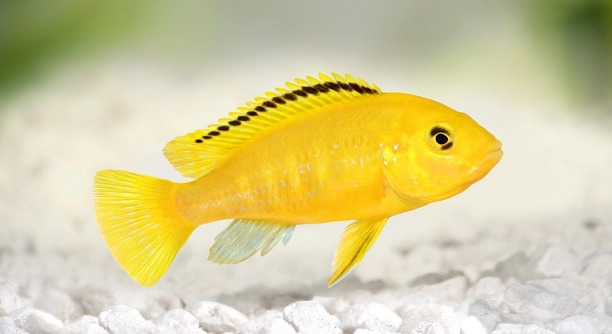
Do you ever notice your cichlids acting unusually restless or withdrawn in their tanks? Their behavior can shift in small ways, often influenced by their surroundings. Understanding these changes can help maintain a calm and healthy aquarium.
Cichlid mood is significantly affected by environmental factors such as water quality, temperature, tank size, lighting, hiding spaces, noise, and tank mates. Each element interacts with their natural instincts and physiology, influencing stress levels, aggression, and overall well-being.
Monitoring these triggers and adjusting the habitat accordingly can improve your cichlids’ comfort and stability, creating a more balanced and harmonious tank environment.
Water Quality
Maintaining clean water is essential for cichlids’ mood and overall health. Poor water quality can lead to stress, which shows through erratic swimming, hiding, or aggression. Regular testing for ammonia, nitrites, and nitrates ensures the tank remains safe. Changing 20–30% of the water weekly helps remove waste buildup and keeps chemical levels stable. Filtration systems must be checked often to ensure they are working efficiently. Hard or soft water affects different species differently, so understanding your cichlid type is key. pH levels should be monitored and adjusted gradually, as sudden shifts can disturb their comfort. Oxygen levels also play a role in mood, and adding air stones or ensuring proper surface agitation can help maintain adequate oxygen. Observing your fish daily will alert you to early signs of distress. Even small improvements in water conditions can result in noticeable changes in behavior, making your tank a calmer, more stable environment for cichlids.
Clean water reduces stress and supports proper behavior in cichlids. Regular testing, water changes, and proper filtration keep chemical levels stable and improve mood.
Keeping water quality optimal also impacts their long-term health. Fish exposed to consistent high ammonia or nitrate levels may develop weakened immune systems, making them more susceptible to disease. Stress from poor water conditions can trigger aggression among tank mates and reduce feeding interest. Even minor fluctuations in pH or hardness can affect territorial behavior, breeding readiness, and activity levels. Maintaining a balanced environment with adequate oxygenation and filtration allows cichlids to display natural behaviors, build confidence, and interact more positively with their surroundings. By paying attention to water quality, you ensure a supportive habitat where your cichlids can thrive, respond to stimuli calmly, and maintain a balanced mood, reducing risks of aggression or anxiety in the tank.
Tank Size
Tank size directly affects cichlid behavior and mood. Crowded conditions can lead to stress and aggression, while ample space allows them to explore and establish territories comfortably.
Larger tanks provide enough room for hiding spots, swimming, and social interactions. Properly sized tanks reduce territorial disputes and improve overall well-being. Fish have the space to express natural behaviors, which lowers stress and enhances activity.
A small tank can exaggerate conflicts and prevent cichlids from finding safe zones, leading to prolonged stress and weakened immunity. Overcrowding also increases waste accumulation, worsening water quality and compounding behavioral issues. By investing in an appropriately sized tank, you allow each cichlid to have personal space, interact safely with tank mates, and maintain a healthier mood. Selecting a tank based on the adult size of your species and their activity level ensures a harmonious and balanced environment, fostering better social dynamics, reduced aggression, and a more enjoyable viewing experience.
Temperature Fluctuations
Cichlids are sensitive to sudden temperature changes. Even a few degrees up or down can increase stress, making them more aggressive or lethargic. Stable, appropriate temperatures are key to maintaining a balanced mood.
Temperature affects metabolism, digestion, and activity levels in cichlids. Rapid shifts can trigger stress responses, including hiding, reduced feeding, and heightened territorial behavior. Consistent warmth within species-specific ranges allows them to swim freely, interact normally, and exhibit natural behaviors without unnecessary anxiety. Using a reliable heater and thermometer helps maintain a steady environment. Gradual adjustments are essential during seasonal changes or tank maintenance. Observing fish reactions to temperature changes helps identify their comfort zone and prevents health issues. Even minor fluctuations can lead to long-term behavioral problems if not addressed.
Cichlids in tanks with poor temperature control may experience weakened immune systems, making them vulnerable to illness. Stress from unstable temperatures can increase aggression between tank mates, disrupt social hierarchies, and reduce breeding activity. Ensuring a controlled, consistent environment encourages calmer behavior, healthier interactions, and a more active presence in the tank. Using heaters with built-in thermostats and monitoring daily allows for early detection of problems. This careful attention to temperature creates a stable setting, reducing chronic stress and improving overall quality of life for the fish.
Lighting Conditions
Proper lighting affects cichlid mood and activity levels. Bright, harsh lights can cause stress, while low, consistent lighting promotes calm behavior.
Lighting regulates circadian rhythms, feeding schedules, and territorial activity. Sudden or irregular light changes can trigger hiding, aggression, or erratic swimming. Balanced light intensity and duration help cichlids feel secure and maintain natural behaviors. Using timers ensures a predictable day-night cycle, reducing stress caused by inconsistent lighting. Colored or subdued lighting can enhance the tank’s visual appeal while mimicking natural habitats. Shadows and dim areas give shy or subordinate fish spaces to retreat. Light exposure also influences algae growth and plant health, indirectly affecting fish comfort. Properly managed lighting supports healthy interactions, promotes normal activity patterns, and contributes to the overall stability of the tank environment.
Excessive light or abrupt changes can lead to heightened stress responses in cichlids. Fish may hide excessively, refuse food, or engage in unnecessary confrontations. Gradually increasing or decreasing light intensity during maintenance helps prevent sudden shock. Simulating a natural day-night cycle supports hormonal balance and reduces chronic stress, which can affect immunity and lifespan. Including shaded areas and decorations allows fish to manage their own exposure. Observing fish under different lighting helps identify preferences and optimize comfort. Well-planned lighting benefits both behavior and health, creating a more balanced, calmer, and visually appealing aquarium environment.
Hiding Spaces
Cichlids need hiding spaces to feel secure. Without adequate shelters, they may become stressed, hide excessively, or act aggressively toward tank mates.
Providing caves, plants, or rock structures allows them to retreat when threatened. Hiding spaces reduce stress and help maintain stable social interactions within the tank.
Noise and Vibrations
Excessive noise and vibrations from pumps, household activity, or nearby equipment can unsettle cichlids. Continuous disturbances may lead to agitation, reduced feeding, or hiding. Maintaining a quieter, stable environment helps them remain calm, promoting natural behavior patterns and a more balanced mood.
Tank Mates
Cichlid temperament is influenced by tank mates. Aggressive or incompatible species can increase stress and trigger frequent confrontations. Selecting compatible companions reduces conflicts, improves social behavior, and creates a calmer overall environment. Proper research on species compatibility and observing interactions early is essential for maintaining harmony in the tank.
Feeding Schedule
Irregular feeding can upset cichlids’ routine. Consistent times and amounts help them feel secure, encourage natural foraging, and prevent competition or stress during mealtimes.
How do I know if my cichlid is stressed?
Stressed cichlids may display unusual behaviors, such as hiding more than usual, swimming erratically, or acting aggressively toward tank mates. A loss of appetite is another common sign. Observing color changes, especially duller or faded hues, can also indicate discomfort. Stress often develops gradually, so consistent monitoring is essential.
What water parameters should I maintain for a calm tank?
Maintaining stable water conditions is key for cichlid mood. Keep ammonia and nitrites at zero, nitrates below 20 ppm, and pH within species-specific ranges. Regular water changes, proper filtration, and monitoring hardness and temperature help create a balanced and stress-free environment.
How much space do cichlids need?
Tank size depends on species and adult size. Generally, larger tanks reduce territorial conflicts and allow natural behaviors. Providing ample swimming room, as well as distinct areas for hiding, ensures each fish feels secure and lowers stress. Avoid overcrowding at all costs.
Can lighting affect cichlid behavior?
Yes. Bright or inconsistent lighting can stress cichlids, causing them to hide or act aggressively. Using a timer to maintain a consistent day-night cycle helps regulate their natural rhythms. Subdued lighting and shaded areas improve comfort and reduce conflict.
Do temperature changes impact their mood?
Sudden temperature shifts can make cichlids lethargic, aggressive, or more prone to hiding. Keep heaters with thermostats to maintain stable, species-appropriate temperatures. Gradual adjustments are safer than abrupt changes and help prevent long-term stress or illness.
How important are hiding spaces?
Hiding spots are essential for reducing stress. Cichlids use caves, plants, and rock formations to retreat from threats or assert territories. Proper shelters improve social dynamics, give shy fish confidence, and reduce the chance of conflicts among tank mates.
Can noise and vibrations upset my fish?
Yes. Excessive vibrations from pumps, filters, or household activity can disturb cichlids, making them anxious or more aggressive. Minimizing sudden noise and providing a stable environment helps maintain calmer, more predictable behavior.
How do tank mates influence cichlid mood?
Compatibility matters. Aggressive or overly active species can stress cichlids, increasing fighting or hiding. Research species compatibility and observe early interactions. Choosing compatible tank mates fosters harmony, lowers aggression, and encourages natural social behaviors.
Does feeding schedule affect behavior?
Cichlids thrive on routine. Irregular feeding may cause competition, stress, or lethargy. Establishing consistent feeding times and appropriate portions encourages calm behavior and maintains health. Feeding slowly or spreading food across the tank reduces territorial disputes.
What can I do if my cichlid is aggressive?
Identify triggers such as overcrowding, incompatible tank mates, or poor water quality. Adding hiding spaces, adjusting tank layout, or separating individuals temporarily can help. Observing behavior and making gradual changes ensures a calmer environment without causing additional stress.
Are decorations and tank layout important?
Yes. Rocks, caves, and plants break up sight lines, giving cichlids personal space and reducing aggression. A varied layout allows them to explore and establish territories, improving mood and social behavior. Avoid overcrowding decorations, as it can increase stress and limit swimming space.
How often should I monitor water quality?
Regular testing is crucial. Check ammonia, nitrites, nitrates, and pH at least weekly. Frequent monitoring allows early detection of harmful changes, preventing stress-related behavior problems. Consistent water care ensures a stable, healthy, and comfortable environment.
Can sudden changes in environment upset cichlids?
Yes. Moving decorations, adding new fish, or changing water conditions abruptly can trigger stress. Introduce changes slowly and observe fish reactions. Gradual adjustments help cichlids adapt without affecting mood or social behavior.
How do I create a stress-free environment?
Stable water parameters, consistent temperature and lighting, ample space, hiding spots, compatible tank mates, and predictable feeding schedules all contribute to calmer cichlids. Paying attention to their behavior and making small, gradual adjustments helps maintain a healthy, balanced aquarium.
Can stress affect breeding?
High stress levels can disrupt breeding behavior. Aggression, hiding, or poor feeding reduces reproductive success. Creating a stable, comfortable environment with proper water conditions, hiding spaces, and compatible mates improves the likelihood of successful breeding.
What role does observation play in cichlid care?
Daily observation is vital. Noticing early signs of stress, aggression, or illness allows timely interventions. Watching how fish interact with their environment and each other helps tailor care, ensuring they remain calm, healthy, and active in the tank.
How long does it take for cichlids to adjust to changes?
Adjustment periods vary by species and temperament. Some adapt in days, while others take weeks. Gradual changes, stable conditions, and providing security through hiding spaces and proper tank mates speed up adaptation and reduce prolonged stress.
Can overfeeding cause mood changes?
Yes. Overfeeding leads to poor water quality and competition among fish. Uneaten food decomposes, increasing nitrates and stress. Feeding appropriate portions at consistent times supports healthy behavior, reduces aggression, and maintains a calm tank environment.
Is it important to research species-specific needs?
Absolutely. Each cichlid species has unique requirements for water parameters, tank size, and social behavior. Understanding these needs prevents stress, reduces conflicts, and ensures a stable environment where they can thrive both physically and emotionally.
How do I know if my cichlid is comfortable?
Comfortable cichlids display normal activity, vibrant colors, regular feeding, and balanced social interactions. They explore the tank, use hiding spots selectively, and interact without constant aggression. Observing these behaviors consistently confirms a healthy, stress-free environment.
Caring for cichlids involves more than just feeding them regularly. Their mood and behavior are closely linked to their environment, which includes water quality, temperature, lighting, tank size, hiding spaces, tank mates, and overall tank stability. Small changes in these factors can make a noticeable difference in how your fish act. For example, maintaining stable water conditions and proper temperature helps reduce stress, while consistent lighting supports natural rhythms and behavior. Paying attention to these details allows cichlids to feel secure and display their natural personalities, which can be very rewarding to observe.
Providing a suitable tank layout is equally important. Cichlids benefit from spaces where they can retreat and feel safe, such as caves, plants, and rocks. These hiding spots not only reduce stress but also help establish territories, preventing unnecessary aggression. A larger tank with enough room for swimming and personal space improves interactions between tank mates, keeping the social environment calmer. It is also important to consider compatible tank mates and avoid overcrowding. By carefully arranging the tank and monitoring how each fish responds, you create a balanced environment that supports both physical health and emotional well-being.
Routine and consistency play a large role in keeping cichlids happy. Feeding them at regular times, maintaining water quality through frequent testing and changes, and monitoring temperature and lighting all contribute to a stable environment. Even small disruptions, such as sudden temperature shifts or abrupt changes in lighting, can cause stress. Observing your cichlids daily helps you notice early signs of discomfort or aggression, allowing you to make adjustments before problems escalate. Overall, creating a stable, predictable, and comfortable habitat helps cichlids feel secure, promotes natural behavior, and ensures they remain active and healthy. These measures may take effort, but the result is a calmer, more harmonious tank and happier fish.

Hello,
If you enjoy the content that we create, please consider saying a "Thank You!" by leaving a tip.
Every little bit helps us continue crafting quality advice that supports the health, happiness, and well-being of pets around the world, for pets of all shapes, sizes, and species.
We really appreciate the kindness and support that you show us!