
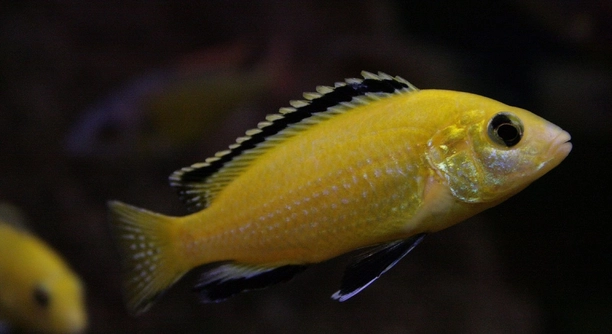
Electric Yellow Cichlids are popular freshwater fish, known for their bright color and lively behavior. Many hobbyists enjoy keeping them in home aquariums and often seek ways to encourage natural breeding activity in their tanks.
Feeding specific nutrient-rich foods can significantly enhance breeding activity in Electric Yellow Cichlids. High-protein ingredients, fresh vegetables, and live or frozen treats provide essential energy and stimulate reproductive behaviors, supporting healthier fry production and increased spawning frequency in captive environments.
Proper nutrition plays a key role in breeding success. Understanding which foods promote reproductive health can improve overall tank dynamics and ensure the long-term vitality of these colorful cichlids.
High-Protein Foods
Protein is essential for the growth and reproductive health of Electric Yellow Cichlids. Foods such as brine shrimp, bloodworms, and daphnia provide concentrated nutrition that supports energy levels and encourages spawning behavior. These foods are especially beneficial during the breeding season, as they help condition the fish and improve fertility. Including a variety of protein sources ensures that the fish receive a balanced diet and the right amino acids necessary for egg development and fry survival. Consistent feeding of these high-protein foods can make a noticeable difference in breeding success, with females producing more eggs and males displaying increased courtship activity. Over time, this can also enhance the overall health of the aquarium population, creating stronger, more vibrant fish. While live foods are excellent, frozen or freeze-dried alternatives can be used to provide similar nutritional benefits with easier storage and less maintenance. Monitoring portion sizes is important to avoid overfeeding, which can impact water quality and fish health.
High-protein foods directly influence reproductive health by providing essential nutrients that stimulate spawning behaviors and egg production in Electric Yellow Cichlids.
Regularly feeding protein-rich foods can improve breeding outcomes and support the overall vitality of your fish population, creating a more active and healthy tank environment.
Fresh Vegetables
Vegetables like spinach, peas, and zucchini are excellent supplements for Electric Yellow Cichlids. These foods provide vitamins, minerals, and fiber that support digestion and overall health. Fibrous vegetables help prevent digestive issues, which can otherwise affect breeding readiness. Incorporating small amounts of these vegetables into their diet ensures that the fish receive nutrients beyond what protein alone offers. Preparing vegetables by blanching or lightly steaming them makes them easier to consume and digest. Regular vegetable feeding can improve coloration and energy levels, indirectly encouraging courtship and spawning behavior. Combining these with protein-rich foods creates a well-rounded diet that addresses both energy and reproductive needs. Over time, fish that receive this balanced approach tend to exhibit stronger spawning behaviors and healthier fry. Offering vegetables two to three times per week provides variety without overwhelming the tank or impacting water quality. Observing fish preferences and adjusting portion sizes can make the feeding routine more effective and enjoyable.
Fresh vegetables add essential nutrients that enhance digestion, energy, and reproductive readiness in Electric Yellow Cichlids.
Integrating vegetables with high-protein foods creates a diet that promotes consistent breeding. Balanced nutrition ensures healthier eggs, more active males, and improved fry survival. Over time, this combination strengthens the overall population, supporting long-term aquarium stability. Observing how fish respond allows adjustments that optimize both health and reproductive performance.
Live Foods
Live foods like brine shrimp and daphnia stimulate natural hunting and feeding instincts in Electric Yellow Cichlids. These foods are highly nutritious and trigger increased activity and reproductive behaviors, making them effective for boosting breeding performance in your aquarium.
Live foods provide essential proteins, fats, and vitamins that are difficult to replicate with dry or frozen options. Feeding small amounts regularly encourages the fish to exercise their hunting skills, which increases metabolism and prepares their bodies for spawning. Observing how each fish reacts to different live foods helps identify preferred options, allowing more targeted feeding strategies that maximize reproductive readiness and overall health.
The movement and texture of live foods also simulate natural conditions, reducing stress and promoting natural behaviors. Fish exposed to live diets often display stronger courtship rituals and better egg production. Introducing variety in live food types prevents monotony and ensures the fish receive a broad spectrum of nutrients. Combining live foods with other diet elements creates a balanced approach that supports both physical health and breeding success.
High-Quality Pellets
High-quality pellets designed for cichlids provide consistent nutrition and essential vitamins needed for breeding success. These pellets are formulated to support growth, energy, and reproductive health in Electric Yellow Cichlids.
Regularly offering pellets ensures fish receive a balanced diet even when live foods are unavailable. Pellets are convenient, easy to store, and reduce the risk of introducing pathogens compared to live food. Feeding appropriate portions prevents overfeeding while maintaining water quality. Combining pellets with occasional live or vegetable supplements creates a well-rounded diet that covers all nutritional requirements. Observing how the fish respond allows fine-tuning of feeding frequency and quantity to optimize breeding outcomes.
Pellets enriched with vitamins, minerals, and high-quality proteins help maintain energy levels and reproductive health. They support both courtship behaviors and egg development, ensuring consistent spawning cycles. Using pellets as a dietary foundation simplifies daily feeding routines while complementing supplemental foods. This combination encourages stronger fry, healthier adults, and a more active, vibrant aquarium population. Balancing pellet feeding with other foods maximizes overall health and breeding performance.
Frozen Foods
Frozen foods such as bloodworms, brine shrimp, and krill provide essential nutrients without the risk of introducing parasites. They are convenient, long-lasting, and maintain most of the nutritional value of live foods.
Using frozen options allows for controlled portion sizes and reduces stress on the fish. Freezing preserves protein content and vitamins, making these foods effective for conditioning cichlids before spawning.
Insect Larvae
Insect larvae are rich in protein and fats, promoting energy and reproductive readiness. They can be offered as occasional treats to stimulate breeding behaviors. Regular inclusion of larvae supports both growth and vitality, enhancing the chances of successful spawning and fry development.
Spirulina and Algae
Spirulina and algae-based foods provide essential vitamins and natural pigments. These supplements improve coloration, boost immunity, and support overall health, indirectly encouraging reproductive activity in Electric Yellow Cichlids.
Shrimp and Crustaceans
Small shrimp and crustaceans deliver high-quality protein and minerals. They stimulate natural foraging behaviors, increase energy, and support reproductive health, making them effective for enhancing breeding performance in your aquarium.
What are the best foods to boost breeding in Electric Yellow Cichlids?
The most effective foods include high-protein options like brine shrimp, bloodworms, and daphnia, as well as nutrient-rich frozen or freeze-dried alternatives. Fresh vegetables such as peas, zucchini, and spinach also provide essential vitamins and fiber. Combining these with high-quality pellets ensures balanced nutrition, supporting egg development and overall reproductive health. Including occasional insect larvae or small shrimp adds variety and stimulates natural foraging and courtship behaviors. Regularly rotating foods keeps the fish interested in feeding and provides a broad spectrum of nutrients necessary for consistent spawning.
How often should I feed breeding foods to my cichlids?
Feeding high-protein and supplemental foods two to three times per day in small portions works best. Overfeeding can reduce water quality and stress the fish, while underfeeding may limit reproductive readiness. Pellets can be offered once or twice daily, supplemented by live, frozen, or vegetable foods on alternating days. Observing the fish’s response helps fine-tune portion sizes and frequency to ensure proper conditioning for spawning. Maintaining a consistent feeding schedule supports metabolism, energy levels, and overall health, all of which influence breeding behavior and egg production.
Can frozen foods replace live foods entirely?
Frozen foods can provide similar nutritional benefits to live foods and are convenient to store. While live foods stimulate hunting instincts and natural behaviors more effectively, frozen options like brine shrimp, krill, or bloodworms maintain high protein and vitamin levels. Using frozen foods alone is possible, but incorporating live foods occasionally helps trigger courtship and mating behavior. Many aquarists balance both, feeding frozen foods regularly and live foods once or twice per week. This approach ensures a well-rounded diet while minimizing the risk of introducing parasites or other pathogens that sometimes come with live foods.
Do vegetables really impact breeding activity?
Yes, vegetables provide vitamins, minerals, and fiber that support digestion and overall health. Healthy fish are more likely to spawn successfully, and proper digestion ensures energy is available for reproductive processes. Peas, zucchini, and spinach are easy to prepare by blanching or steaming, which softens them and makes them easier to eat. Feeding vegetables two to three times per week complements high-protein foods, creating a balanced diet. While they do not directly trigger spawning, their nutritional support improves vitality, coloration, and stamina, indirectly promoting breeding readiness and successful fry development.
Are pellets sufficient for breeding success?
High-quality cichlid pellets provide essential proteins, vitamins, and minerals that support reproductive health. They are convenient, consistent, and reduce the need for constant preparation. While pellets alone can maintain energy levels, combining them with live, frozen, or vegetable supplements enhances breeding performance. Pellets act as a dietary foundation, supporting growth, stamina, and egg development, while other foods trigger courtship behavior and provide additional nutrients. Observing the fish helps determine if adjustments are needed to portions or types of pellets. A mixed feeding approach ensures healthier adults and stronger fry.
What role do small crustaceans play in breeding?
Small shrimp and other crustaceans deliver high-quality protein and minerals. Their texture and movement stimulate natural hunting and foraging instincts, which increase activity and readiness to spawn. Including these foods occasionally encourages courtship behavior, energy levels, and overall reproductive performance. They complement pellets and vegetables, creating a varied and nutrient-rich diet that supports both physical health and breeding outcomes. Regularly offering crustaceans as part of a balanced diet strengthens fish, improves fry survival rates, and enhances coloration and vitality, which are important indicators of reproductive readiness.
How do I ensure my cichlids receive all necessary nutrients?
A varied diet combining high-protein foods, frozen or live options, vegetables, and high-quality pellets covers most nutritional requirements. Rotating food types prevents deficiencies and keeps fish engaged in feeding. Observing behavior, coloration, and energy levels provides insight into nutritional adequacy. Proper portion control and feeding frequency help maintain water quality while delivering consistent nourishment. Supplementing with spirulina or algae-based foods can further enhance vitamins and pigments, supporting immunity and reproductive health. Creating a balanced feeding plan tailored to your aquarium’s population ensures stronger spawning, healthier fry, and long-term vitality of Electric Yellow Cichlids.
Can overfeeding affect breeding success?
Yes, overfeeding can reduce water quality, stress the fish, and impair reproductive behaviors. Excess food decomposes, increasing ammonia and nitrate levels, which can harm eggs and fry. Providing small, controlled portions multiple times per day ensures adequate nutrition without compromising tank conditions. Observing feeding behavior helps adjust portions to prevent leftovers while maintaining proper growth and reproductive conditioning. Combining moderate feeding with a balanced diet of protein, vegetables, and supplements optimizes breeding success. Maintaining clean water, proper filtration, and careful monitoring of food intake directly supports healthier spawning and fry development in Electric Yellow Cichlids.
Breeding Electric Yellow Cichlids successfully depends largely on providing a balanced and nutritious diet. High-protein foods like brine shrimp, bloodworms, and daphnia are essential because they provide the energy and nutrients necessary for courtship, spawning, and egg development. Including a variety of live, frozen, or freeze-dried protein sources ensures that the fish receive a range of amino acids that support reproductive health. Protein-rich foods also help males display more active and consistent courtship behaviors, which can encourage females to spawn. Over time, fish that are regularly conditioned with protein show stronger fry survival and overall healthier populations in the aquarium. Consistency in feeding high-quality protein is key, but it should be combined with other types of food to maintain balanced nutrition.
Vegetables and plant-based foods also play an important role in breeding success. Spinach, peas, and zucchini provide vitamins, minerals, and fiber that support digestion and overall health. Healthy digestion ensures that the fish can efficiently use the energy from their diet, which contributes to better reproductive readiness. Vegetables can also help improve coloration and energy levels, making the fish appear more vibrant and active, which can influence courtship behavior. Offering vegetables a few times a week, along with regular protein-rich meals, ensures the fish have a balanced diet that supports both their physical health and breeding performance. Even though vegetables alone will not directly trigger spawning, they provide essential nutrients that indirectly improve reproductive success and fry development.
Supplements like spirulina, algae, insect larvae, and small crustaceans can further enhance reproductive outcomes. Spirulina and algae-based foods provide essential vitamins, boost immunity, and improve coloration, all of which contribute to overall vitality. Insect larvae and small crustaceans add protein and stimulate natural foraging behaviors, which can increase energy and courtship activity. Using a combination of these foods, along with high-quality pellets and vegetables, creates a varied and nutrient-rich diet that addresses all aspects of reproductive health. Maintaining proper portion sizes and feeding schedules is equally important to prevent overfeeding, protect water quality, and reduce stress. With consistent care, attention to diet, and observation of fish behavior, Electric Yellow Cichlids can thrive in the aquarium, produce healthier eggs, and successfully raise fry, ensuring a stable and active population over time.

Hello,
If you enjoy the content that we create, please consider saying a "Thank You!" by leaving a tip.
Every little bit helps us continue crafting quality advice that supports the health, happiness, and well-being of pets around the world, for pets of all shapes, sizes, and species.
We really appreciate the kindness and support that you show us!