
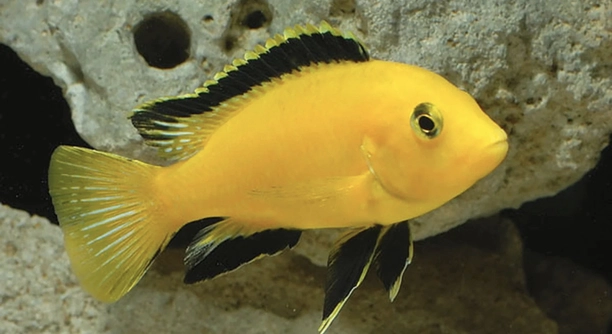
Cichlids are fascinating fish known for their strong territorial instincts. Many aquarists enjoy watching them protect their space, but sometimes they suddenly stop guarding their territory without any clear reason.
The sudden cessation of territorial behavior in cichlids is often caused by changes in environmental conditions, stress, illness, or social dynamics. Alterations in water quality, tank composition, or the presence of dominant fish can influence their instinct to guard.
Understanding these factors will help you maintain a balanced tank environment and ensure your cichlids remain healthy and active.
Common Environmental Changes That Affect Territory Guarding
Cichlids are very sensitive to their environment, and even minor changes can alter their behavior. Sudden shifts in water temperature, pH levels, or hardness can make them feel unsafe, leading them to stop defending their territory. Tank size also plays a role; overcrowded spaces increase stress and reduce territorial instincts. Lighting changes, decorations, or new hiding spots can either encourage or discourage them from staking out a specific area. Even routine maintenance like water changes can temporarily unsettle their sense of ownership. Observing these factors closely allows you to identify patterns and adjust conditions accordingly. Proper filtration and consistent water parameters help cichlids feel secure, while unstable environments trigger defensive withdrawal. Monitoring these environmental elements regularly ensures your fish can maintain their natural behaviors and reduces unexpected aggression or lethargy.
Stress from environmental shifts is one of the main reasons cichlids abandon their territory temporarily.
Keeping conditions stable and predictable will help your cichlids regain confidence and re-establish their guarded areas naturally over time.
Social Dynamics and Aggression
Territorial behavior in cichlids is strongly influenced by tank mates and social hierarchy. Introducing new fish or rearranging existing ones can disrupt established pecking orders, causing previously dominant cichlids to retreat. Conflicts over territory can escalate quickly if the tank is small or if there are too many aggressive species. Some cichlids may become submissive in the presence of a stronger individual, abandoning their area to avoid constant confrontation. Pairing or grouping fish carefully and observing interactions can prevent unnecessary stress. Dominance disputes are common, but minor adjustments like adding visual barriers or increasing space can help maintain peace and encourage normal territorial behaviors. Recognizing and responding to these social signals is key to a balanced tank ecosystem.
Observing how cichlids interact provides insight into why they stop defending their territory.
Social stress from hierarchy disputes or new tank mates can suppress territorial instincts. Adjusting the environment or group composition often restores natural behavior, allowing fish to reclaim their space and feel secure.
Illness and Health Concerns
A sudden loss of territorial behavior can indicate illness or injury in cichlids. Lethargy, discoloration, or changes in appetite often accompany this behavioral shift. Prompt observation is crucial to address underlying health issues before they worsen.
Fish affected by parasites, bacterial infections, or internal stress may stop guarding territory entirely. Poor nutrition or sudden dietary changes can weaken their immune system, making them less confident in defending their area. Even minor injuries from fights or rough tank decorations can cause them to retreat. Monitoring water quality, feeding consistent diets, and observing for unusual behaviors are essential steps to maintaining healthy cichlids. Prompt treatment with appropriate care can restore territorial instincts and improve overall vitality.
Preventing illness starts with maintaining a stable and clean environment. Regular water checks, balanced nutrition, and avoiding overcrowding minimize stress, which supports their natural behavior. Early intervention when signs of sickness appear often allows fish to recover fully and resume normal territorial guarding, reducing long-term behavioral changes.
Breeding and Reproductive Behavior
During breeding periods, cichlids may temporarily abandon previously defended areas to focus on eggs or fry. This shift is natural and helps protect their offspring more effectively.
Egg-laying or guarding fry requires intense focus, and adults often relocate to quieter, safer spaces. Territorial aggression may decrease as energy is redirected to nurturing young. In some cases, both parents cooperate, dividing responsibilities to maximize offspring survival. The presence of eggs or fry may also cause the fish to become more cautious, avoiding unnecessary confrontations with other tank inhabitants.
Adjusting tank setup for breeding can support this behavior. Providing sufficient hiding spots and minimizing disturbances reduces stress and encourages natural parental instincts. Over time, as fry grow and become more independent, cichlids typically resume standard territorial patterns, balancing protection with normal territorial behavior.
Stress From Overcrowding
Too many fish in a tank can cause stress, leading cichlids to abandon their territory. Limited space increases competition, and dominant individuals may suppress weaker ones, reducing territorial behavior.
Overcrowding also affects water quality, which further stresses fish. High stress levels can make cichlids less active and more withdrawn, avoiding conflicts they would normally engage in.
Inadequate Hiding Spaces
Cichlids need hiding spots to feel secure. Without enough shelters, they may avoid defending open areas and seem passive or uninterested.
Sudden Changes in Lighting
Rapid shifts in lighting can unsettle cichlids. Bright lights or sudden darkness may make them feel exposed, prompting withdrawal from territory.
Aging and Natural Behavior Changes
Older cichlids may guard territory less aggressively. Energy levels decline with age, and they may prefer to conserve energy rather than constantly defend an area.
FAQ
Why did my cichlid suddenly stop guarding its territory?
A sudden loss of territorial behavior can be caused by environmental changes, stress, illness, or social dynamics. Even small shifts in water temperature, pH, or tank layout can make cichlids feel insecure. Monitoring tank conditions and observing fish behavior closely can help identify the exact cause.
Can stress from other fish cause this behavior?
Yes, interactions with tank mates strongly influence territorial instincts. If a dominant fish intimidates a previously territorial cichlid, it may retreat and abandon its area. Providing sufficient space, visual barriers, and careful pairing of species can reduce stress and restore normal behavior over time.
Could illness be the reason my cichlid isn’t defending its space?
Illness or injury is a common cause. Symptoms like lethargy, reduced appetite, discoloration, or unusual swimming patterns often accompany behavioral changes. Parasites, bacterial infections, or poor nutrition can weaken the fish, reducing its confidence to defend territory. Prompt treatment and consistent care are essential.
Do cichlids behave differently when breeding?
Yes, breeding can shift their focus away from previously defended areas. Adults may prioritize eggs or fry, relocating to quieter, safer spaces. Both parents may share responsibilities, which reduces territorial aggression temporarily. Providing hiding spots and minimizing disturbances helps maintain natural breeding behavior.
Can tank size affect territorial behavior?
Tank size is crucial. Overcrowded tanks increase competition and stress, causing cichlids to retreat. Smaller tanks prevent proper territory establishment, while larger spaces allow them to define areas comfortably. Ensuring an appropriate fish-to-space ratio is key for natural territorial instincts.
How do environmental changes influence territory guarding?
Sudden changes in water parameters, lighting, or tank decorations can unsettle cichlids. Even routine maintenance, like water changes, may temporarily affect behavior. Keeping conditions stable and predictable allows fish to feel secure and maintain their usual territorial patterns.
Will older cichlids guard territory less aggressively?
Yes, aging affects energy and behavior. Older fish may reduce territorial defense to conserve energy, focusing more on survival than aggression. This change is natural and generally not a cause for concern unless accompanied by signs of illness.
Are hiding spaces necessary for territorial behavior?
Adequate shelters and hiding spots are essential. Without them, cichlids feel exposed and may avoid defending open areas. Rocks, plants, or tank décor provide security and help fish assert control over their chosen territory without feeling threatened.
How long does it take for cichlids to resume territorial behavior after stress?
Recovery time varies based on the cause of stress. Minor environmental adjustments or social rearrangements can result in quick behavior normalization, while illness or major disruptions may require longer periods. Observing their activity and ensuring stable conditions accelerates the return to normal behavior.
Can diet impact territorial instincts?
Nutrition plays a significant role. Poor or inconsistent diets weaken health, reducing energy for defending territory. Feeding a balanced diet with proper nutrients supports overall vitality, boosting confidence and natural territorial instincts.
Is it normal for some cichlids to be less territorial than others?
Yes, species and individual temperament influence territorial behavior. Some cichlids are naturally more passive or social, and may guard territory less aggressively. Understanding the species’ typical behavior helps set realistic expectations for your tank.
How can I encourage my cichlid to reclaim its territory?
Stabilizing environmental conditions, providing adequate hiding spots, reducing tank stress, and monitoring health are the most effective strategies. Gradually reintroducing or rearranging tank mates can help reestablish social order, allowing fish to regain confidence and resume territorial guarding.
Can lighting affect territorial behavior?
Sudden changes in brightness or light cycles can unsettle cichlids, making them feel exposed. Gradual adjustments and consistent lighting schedules help maintain normal activity levels and territorial instincts.
Should I isolate a stressed or ill cichlid?
Isolation can be helpful if stress or illness is severe, preventing further aggression and allowing recovery. A quarantine tank with stable water conditions and proper care supports healing while reducing pressure from other fish.
Do all cichlids defend territory aggressively?
Not all species show strong territorial behavior. While many are naturally protective, some are more social or passive. Researching species-specific tendencies ensures expectations align with natural behavior, preventing unnecessary concern over normal variations.
How often should I monitor my cichlid’s behavior?
Daily observation is ideal. Noting changes in activity, feeding, and interactions helps detect stress, illness, or social issues early. Early intervention often prevents long-term behavioral or health problems.
Can minor injuries affect territorial instincts?
Yes, even small wounds from fights or sharp decorations can reduce confidence. Fish may retreat to avoid further injury, temporarily abandoning their territory. Providing safe spaces and careful tank design helps minimize these risks.
Does water quality directly impact territorial behavior?
Absolutely. Poor water conditions increase stress and vulnerability, leading to withdrawal from territory. Regular water testing, filtration maintenance, and consistent changes keep parameters stable, supporting normal territorial instincts.
Are there signs that my cichlid will resume territory guarding soon?
Increased activity, exploring areas, and reestablishing presence near previous territory are positive signs. Gradual return to normal feeding and interactions indicates confidence is recovering, and the fish is likely to resume full territorial behavior.
Final Thoughts
Cichlids are remarkable fish with complex behaviors that can change for many reasons. Observing them in a tank can be both fascinating and challenging, especially when they suddenly stop guarding their territory. This change is usually a signal rather than a random occurrence, and it often points to factors in their environment, social interactions, health, or life stage. Water quality, temperature, pH levels, and tank size all play a major role in their comfort and confidence. Even small fluctuations can create stress, prompting cichlids to abandon areas they once defended. Adjusting these elements carefully and maintaining consistency helps them feel secure and encourages the return of natural territorial behavior.
Social dynamics in a tank also heavily influence how cichlids behave. Introducing new fish, altering the hierarchy, or overcrowding can shift established territories and lead to temporary retreats. Dominant individuals can intimidate weaker ones, causing them to abandon their space, while stress from social pressure may make even confident fish hesitant to act aggressively. Providing sufficient space, hiding spots, and visual barriers allows cichlids to feel safer, reducing conflict and promoting normal behaviors. Observing interactions over time and making gradual adjustments can restore balance without forcing confrontation. Understanding these social patterns is important, as territorial behavior is not just instinct—it is a combination of confidence, comfort, and opportunity within the tank environment.
Health and life stage are also important considerations. Illness, poor nutrition, or minor injuries can reduce a cichlid’s energy and motivation to defend a territory. Aging fish may naturally guard their space less aggressively, choosing to conserve energy rather than engage in constant defense. Breeding periods can also shift focus, as adults prioritize eggs or fry over previously defended areas. Maintaining proper care, a balanced diet, and a clean tank can minimize health-related behavioral changes. By paying close attention to environmental stability, social interactions, and health, aquarists can better understand and respond to these behavioral shifts. Over time, most cichlids regain confidence, resume their territorial habits, and continue to display the fascinating behaviors that make them a popular choice for aquariums.

Hello,
If you enjoy the content that we create, please consider saying a "Thank You!" by leaving a tip.
Every little bit helps us continue crafting quality advice that supports the health, happiness, and well-being of pets around the world, for pets of all shapes, sizes, and species.
We really appreciate the kindness and support that you show us!