
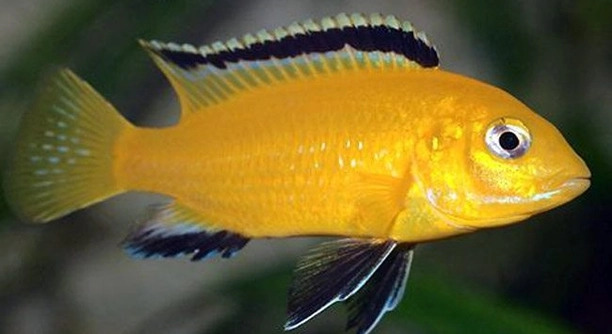
Many fish keepers find themselves thinking about how often their cichlid tank layout should change as they try to keep their aquarium lively and supportive for their active fish friends throughout each passing week cycle.
Rearranging cichlid tanks should generally occur only when necessary, such as during territory conflicts or maintenance tasks. Excessive changes can elevate stress levels, disrupt established hierarchies, and affect health, so a stable environment supports predictable behavior and long wellbeing overall.
Small changes in layout can influence behavior and comfort, offering insight into creating a space your cichlids can thrive in.
Why Rearranging Matters
Keeping a cichlid tank balanced often comes down to how stable the layout feels to the fish living in it. When the surroundings stay predictable cichlids tend to show calmer behavior and settle into their areas without constant tension. Changing the layout too often can interrupt their routines which may lead to hiding chasing or sudden displays of dominance that make the tank feel unsettled. I have noticed that even a small shift in a rock or plant can cause my own fish to reevaluate everything around them. This is why thoughtful planning matters before moving anything inside the tank. A layout that stays steady helps each fish understand boundaries and feel secure in its chosen space. Every adjustment should support their comfort not create extra stress. With this in mind rearranging becomes less about frequent decorating and more about protecting the stability your cichlids depend on each passing day.
A well planned layout gives your cichlids clear areas to claim reducing clashes that can harm their health and comfort. When changes are made with purpose the tank stays calm and predictable allowing the fish to focus on natural behaviors instead of constant competition or confusion in their daily life.
Keeping the physical structure of the tank steady can make care routines easier over time. Stable decorations stay cleaner and waste settles in predictable spots which helps you maintain the tank with less disruption. When rearranging is necessary focusing on small adjustments works better than dramatic changes that unsettle the entire group. I have found that moving one object at a time lets the fish adapt without feeling overwhelmed. This approach supports healthier behavior smoother feeding and a tank that feels peaceful even during maintenance. Small thoughtful steps protect your fish while keeping the setup practical for daily care routines.
Signs It Is Time to Rearrange
Certain behaviors can reveal when your cichlids need a layout change to feel safe and stable. Increased chasing blocked areas or repeated hiding often show that space is no longer balanced. Watching these patterns closely helps you act early and make calm adjustments that support their comfort in the tank.
Knowing when to adjust the tank helps prevent stress that may build quietly over time. Cichlids rely on clear boundaries and once those boundaries become crowded or unclear tension can grow quickly. A rearrangement focused on restoring space can ease these issues and help your fish return to predictable behavior. When I notice tight movement patterns or sudden guarding near decorations I look for simple ways to improve accessibility and flow. Moving a rock slightly or shifting a plant to open a blocked path can make a meaningful difference without causing complete disruption. Larger changes should be handled with patience giving the fish time to recover between steps. By keeping the layout practical and open you support healthier interactions after each adjustment. Watching how your cichlids respond in the hours that follow helps you understand whether the change provided relief or created new pressure. The goal is always to reduce conflict while preserving familiar areas that help the fish feel grounded. Rearranging with intention gives your tank a steady rhythm allowing every species inside to move comfortably explore safely and develop stable habits that continue day after day. This approach supports lasting harmony in your aquarium each new passing moment.
How Territory Influences Rearranging
Territory plays a major role in how often you should shift objects in the tank. When each fish has a clear area to claim tension stays low and the group settles into predictable behavior without sudden bursts of aggression caused by unclear boundaries.
Cichlids rely heavily on physical structures to mark their personal areas. When decorations become overcrowded or blocked the fish may start pushing each other aside which quickly disrupts the balance in the tank. I usually watch for repeated pacing near one spot because it often means a fish needs more space or access. Adjusting a single rock can ease strain without stirring the whole group. Keeping the layout open and thoughtful supports calmer interactions and makes it easier for each fish to move confidently without feeling cornered or pressured each day.
When territories overlap too much stress begins to build even if the fish seem fine at first. Cichlids notice small changes in spacing and may start guarding spots more aggressively when they feel uncertain. Rearranging becomes useful in these moments because it resets boundaries and encourages the fish to redistribute themselves. I prefer making subtle shifts instead of large overhauls since this helps the fish adjust without losing their sense of security. A balanced layout allows natural habits like digging exploring and resting to unfold smoothly which improves overall stability in the tank.
How Tank Size Affects Rearranging
Tank size shapes how often you should adjust the layout since smaller spaces can become crowded quicker. Larger tanks handle territorial behavior more easily which means rearranging is needed less often and changes can be kept small and controlled to maintain stability.
In small tanks even one decorative item moved into the wrong spot can disrupt the comfort of several fish at once. This is why observing how your cichlids move through the space helps you decide when adjustments are necessary. Larger tanks give you more flexibility but still benefit from small thoughtful shifts that preserve calm interactions. I have learned that spreading structures evenly prevents tight zones where conflicts start. Careful spacing keeps paths open which supports natural routines and reduces the chances of aggressive guarding. A layout shaped with awareness helps your fish feel secure no matter the size of the tank they live in.
How Stress Levels Shape Rearranging Needs
Stress builds quickly when cichlids feel crowded or unsettled which makes layout adjustments more important. Watching for clamped fins hiding or sudden chasing helps you decide when the environment needs small changes to ease pressure and restore confidence in the tank.
Some fish react differently than others and may need gentler shifts to feel comfortable again. When I see one fish avoiding its usual space I look for blockages or tight areas that may be causing tension. Simple adjustments often bring quick relief without needing a full rearrangement.
When Rearranging Supports Health
Rearranging becomes helpful when it directly improves the comfort and wellbeing of your cichlids. A tank that provides steady access to shelter and open swimming space keeps stress lower and supports healthier behavior. When a layout starts interfering with regular routines like feeding or resting it is time to make careful adjustments. I focus on opening tight spots and restoring smooth paths so every fish can move freely. This approach protects their long term health and avoids unnecessary disruptions. Cichlids thrive when their environment stays practical and predictable which makes thoughtful rearranging an important part of their care.
How Seasonal Changes Influence Behavior
Seasonal shifts can slightly alter how your cichlids interact with their surroundings. Cooler temperatures slower activity or brighter light may affect their comfort which can sometimes call for small layout adjustments that help maintain stability and ease mild tension in the group.
FAQ
How often should I rearrange a cichlid tank if the fish keep fighting?
If aggression rises often something in the layout may be forcing the fish to cross paths too much. Rearranging can help, but it should not happen constantly. I usually wait until the behavior becomes repetitive before making any changes. A small shift in a rock or cave can reset tension without turning the entire tank upside down. Frequent full rearrangements can make things worse because the fish lose all sense of stability and may become even more defensive. Careful small adjustments tend to work better and allow your cichlids to settle into clearer territories.
Is it bad to move decorations too frequently?
Too many changes can cause confusion and elevated stress. Cichlids rely on physical landmarks to understand where they feel safe. When decorations shift constantly they struggle to form stable routines which may lead to more chasing or hiding. I try to let the tank stay steady for long periods and only make changes when the fish show clear signs of discomfort. Predictability helps them thrive and helps you notice issues more easily.
Can rearranging help new fish settle in more smoothly?
A simple rearrangement before adding new fish can make introductions easier. Changing the environment slightly helps break up strong territories and allows each fish to explore the space as if it is new. This reduces the chances of one fish claiming all the best spots. I usually adjust only a few items so the tank feels fresh but not chaotic. This gives newcomers a fair chance to find shelter and establish their place without facing instant aggression.
Should I rearrange the tank during breeding periods?
Breeding fish usually become more protective, so rearranging during this time can be stressful for them. If possible avoid large changes when a pair is preparing a spot or guarding eggs. Sudden disruptions can interrupt their behavior and cause them to abandon their site. When adjustments are necessary I focus on areas far from the breeding zone so the pair feels undisturbed. Leaving their chosen space untouched helps maintain stability during a sensitive time.
How can I tell if my rearrangement helped or made things worse?
Watching behavior in the hours that follow tells you a lot. Healthy reactions include calm exploring open swimming and gentler posture. Signs of trouble include frantic chasing hiding behind objects or rapid pacing in one area. I usually stay nearby after making changes so I can see how each fish responds. If the tension rises I consider reversing the change or making smaller adjustments to restore balance. The key is observing carefully and being willing to fine tune the layout.
Do cichlids prefer more open space or more hiding spots?
They need both. Open areas give them room to swim while solid structures offer shelter and boundaries. A layout that relies too heavily on either side often creates issues. When there are not enough shelters the fish may feel exposed which raises stress. When there are too many shelters the fish may become territorial over every small corner. I try to create a balanced mix so each fish has a space to retreat while still having open paths to move comfortably.
Can rearranging reduce bullying in crowded tanks?
It can help but it does not fix overcrowding. If too many fish share a small space even the best layout will not fully ease tension. Still a careful rearrangement can open blocked routes and reduce tight zones where bullying starts. I have seen improvements when I spread structures evenly instead of clumping them. This gives less dominant fish places to retreat and lowers the intensity of aggressive encounters. True relief comes from maintaining a reasonable stocking level but rearranging can provide support.
Is it safe to rearrange the tank while the fish are inside?
Most of the time yes as long as the changes are gentle and planned. Moving decorations slowly keeps the fish from panicking. I avoid stirring the entire substrate at once because that can release debris into the water. When a bigger change is required I try to break it into smaller steps across a few sessions. This keeps the fish calm and prevents the tank from feeling completely disrupted.
Final Thoughts
Caring for a cichlid tank becomes easier when you understand how much their comfort depends on a steady and thoughtful layout. These fish react strongly to changes in their surroundings which is why it helps to move things only when you have a clear reason. A calm environment supports better habits and creates a tank that feels stable from day to day. I have noticed that even the most confident fish settle more easily when the layout stays predictable. They move with more ease show smoother patterns of activity and spend less time hiding or chasing. Rearranging becomes most useful when you see shifts in behavior that suggest the space no longer works as well as it should. When the tank stays practical and uncluttered your cichlids can handle life with fewer disruptions which leads to healthier interactions and a more peaceful atmosphere overall.
Making careful decisions about rearranging also helps you understand your fish better. Every small adjustment reveals something about how they use the space and what they need to feel secure. Some fish prefer open areas while others rely heavily on tight shelters especially when they are unsure or facing mild tension. Watching how they respond after each change teaches you what works and what does not. I find it helpful to stand back quietly for a few minutes after adjusting even one or two objects because their reactions tell you immediately if the tank feels better or harder for them to navigate. Clear paths lower stress and help fish avoid unnecessary conflict. Small hiding spots offer relief without creating too much territorial behavior. When all these pieces come together the tank becomes a stable place that supports their natural routines. Rearranging then becomes a tool instead of a constant chore and your fish benefit from the steady balance you create for them.
Over time you develop a sense of when the environment needs attention and when it is best to leave things alone. This rhythm makes tank care feel smoother because you are no longer reacting to chaos but guiding the layout with steady awareness. I like keeping adjustments simple and spread out so the tank remains familiar even when I change something. Your cichlids will show you what they need through their movements and routines. A tank that feels balanced supports their health and helps them grow into calm predictable patterns. When you focus on subtle thoughtful shifts instead of frequent large changes you give your fish a space that stays comforting and practical. This approach keeps the tank peaceful and allows you to enjoy watching your cichlids thrive in an environment shaped with care and attention.

Hello,
If you enjoy the content that we create, please consider saying a "Thank You!" by leaving a tip.
Every little bit helps us continue crafting quality advice that supports the health, happiness, and well-being of pets around the world, for pets of all shapes, sizes, and species.
We really appreciate the kindness and support that you show us!