
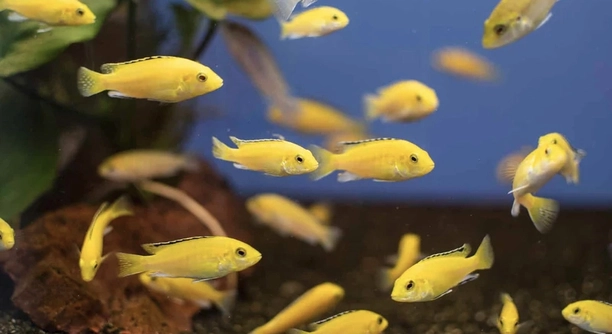
Electric Yellow Cichlids are a popular choice for many home aquariums due to their vibrant color and active personalities. Sometimes, owners notice unusual swimming patterns that seem out of the ordinary for these fish. Observing their behavior closely can reveal important insights.
Odd swimming patterns in Electric Yellow Cichlids often indicate stress, illness, or environmental changes. Common causes include poor water quality, parasitic infections, nutritional deficiencies, or aggression from tank mates. Correcting these factors can help restore normal behavior and maintain fish health.
Understanding the reasons behind these behaviors will help ensure a healthier, more balanced aquarium environment for your cichlids to thrive.
Identifying Common Causes of Odd Swimming Patterns
Electric Yellow Cichlids can show erratic swimming for several reasons. Poor water quality is often the most immediate factor, with high ammonia, nitrite, or nitrate levels stressing fish. Sudden temperature changes or improper pH levels can also trigger unusual movements. Nutrition plays a role too; lacking essential vitamins or minerals may affect coordination and energy. Aggression from other tank mates is another common issue, especially in crowded tanks. Overcrowding can lead to stress, causing fish to dart, spiral, or hover abnormally. Parasites or bacterial infections may also present subtle signs before severe illness occurs. Observing your cichlid daily allows you to notice changes early, preventing further complications. Adjusting tank conditions, maintaining a proper diet, and monitoring interactions can often restore normal swimming patterns. Regular water testing and careful observation are key to maintaining a healthy, balanced aquarium environment for these vibrant fish.
Correcting water parameters quickly can prevent further stress and help your cichlids return to normal swimming behavior.
Monitoring water quality consistently, feeding a balanced diet, and ensuring peaceful tank interactions can significantly improve swimming stability and overall health. Proper care keeps your fish active and colorful.
Treatment and Prevention Strategies
Immediate adjustments to water conditions can have a strong impact.
When addressing abnormal swimming, start by testing water temperature, pH, and ammonia levels. Ensure proper filtration and regular water changes to maintain stable conditions. Introduce a high-quality diet rich in vitamins and proteins to boost immunity. Quarantine new fish to avoid introducing disease. Observe fish for signs of infection, like discoloration or lethargy, and treat promptly if necessary. Adjust tank decorations and hiding spots to reduce stress from territorial disputes. Avoid overcrowding, as excess fish increase stress and competition. Preventative measures, like consistent cleaning routines and careful monitoring, reduce recurrence. Over time, these steps not only improve swimming behavior but also enhance coloration, appetite, and activity. By understanding the triggers and maintaining a stable environment, you create conditions where Electric Yellow Cichlids thrive and display their natural, vibrant behaviors consistently, minimizing health risks and stress.
Observing Behavior Patterns
Tracking swimming patterns helps identify underlying issues quickly. Note frequency, duration, and triggers of erratic movements.
Consistent observation can reveal subtle signs of stress, illness, or environmental discomfort. Pay attention to interactions with other fish, reaction to feeding times, and preferred swimming areas. Recording these patterns over several days can provide clear insight into what might be causing unusual behavior. Sudden changes often indicate immediate attention is needed, while gradual shifts may point to long-term issues like nutrition or tank setup. Being attentive allows early intervention and can prevent more serious health problems from developing.
Understanding normal versus abnormal behavior is crucial. Compare current actions with known healthy swimming patterns. This can highlight whether movements are simply energetic displays or signals of distress. Early detection supports timely adjustments in care routines, improving overall health and longevity of your cichlids.
Environmental Adjustments
Proper tank setup significantly affects fish behavior. Stable conditions reduce stress and promote natural swimming.
Adjusting water temperature, pH levels, and filtration systems ensures a comfortable environment. Provide adequate space, hiding spots, and minimal disturbances to allow fish to swim freely without feeling threatened. Regular maintenance, including partial water changes and cleaning of substrate and decorations, keeps water quality high and reduces toxins that might cause erratic behavior. Observing reactions after adjustments helps determine which changes are most effective, allowing gradual optimization of the aquarium setup. Maintaining a consistent routine supports overall health and encourages natural, calm swimming patterns.
Feeding and Nutrition
A balanced diet directly affects swimming behavior and overall health. Include high-quality pellets, occasional live food, and vegetable matter.
Overfeeding can cause sluggishness and erratic swimming, while underfeeding may lead to weakness. Feeding consistent portions at regular intervals helps maintain energy levels and reduces stress, keeping cichlids active and vibrant.
Common Health Concerns
Parasites, bacterial infections, and swim bladder issues often cause abnormal swimming. Early detection is key to effective treatment and recovery. Monitor your fish closely for signs like discoloration, rapid gill movement, or floating problems to address concerns promptly.
Tank Companions
Aggressive or overly active tank mates can stress Electric Yellow Cichlids. Monitor interactions and separate if necessary to reduce conflict.
FAQ
What causes Electric Yellow Cichlids to swim erratically?
Erratic swimming is often linked to stress, poor water quality, or health issues. Rapid changes in temperature, pH, or ammonia levels can trigger unusual movements. Overcrowding and aggression from other fish also contribute. Nutritional deficiencies or parasitic infections may affect balance and coordination, leading to abnormal patterns.
How can I tell if it’s a health problem or just behavior?
Observing your fish over several days helps distinguish between normal activity and potential health concerns. Sudden, continuous erratic movements, loss of appetite, discoloration, or lethargy usually indicate illness. Minor bursts of energy or playful swimming are normal, but consistent abnormal patterns should be addressed promptly.
What water conditions are ideal for Electric Yellow Cichlids?
They thrive in stable water with temperatures between 74-80°F, pH levels around 7.8-8.6, and low ammonia, nitrite, and nitrate concentrations. Regular water changes and proper filtration are essential to maintain these parameters. Keeping conditions consistent reduces stress and encourages normal behavior.
How often should I feed my cichlids?
Feed two to three times daily with measured portions to avoid overfeeding. Include high-quality pellets as the staple diet, supplemented occasionally with live or frozen foods and vegetables. Proper feeding supports energy, digestion, and overall health, which impacts swimming patterns.
Can tank size affect swimming behavior?
Yes. Crowded tanks increase stress and territorial disputes, causing erratic swimming. A spacious aquarium allows natural movement and reduces conflicts. Providing hiding spots and decorations helps fish feel secure, further supporting calm and stable swimming behavior.
How can I treat swim bladder issues?
Swim bladder problems often cause difficulty in maintaining balance or floating upside down. Feeding peas or specialized diets, adjusting water quality, and treating infections can improve condition. Severe cases may require veterinary advice to prevent long-term damage.
Do aggressive tank mates affect my cichlids’ swimming?
Aggression from other fish can stress Electric Yellow Cichlids, causing them to dart, hide, or hover abnormally. Monitor interactions and separate overly aggressive fish to reduce tension. Observing group dynamics helps maintain a peaceful environment that supports natural swimming patterns.
How do I prevent parasites and infections?
Quarantine new fish before introducing them to the main tank. Maintain water quality, avoid overfeeding, and monitor fish daily for early signs of disease. Prompt treatment with appropriate medication reduces the risk of spreading infections. Clean equipment regularly to minimize contamination.
Can changes in tank décor affect swimming?
Yes. Rearranging decorations or removing hiding spots can temporarily stress fish, causing unusual movements. Gradual adjustments and ensuring plenty of shelters help fish adapt and maintain normal behavior. Observing reactions after changes ensures the environment remains comfortable and safe.
What signs indicate it’s time to consult a veterinarian?
Persistent abnormal swimming, discoloration, bloating, lethargy, or lack of appetite suggests a serious health problem. If water quality and feeding adjustments do not improve behavior, professional advice is necessary to diagnose and treat underlying issues. Early intervention improves recovery chances.
How long does it take for swimming behavior to return to normal?
Recovery depends on the cause. Minor environmental adjustments may show improvement in a few hours or days. Illness-related issues or nutritional deficiencies can take several days to weeks. Consistent care, water quality maintenance, and proper diet accelerate recovery and restore healthy movement.
Is stress reversible in Electric Yellow Cichlids?
Yes. Reducing aggressive interactions, stabilizing water conditions, and providing proper nutrition can reverse stress effects. A calm environment, predictable routine, and adequate space allow fish to regain normal swimming patterns and overall well-being.
How can I monitor swimming patterns effectively?
Daily observation, ideally at the same time, helps identify deviations from normal behavior. Note the frequency, duration, and triggers of unusual movements. Keeping a log or recording videos can provide clear evidence for assessing patterns and determining necessary interventions.
Are there long-term consequences of ignoring odd swimming patterns?
Ignoring abnormal swimming can worsen stress, spread disease, or lead to permanent organ or swim bladder damage. Prompt attention to water quality, diet, and health monitoring ensures longevity and vitality, preventing long-term issues that reduce quality of life.
What role does diet play in swimming stability?
A nutritious diet supports energy, immune function, and overall body function. Vitamin and mineral deficiencies can affect muscle coordination and swimming ability. Balanced feeding, including pellets, live or frozen foods, and vegetables, keeps Electric Yellow Cichlids active and reduces erratic behavior.
Can temperature fluctuations cause erratic swimming?
Yes. Sudden drops or spikes in temperature can stress fish and disrupt normal activity. Maintaining a stable, appropriate temperature range with a reliable heater and thermometer ensures comfort and consistent behavior. Gradual adjustments are safer if changes are needed.
How do I differentiate between playful behavior and distress?
Playful bursts are short-lived and include smooth, agile movements. Distress typically shows continuous, erratic swimming, hovering near the surface or substrate, or struggling to maintain balance. Comparing behaviors with healthy fish patterns helps determine if intervention is necessary.
What steps should I take if multiple fish show odd swimming?
Check water quality immediately, as widespread symptoms often indicate environmental issues. Ensure proper filtration, adequate space, and balanced diet. Quarantine sick fish if needed and monitor closely for infection. Collective abnormal behavior usually points to preventable causes rather than isolated illness.
Are certain tank setups better for reducing stress?
Yes. Open swimming space, sufficient hiding spots, stable water parameters, and calm lighting create a less stressful environment. Avoid overcrowding and aggressive species. A structured but flexible layout allows fish to explore safely, supporting natural movement and healthy interactions.
How often should I test water parameters?
Weekly testing for ammonia, nitrites, nitrates, pH, and temperature is ideal. More frequent checks may be needed after adding new fish, changing décor, or noticing unusual behavior. Regular monitoring prevents sudden environmental stressors from affecting swimming and health.
Can swim bladder issues be prevented?
Feeding high-fiber foods, avoiding overfeeding, and maintaining consistent water quality reduce swim bladder problems. Quarantine new fish and observe for signs of infection. Preventive care supports proper buoyancy and reduces the likelihood of abnormal swimming patterns.
How long should I observe before taking action?
A day of mild changes can be monitored, but persistent abnormal behavior for more than 24-48 hours warrants action. Early adjustments to water quality, diet, or tank conditions improve outcomes and prevent more serious health problems.
Does tank lighting affect behavior?
Excessive or sudden changes in lighting can stress fish, causing erratic swimming. Consistent lighting with gradual adjustments for day-night cycles supports normal activity and reduces anxiety in the tank environment.
Is it normal for cichlids to swim near the surface or bottom?
Occasional preference for certain tank levels is normal. Persistent floating at the surface or resting on the bottom, combined with erratic movement, may indicate stress, illness, or swim bladder problems, requiring further attention.
Can water hardness affect swimming?
Yes. Electric Yellow Cichlids prefer moderately hard to hard water. Inconsistent hardness can cause stress and abnormal swimming patterns. Maintaining stable hardness with proper water treatment ensures comfort and reduces behavioral issues.
How do I safely introduce new fish to prevent stress?
Quarantine new additions, gradually acclimate them to temperature and water parameters, and observe interactions. This reduces stress, prevents disease introduction, and maintains normal swimming behavior for all tank inhabitants.
Are certain signs subtle but important to monitor?
Yes. Slight spiraling, hesitation before darting, or minor floating changes may indicate early stress or health issues. Observing these subtle behaviors allows proactive adjustments before serious problems develop.
What is the best way to respond to sudden erratic swimming?
Immediately check water quality and tank conditions. Observe for aggression or environmental triggers. Adjust feeding, remove stressors, and isolate sick fish if needed. Quick action minimizes harm and supports recovery.
How can I maintain long-term healthy swimming patterns?
Consistent water quality, balanced nutrition, adequate space, minimal stress, and daily observation support long-term stability. Addressing small issues early prevents escalation and keeps Electric Yellow Cichlids active, healthy, and displaying natural behavior.
Can seasonal changes affect behavior?
Yes. Fluctuations in room temperature or lighting due to seasonal changes can stress fish. Maintaining consistent aquarium conditions reduces impact and preserves normal swimming patterns.
How do I identify improvement after interventions?
Look for smoother movements, balanced swimming, and normal interaction with tank mates. Appetite, coloration, and energy levels returning to baseline indicate recovery. Regular monitoring confirms that interventions are effective and that swimming patterns are stabilizing.
Is professional help sometimes necessary?
Yes. If behavior does not improve despite proper water quality, nutrition, and environmental adjustments, consulting a veterinarian or aquatic specialist ensures accurate diagnosis and treatment for underlying issues.
Can erratic swimming ever return after recovery?
Relapse is possible if stressors, water issues, or dietary deficiencies recur. Maintaining consistent care, monitoring water parameters, and avoiding aggressive tank mates helps prevent repeated episodes of abnormal behavior.
How much space does an Electric Yellow Cichlid need?
A minimum of 55 gallons for a small group is recommended. Adequate space reduces stress, prevents overcrowding, and allows natural swimming behavior. Adding hiding spots further supports comfort and reduces conflict.
How do I balance activity and stress in the tank?
Provide enough space and hiding spots, avoid aggressive fish, and maintain stable water conditions. Balanced care encourages natural exploration without excessive stress, supporting calm and healthy swimming patterns.
Are there specific signs that indicate the tank environment needs adjustment?
Persistent darting, spiraling, hiding, or hovering in unusual areas suggests water quality or social issues. Immediate observation and adjustments help restore stability and prevent long-term harm.
Does diet variety matter?
Yes. Mixing pellets with live, frozen, or vegetable foods ensures proper nutrition. Variety supports immune function, energy levels, and coordination, directly influencing swimming stability and overall health.
Can I prevent aggressive behavior in mixed tanks?
Yes. Selecting compatible species, providing sufficient space, and arranging decorations for territories reduce aggression. Observing interactions and separating aggressive fish prevents stress-induced erratic swimming.
What role does observation play in overall health management?
Daily monitoring allows early detection of stress, illness, or behavioral changes. Noting patterns, interactions, and responses ensures timely intervention, preventing long-term complications and supporting healthy swimming behavior.
How often should I clean the tank to prevent issues?
Partial water changes weekly and substrate cleaning monthly maintain water quality. Regular maintenance reduces toxins and stress, preventing abnormal swimming and promoting a healthy, stable environment for Electric Yellow Cichlids.
Are there simple remedies for mild swimming problems?
Yes. Adjusting water parameters, feeding high-quality food, reducing stress, and providing hiding spots often resolve minor issues. Prompt attention prevents escalation and supports normal behavior.
What is the most important takeaway for maintaining healthy swimming patterns?
Consistent care, monitoring, proper diet, adequate space, and stable water conditions collectively maintain healthy, natural swimming behavior and overall well-being for Electric Yellow Cichlids.
Final Thoughts
Electric Yellow Cichlids are lively and visually striking fish, but their behavior can sometimes signal underlying problems that require attention. Observing swimming patterns is one of the simplest ways to assess their health and overall well-being. Erratic movements often indicate stress, poor water quality, dietary issues, or interactions with tank mates. Being attentive to these changes allows you to address concerns before they become serious. Daily observation, along with basic monitoring of water parameters and tank conditions, can prevent many common issues that cause abnormal behavior. Creating a stable and comfortable environment is key to helping your cichlids maintain natural, healthy swimming patterns.
Proper diet, consistent water quality, and a carefully arranged tank contribute to reducing stress and promoting normal behavior. Overfeeding or underfeeding can lead to changes in energy levels and coordination, so measuring portions and providing a varied diet is important. Water parameters such as temperature, pH, and hardness directly affect comfort and activity. Regular maintenance, including partial water changes and cleaning, ensures toxins do not build up and cause erratic swimming. Even small adjustments, such as adding hiding spots or reducing overcrowding, can have a noticeable effect on behavior. Consistent care helps maintain overall health and prevents recurring problems that may disrupt swimming patterns or create stress-related issues in the tank.
Understanding your fish’s environment and behavior is essential for long-term success in keeping Electric Yellow Cichlids. Early recognition of signs such as spiraling, hovering, or floating issues allows for prompt intervention. Quarantining new fish, monitoring interactions, and observing diet and water quality are effective preventative measures. Attention to detail and consistent care build a safe and stable environment, which encourages healthy swimming and natural activity. By maintaining proper routines and staying observant, you can reduce stress, prevent illness, and support the overall well-being of your cichlids. Over time, these efforts result in vibrant, active fish that thrive in your aquarium and display their full range of natural behaviors consistently.

Hello,
If you enjoy the content that we create, please consider saying a "Thank You!" by leaving a tip.
Every little bit helps us continue crafting quality advice that supports the health, happiness, and well-being of pets around the world, for pets of all shapes, sizes, and species.
We really appreciate the kindness and support that you show us!