
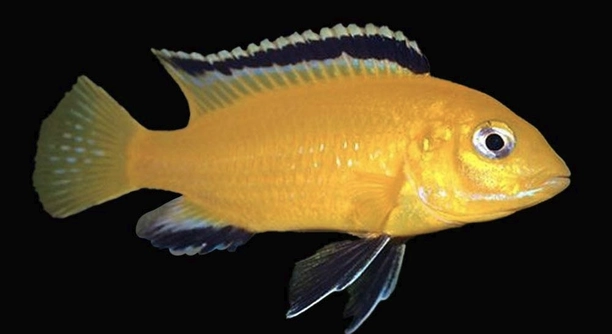
Are your cichlid tanks developing cloudy water that disrupts the clarity you want to maintain in your aquarium? This simple introduction offers a calm overview to help you understand what may be causing the issue.
Cloudy water in cichlid tanks is primarily prevented by maintaining consistent filtration, avoiding overfeeding, performing routine water changes, and managing bioload effectively. These practices support stable water chemistry, minimize suspended particles, and promote a balanced environment for clear aquariums overall.
These simple steps guide you toward clearer water and a healthier environment where your cichlids can live peacefully and thrive.
Understanding Cloudy Water in Cichlid Tanks
Cloudy water often results from a combination of factors in your cichlid tank. Overfeeding is a common cause, as uneaten food breaks down and releases waste into the water. Improper filtration can also allow particles to remain suspended, preventing the water from clearing naturally. Newly established tanks may experience bacterial blooms, which create a temporary haze as beneficial bacteria populate the aquarium. Mineral deposits from hard water or excess organic matter can further contribute to a murky appearance. Monitoring water parameters such as ammonia, nitrite, nitrate, and pH is essential, as imbalances can encourage bacterial overgrowth and reduce water clarity. Cleaning substrate regularly and avoiding sudden changes in water chemistry helps maintain a stable environment. Adding live plants or proper chemical filtration can assist in absorbing excess nutrients that fuel bacterial growth. Consistency in care and observation is key to preventing ongoing water cloudiness and maintaining a healthy habitat for your cichlids.
Maintaining proper filtration and limiting overfeeding are immediate steps to reduce cloudiness. Observing your tank daily ensures timely intervention.
Regular water changes not only remove excess waste but also help balance pH and nutrients. Using a gravel vacuum, cleaning filter media, and avoiding overcrowding all contribute to a clearer tank. Choosing the right filter size and maintaining it according to manufacturer instructions ensures efficient water turnover. Biological filtration promotes beneficial bacteria, reducing ammonia and nitrite spikes that can increase water haze. Additionally, controlling light exposure helps prevent algae growth, which can further cloud the water. Adjusting feeding habits and choosing high-quality food reduces particulate matter. Over time, these measures stabilize water chemistry, reduce suspended solids, and prevent recurring bacterial blooms. Observing fish behavior can also provide clues, as stressed or sick cichlids may indicate water quality issues. With consistent maintenance and attention to the tank environment, achieving clear water becomes manageable, supporting both fish health and the aesthetic appeal of your aquarium.
Filtration Techniques for Clear Water
A well-functioning filtration system is essential to maintaining clarity in cichlid tanks. Filters help remove debris, chemical impurities, and excess nutrients that contribute to cloudy water.
Mechanical, chemical, and biological filtration all play distinct roles. Mechanical filtration traps large particles, preventing them from floating freely. Chemical filtration absorbs dissolved substances that may discolor water, while biological filtration promotes colonies of beneficial bacteria that break down ammonia and nitrite. Choosing the correct filter for tank size ensures proper water turnover, which is critical for clarity. Regular maintenance, such as rinsing filter media and replacing carbon when needed, keeps the system efficient. In addition, positioning the filter to optimize circulation throughout the tank reduces stagnant areas where debris can accumulate. Combining these filtration methods with routine water changes and careful feeding provides a comprehensive approach to water clarity. Over time, consistent filtration improves both the appearance of the tank and the overall health of your cichlids, creating an environment where they can thrive. Selecting appropriate filter types and maintaining them consistently prevents future episodes of cloudiness, ensuring the aquarium remains visually appealing and biologically balanced.
Managing Feeding and Waste
Overfeeding is the most common cause of cloudy water. Uneaten food decomposes, releasing ammonia and other compounds that promote bacterial growth and haze in the tank.
Feeding cichlids small portions that they can consume within a few minutes prevents excess waste. Removing uneaten food promptly reduces suspended particles. High-protein foods break down faster, so balancing diet with pellets or flakes helps control water quality. Regular observation of fish feeding behavior ensures they are eating properly, preventing leftover food from accumulating on the substrate. Cleaning the substrate during water changes removes residual waste. This combined approach minimizes nutrient spikes that encourage bacterial blooms, keeping the water clearer. Avoiding frequent overfeeding reduces stress on both fish and filtration systems.
Proper management of fish density also plays a role. Overstocked tanks produce more waste than filters can handle efficiently. Maintaining an appropriate number of fish and ensuring consistent removal of organic debris ensures stable water chemistry and prevents recurring cloudy conditions.
Water Changes and Maintenance
Routine water changes are essential for preventing cloudy water. They dilute accumulated waste, replenish minerals, and maintain balanced chemical levels in the tank.
Changing 20-25% of the water weekly helps maintain clarity without shocking fish. Using a siphon to vacuum the substrate removes uneaten food and detritus, which reduces suspended particles. Ensuring new water matches tank temperature and pH prevents stress. Filters should be rinsed in tank water to retain beneficial bacteria while maintaining flow. Combining water changes with monitoring nitrate and phosphate levels reduces conditions that trigger bacterial blooms or algae growth. Regular maintenance of decorations and plants prevents trapped debris from affecting water clarity. By establishing a consistent schedule, water clarity remains stable, and fish stay healthier.
In addition, avoiding abrupt changes in water chemistry is crucial. Gradual adjustments prevent stress and help beneficial bacteria adapt. Using dechlorinated water and testing parameters before adding water ensures safe conditions. Over time, these practices create a predictable, balanced environment. Monitoring fish behavior and tank clarity allows adjustments before problems escalate. Maintaining both mechanical and biological aspects of the tank supports long-term water quality. Consistency in water changes, substrate cleaning, and filtration upkeep directly impacts the overall health of cichlids and minimizes the recurrence of cloudy water.
Choosing the Right Substrate
The type of substrate affects water clarity. Fine sand can trap debris and create cloudiness if disturbed. Gravel allows waste to settle between stones, making cleaning easier and reducing suspended particles in the water.
Rinsing new substrate thoroughly before adding it to the tank prevents dust from initially clouding water. Regular vacuuming during water changes removes trapped detritus. Choosing a substrate suited to your cichlid species balances aesthetics and practicality while supporting clear water.
Monitoring Water Parameters
Regular testing of ammonia, nitrite, nitrate, and pH levels is critical. Imbalances can trigger bacterial blooms and algae growth, contributing to cloudy water.
Maintaining proper parameters ensures a stable environment. Ammonia and nitrite should remain at zero, while nitrate should stay low. Consistent monitoring helps identify issues early and supports effective interventions.
Managing Algae Growth
Algae can contribute to a greenish cloud in your tank. Controlling light exposure and nutrient levels reduces its growth.
Regular scraping of tank walls and trimming of live plants prevents algae accumulation, maintaining clear water.
Why is my cichlid tank water cloudy even after a full water change?
Cloudy water after a water change often indicates a bacterial bloom. When beneficial bacteria rapidly multiply, they can make the water appear milky or hazy. This usually happens in new tanks or when the biological balance is temporarily disrupted. Even with clean water, particles may remain suspended until bacteria stabilize. Ensuring proper filtration and allowing time for bacterial colonies to adjust helps the water clear naturally. Avoid overcleaning the tank or filter, as removing too much bacteria can prolong cloudiness. Consistent feeding, moderate fish density, and routine water monitoring all support faster stabilization and clearer water.
How often should I clean my filter to prevent cloudy water?
Filters should be rinsed or maintained every 2-4 weeks depending on tank size and bioload. Over-cleaning can remove beneficial bacteria, while under-cleaning allows debris to accumulate and reduce efficiency. Mechanical media may need gentle rinsing, while chemical media should be replaced according to manufacturer instructions. Biological media should only be lightly rinsed in tank water to maintain bacterial colonies. Monitoring flow rate helps determine if the filter is clogged or underperforming. Proper maintenance prevents debris buildup and supports clear water without disturbing the tank’s ecological balance.
Can overfeeding really make the water cloudy that quickly?
Yes, excess food breaks down rapidly, releasing ammonia and other compounds that fuel bacterial growth. Even small amounts left uneaten can accumulate on the substrate, creating cloudy conditions. Feeding only what fish can consume within a few minutes minimizes waste and supports water clarity. Observing fish behavior during feeding ensures all food is eaten promptly. Combining controlled feeding with regular substrate cleaning reduces suspended particles and nutrient spikes. Overfeeding can overwhelm filtration systems, so moderation is key to maintaining both clear water and healthy cichlids.
Does the type of water I use affect cloudiness?
Tap water quality can influence cloudiness. High mineral content, hardness, or chlorine may promote bacterial blooms or react with tank substrates, causing haze. Using dechlorinated or treated water ensures safer conditions for fish and reduces cloudiness risks. Testing water parameters before adding it to the tank helps maintain stable pH, hardness, and other chemical balances. Gradually adding water during changes prevents sudden shifts that could stress fish or disrupt bacterial populations. Consistent use of properly treated water contributes to long-term clarity.
Are live plants helpful in preventing cloudy water?
Live plants absorb excess nutrients that would otherwise feed bacteria or algae. Healthy plants reduce nitrate and phosphate levels, contributing to clearer water. Fast-growing species are particularly effective at nutrient uptake. Removing decaying plant matter is important, as decomposing leaves can worsen water clarity. Maintaining proper lighting supports plant health without encouraging algae growth. Plants also create natural filtration through root systems and surface coverage. Incorporating live plants balances the ecosystem, reducing the frequency of bacterial blooms and enhancing the overall aesthetic of the tank.
Can cloudy water harm my cichlids?
Cloudy water itself is rarely toxic, but it often signals elevated ammonia, nitrite, or nitrate levels that can stress or harm fish. Prolonged exposure may weaken immunity, making cichlids more susceptible to disease. Immediate action, including water testing, partial water changes, and monitoring filtration, is necessary when cloudiness persists. Maintaining stable water parameters and a clean environment reduces stress and promotes healthy fish behavior. Early intervention prevents minor water quality issues from developing into long-term health problems.
How can I quickly clear a tank that turned cloudy overnight?
Immediate steps include checking filter function, performing a partial water change, and removing uneaten food or debris. Avoid excessive cleaning, which may remove beneficial bacteria. Using a gravel vacuum during the water change helps remove suspended particles from the substrate. Ensuring proper circulation distributes filtered water throughout the tank. Reducing feeding temporarily prevents additional waste accumulation. Over time, the combination of mechanical filtration, biological balance, and careful water management clears the water effectively. Patience is important, as bacterial blooms often resolve naturally once the ecosystem stabilizes.
Will switching filter types help with persistent cloudiness?
Changing or upgrading filters can improve water turnover and debris removal if the current system is underperforming. Mechanical, chemical, and biological filtration each target specific impurities, so a combination often works best. Properly sized filters relative to tank volume are essential. Relying solely on chemical filtration may not address suspended particles or nutrient imbalances. Regular maintenance and monitoring are equally important to maintain clear water. Selecting a filter suited to your cichlid species and tank size ensures long-term clarity and reduces recurring cloudy conditions.
Is cloudy water more common in new tanks?
Yes, newly established tanks often experience bacterial blooms as beneficial colonies develop. The initial imbalance between fish waste, nutrients, and bacterial populations creates a temporary haze. Cloudiness usually resolves within one to three weeks with proper filtration and maintenance. Avoid overfeeding and excessive cleaning during this period, as these actions can disrupt bacterial growth. Testing water parameters and observing fish behavior helps track progress. Understanding this temporary cloudiness prevents unnecessary interventions and supports the development of a stable, balanced aquarium ecosystem.
Can I prevent cloudy water entirely?
While some temporary cloudiness is normal, consistent maintenance, proper feeding, adequate filtration, and monitoring water parameters minimize occurrences. Preventive measures such as controlled feeding, regular water changes, careful substrate cleaning, and plant care maintain clarity. Choosing appropriate filter types and sizes, coupled with routine maintenance, ensures long-term water quality. Observing fish and tank conditions allows early intervention before problems escalate. A balanced ecosystem with stable chemical levels reduces bacterial blooms, nutrient spikes, and debris accumulation. Complete prevention is challenging, but disciplined care keeps water consistently clear and supports a healthy environment for cichlids.
Maintaining clear water in a cichlid tank requires consistent attention to multiple factors. Overfeeding, inadequate filtration, and irregular maintenance are the most common reasons for cloudy water. Small, frequent feedings prevent uneaten food from accumulating on the substrate, while proper filtration ensures particles are effectively removed. Both mechanical and biological filtration are important to maintain water clarity and stable chemical levels. Regular monitoring of ammonia, nitrite, nitrate, and pH allows for early detection of imbalances before they lead to significant water cloudiness. Paying attention to these details supports not only the aesthetic appeal of the tank but also the long-term health of your fish.
Routine water changes play a crucial role in keeping a cichlid tank clear. Changing 20-25% of the water weekly removes waste, balances nutrients, and replenishes essential minerals. Vacuuming the substrate during water changes helps prevent detritus from accumulating and contributing to haze. Cleaning or rinsing filter media ensures the system continues to function efficiently without disturbing beneficial bacteria too much. Avoiding sudden changes in water chemistry, such as pH or temperature shifts, prevents stress on both fish and bacteria. Consistency in these practices is key, as a stable environment minimizes bacterial blooms and algae growth, which are common contributors to cloudiness.
Substrate choice, live plants, and tank stocking levels also impact water clarity. Fine sand may trap waste and require more frequent cleaning, while gravel allows debris to settle and makes removal easier. Live plants absorb excess nutrients that could otherwise fuel bacterial blooms or algae growth, helping maintain a balanced ecosystem. Keeping fish numbers appropriate for tank size prevents overloading the filtration system and reduces organic waste. Observing fish behavior, substrate condition, and water clarity regularly allows for timely adjustments. By combining these strategies—proper feeding, filtration, water changes, and habitat management—clear water becomes achievable. Establishing this routine supports both a visually appealing aquarium and a healthy environment for your cichlids, reducing stress and promoting long-term wellbeing.

Hello,
If you enjoy the content that we create, please consider saying a "Thank You!" by leaving a tip.
Every little bit helps us continue crafting quality advice that supports the health, happiness, and well-being of pets around the world, for pets of all shapes, sizes, and species.
We really appreciate the kindness and support that you show us!